
Understanding how long does it take for body to decay is a sobering but important topic that touches on forensic science, environmental factors, and natural processes. Whether you’re curious from an educational standpoint, working in forensics, or dealing with the loss of a loved one, knowing the decomposition timeline helps you understand what happens after death and why proper burial or cremation practices matter.
Table of Contents
- Decomposition Basics Explained
- First 24 Hours: Initial Changes
- Days 2-6: Bloating Begins
- Week 2-3: Active Decay Phase
- Weeks 4-12: Advanced Decomposition
- Months 3-6: Skeletonization Process
- Environmental Factors That Matter
- Temperature’s Critical Role
- Moisture and Humidity Effects
- Buried vs. Exposed Bodies
- Frequently Asked Questions
Decomposition Basics Explained
The human body begins decomposing immediately after death, driven by both internal and external forces. Bacteria naturally present in your gut and on your skin start breaking down tissues without oxygen. This process, called autolysis, happens faster than you might think. Within hours, the body’s cells start releasing enzymes that digest themselves from the inside out. This is why embalming and refrigeration are standard practices—they slow this natural progression significantly.
The complete decomposition timeline varies wildly depending on conditions. In ideal circumstances, a body can fully decompose to skeletal remains in 8-12 years, but this timeline stretches or compresses based on temperature, moisture, soil composition, and whether the body is buried or exposed. Forensic scientists use decomposition rates to estimate time of death, making this knowledge crucial for criminal investigations.
First 24 Hours: Initial Changes
The first day after death is when the most dramatic internal changes occur. Within 2-4 hours, livor mortis appears—purple-red discoloration where blood pools in lower body areas due to gravity. The skin becomes pale as circulation stops, and body temperature drops about 1-1.5 degrees Fahrenheit per hour until it matches the surrounding environment.
Rigor mortis typically begins 2-6 hours after death, starting in the eyelids and jaw before spreading throughout the body. This stiffening results from chemical changes in muscles and usually peaks around 12 hours. Meanwhile, bacteria in the intestines begin multiplying rapidly, producing gases that cause bloating to start forming. The body’s surface may show early signs of marbling—purple veining under the skin—as blood vessels become visible.
Days 2-6: Bloating Begins
By day two, the bloat stage becomes obvious. Bacterial gas production causes the abdomen to swell significantly, sometimes doubling in size. The face becomes unrecognizable as gases push outward, distorting facial features. Skin takes on a greenish tint, starting around the abdomen where bacterial activity is highest. This discoloration spreads across the body as decomposition accelerates. The skin may also develop blisters from gas buildup beneath the surface.
During this phase, body fluids begin leaking from natural orifices. The distinctive smell of decomposition becomes apparent—a combination of various volatile organic compounds produced by bacteria breaking down tissues. This is also when insects like flies and beetles are attracted to the body, laying eggs that will become maggots. If you’re dealing with wildlife or pest concerns near a decomposing body, professional removal becomes necessary.
Week 2-3: Active Decay Phase
Weeks two and three mark the active decay stage, where decomposition accelerates dramatically. The body’s tissues break down rapidly as bacteria and insects work simultaneously. Maggots hatch and begin feeding on soft tissues, consuming material at an astonishing rate—a single maggot can consume its body weight daily. The skin becomes dark brown or black, losing structural integrity and beginning to separate from underlying tissues.
Fluids continue draining from the body, creating a distinctive pattern on the ground called a cadaver decomposition island. These fluids contain nutrients that affect soil chemistry and plant growth in the surrounding area. The body may develop a waxy, soap-like substance called adipocere if moisture levels are high, which can actually slow decomposition by creating a protective barrier.
Weeks 4-12: Advanced Decomposition
By week four, most soft tissues have either been consumed by insects or broken down by bacterial action. The body loses its recognizable human form as muscles, organs, and skin continue disintegrating. Bones begin becoming visible as the last soft tissues disappear. The smell, while still present, may actually decrease during this phase as volatile compounds diminish. However, the area remains contaminated and hazardous.
This extended phase—lasting through week twelve—sees gradual tissue loss and bone exposure. The rate depends heavily on environmental conditions. In warm, moist environments with abundant insect activity, this stage moves quickly. In cold or dry conditions, it progresses much more slowly. Understanding these timelines is important for anyone working in forensic science or dealing with property cleanup after death.
Months 3-6: Skeletonization Process
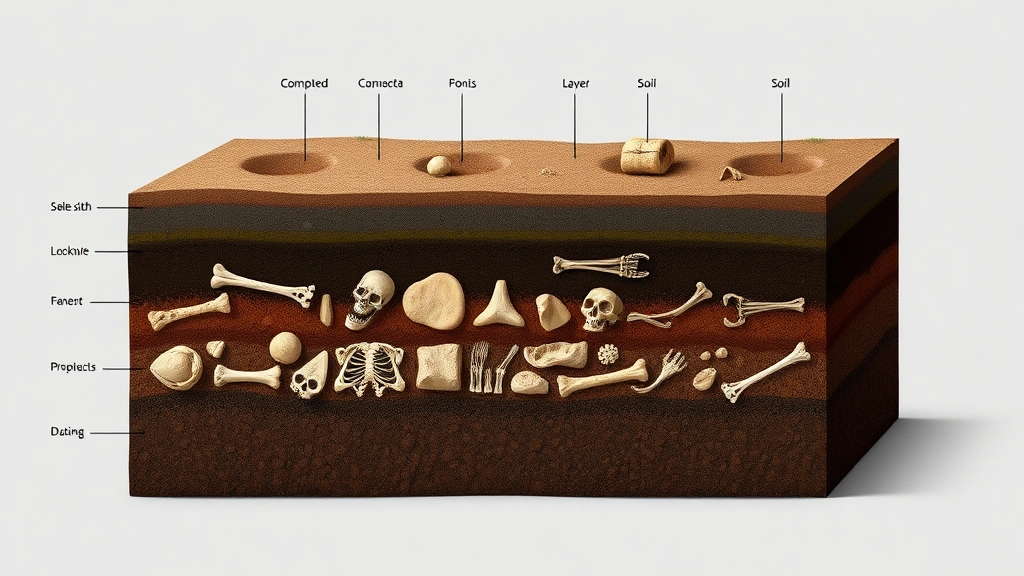
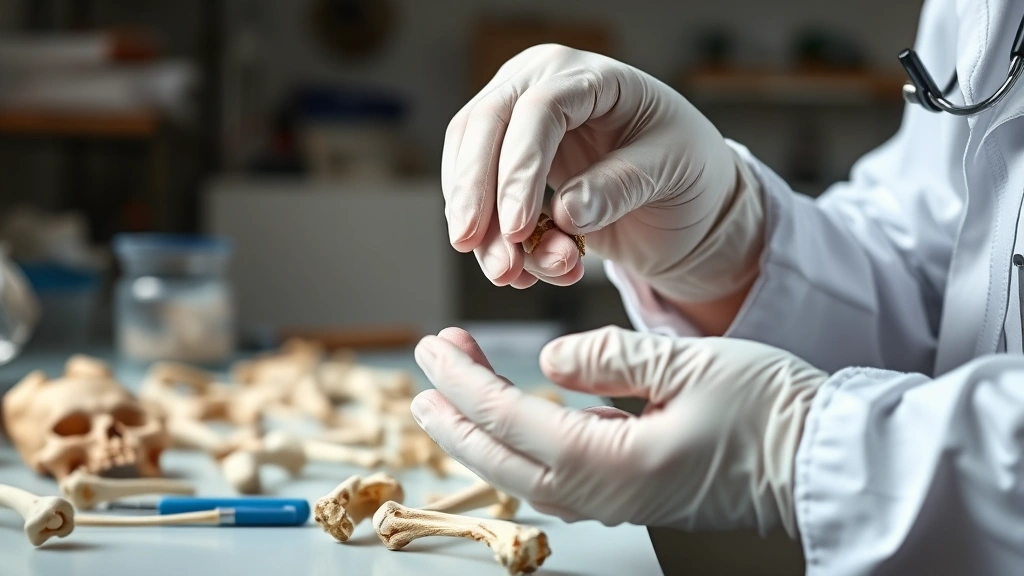
Skeletonization—the point where only bones remain—typically occurs between three and six months in temperate climates. However, this timeline is highly variable. In warm, humid environments with active insect populations, complete skeletonization can happen in 6-8 weeks. In cold or dry conditions, it might take years. Even after skeletonization, bones continue changing through a process called diagenesis, where minerals leach out and the bone structure becomes increasingly fragile.
Once skeletonized, the body is no longer attractive to most insects and scavengers, though larger animals might scatter bones. Bone color changes from white to brown or black depending on soil chemistry and moisture. Bones can persist for decades or centuries in the right conditions, which is why archaeologists can study remains thousands of years old.
Environmental Factors That Matter
The environment is everything when discussing decomposition rates. Soil type, pH level, oxygen availability, and surrounding vegetation all influence how quickly a body breaks down. Sandy soil allows better drainage and faster decomposition than clay soil, which retains moisture and can slow the process. Acidic soil can actually preserve bones longer by preventing mineral loss, while alkaline soil dissolves bone faster.
Elevation matters too—bodies at higher altitudes decompose more slowly due to lower temperatures and reduced insect activity. Bodies in water decompose differently than those in soil or exposed to air. Freshwater bodies slow decomposition compared to saltwater, where marine scavengers accelerate tissue loss. These variables make forensic estimation of time of death challenging but not impossible with proper analysis.
Temperature’s Critical Role
Temperature is perhaps the single most important factor determining decomposition speed. The “rule of thumb” in forensic science suggests that for every 10-degree Fahrenheit increase in temperature, decomposition approximately doubles in speed. A body in a 70-degree environment decomposes twice as fast as one in a 50-degree environment.
In freezing conditions, decomposition nearly stops. Bodies found in frozen environments can remain relatively preserved for years or even decades. Conversely, bodies in hot climates with temperatures consistently above 90 degrees can skeletonize in weeks. This is why mummification naturally occurs in hot, dry climates—the rapid loss of body moisture prevents bacterial growth. If you’re dealing with food preservation or understanding meat spoilage, similar principles apply, which is relevant to proper handling of game meat.
Moisture and Humidity Effects
Moisture accelerates decomposition by providing the wet environment bacteria need to thrive. Bodies in damp soil decompose faster than those in dry soil. Humidity levels in the surrounding air also matter—bodies in humid climates decompose faster than those in arid regions. However, excessive moisture can lead to adipocere formation, which paradoxically slows decomposition by creating an anaerobic environment.
Rainfall affects exposed bodies significantly, washing away fluids and potentially dispersing remains. Bodies near water sources decompose differently than those in dry locations. This is why bodies recovered from water often show different decomposition patterns than terrestrial remains. The presence of water also attracts different insect and animal species, changing the decomposition trajectory.
Buried vs. Exposed Bodies
Buried bodies decompose more slowly than exposed ones, typically taking 8-12 years to fully skeletonize compared to 1-3 years for exposed remains. The soil provides insulation from temperature fluctuations and reduces insect access, though soil organisms still break down tissues. Burial depth matters—bodies buried deeper experience more stable temperatures and slower decomposition.
Exposed bodies decompose fastest due to direct environmental exposure and abundant insect activity. However, they’re also more subject to scavenging by animals, which can scatter remains across a wide area. Bodies in sealed containers decompose very slowly due to lack of oxygen and limited bacterial activity. Professional forensic specialists use these variables to estimate time of death, though it remains an imprecise science with significant margins of error.
Frequently Asked Questions
How long does it take a body to decompose in a coffin?
In a sealed wooden coffin in the ground, complete decomposition typically takes 10-15 years. The coffin provides some protection from external elements and insects, significantly slowing the process. Metal coffins slow decomposition even further, sometimes taking 20+ years. Concrete vaults can extend this timeline even more.
What speeds up body decomposition the most?
Heat and moisture are the primary accelerators. A body in warm, humid conditions with exposure to insects decomposes fastest—sometimes skeletonizing in 6-8 weeks. Conversely, cold, dry conditions dramatically slow decomposition, potentially preserving remains for years.
Can decomposition be prevented?
Yes, several methods prevent or dramatically slow decomposition: embalming, refrigeration, freezing, mummification, and sealed containers. Embalming uses chemical preservation to slow bacterial growth. Refrigeration keeps bodies at temperatures where decomposition nearly stops. This is why mortuaries and medical examiners use these techniques.
How do forensic scientists estimate time of death?
They use multiple indicators including body temperature, rigor mortis, livor mortis, decomposition stage, insect activity, and environmental factors. However, these methods have significant error margins. Decomposition is influenced by too many variables to provide precise estimates, especially for bodies dead longer than 48 hours.
Does body size affect decomposition rate?
Yes, larger bodies generally decompose more slowly than smaller ones because they take longer for bacteria and insects to consume. However, the difference is relatively modest compared to environmental factors like temperature and moisture.
What happens to bones after skeletonization?
Bones continue changing through diagenesis—a process where minerals leach out and the bone structure becomes more fragile. Bones can persist for centuries in the right conditions, but they gradually lose strength and density. Soil chemistry, moisture, and pH all influence how long bones remain intact.
Do cremation services prevent decomposition?
Cremation eliminates decomposition entirely by reducing the body to ash at extremely high temperatures (1400-1800 degrees Fahrenheit). This is why cremation is chosen by many families—it prevents the natural decomposition process completely. The resulting ashes are chemically stable and won’t decompose further.
Final Thoughts on Body Decomposition
Understanding how long does it take for body to decay involves recognizing that decomposition isn’t a fixed timeline but a variable process influenced by numerous environmental and biological factors. Temperature, moisture, soil composition, insect activity, and burial method all dramatically affect the rate of decomposition. While we’ve provided general timelines—expecting skeletonization in 3-6 months under average conditions—actual decomposition can range from weeks to years depending on specific circumstances.
This knowledge serves important purposes: forensic investigators use it to solve crimes, families understand what happens to their loved ones, and professionals in various fields make informed decisions about body handling and property cleanup. If you’re dealing with a decomposed body situation, always contact professional services—whether that’s law enforcement, medical examiners, or licensed biohazard cleanup companies. They have the training, equipment, and expertise to handle these sensitive situations safely and respectfully. For those curious about related preservation topics, understanding proper techniques applies to everything from preserving materials like silver to maintaining food quality.


