

So you’ve accidentally pulled out a lash, or maybe you’re dealing with the aftermath of lash extensions, and now you’re wondering: how long does it take for lashes to grow back? The answer isn’t as simple as “a few weeks,” but don’t worry—we’re going to walk you through the exact timeline and what you can actually do to speed up the process.
Table of Contents
Understanding Your Lash Growth Cycle
Before we talk timeline, you need to understand how lashes actually grow. Unlike the hair on your head, eyelashes follow a completely different growth pattern. Each lash goes through three distinct phases: anagen (growth), catagen (transition), and telogen (resting and shedding). This cycle repeats constantly, which is why you naturally lose 1-5 lashes per day without even noticing.
The anagen phase is where the magic happens—this is when your lash is actively growing. But here’s the catch: not all your lashes are in the growth phase at the same time. At any given moment, only about 40% of your lashes are actually growing. The rest are either transitioning or resting. This staggered timing is actually protective—it prevents you from losing all your lashes at once.
Your lash follicles are incredibly tiny compared to scalp hair follicles, which means they produce shorter hairs with a much shorter growth cycle overall. This is why lash regrowth feels like it takes forever when you’re waiting for it.
The Complete Growth Timeline
Let’s get specific about what you can expect. If you’ve lost a single lash or a small group of lashes, here’s your realistic timeline:
Weeks 1-2: Absolutely nothing visible happens. Your lash follicle is in its resting phase, and even if the growth phase is starting, the hair is so microscopic you won’t see it. This is the hardest part psychologically because you’re waiting for progress that isn’t visible yet.
Weeks 3-4: You might start noticing the tiniest bit of fuzz at the lash line. It’s barely visible, but if you look closely in a mirror, you can see something starting to emerge. The lash is growing but still extremely short and fragile.
Weeks 5-8: Now you’re seeing actual progress. The lash is getting longer and more visible, though it’s still not at full length. This is when most people start feeling hopeful about their regrowth situation.
Weeks 8-12: Full lash regrowth typically happens around the 8-12 week mark. Your new lash should be roughly the same length and thickness as your natural lashes. Some sources cite up to 16 weeks for complete maturation, but most people see functional lashes by week 12.
The reason for this extended timeline relates directly back to that growth cycle we mentioned. You’re essentially waiting for your follicle to complete its resting phase and enter the growth phase, then waiting for that growth phase to produce a full-length lash. It’s a biological process you can’t really rush.
Factors That Affect Regrowth Speed
Not everyone regrows lashes at the same speed, and that’s completely normal. Several factors influence how quickly your lashes come back:
Age matters. Younger people tend to regrow lashes faster than older adults. If you’re in your 20s or 30s, expect faster regrowth than someone in their 50s or 60s. Your body’s cellular turnover is simply more efficient when you’re younger.
Overall health plays a huge role. People with chronic health conditions, hormonal imbalances, or thyroid issues often experience slower lash regrowth. If you’ve noticed lash loss beyond normal shedding, it might be worth talking to your doctor.
Genetics are real. Some people naturally have thicker, faster-growing lashes. Others have finer lashes that take longer to regrow. You can’t change your genetics, but knowing your baseline helps set realistic expectations.
Previous damage matters. If you’ve repeatedly pulled out lashes (trichotillomania) or worn heavy extensions for years, your follicles might be damaged. Damaged follicles grow lashes more slowly or sometimes stop producing lashes entirely. This is why prevention is so important.
How to Speed Up Lash Growth
While you can’t completely bypass the biological timeline, you can absolutely optimize the conditions for faster growth. Think of it like tending a garden—you can’t make a plant grow overnight, but you can remove obstacles and provide ideal conditions.
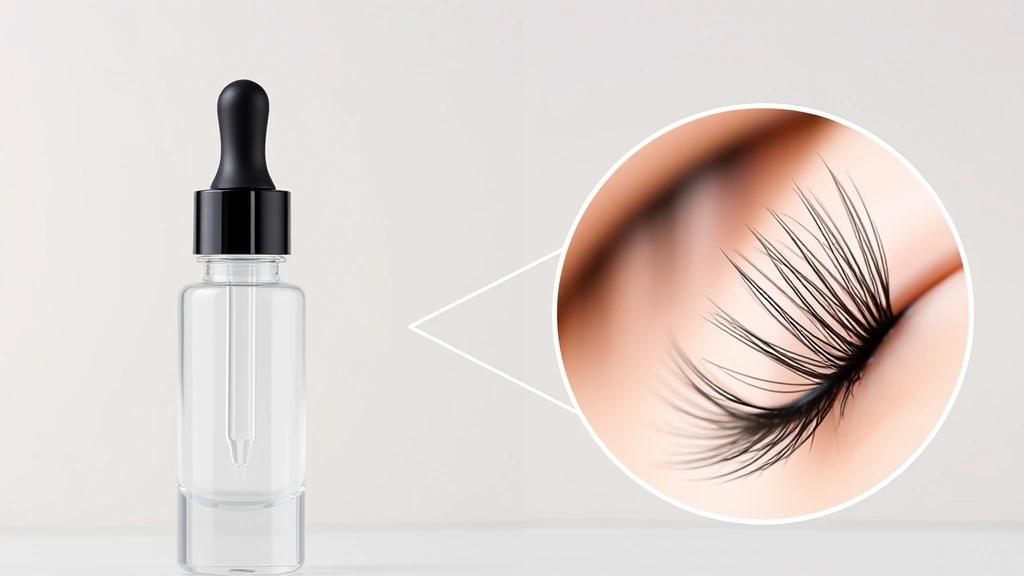
Lash serums actually work. Products containing peptides, biotin, and panthenol have legitimate research backing their effectiveness. Brands like RevitaLash and The Ordinary’s lash serums show measurable results in clinical studies. Apply these consistently to the lash line, and you might see regrowth 2-4 weeks faster than without them. These aren’t miracle workers, but they’re worth the investment if you’re serious about faster regrowth.

Stop touching your lashes. This seems obvious, but repeated touching, rubbing, or pulling disrupts the growth cycle. Every time you damage a follicle, it has to restart the entire process. Hands off means faster overall regrowth.
Be gentle with eye makeup. Heavy mascara, waterproof formulas, and aggressive makeup removal are lash killers. If you’re in regrowth mode, skip mascara entirely or use a lightweight formula. When you do remove makeup, use a gentle oil-based cleanser and a soft touch—never scrub.
Recovering from Lash Extension Damage
Lash extensions are beautiful, but they come with a real cost to your natural lashes. The weight of extensions stresses your natural lash, and improper application or removal can cause significant damage. If you’ve worn extensions and now you’re dealing with sparse lashes, here’s what recovery looks like:
Extension-related lash loss can take 3-6 months to fully recover, depending on how much damage occurred. Some follicles might be so damaged that they stop producing lashes for several months. This is why you might lose lashes for a while even after you stop wearing extensions—those follicles are in a dormant state.
The best approach to extension recovery is aggressive prevention of further damage. Avoid any lash treatments, skip mascara, and be extremely gentle with cleansing. Consider using a lash serum specifically formulated for extension recovery. These products are designed to nourish damaged follicles and encourage dormant ones to reactivate.
If you’re thinking about getting extensions again, wait until your natural lashes have fully recovered—usually 4-6 months. Going back too soon compounds the damage and can lead to permanent lash loss.
Nutrition and Hair Health
Your lashes are hair, and hair grows from the inside out. What you eat directly impacts how quickly your lashes regrow. This is where your daily routine connects to your lash health in ways that aren’t immediately obvious.
Protein is essential. Hair is made of keratin, which is a protein. If you’re not getting enough protein in your diet, your body prioritizes vital functions over hair and lash growth. Aim for 0.8-1g of protein per pound of body weight daily. This includes meat, fish, eggs, legumes, and dairy.
Biotin supplements might help. While biotin is often overhyped, studies show it can improve hair thickness and growth when you’re deficient. If you’re not getting enough biotin from foods like eggs and almonds, a supplement won’t hurt and might actually help. Typical doses range from 2.5-5mg daily.
Iron and zinc matter. Deficiencies in these minerals are linked to hair loss and slow growth. If you’re experiencing unusual lash loss or very slow regrowth, get your iron and zinc levels checked. A simple blood test can tell you if supplementation would help.
Omega-3 fatty acids support follicle health. These anti-inflammatory fats improve blood flow to hair follicles, which means better nutrient delivery. Eat fatty fish, flaxseeds, or take a fish oil supplement.
When Should You Actually Worry?
Losing a few lashes here and there is completely normal. Losing 5 lashes per day is actually average. But if you’re experiencing significant lash loss—more than 10-15 per day—or if you’re noticing that your regrowth has stalled beyond the normal timeline, it’s time to see a dermatologist.
Conditions like alopecia areata, thyroid disease, and nutritional deficiencies can all cause abnormal lash loss. These aren’t things you can fix with serums or patience. You need professional diagnosis and treatment.
Also watch for signs of follicle damage like inflammation, redness, or itching at the lash line. These symptoms suggest infection or irritation that needs medical attention. Don’t assume everything will resolve on its own.
Daily Habits That Help Lashes Thrive
Beyond the big interventions, small daily habits compound into significantly faster lash regrowth. Think of these as the workshop fundamentals—they’re not flashy, but they’re essential.
Cleanse gently. Use a mild, oil-based cleanser specifically formulated for the eye area. Massage gently with your fingertip rather than scrubbing. Do this twice daily, especially before bed. You want to remove makeup and daily buildup without stressing the lash follicles.
Keep your hands away from your eyes. This is harder than it sounds in our phone-obsessed world, but touching your eyes introduces bacteria and causes mechanical stress on lashes. Be conscious about this habit and break it.
Sleep on your back. Sleeping face-down on your pillow puts pressure on your lashes and can bend or break them. Back sleeping is better for your lashes (and your face, but that’s another article). If you must sleep on your side, use a silk pillowcase to reduce friction.
Stay hydrated. Dehydration affects everything in your body, including hair and lash growth. Drink enough water that your urine is pale yellow. Aim for at least 8 glasses daily, more if you’re active or live in a dry climate.
Manage stress. Chronic stress elevates cortisol, which disrupts the hair growth cycle. This is why people often experience hair loss during stressful periods. Exercise, meditation, or whatever stress management works for you will help your lashes regrow faster.
Frequently Asked Questions
Can you regrow eyelashes that have been pulled out?
Yes, absolutely. As long as the follicle isn’t permanently damaged, your lash will regrow. Even repeated pulling usually doesn’t cause permanent damage unless you’re pulling out lashes constantly for years. The regrowth timeline is 8-12 weeks for a full lash, but you’ll see progress starting around week 3-4.
Do lash serums actually work?
Clinical studies show that serums with peptides, biotin, and panthenol do improve lash thickness, length, and growth rate. They’re not magic—you won’t grow lashes overnight—but they can accelerate regrowth by 2-4 weeks compared to no treatment. Consistency is key; you need to use them daily for at least 8 weeks to see results.
How long do lash extensions damage last?
Extension damage typically takes 3-6 months to fully recover. Some follicles might go dormant for several months, which is why you might experience continued lash loss even after stopping extensions. The key to recovery is avoiding further damage and using nourishing products.
Is it normal to lose eyelashes?
Losing 1-5 lashes per day is completely normal. You have about 100-150 lashes on each eyelid, and they’re constantly cycling through growth phases. If you’re losing significantly more than this, or if you notice bald patches, see a dermatologist.
What vitamins help eyelashes grow?
Biotin, vitamin B complex, iron, zinc, and vitamin D all support lash growth. The most important factor is overall nutrition—a balanced diet with adequate protein is more important than any individual vitamin. If you have specific deficiencies, supplementation helps, but you can’t supplement your way out of poor overall nutrition.
Can you make your eyelashes grow faster?
You can optimize conditions for faster growth, but you can’t completely bypass the biological timeline. Using lash serums, maintaining excellent nutrition, managing stress, and avoiding damage can speed up regrowth by a few weeks. The absolute fastest timeline is still 8 weeks for visible regrowth and 12 weeks for full length.
Why are my eyelashes not growing back?
If your lashes aren’t regrowing after 12+ weeks, several things could be happening: the follicle might be damaged, you might have an underlying health condition, nutritional deficiencies could be slowing growth, or you might be inadvertently causing continued damage. See a dermatologist to rule out medical issues.
Do false eyelashes damage your real lashes?
False lashes are gentler than extensions, but they can still cause damage if applied or removed improperly. The key is using a gentle, oil-based adhesive remover and being extremely careful during removal. Don’t yank false lashes off—soak them with remover and gently peel. Limited use of false lashes is fine; daily use can accumulate damage.
Final Thoughts on Lash Regrowth
So, how long does it take for lashes to grow back? The honest answer is 8-12 weeks for full regrowth, with visible progress starting around week 3-4. It’s not the fastest process, but it’s predictable and manageable if you understand what’s actually happening biologically.
The key is being patient while actively optimizing conditions. Use a quality lash serum, maintain excellent nutrition, be gentle with your eyes, and avoid further damage. These aren’t shortcuts, but they’re legitimate ways to support your body’s natural regrowth process.
Remember: your eyelashes have an important job protecting your eyes. Treat them with respect, and they’ll come back stronger. And if you’re thinking about getting extensions again, wait until your natural lashes have fully recovered. Your future self will thank you for the patience.


