

Knowing how long does it take for concrete to dry is one of those essential pieces of knowledge that separates a successful DIY project from a frustrating disaster. Whether you’re pouring a new driveway, patching a basement floor, or setting fence posts, timing matters—a lot. Get it wrong, and you’re looking at weak concrete, cracking, and wasted effort. Get it right, and you’ve got a solid foundation for whatever comes next.
Table of Contents
Drying vs. Curing: Know the Difference
Here’s where most people get confused: drying and curing aren’t the same thing. Drying is when the surface feels hard and you can walk on it. Curing is the chemical process where concrete actually gains its strength. Think of it like baking a cake—the outside might feel set after 20 minutes, but it’s still cooking inside.
Concrete cures through a process called hydration, where cement particles chemically bond with water. This happens over weeks and months, not days. For most projects, you need to understand both timelines because walking on partially cured concrete can cause permanent damage that won’t show up until later.

Standard Concrete Drying Times
On average, concrete takes about 24 to 48 hours to dry enough for light foot traffic. But here’s the catch—that’s surface drying. The concrete might feel hard, but it’s not ready for heavy use yet.
Here’s the typical breakdown:

- 24 hours: You can walk on it carefully, but avoid jumping or dropping heavy tools
- 7 days: Safe for light vehicle traffic and normal foot traffic
- 28 days: Full strength achieved (this is the industry standard cure time)
- 3-6 months: Maximum strength and hardness for some applications
That 28-day mark is crucial. It’s why construction sites have those “Do Not Disturb” signs for weeks. The concrete might look done way before it actually is.
Factors That Slow Down Drying
Not all concrete dries at the same rate, and several variables can throw off your timeline. Understanding these factors prevents you from making assumptions that cost you time and money.

Concrete mix design plays a huge role. Different mixes—standard concrete, self-consolidating concrete, or specialty mixes—dry at different rates. The water-to-cement ratio is critical; too much water extends drying time significantly. Professional contractors adjust mix designs based on weather conditions and project requirements.
Sealers and additives change everything. If you’re using a concrete sealer or waterproofing agent, expect longer drying times. Some sealers can add 24-48 hours to the process. Bonding agents and accelerators work the opposite way, speeding things up.

Ambient conditions in your workspace matter too. A basement project dries slower than an outdoor driveway because basements lack air circulation and sunlight. Enclosed spaces trap moisture, extending the timeline considerably.
Temperature and Humidity Matter
Temperature is perhaps the single biggest factor affecting drying time. Concrete cures fastest between 50°F and 85°F. Below 50°F, the curing process slows dramatically—potentially doubling or tripling your wait time. Below 40°F, concrete barely cures at all.

High humidity is your enemy. If you’re pouring concrete in a humid climate or during rainy season, expect significantly longer drying times. Humidity prevents moisture from evaporating from the concrete surface, which is essential for the drying phase. In very humid conditions, you might see drying times extend from 48 hours to 5-7 days just for surface hardness.
Conversely, dry, warm weather accelerates drying. A sunny, breezy 75°F day is ideal for concrete work. That’s why contractors love spring and fall for concrete projects—consistent temperatures and moderate humidity create predictable timelines.
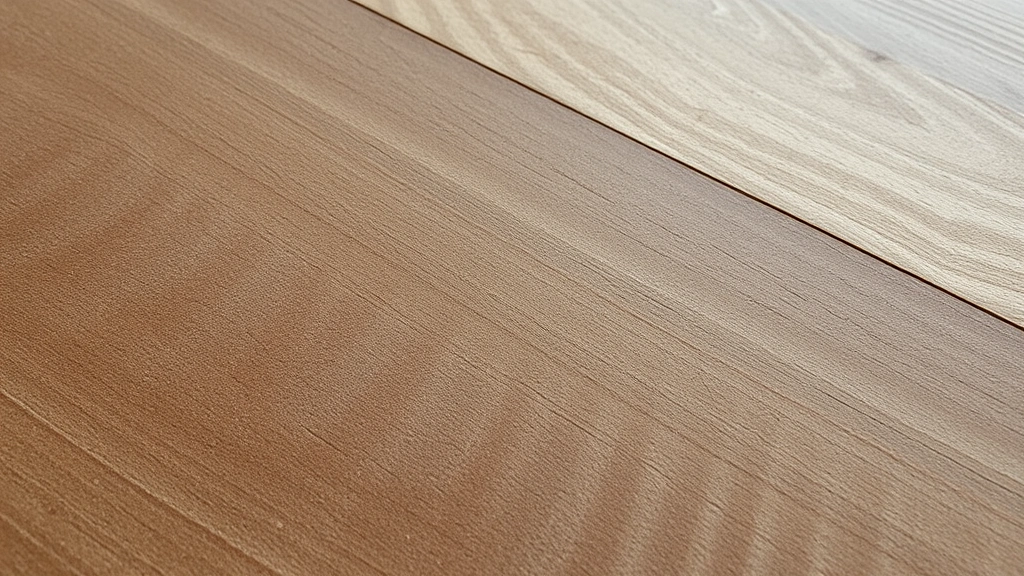
Pro tip: Check the weather forecast before pouring. If rain is coming within 24 hours, postpone your project. Rain can ruin freshly poured concrete and completely derail your timeline.
Thickness and Depth Considerations
Thicker concrete takes exponentially longer to dry. A 4-inch slab (standard for most applications) dries differently than an 8-inch foundation pour. The rule of thumb is that concrete dries about 1 inch per month under ideal conditions. So an 8-inch pour might take 8 months to fully cure throughout.
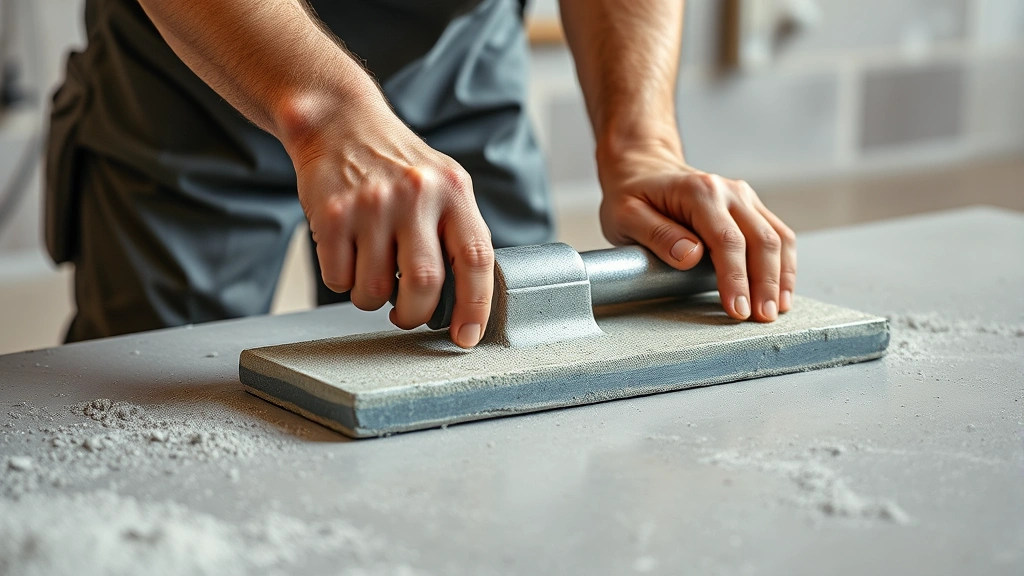
This is why you see contractors using moisture meters on thick pours. They’re checking the interior moisture content, not just the surface. A driveway might feel ready in 48 hours, but a thick foundation could still have moisture deep inside that won’t escape for months.
For projects like installing fixtures that require stable concrete, this matters. If you mount something to concrete that’s still curing internally, movement and settling can cause problems later.
Can You Speed Up Drying?
You can’t really cheat concrete’s timeline, but you can optimize conditions. Here are legitimate strategies:
Use accelerating admixtures: These are chemicals added to the concrete mix that speed up hydration. Calcium chloride is common, though it can cause corrosion in some applications. Talk to your concrete supplier about the right accelerator for your project.

Control the environment: If you’re working indoors or in a basement, use fans and dehumidifiers. Air circulation helps moisture evaporate. Some professionals use temporary heaters in winter to maintain optimal curing temperatures.
Reduce water content: Work with your concrete supplier to use the minimum water necessary. Less water means faster drying, but this requires careful mixing and proper technique during placement.

Don’t use plastic sheeting: Some people cover concrete with plastic to prevent rain damage. While this protects from weather, it traps moisture and actually slows drying. Use tarps that allow some air circulation instead.
Testing if Concrete is Ready
The surface might feel hard, but how do you actually know if concrete is ready for the next step? Guessing wrong is expensive.

The visual test: Look at the color. Fresh concrete is darker. As it dries, it lightens. When the surface is uniformly light gray, it’s usually ready for light use. This is a rough indicator, not a guarantee.
The weight test: Drop a small weight from waist height onto the surface. If it bounces, the concrete is probably ready for foot traffic. If it sinks or sticks, wait longer.
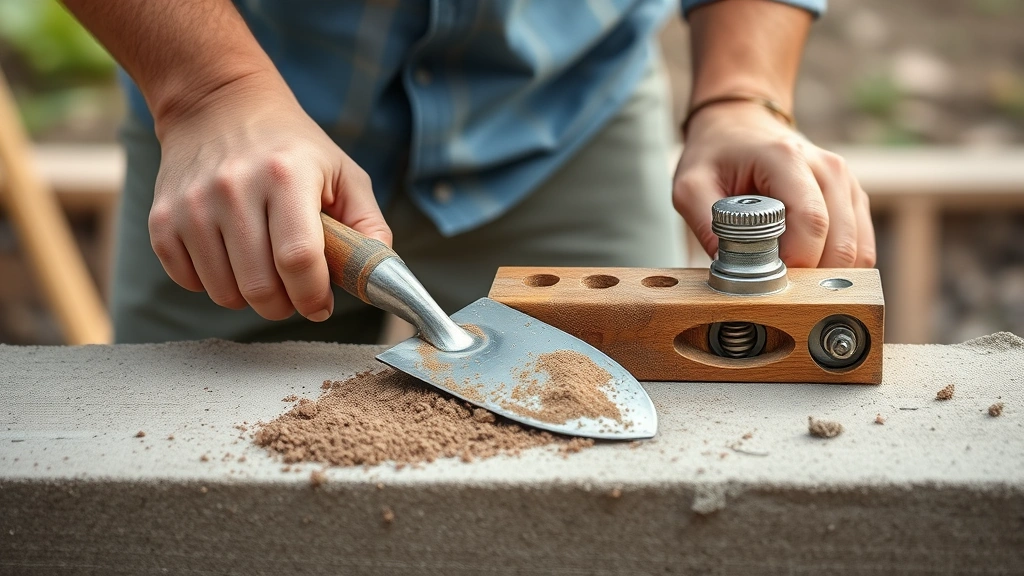
The moisture meter test: This is the professional method. A concrete moisture meter measures the internal moisture content. For most applications, you want readings below 3-4% before sealing or applying coatings. You can rent these tools from equipment rental shops.
The scratch test: Lightly scratch the surface with a coin. If it scratches easily, it’s not ready. If it resists, you’re closer. This is subjective but useful for quick checks.
For critical applications, always use a moisture meter. It removes guesswork and prevents costly mistakes.
Mistakes That Ruin Your Timeline
I’ve seen plenty of DIYers sabotage their own concrete projects by making preventable errors.
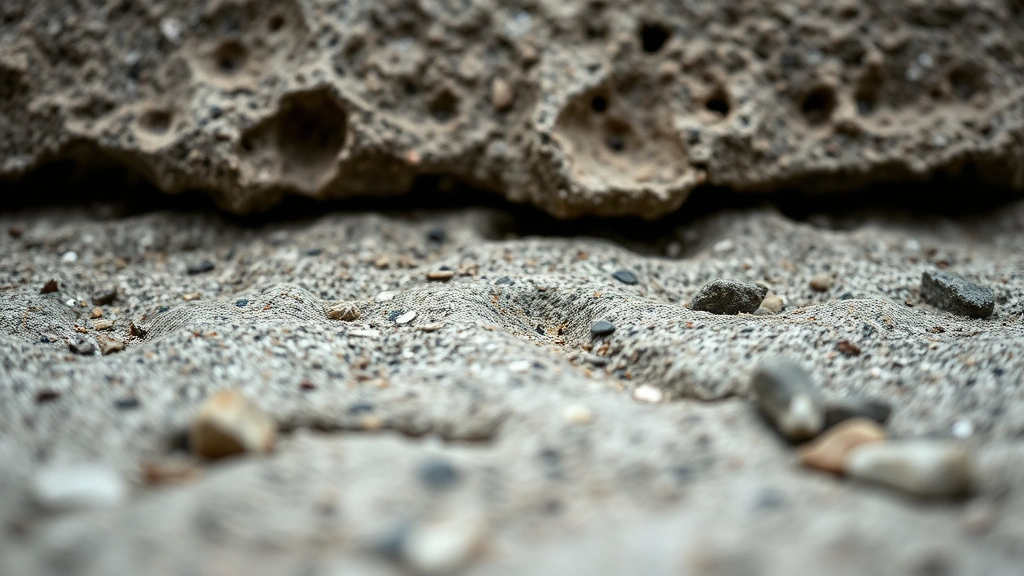
Walking on it too early: Just because it feels hard doesn’t mean it’s strong enough. Early foot traffic can cause surface crazing (tiny cracks) that weaken the concrete permanently. Wait at least 48 hours for casual walking, 7 days for regular use.
Removing forms too soon: If you’re pouring concrete with forms (like a sidewalk), don’t remove them until the concrete has adequate strength. Removing forms too early can cause slumping and cracking. Most professionals wait 24-48 hours minimum, longer for vertical applications.
Pouring in wrong weather: Rain within 24 hours of pouring is a disaster. Cold temperatures below 50°F dramatically slow curing. Extreme heat can cause rapid surface drying while the interior stays soft, creating internal stress and cracking.
Ignoring the cure time before sealing: If you’re applying a sealer or coating, the concrete must be completely dry first. Sealing wet concrete traps moisture inside, causing efflorescence (white powder) and adhesion problems. Follow the sealer manufacturer’s guidelines exactly.

Not protecting from traffic: If you pour a driveway on a Friday expecting to use it Monday, you’re asking for trouble. Keep vehicles off concrete for at least 7 days. The same applies to any heavy use—wait the full week minimum.
These mistakes are easy to avoid with patience. The concrete isn’t going anywhere. Let it do its thing.
Frequently Asked Questions
Can you walk on concrete after 24 hours?
Carefully, yes. After 24 hours, concrete is usually hard enough for light foot traffic. However, avoid jumping, dropping heavy objects, or putting concentrated weight in one spot. For a standard driveway or patio, wait 48 hours before allowing normal foot traffic. For anything you’re going to drive on, wait a full 7 days.
How long before you can drive on concrete?
Standard concrete is safe for light vehicle traffic after 7 days of curing under normal conditions. For heavier vehicles or frequent use, wait 14 days. This timeline assumes temperatures between 50-85°F and moderate humidity. Cold or humid conditions extend this timeline significantly.
Does concrete continue to harden after 28 days?
Yes, concrete continues to gain strength slowly for months and even years, but the majority of strength (about 90%) develops in the first 28 days. After that, improvements are incremental. For practical purposes, 28 days is when concrete reaches usable strength for most applications.
What if it rains on fresh concrete?
Light rain after the concrete has set (24+ hours) is usually fine. Heavy rain on fresh concrete is problematic—it can wash out cement, cause pitting, and create surface damage. If rain is forecast within 24 hours of pouring, either postpone the project or be prepared to cover it with plastic sheeting or tarps that allow some air circulation.
Can you seal concrete before it’s fully cured?
No. Sealing concrete before it’s fully cured traps moisture inside, causing adhesion problems and efflorescence. Wait at least 28 days, and verify with a moisture meter that the concrete is dry enough (typically below 3-4% moisture content). Some sealers require even longer waiting periods—check the manufacturer’s instructions.
Does concrete dry faster in heat?
Yes, but there’s a catch. Excessive heat can cause the surface to dry too quickly while the interior stays wet, creating internal stress and cracking. The ideal temperature range is 50-85°F. Above 85°F, you might need to slow surface drying with misting or shade to allow even curing throughout the slab.


