
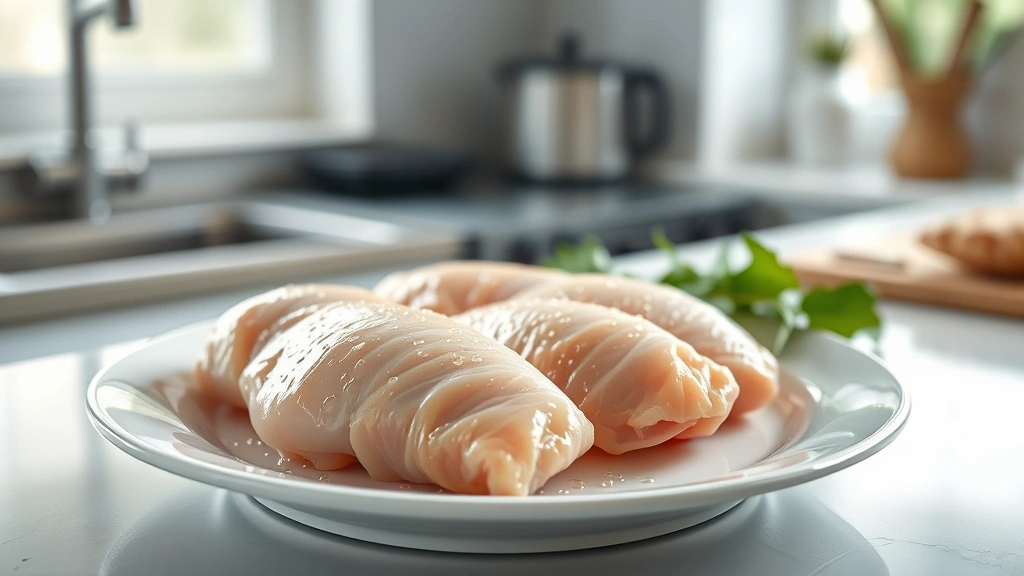
Knowing how long does chicken take to thaw is one of those kitchen fundamentals that separates the confident home cook from the panicked dinner-hour improviser. Whether you’ve got a whole bird or breasts sitting in your freezer, the thawing method you choose directly impacts food safety, texture, and how quickly you can get dinner on the table. Let’s walk through this together like we’re standing at your kitchen counter, because proper thawing isn’t just about time—it’s about doing it right.
Table of Contents
Refrigerator Thawing Method
The refrigerator is your best friend here. This is the gold standard, the method that lets you sleep at night knowing you’re doing everything right. When you thaw chicken in the fridge, you’re working with nature’s slow and steady approach—bacteria growth stays minimal because the temperature stays consistently cold.
Here’s the real-world timeline: a whole chicken (typically 4-5 pounds) needs about 24 hours to thaw completely. Chicken breasts or thighs (individual pieces) take roughly 12-24 hours depending on thickness. A pack of drumsticks might be done in 12 hours. The key variable is mass—the bigger the chunk, the longer it sits.
The setup is simple: place your frozen chicken on a plate (to catch drips) on the bottom shelf of your fridge. Bottom shelf matters because if anything leaks, you don’t want raw chicken juice dripping onto your vegetables or ready-to-eat foods. Leave it undisturbed. No poking, no rushing, no rearranging. Just time and cold air doing the work.
One huge advantage here: once thawed in the fridge, your chicken stays safe for 1-2 days before cooking. This gives you flexibility. You can thaw Monday night and cook Wednesday if something comes up. That’s real kitchen freedom.
Cold Water Thawing Fast Track
When you need chicken thawed faster but still safely, cold water thawing is your answer. This cuts your time down dramatically—we’re talking 1-2 hours instead of a full day. The method is straightforward but requires attention.
Place your frozen chicken in a leak-proof bag (or use the original packaging if it’s sealed). Submerge it completely in a bowl or sink filled with cold water. Here’s the critical part: change the water every 30 minutes. That’s not optional—it’s the mechanism that keeps bacteria from multiplying. Fresh cold water continuously removes the ambient temperature rise that happens as the chicken thaws.
Timing depends on size: individual breasts thaw in 1-2 hours, a whole chicken takes 2-3 hours. Thighs and drumsticks fall somewhere in between, usually 1-1.5 hours. The constant water changes keep everything safe, but it does require you to be present and attentive.
Once thawed this way, cook your chicken immediately. Don’t let it sit. This method is perfect for those “forgot to plan ahead” moments, but it demands your active participation. No set-it-and-forget-it here.
Thawing Times by Cut
Let me break down specific times so you can plan accordingly. These are based on standard USDA food safety guidelines, but they’re also grounded in what actually works in real kitchens.
Whole Chicken (4-5 lbs): Refrigerator method takes 24 hours. Cold water method takes 2-3 hours with water changes every 30 minutes.
Chicken Breasts (individual, about 8 oz each): Refrigerator method takes 12-24 hours. Cold water method takes 1-2 hours.
Chicken Thighs or Drumsticks (per pound): Refrigerator method takes 12-24 hours. Cold water method takes 1-1.5 hours.
Ground Chicken (1 pound): Refrigerator method takes 24 hours. Cold water method takes 1 hour.
These times assume you’re working with standard grocery store portions. If you’ve got a massive heritage bird or butcher-cut pieces, add 25-50% more time. If your pieces are thin-pounded breasts, subtract time. The rule is consistent: allow roughly 24 hours per 4-5 pounds of chicken in the fridge, or 1-2 hours per pound in cold water with regular changes.
Never Leave Out at Room Temp
I need to be direct here: leaving frozen chicken on your counter to thaw is a food safety mistake. Period. No exceptions, no shortcuts. The danger zone for bacterial growth is 40°F to 140°F, and room temperature sits right in the middle of that zone.

When you thaw chicken at room temperature, the outside thaws first while the inside stays frozen. That outer layer? It’s now in the perfect environment for bacteria like salmonella and listeria to multiply rapidly. By the time the center thaws, the surface has been in danger territory for hours. You can’t see this happening, can’t taste it, but it’s real.
Even if your kitchen is cool, even if you “just forgot it for a couple hours,” the risk isn’t worth it. Foodborne illness isn’t a minor inconvenience—it’s genuinely dangerous, especially for kids, elderly folks, or anyone with a compromised immune system. Stick with refrigerator or cold water methods. They’re not just safer; they’re actually more convenient once you plan ahead.
Cooking From Frozen Option
Here’s something that surprises people: you can cook chicken straight from frozen. It works, and it’s completely safe. The catch? It takes longer—roughly 50% more cooking time than thawed chicken.
A frozen chicken breast might take 20-30 minutes to cook through in a 375°F oven, versus 12-15 minutes for thawed. A whole frozen chicken needs about 2-2.5 hours at 325°F. The key is ensuring it reaches an internal temperature of 165°F throughout. Use a meat thermometer—don’t guess. Insert it into the thickest part of the thigh without touching bone.
The texture won’t be quite as even as thawed chicken, and browning might be less dramatic, but the flavor is fine and it’s perfectly safe. This is your real “forgot to plan” backup option. Skip the counter thawing entirely and go straight to the oven or stovetop with frozen chicken.
For best results with frozen chicken, use moist cooking methods: braising, poaching, or slow cooking work better than dry heat methods like pan-searing. The extra moisture helps ensure even cooking throughout.
Signs Your Chicken Went Bad
Once your chicken is thawed, how do you know it’s still good? Trust your senses, but understand what you’re actually detecting.
Smell: Fresh thawed chicken has minimal odor—maybe a slight meat smell, nothing offensive. If it smells sour, ammonia-like, or distinctly “off,” that’s your signal. Don’t cook it. Throw it away. Your nose is picking up bacterial byproducts, and cooking won’t make it safe.
Color: Thawed chicken should be pale pink to white. Gray, brown, or discolored spots mean oxidation or bacterial growth. If it looks wrong, it probably is.
Texture: Fresh chicken feels firm and slightly moist. If it’s slimy, sticky, or has a gummy texture, bacteria have established themselves. That’s a toss situation.
Time: If your chicken has been thawed in the fridge for more than 2 days, cook it today or freeze it again. Don’t leave it sitting around hoping it’ll be fine.
When in doubt, throw it out. A $3 chicken breast isn’t worth a day of food poisoning. This isn’t being wasteful; it’s being smart.
Microwave Method Last Resort
The microwave can thaw chicken, but it’s the least ideal method. It works in a pinch, but it creates uneven thawing—some parts cook while others stay frozen. Use it only when you’ve got no other option.
Place your chicken on a microwave-safe plate. Use the defrost setting (usually 30% power) and allow roughly 5-10 minutes per pound, checking and rotating every few minutes. The goal is to get it thawed enough to cook, not to cook it partially.
The problem: the outer edges start cooking while the center stays frozen. You end up with rubbery edges and cold centers. Plus, you lose more moisture this way. If you use the microwave method, cook the chicken immediately afterward. Don’t let it sit.
Honestly, if you’re in a rush, the cold water method is faster and produces better results. Spend 5 minutes changing water every 30 minutes and you’ll have better chicken than a microwave can deliver. The microwave is truly the last resort.
Food Safety Rules Matter
Beyond thawing, there are other safety principles that matter when you’re working with chicken. These aren’t food-police rules; they’re practical wisdom earned from real kitchen experience.
Keep it separate: Use a dedicated cutting board for raw chicken, or at least wash thoroughly between uses. Raw chicken juice on a cutting board used for vegetables is a cross-contamination risk.
Wash your hands: After handling raw chicken, wash with warm soapy water for at least 20 seconds. Your hands are vectors for bacteria transfer.
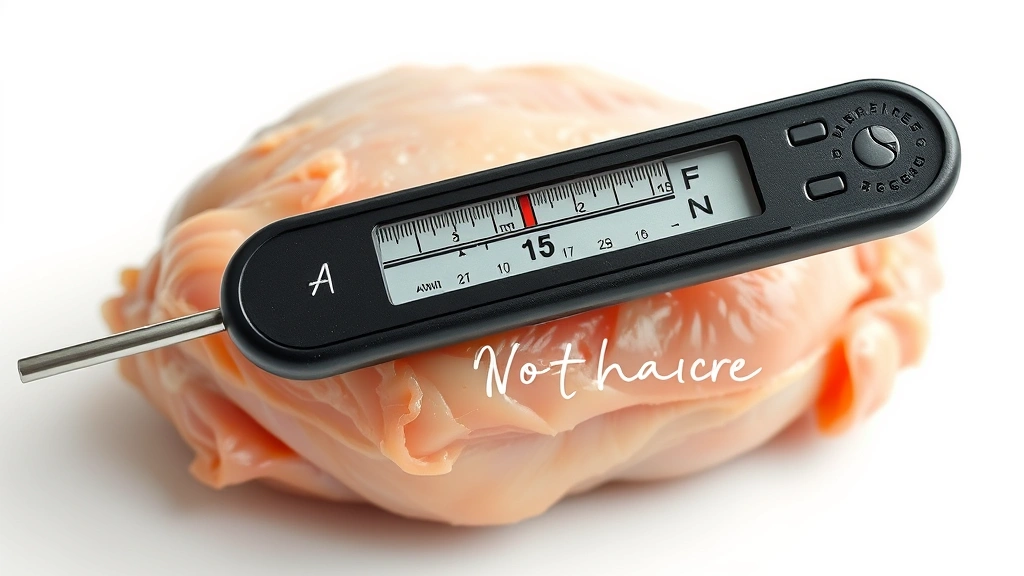
Temperature is final authority: Don’t rely on appearance or cooking time. Get a meat thermometer—they’re cheap and absolutely worth it. Chicken is safe at 165°F internal temperature. That’s your target, every time.
Refrigerator hygiene: Keep your fridge at 40°F or below. Use an appliance thermometer to verify. A warm fridge is a bacteria incubator.
Refreeze safely: Chicken thawed in the refrigerator can be refrozen if you haven’t cooked it yet. Chicken thawed in cold water or the microwave should be cooked before refreezing. This is about limiting bacterial growth cycles.
These aren’t overcomplicated rules. They’re the difference between “I cooked chicken safely” and “I cooked chicken and everyone got sick.” Choose the first one.
Frequently Asked Questions
Can I thaw chicken in hot water?
No. Hot water speeds up thawing on the outside while potentially cooking the surface and creating ideal conditions for bacteria. Stick with cold water or the refrigerator. Those are your safe options.
How long does thawed chicken last in the fridge?
Once thawed, chicken stays safe for 1-2 days in the refrigerator at 40°F or below. After that, cook it or freeze it again. Don’t leave it sitting around hoping it’ll be fine.
Can I thaw chicken in the sink without a bag?
Not ideally. Without a bag, water gets inside the chicken and you lose flavor into the water. Plus, loose chicken in a sink is a cross-contamination risk. Use a bag or bowl. If you’re making broth, loose thawing is fine—you’re using that liquid anyway.
Is it safe to cook partially thawed chicken?
It’s safe if you reach 165°F throughout, but the results are inconsistent. Some parts cook faster than others, leading to dry edges and potentially undercooked centers if you’re not careful. Full thawing or cooking from frozen are better approaches.
What if I forgot to thaw my chicken?
Cook it from frozen. It’ll take 50% longer, but it’s completely safe. Use a meat thermometer to ensure it reaches 165°F. Or use the cold water method—1-2 hours with water changes every 30 minutes gets you thawed and ready to cook.
Can I thaw chicken in the oven?
No. The oven is for cooking, not thawing. You’ll cook the outside before the inside thaws, creating food safety and texture problems. Use refrigerator or cold water methods.
Bottom line: Plan ahead and use your refrigerator—it’s the most reliable method. When you’re in a rush, cold water with regular changes works fast and stays safe. Never use room temperature, never use hot water, and always verify doneness with a meat thermometer. These simple rules keep your family safe and your chicken tasting great. For more kitchen wisdom, check out our buttermilk cornbread recipe or explore dirty rice recipes for sides that pair perfectly with properly thawed chicken. And if you’re planning a full meal, our American chop suey recipe offers another great option for using thawed chicken.


