
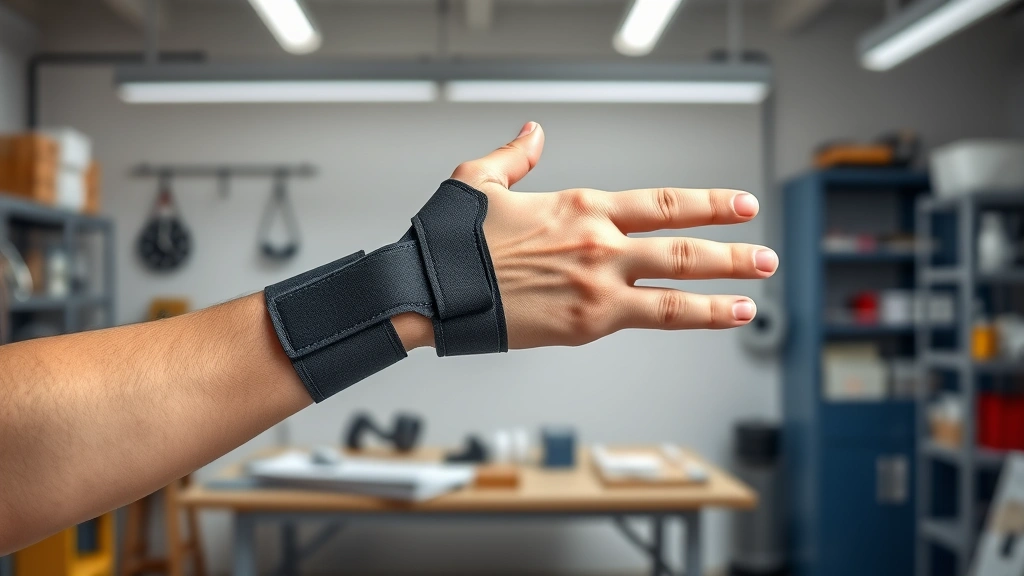
So you’ve tweaked your wrist and now you’re wondering how long does a sprained wrist take to heal—and more importantly, when you can get back to normal life. The honest answer? It depends on how badly you’ve hurt it. Whether you’re dealing with a mild stretch or a serious ligament tear, understanding the healing timeline helps you set realistic expectations and avoid re-injury.
Table of Contents
Understanding Wrist Sprain Grades
Before you can figure out your healing timeline, you need to know what grade of sprain you’re dealing with. Doctors classify wrist sprains into three categories based on ligament damage severity. Think of it like the difference between a loose connection and a completely severed one—the damage level determines everything that comes next.
Grade 1 sprains involve microscopic tears in the ligaments. Grade 2 means partial tears with some functional loss. Grade 3 is a complete ligament rupture, sometimes requiring surgery. Most people fall into the Grade 1 or 2 category, and that’s where you’ll find the fastest healing times.
Mild Sprains: The Quick Fix
A Grade 1 wrist sprain—the mildest type—typically heals in 2 to 4 weeks. You’ll notice some swelling and tenderness, but you can usually move your wrist without severe pain. This is the “I rolled my wrist weird” scenario that most people experience.
The key during this period is following RICE protocol: Rest, Ice, Compression, and Elevation. Wear a simple wrist wrap or brace to prevent re-injury, and avoid activities that aggravate the pain. Many people return to light activities within 1 to 2 weeks, though complete healing takes longer. Your body needs time to rebuild those tiny torn fibers, even if you feel better quickly.
Moderate Sprains: The Waiting Game
Grade 2 sprains are trickier and take longer—typically 4 to 12 weeks for substantial healing. You’ll have noticeable swelling, significant pain with movement, and some loss of function. This is where patience becomes your best tool because pushing too hard too fast guarantees setbacks.
The first 2 weeks are critical. You’ll likely need a more supportive brace or even a cast to keep the wrist stable while the partially torn ligaments begin knitting back together. After that initial phase, gentle movement helps—but only as tolerated. Physical therapy usually starts around week 2 or 3, focusing on regaining range of motion without stressing the healing ligaments. Full strength and stability return gradually over the remaining weeks.
Severe Sprains: Long-Term Recovery
Grade 3 sprains—complete ligament tears—are a different beast entirely. Healing can take 12 weeks to 6 months or longer, and some require surgical repair. You’ll have severe pain, massive swelling, and essentially no wrist function immediately after injury. Many people need immobilization in a cast for 4 to 6 weeks before rehab even begins.
If surgery is involved, add another 2 to 4 weeks for post-operative recovery before starting physical therapy. Even after you’re cleared for activity, regaining full strength and confidence takes months. The good news? With proper treatment, most Grade 3 sprains do heal completely, though it requires real commitment to the rehab process.
Why First Aid Matters
Here’s something most people don’t realize: what you do in the first 48 hours significantly impacts your total healing time. Proper immediate care can cut weeks off your recovery, while poor handling can extend it. This isn’t just theory—it’s how soft tissue healing actually works at the cellular level.
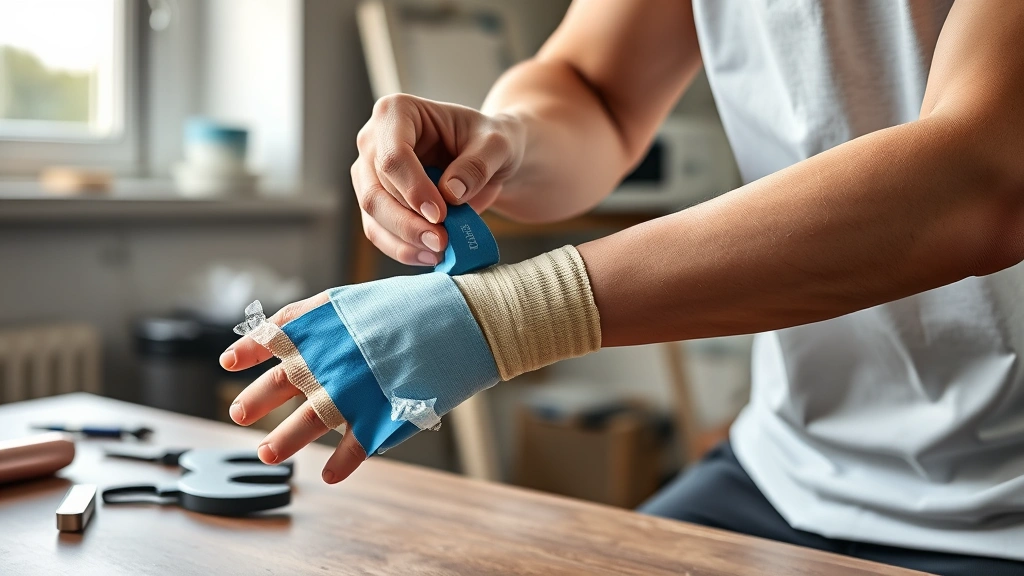
Apply ice for 15 to 20 minutes every 2 to 3 hours during the first 48 hours to reduce inflammation. Wrap it snugly (but not so tight you cut off circulation) to provide compression. Keep your wrist elevated above heart level whenever possible. Skip the heat during this acute phase—it increases swelling and delays healing. After 48 hours, you can alternate ice and heat, but ice is still your friend during painful flare-ups. Think of proper first aid as setting yourself up for success rather than fighting an uphill battle.
Rest and Immobilization Basics
Rest doesn’t mean complete inactivity—it means smart activity management. For mild sprains, a simple wrist wrap provides enough support while allowing some movement. For moderate to severe sprains, a more rigid brace or cast is necessary. Your doctor will recommend the right level of immobilization based on your injury grade.
The tricky part is knowing when to stop immobilizing. Too much immobilization causes stiffness and delays recovery. Too little causes re-injury and prolongs healing. Most people stay in a brace for 3 to 6 weeks depending on severity, then transition to less restrictive support as healing progresses. Your wrist will tell you when it’s ready—pain is your guide. If movement causes sharp pain or significant swelling, you’re doing too much.
Physical Therapy and Rehab
Physical therapy typically starts 1 to 3 weeks after injury, depending on severity. Early therapy focuses on gentle range-of-motion exercises to prevent stiffness without stressing healing ligaments. As weeks pass, exercises progress to include resistance and strengthening work. This progression is crucial—your wrist needs time to rebuild before you ask it to handle load.
A typical PT timeline looks like this: Weeks 1-2 focus on pain management and gentle movement. Weeks 3-6 introduce light resistance and proprioceptive training (teaching your wrist where it is in space). Weeks 6-12 involve progressive strengthening and functional training to restore normal activities. Some people need therapy for 3 to 4 months for complete recovery, especially with moderate to severe sprains. Consistency matters more than intensity—showing up for PT three times a week beats sporadic aggressive sessions.
Getting Back to Your Routine
The urge to “test” your wrist by returning to normal activities too quickly is real, and it’s a major reason people experience prolonged healing. Your wrist might feel better before it’s actually healed, and pushing too hard at that stage causes re-injury and starts the clock over.
Light activities like typing and eating usually resume within 1 to 2 weeks for mild sprains. More demanding tasks—like gripping, lifting, or sports—take longer. Most people can return to full activities around 6 to 12 weeks for Grade 1 sprains and 12+ weeks for Grade 2 sprains. Grade 3 sprains require 6 months or more before returning to high-demand activities. Your physical therapist will give you the green light for each activity level. Trust that timeline rather than your optimism about how good your wrist feels.
Mistakes That Slow Healing
People make predictable mistakes that extend healing time unnecessarily. The biggest one? Returning to activity too quickly because the wrist “feels better.” Pain reduction doesn’t equal healing completion. Ligaments are still rebuilding even when swelling goes down and acute pain fades.
Other common mistakes include: skipping ice too early, removing the brace before the ligaments are stable, ignoring physical therapy, pushing through pain instead of respecting it, and using the wrist for heavy activities before getting clearance. One more: many people don’t bother with proper follow-up care and wonder why their wrist remains weak or unstable months later. Wrist sprains are deceptive—they feel like minor injuries but require serious attention to heal properly.

Frequently Asked Questions
Can a sprained wrist heal without a brace?
Mild sprains might heal without a brace if you’re extremely disciplined about rest and activity modification. However, a brace significantly reduces re-injury risk and supports proper healing. Most doctors recommend at least some bracing, especially for moderate and severe sprains. The brace isn’t punishment—it’s injury insurance.
Is my sprain still healing after 8 weeks?
Absolutely. Depending on severity, healing continues well beyond 8 weeks. Ligaments rebuild slowly, and full strength restoration takes months. You might feel nearly normal at 8 weeks, but the ligaments are still strengthening. This is why gradual activity progression matters—you’re building strength into tissues that are still in active repair mode.
When should I see a doctor for a wrist sprain?
See a doctor if you have severe pain, significant swelling, visible deformity, numbness or tingling, or if your wrist doesn’t improve after 48 hours of home care. You should also get imaging (X-ray or MRI) to rule out fractures and confirm the sprain grade. A professional diagnosis helps you understand your specific timeline and recovery needs rather than guessing based on general information.
Can I speed up wrist sprain healing?
You can optimize healing by following proper protocols: immediate ice and compression, appropriate immobilization, consistent physical therapy, and adequate nutrition. Some people benefit from anti-inflammatory medications during the acute phase. However, you can’t rush ligament healing—it follows a biological timeline. Your best strategy is avoiding setbacks rather than accelerating the process.
Will my wrist be weak after healing?
Not if you complete proper rehab. Many people feel weakness after healing because they didn’t do comprehensive physical therapy or returned to activity too quickly. Your wrist needs specific strengthening exercises to rebuild full functional capacity. With proper rehab, most people regain complete strength and stability, though it takes time and consistent effort.
What’s the difference between a sprain and a strain?
Sprains involve ligament damage (the connective tissue between bones), while strains involve muscle or tendon damage. Both follow similar healing timelines and treatment protocols, but sprains typically take longer because ligament tissue heals more slowly than muscle. The good news: both respond well to proper rest, therapy, and gradual return to activity.
Final Thoughts on Wrist Sprain Healing
So, how long does a sprained wrist take to heal? The answer ranges from 2 to 4 weeks for mild sprains, 4 to 12 weeks for moderate sprains, and 12 weeks to 6 months for severe sprains. But the real answer is: as long as it takes to rebuild your ligaments properly. Rushing the process just means you’ll be dealing with the injury longer.
The key is respecting the healing timeline, following proper protocols in the first critical days, doing your physical therapy consistently, and resisting the urge to return to normal activities too quickly. Your wrist is complex—it needs careful attention to heal fully. Treat it right now, and you’ll have a strong, stable wrist for years to come. Ignore the healing process, and you might be dealing with chronic instability and re-injury for much longer. The choice is yours, but the biology is non-negotiable.
For more information on recovery timelines and medical guidance, check out resources from Family Handyman, consult your physician, or visit your local urgent care clinic for professional evaluation. You might also find it helpful to understand how long does it take for semaglutide to suppress appetite if you’re managing inflammation through dietary changes, and learning how to use a diffuser with essential oils can support relaxation during recovery. Even simple tasks like how to keep apple slices from turning brown become easier when you’re managing a wrist injury and need convenient nutrition options.


