
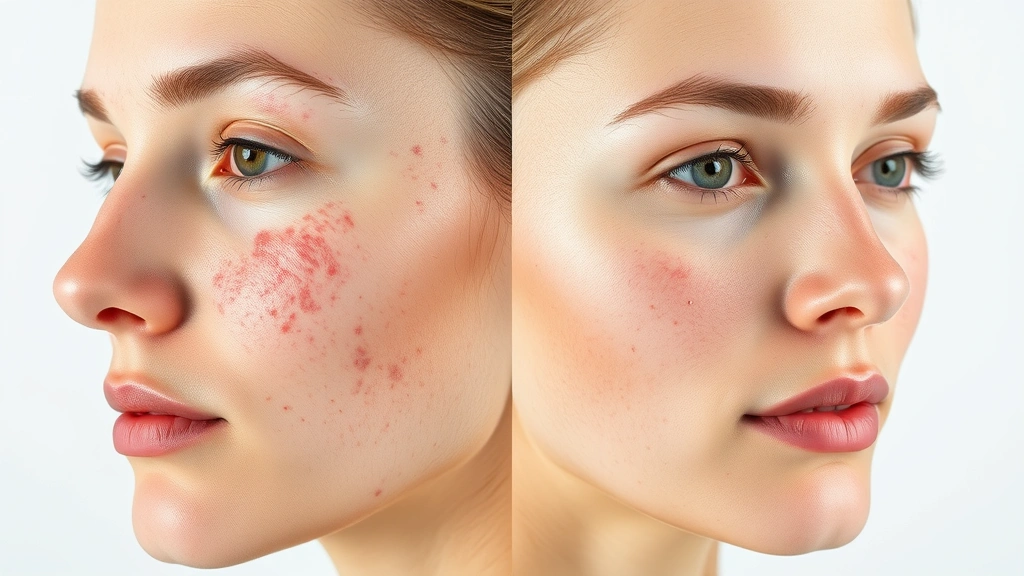
If you’re asking how long does Accutane take to work, you’re probably dealing with severe acne and ready for real answers—not pharmaceutical jargon. Here’s the straight talk: Accutane typically starts showing visible improvements within 2-3 months, but the full transformation takes 4-6 months for most people. Some folks see dramatic results even faster, while others need the full course. The catch? It’s a commitment, and understanding the timeline helps you stay patient when your skin is still fighting back in month two.
Table of Contents
First Month: What to Expect
Week one on Accutane feels like starting any new medication—nothing dramatic happens immediately. Your skin might actually get worse before it gets better, a phenomenon called the “initial breakout.” This happens because the drug is purging dead skin cells and pushing bacteria to the surface. It’s frustrating, but it’s actually a sign the medication is working at the cellular level.
During this first month, you’ll likely experience increased dryness, especially around the lips and eyes. Your dermatologist will have you on a low starting dose—typically 0.5-1 mg per kilogram of body weight daily. This ramp-up period is crucial because it lets your body adjust while your doctor monitors for side effects. Most people don’t see meaningful acne improvement yet, but that’s completely normal. Think of it like priming a surface before painting—the real work comes next.
Months 2-3: The Breakthrough Phase
This is where things get interesting. By month two, many patients notice their acne is no longer getting worse, and some see actual improvement. New pimples slow down significantly. Your skin starts looking clearer, though you might still have some active lesions and residual marks. The dryness intensifies—your lips become noticeably chapped, and you’ll be applying lip balm constantly.
Month three is often the turning point. This is when cumulative dose starts working in your favor. If you’ve been consistent with your medication and maintaining the required dose, you should see substantial improvement. Many people report that their skin looks 50-70% clearer by this point. The acne that seemed permanent is finally retreating. Your dermatologist will likely increase your dose during these months if your body is tolerating it well, pushing toward that cumulative target.
Months 4-6: Full Transformation
By month four, most patients are seeing dramatic results. Active acne is minimal or completely gone. The focus shifts from fighting new breakouts to dealing with post-inflammatory hyperpigmentation and scarring—marks left behind by the acne itself. Your skin texture improves noticeably, and that tight, inflamed feeling disappears.
Months five and six represent the home stretch for many people. If you’ve been on a standard dose throughout, you’re likely approaching or at your cumulative dose target (usually 120-150 mg/kg of body weight). The skin is now mostly clear, and any remaining issues are cosmetic rather than active acne. Some patients finish their course here, while others continue if they haven’t hit the cumulative target yet or if their dermatologist recommends extended treatment.
Why Cumulative Dose Matters Most
Here’s the critical thing nobody emphasizes enough: it’s not about calendar time—it’s about cumulative dose. Two people starting Accutane on the same day might finish at completely different times depending on their dosing schedule. Someone on a higher dose reaches the target faster. Someone on a lower dose (due to side effects or body weight) takes longer.
The FDA recommends a cumulative dose of 120-150 mg/kg as the target for clearing severe acne. If you weigh 70 kg (154 lbs), that’s roughly 8,400-10,500 mg total. At 40 mg daily, you’d hit that in 210-262 days. At 60 mg daily, you’d get there in 140-175 days. This is why your dermatologist isn’t just counting months—they’re calculating your cumulative exposure. Higher cumulative doses also correlate with lower relapse rates, which is why hitting that target matters.
Individual Variation & Key Factors
Not everyone follows the textbook timeline. Several factors influence how quickly Accutane works for you specifically. Your body weight matters—lighter individuals reach cumulative dose targets faster on the same milligram dose. Acne severity plays a role too; severe nodular acne sometimes responds more dramatically than moderate inflammatory acne, even though it takes longer to completely clear.
Age is another variable. Teenagers sometimes see faster clearance than adults, though this isn’t universal. Your liver function, which your doctor monitors through regular blood tests, affects how efficiently your body processes the medication. Genetics matter too—if your parents had severe acne, yours might be more stubborn. Hormonal factors in women can influence response rates. And honestly, stress, diet, and sleep quality during treatment can subtly affect outcomes, though Accutane does the heavy lifting regardless.
Side Effects Timeline
Side effects don’t wait for month four to show up. Dryness starts within the first 1-2 weeks. Lip chapping becomes noticeable by week two or three—this is universal and manageable with heavy-duty lip balm. Dry eyes typically appear by week two as well, and if you wear contacts, you might need to switch to glasses during treatment.
Joint and muscle aches can start anytime from week two onward, especially if you exercise heavily. Headaches are common in the first month. Mood changes or depression can emerge at any point, which is why monthly check-ins with your dermatologist are mandatory. Most side effects plateau around month two and become manageable with proper care—moisturizer, lip balm, eye drops, and potentially pain management. The important thing: these side effects are temporary and reversible, unlike the acne scarring you’re preventing.
Post-Treatment Results & Maintenance
Once you finish your Accutane course, the results are remarkably durable. Most people maintain clear skin for years. Studies show that 70-80% of patients experience long-term remission or significant improvement. Some people never get severe acne again. Others might get occasional breakouts, but nothing like before treatment.
Post-treatment skin care matters. Your skin remains sensitive for several months after finishing. You’ll need to continue using gentle cleansers, strong moisturizers, and daily sunscreen (Accutane increases sun sensitivity). Retinoids should be reintroduced gradually after treatment ends, not immediately. Some dermatologists recommend waiting 3-6 months before resuming other acne treatments. The skin barrier takes time to fully normalize, so patience in the post-treatment phase is just as important as during it.
When to Expect Relapse Risk
Relapse—return of significant acne—happens in 10-20% of patients, usually within 1-2 years after finishing treatment. If relapse occurs, a second course of Accutane is an option, though many dermatologists try other treatments first. The good news: people who relapse typically respond well to a second course, and some don’t relapse again.
Factors that increase relapse risk include finishing treatment before hitting the full cumulative dose target, being male (men relapse slightly more often than women), and having very severe acne initially. If you do relapse, it’s usually milder than the original acne, and your skin remembers the treatment—meaning a second round often works faster.
Frequently Asked Questions
Can Accutane work faster if I take a higher dose?
Not necessarily faster in real time, but yes in cumulative dose terms. Higher doses reach the target cumulative amount sooner, which can reduce overall treatment duration. However, higher doses increase side effects significantly. Your dermatologist balances efficacy against tolerability—pushing too hard might force a dose reduction anyway, negating the speed advantage.
What if I don’t see results by month three?
Three months is still early. Some people don’t see major improvement until month four or five. If you’re seeing any reduction in new breakouts or any improvement in skin texture, the drug is working. If you’re seeing absolutely nothing by month four, discuss it with your dermatologist—dose adjustments or underlying issues might need addressing.
Does Accutane work better for certain acne types?
Yes. Severe nodular and cystic acne responds dramatically. Moderate inflammatory acne responds well. Mild acne might clear faster in terms of calendar time, but Accutane is typically reserved for severe cases anyway. Hormonal acne in women can be trickier and sometimes requires longer treatment.
Can I stop early if my skin clears?
Not recommended. Even if your skin looks clear at month three, stopping before reaching cumulative dose dramatically increases relapse risk. Your dermatologist will advise finishing the full course. The goal isn’t just clear skin—it’s long-term remission, which requires hitting that cumulative target.
How long after finishing do results stabilize?
Your skin continues improving for 1-2 months after your last dose. The full picture of your results becomes clear around month two post-treatment. Marks and scars fade over the following 6-12 months as your skin completely normalizes.
The Bottom Line: How long does Accutane take to work depends on your cumulative dose, not just calendar months. Expect visible improvement by month 2-3, substantial clearing by month 4-5, and complete results by month 6-8 for most people. The timeline is individual, but the transformation is real and typically lasts for years. Stay consistent, follow your dermatologist’s monitoring schedule, and remember that the temporary side effects are worth the permanent improvement in your skin and confidence.


