
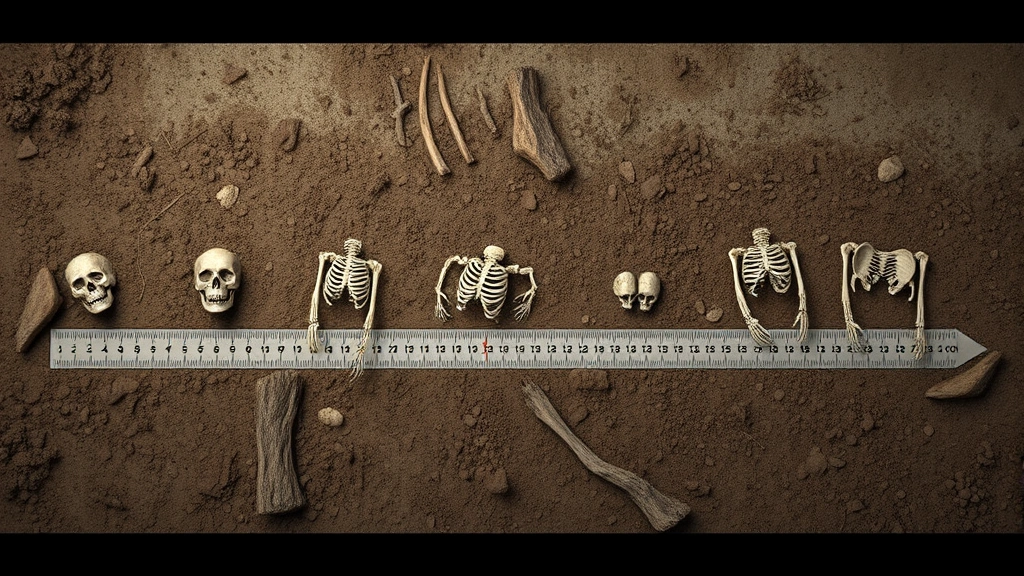
If you’re wondering how long do it take a body to decompose, you’re likely dealing with a forensic question, estate planning concern, or simple curiosity about natural processes. The answer isn’t straightforward—decomposition timelines vary wildly depending on environment, burial conditions, temperature, and dozens of other factors. This guide breaks down the science behind body decomposition in practical, no-nonsense terms.
Table of Contents
Decomposition Basics Explained
Decomposition is the natural breakdown of organic matter after death. Your body is roughly 60% water and packed with bacteria that immediately start consuming tissues once your heart stops. Within minutes, bacterial colonies that were harmless in life become aggressive decomposers. This isn’t gruesome—it’s just chemistry and biology doing their thing.
The process involves two main mechanisms: autolysis (self-digestion by your own enzymes) and putrefaction (bacterial breakdown). These happen simultaneously, and the speed depends entirely on conditions. A body in a freezer might take years to show significant decomposition, while one exposed to heat and insects could skeletonize in weeks.
Early Stage: Algor Mortis
The first hours after death are critical for understanding timelines. Algor mortis is when your body temperature drops to match the environment. This typically takes 8-12 hours in moderate conditions. Your skin may show pallor mortis (paleness) and livor mortis (purple-red discoloration where blood pools).
During this window, bacteria haven’t yet caused visible changes, but they’re multiplying exponentially. Rigor mortis—muscle stiffening—peaks around 12 hours and then gradually disappears. This early phase is crucial for forensic investigators, which is why understanding how to obtain a police report matters if you’re dealing with suspicious circumstances.
Bloat and Discoloration Phase
By day 2-3, the bloat phase begins. Bacterial gas accumulation causes the abdomen to swell dramatically. You’ll notice greenish discoloration starting around the lower abdomen, spreading outward as bacteria produce hydrogen sulfide and other gases. This is when decomposition becomes visually obvious.
Skin blisters form as gas separates the epidermis from underlying tissue. The body can double in size during this phase. In warm conditions (70-80°F), this happens faster. In cool conditions (50-60°F), it might take a week or longer. This phase typically lasts 3-7 days in moderate temperatures.
Active Decay: The Main Event
Active decay is the heavy-lifting phase where the body loses the most mass. This usually spans days 4-12 in warm conditions, but can extend 2-3 weeks in cooler climates. Tissues liquefy, organs collapse, and if the body is exposed to insects, maggots consume soft tissue at an accelerated rate.
Maggots are nature’s cleanup crew. A single fly can lay hundreds of eggs, and larvae can consume 60% of a body’s soft tissue in just 7-10 days under ideal conditions. Without insect activity (like in sealed caskets or cold environments), this phase takes significantly longer. The smell during active decay is intense—bacteria produce volatile organic compounds that can be detected from hundreds of feet away.
Advanced Decomposition Stages
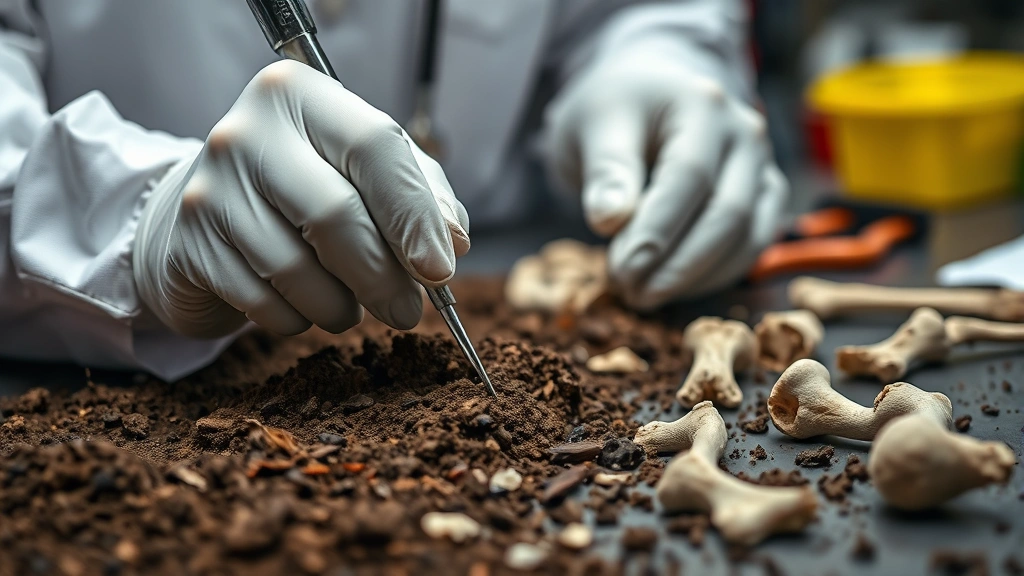
Advanced decay follows active decay. By week 3-4, most soft tissue is gone if insects were present. Skin darkens and becomes leather-like. Bones begin to show. In buried bodies without insect access, this phase can last months or even years.
Skeletonization—the final stage—occurs when all soft tissue is gone and only bones remain. In optimal conditions (warm, moist, with insect activity), this can happen in 3-4 weeks. In buried, cool conditions, it might take 5-10 years. In some cases, bones can persist for decades or centuries.
Environmental Factors Matter Most
Temperature is the single biggest variable. The general rule: decomposition roughly doubles in speed for every 10°C (18°F) increase in temperature. A body at 70°F decomposes twice as fast as one at 50°F. This is why forensic anthropologists use accumulated degree days (ADD)—a calculation combining temperature and time—to estimate post-mortem intervals.
Humidity also plays a role. Damp conditions accelerate bacterial growth, while extremely dry conditions can mummify a body, essentially pausing decomposition. A body in a desert might remain relatively intact for years. One in a swamp might skeletonize in weeks.
Buried vs. Exposed Bodies
Burial dramatically slows decomposition. Buried bodies decompose 8 times slower than exposed ones because they lack insect access and oxygen. A body in a sealed casket in cool soil might take 10-12 years to skeletonize, while an exposed body in warm conditions takes 3-4 weeks.
Exposed bodies face accelerated decomposition from insects, scavengers, and weather. Soft tissue is consumed rapidly. In forests, scavengers (raccoons, coyotes, vultures) scatter bones. In water, aquatic insects and fish accelerate the process, though bones can sink and be preserved for decades.
Temperature and Humidity Effects
Let’s get specific. In ideal decomposition conditions—warm (75-85°F), moist, exposed to insects—a body skeletonizes in 2-4 weeks. In moderate conditions (60-70°F, buried)—expect 1-3 years. In cool conditions (40-50°F, buried)—3-10 years. In very cold conditions (freezing or below)—decomposition nearly stops, potentially preserving remains for decades.
Humidity matters because bacteria need moisture. A wet body decomposes faster than a dry one. This is why bodies in water decompose differently than those in air—they’re constantly bathed in moisture, but lack insect activity, creating competing factors. Generally, water bodies extend the timeline compared to warm, exposed conditions, but shorten it compared to dry burial.
What Forensic Experts Look For
Forensic anthropologists and pathologists use decomposition stages to estimate time since death. They examine skin slippage, bone color changes, and insect activity. Maggot development rates are particularly useful—entomologists can identify fly species and estimate larval age, pinpointing death within days.
Bone changes help with longer timelines. Fresh bone is yellowish-white. As it ages, it darkens to brown or black due to staining and mineral changes. Cracking patterns develop over years. These observations, combined with environmental data and historical records, help establish post-mortem intervals—crucial information for investigations and legal proceedings.
Frequently Asked Questions
How long does a body take to decompose in a coffin?
In a sealed casket buried in cool soil, a body typically takes 10-12 years to skeletonize. In warmer climates, 5-8 years. The sealed environment prevents insect access, dramatically slowing the process. Soil temperature and moisture are the main variables.
What speeds up body decomposition?
Warm temperature (75-85°F), high humidity, exposure to insects (especially blowflies and their maggots), and exposure to air all dramatically speed decomposition. Bodies in warm, moist, exposed conditions skeletonize in 2-4 weeks. Burial, cold, and dry conditions slow it significantly.
Can a body decompose in water?
Yes, but differently. Water bodies lack insect activity, which slows soft tissue decomposition compared to exposed bodies. However, aquatic organisms (fish, crustaceans, bacteria) consume tissue, and constant moisture accelerates bacterial activity. Timelines vary widely—2-3 months to several years depending on water temperature and depth.
How do forensic experts estimate time of death?
They examine decomposition stage, body temperature, rigor mortis, livor mortis, skin changes, insect activity, and bone conditions. They calculate accumulated degree days using temperature data. They identify fly species and maggot age. Stomach contents and other factors provide additional clues. The estimate narrows with more data points.
Does embalming prevent decomposition?
Embalming significantly slows decomposition by replacing blood with preservative chemicals and removing organs. An embalmed body in a casket might remain relatively intact for 10-20 years, compared to 10-12 years for an unembalmed body. However, decomposition still occurs—it’s just delayed.
What’s the difference between mummification and normal decomposition?
Mummification occurs in dry, cool conditions where moisture is removed faster than bacteria can work. Bodies naturally mummify in deserts, high altitudes, or very dry environments. The skin becomes leather-like, and decomposition essentially pauses. A mummified body can remain relatively intact for centuries or millennia.


