
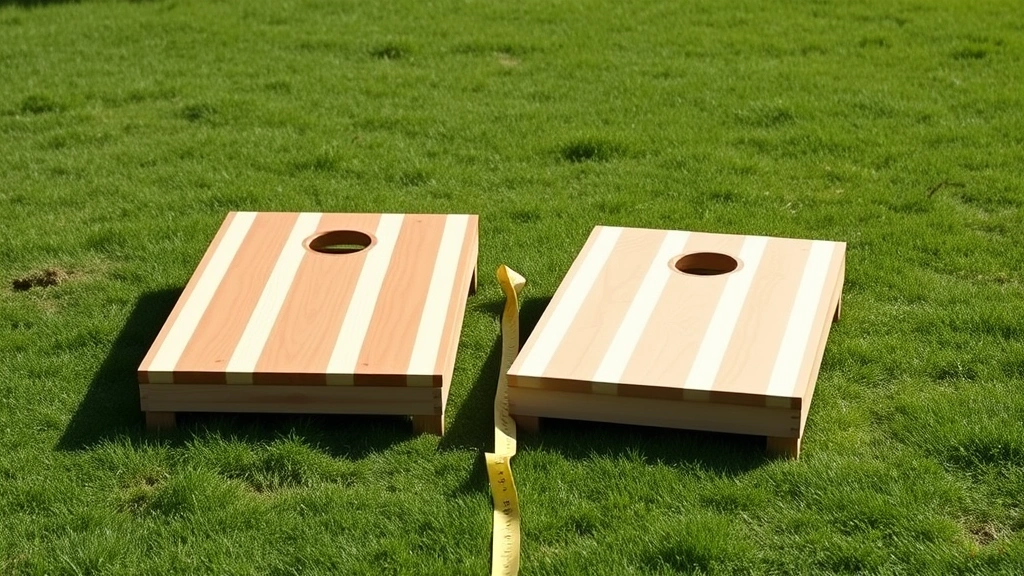
If you’re setting up cornhole in your backyard or at a tailgate, how far are cornhole boards supposed to be apart is the first question you need to answer. Get this wrong, and your game feels off—either too cramped or awkwardly stretched out. The official distance is 27 feet between the front edges of the boards, and that’s the standard you’ll find in tournament play, casual leagues, and serious backyard setups.
Table of Contents
Official Tournament Distance
The Professional Cornhole League and American Cornhole Organization both mandate 27 feet as the regulation distance. This measurement runs from the front edge of one board to the front edge of the opposite board. Not the back edges, not the center—the front edges. This is crucial because if you measure from the wrong spot, your entire game feels wrong.
Why 27 feet? It’s the distance that balances skill, strategy, and accessibility. Close enough that casual players can enjoy the game without needing a cannon arm, but far enough that accuracy and technique actually matter. At this distance, a good toss requires finesse, not just strength.
If you’re planning to host league play or want your setup to match tournament standards, 27 feet is non-negotiable. Mark it out with chalk, measure with a tape measure, and double-check before your first game.
Measuring Your Setup Correctly
Here’s where most people mess up: they measure from the wrong reference points. Grab a 30-foot tape measure (you’ll need the extra length for setup). Position one board on your playing surface. Now measure from the front edge—the edge closest to where players will stand—straight across to where the front edge of the second board will be. That’s your 27 feet.
The boards themselves are 2 feet long, so if you measure 27 feet between the front edges, the back edges will be 29 feet apart. Keep this in mind when you’re laying out your space. Mark both positions with tape or chalk before you set the boards down permanently.
Pro tip: Measure twice, set up once. Use a string or chalk line to create a visual guide. This helps you align both boards perfectly parallel to each other, which is just as important as the distance between them.
Casual Play Variations
Playing with friends in the backyard? You’ve got flexibility. Many casual players use 20 feet for a more relaxed, social game—especially if you’re mixing skill levels or playing with kids. This distance is forgiving without being trivial.
Some backyard enthusiasts go with 15 feet for pure fun and laughs, where the focus is entertainment over competition. There’s nothing wrong with this if everyone agrees beforehand. Just communicate the distance to all players so nobody’s surprised mid-game.
The key rule: pick a distance, stick with it for the entire game, and make sure all players know what you’re playing before you start tossing bags.
Board Positioning and Alignment
Distance is only half the battle. Your boards need to be perfectly parallel and level. Uneven ground is the enemy of fair play. If one board sits higher or at an angle, bags will roll differently, and the game becomes frustrating rather than fun.
Set up your boards on flat, level ground. If your yard slopes, pick the flattest section available. Use a level tool to check both the length and width of each board. Each board should sit at the same height as its opposite—measure the legs if you’re using adjustable ones.
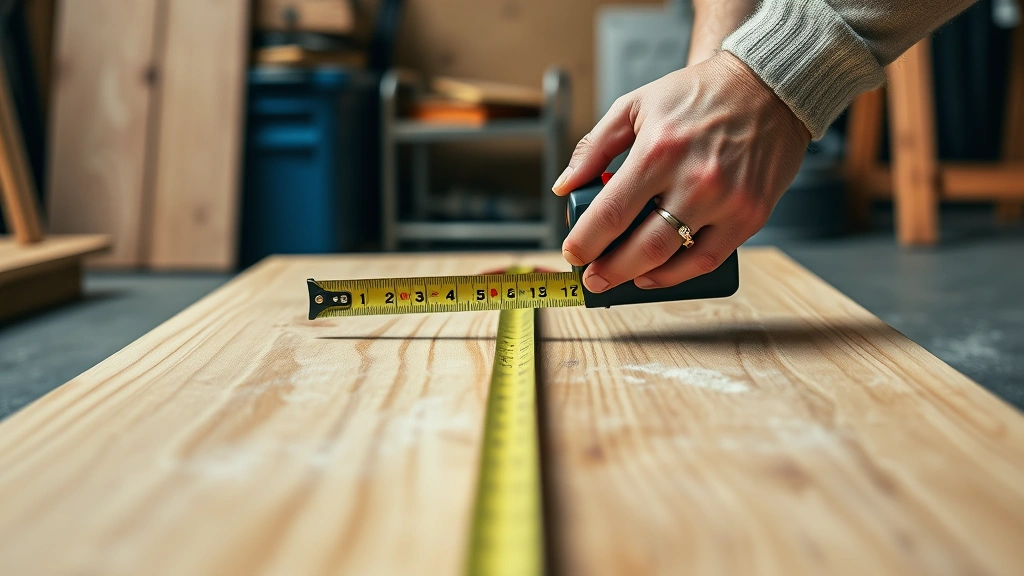
Align the boards so they’re facing each other directly. Use a string or chalk line to ensure they’re parallel. Poor alignment throws off the entire playing experience and makes scoring feel inconsistent.
Space Requirements Beyond Distance
You need more space than just the 27 feet between boards. Players need standing room behind each board to toss safely. Plan for at least 2-3 feet of space behind each board for the throwing area. This gives players enough room to step forward and release the bag without crowding.
On the sides, leave at least 1-2 feet of clearance on each side of the boards to prevent bags from going wild and hitting bystanders. If you’re setting up in a tight space—like a small patio—you can reduce this slightly, but don’t sacrifice safety for convenience.
The total footprint you need is roughly 27 feet long and 8-10 feet wide to play comfortably and safely. Measure your space before you commit to a setup location.
Beginner-Friendly Adjustments
If you’re teaching new players or playing with younger kids, don’t hesitate to adjust the distance. Starting at 15-20 feet builds confidence and keeps the game fun. As players improve, gradually increase the distance toward the official 27 feet.
This progressive approach keeps everyone engaged. Nobody wants to spend an hour missing every toss. Once people start making bags consistently, they’re hooked, and that’s when you can suggest moving to regulation distance.
You might also consider lowering the board slightly or increasing the hole size for beginners, though this is less common than distance adjustments.
Common Setup Mistakes
The most frequent error? Measuring from the center of the boards instead of the front edges. This creates a distance that’s too short and throws off the entire game feel.
Another common mistake: setting boards at different heights. One board slightly elevated changes how bags land and bounce. Check your setup with a level before you start playing.
Players also sometimes forget to account for the board’s length when planning their space. If you need 27 feet between front edges and each board is 2 feet long, you need at least 29 feet of actual space. Failing to account for this creates a cramped, awkward setup.
Finally, don’t underestimate the importance of parallel alignment. Boards angled toward each other or away from each other create an unfair playing field. Take the extra minute to get this right.
Frequently Asked Questions
What’s the official cornhole board distance?
The official distance is 27 feet measured from the front edge of one board to the front edge of the opposite board. This is the standard for tournament play and serious competitive games.
Can I play cornhole at a shorter distance?
Absolutely. For casual backyard play, 15-20 feet is common and perfectly acceptable. Just make sure all players agree on the distance before you start. Many people use 20 feet for a balanced, fun experience that’s not overly challenging.
How do I measure 27 feet accurately?
Use a tape measure and measure from the front edge of one board to the front edge of the other board. Mark the positions with chalk or tape first, then place your boards. Double-check your measurement before playing.
Do the boards need to be perfectly level?
Yes. Uneven boards cause bags to roll unpredictably and make the game feel unfair. Use a level tool to ensure both boards sit at the same height and are flat along their length and width.
What if my yard isn’t flat?
Choose the flattest section of your yard available. If you have slight slopes, try to position the boards so they’re both on similar terrain. Adjustable-leg boards can help compensate for minor unevenness.
How much total space do I need?
Plan for approximately 27 feet of length (between boards) plus 2-3 feet behind each board for throwing space, plus 1-2 feet on each side for safety. Total footprint: roughly 27 feet long and 8-10 feet wide.
Is there a minimum distance for casual play?
Not really. Some people play at 10-12 feet for pure fun, especially with young kids. The shorter the distance, the easier the game—just make sure everyone knows the rules before you start.
Final Thoughts
Setting up cornhole correctly takes just a few minutes but makes a huge difference in how the game plays. 27 feet is your target for official play, but don’t stress if you go shorter for casual games. The most important thing is that everyone agrees on the distance and the boards are level and parallel.
Grab a tape measure, mark your spots, and get ready to play. Once you’ve got the distance right, the rest is just good tosses and friendly competition. If you’re looking to improve your game further, understanding precision and technique in other activities can actually help with cornhole strategy and consistency.
Whether you’re hosting a backyard tournament or just throwing bags with friends, proper setup ensures everyone has a fair, fun experience. Now get out there and start tossing.


