
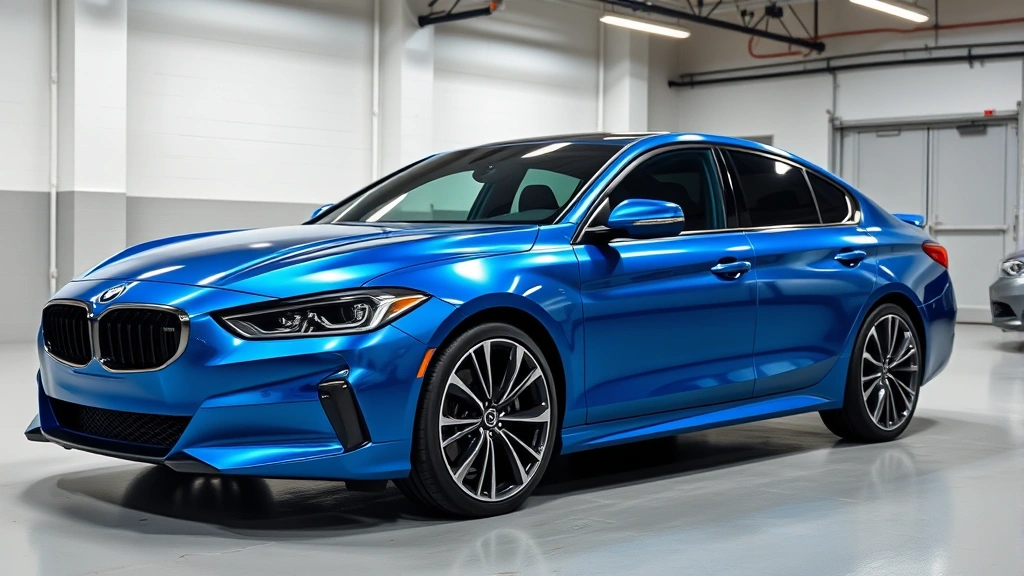
So you’re wondering how expensive is it to wrap a car—and honestly, it’s a question that doesn’t have a one-size-fits-all answer. Car wrapping costs can range anywhere from $1,500 to $5,000+ depending on your vehicle size, design complexity, and whether you’re going DIY or hiring a pro. Let me break down exactly what you’ll pay and why prices vary so much.
Table of Contents
The Real Cost Breakdown
When you’re looking at car wrap costs, you’re really paying for three things: materials, labor, and expertise. A professional shop charges $2,500 to $5,000 for a full-body wrap on a sedan, while a compact car might run $1,500 to $3,000. Partial wraps (hood, doors, roof) typically cost $500 to $1,500.
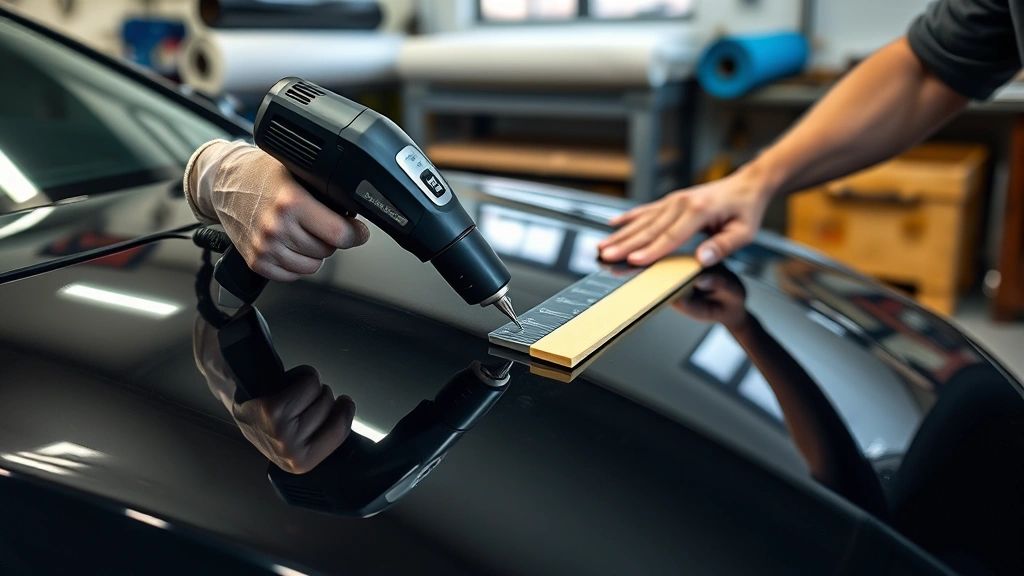
Here’s the thing most people don’t realize—the material itself is only about 30-40% of the total cost. The rest goes to skilled labor, equipment, and proper surface preparation. A quality vinyl wrap isn’t something you slap on like a bumper sticker. It requires precision, heat guns, squeegees, and years of experience to avoid bubbles, wrinkles, and premature peeling.
Budget-friendly shops might quote you $1,200 for a full wrap, but you’re probably getting lower-grade vinyl that’ll look dull in six months. Premium installations with top-tier vinyl (like 3M or Avery) run closer to $4,000-$6,000 because the material lasts longer and looks better.
Vehicle Size Matters Most
Your vehicle’s size is the single biggest price driver. A compact sedan needs roughly 40-50 square feet of vinyl, while a full-size truck or SUV might need 80-100+ square feet. That’s literally double the material and double the labor hours.
Here’s a quick pricing guide by vehicle type:
- Compact Cars (Civic, Focus): $1,500-$2,500
- Mid-Size Sedans (Accord, Camry): $2,000-$3,500
- Full-Size Sedans (Charger, Taurus): $2,500-$4,000
- SUVs (CR-V, RAV4): $3,000-$4,500
- Full-Size Trucks (F-150, Silverado): $3,500-$5,500
- Luxury Vehicles (BMW, Mercedes): $4,000-$6,000+
Trucks and SUVs cost more because installers need extra time working around roof racks, running boards, and complex body lines. Luxury vehicles sometimes cost extra because they have more curves and custom features that require meticulous work.
DIY vs. Professional Installation
This is where you can save serious cash—or make a costly mistake. A DIY car wrap kit runs $300-$1,200 depending on quality and coverage. You’re basically paying for materials only, which seems like a huge savings. But here’s what catches people off guard:
Professional installers have $5,000-$15,000 in specialized equipment (heat guns, squeegees, pressure washers, cutting tables). They’ve also wrapped hundreds of cars and know how to handle problem areas like door handles, trim gaps, and curved surfaces without creating visible seams or wrinkles.
DIY wrapping typically results in:
- Visible air bubbles that expand over time
- Wrinkles around curves and edges
- Premature peeling at corners and seams
- Uneven color or finish appearance
- Poor adhesion in high-temperature areas
Unless you’re wrapping a small section (like a hood or door) for practice, hiring a pro is worth the investment. The warranty alone—usually 3-5 years on materials and labor—gives you peace of mind that a DIY job won’t.
Material Quality & Types
Not all vinyl wrap is created equal, and material choice directly affects your final price. There are three main categories:
Budget Vinyl ($300-$600): This is basic calendered vinyl from lesser-known manufacturers. It’s thinner, more prone to shrinking in heat, and typically lasts 2-3 years. You’ll notice the finish looks less glossy and colors fade faster. Shops using budget vinyl can charge less upfront, but you’re paying for it later.
Mid-Range Vinyl ($600-$1,200): Brands like Arlon or Hexis fall here. Better durability (4-5 years), richer colors, and more forgiving during installation. Most professional shops use this tier because it balances cost with quality.
Premium Vinyl ($1,200-$2,000+): 3M, Avery, and Oracal premium lines. Cast vinyl construction means better conformability to complex curves, longer lifespan (5-7 years), and superior color retention. If you’re wrapping an expensive car or want it to last, this is the sweet spot.
There’s also specialty vinyl—carbon fiber, matte finishes, color-shift, and textured options—which can add $200-$500 to your total cost because they require more careful handling during installation.
Design Complexity Pricing
A solid-color wrap is the cheapest option. A custom design with multiple colors, gradients, or graphics adds labor time and complexity. Here’s how design affects pricing:
Solid Color: Base price (no upcharge)
Two-Tone or Simple Stripes: +$200-$500
Custom Graphics or Logo: +$500-$1,500
Complex Multi-Color Design: +$1,000-$3,000+
Custom designs require digital mockups, file preparation, and careful vinyl cutting. Some shops charge separately for design work (typically $100-$300), while others roll it into the installation price. If you already have vector artwork ready to go, you might save on design fees.
Prep Work & Hidden Costs
Professional installers spend 2-4 hours prepping your car before the vinyl even touches the paint. This includes washing, clay bar treatment, and drying. Most shops include this in their quote, but some charge extra.
Watch out for these hidden costs:
- Paint Correction: If your car has swirls or scratches, shops might charge $200-$500 to polish first
- PPF Removal: If you’re removing existing paint protection film, add $300-$800
- Trim Removal: Complex vehicles with lots of removable trim might cost extra ($100-$300)
- Protective Coating: Optional ceramic coating over the wrap adds $200-$400 but extends life
- Removal of Old Wrap: If replacing an existing wrap, add $300-$800
Always ask for a detailed quote that specifies what’s included. Some shops bundle everything; others nickel-and-dime you on extras.
Regional Price Variations
Where you live significantly impacts pricing. Major metropolitan areas (Los Angeles, New York, Miami) see higher rates—$3,500-$5,500 for a mid-size sedan. Rural areas or smaller cities might be $2,000-$3,500 for the same job.
This isn’t just about greed. High-cost-of-living areas have higher rent, labor, and overhead. A shop in San Francisco legitimately has higher expenses than one in rural Kansas. That said, you’re also getting more experience and competition in bigger markets, which can actually drive quality up.
Pro tip: Don’t automatically go with the cheapest shop. Check reviews on Google, Yelp, and Instagram. Look at their portfolio photos—can you see the quality of their seams and edges? A shop charging $2,800 with flawless work beats one charging $1,800 with visible bubbles.
Wrap Durability & Lifespan
A quality wrap lasts 3-7 years depending on material, climate, and care. This affects your true cost-per-year. If you spend $3,000 on a wrap that lasts 5 years, you’re paying $600/year. A cheaper $1,500 wrap that fails in 2 years costs $750/year.
Factors that shorten wrap lifespan:
- Intense sun exposure (Arizona, Florida, Southern California)
- Frequent washing with harsh chemicals
- Parking under trees (sap, bird droppings)
- Road salt exposure (winter climates)
- Low-quality installation with poor adhesion
Premium wraps with proper installation in temperate climates can last 7+ years. Budget wraps in harsh sun might peel after 2-3 years. When calculating true cost, factor in how long you plan to keep the wrap and your local climate.
Maintenance & Ongoing Expenses
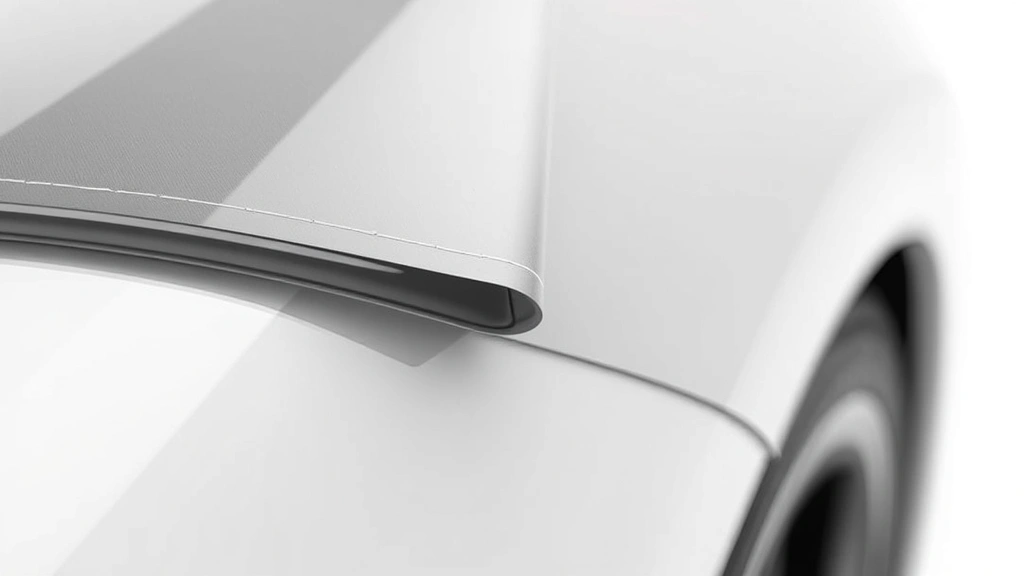
Wrapped cars need different care than painted cars. You can’t use automated car washes (they peel edges), clay bars, or aggressive polishing compounds. Hand washing with pH-neutral soap and microfiber cloths is the way to go.
Budget for maintenance:
- Regular Washing: $15-$25 per hand wash (vs. $8-$12 for regular cars)
- Protective Coating Reapplication: Every 12-18 months, $150-$300
- Edge Sealing: If edges start lifting, $100-$300 for professional resealing
- Partial Repairs: If a section gets damaged, $200-$600 to replace that panel
The good news: wrapped cars don’t need waxing, and the vinyl protects your original paint from UV damage and minor scratches. When you remove the wrap, your paint underneath is often better preserved than on unwrapped cars.
Frequently Asked Questions
Can I wrap my car myself to save money?
You can, but you’ll likely spend $400-$1,200 on materials and 20-40+ hours learning. Unless you’re doing a partial wrap (hood, doors) as a learning project, professional installation is worth the cost. The labor and expertise justify the $1,500-$4,000 price tag.
How long does a car wrap last?
Quality wraps last 3-7 years. Premium cast vinyl with professional installation in moderate climates can reach 7+ years. Budget vinyl in harsh sun might fail in 2-3 years. Proper maintenance (hand washing, protective coatings) extends lifespan significantly.
Does wrapping a car damage the paint?
No, quality vinyl wraps protect paint. The adhesive is designed to be removable without damage. However, poor installation or removal can cause issues. Always use professional installers with good warranties and proven track records.
Is a car wrap cheaper than repainting?
Yes. A quality paint job costs $3,000-$10,000+, while a wrap runs $2,000-$5,000. Wraps are also reversible—remove it and your original paint is underneath. Paint is permanent and more expensive to change later.
What’s included in the installation cost?
Most quotes include surface prep, vinyl application, and basic trimming. Ask specifically about edge sealing, trim removal, and warranty coverage. Some shops charge extra for protective coatings or complex design work.
Can I wash my wrapped car?
Yes, but carefully. Hand wash with pH-neutral soap and soft microfiber cloths. Avoid automated car washes, pressure washers above 1,500 PSI, and harsh chemicals. Proper washing maintenance actually extends wrap lifespan.
Should I get a warranty on my wrap?
Absolutely. Reputable shops offer 3-5 year warranties on materials and labor. This covers peeling, bubbling, and seam separation. Warranty terms vary, so read the fine print. A warranty is a sign the shop stands behind their work.
How do I find a quality wrap installer?
Check Google reviews, Instagram portfolios, and ask for local references. Request to see close-up photos of their seams and edges. Visit their shop if possible—professional installers have clean, organized spaces and proper equipment. Don’t just go with the lowest price.
Bottom Line: Is It Worth It?
So, how expensive is it to wrap a car? You’re looking at $1,500-$5,000+ for a professional job, depending on vehicle size and design complexity. It’s an investment, but it’s cheaper than repainting, reversible, and protects your original paint.
If you want your car to look custom without permanent changes, a wrap is one of the smartest modifications you can make. Just budget appropriately, choose a reputable installer, and plan for maintenance. The quality shops might cost more upfront, but they deliver results that last and look professional for years.
For financing options on larger projects, you might explore how to build business credit if you’re wrapping a fleet vehicle, or check out how to become an accredited investor if you’re considering this as a business venture. And remember, proper prep work—like the attention to detail you’d give when how long does caulk take to dry—is critical to the wrap’s longevity.
For more DIY insights and professional standards, check out resources from Family Handyman, This Old House, and Bob Vila for quality benchmarks in the automotive customization space.


