
So you’re thinking about getting your nipples pierced, or you just got them done and you’re wondering how long do nipple piercings take to heal? Yeah, this is one of those questions that doesn’t have a super quick answer, but I’m going to walk you through exactly what to expect from start to finish. The healing timeline for nipple piercings is longer than most other body piercings, and there are plenty of factors that can speed it up or slow it down. Let’s break this down like we’re working through a real project together.
Table of Contents
The Standard Healing Timeline
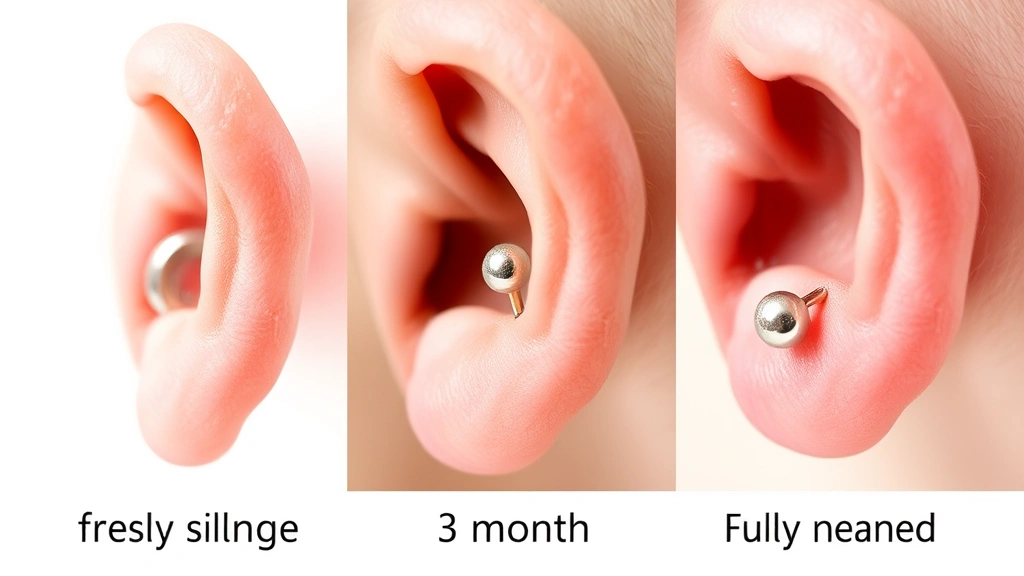
Here’s the real deal: nipple piercings take between 6 to 12 months to fully heal, with most people looking at around 9 months as the sweet spot. Some folks will be good in 6 months, others might need closer to a year. This is significantly longer than ear piercings (which take 6-8 weeks) or even belly button piercings (which typically take 6-9 months). The reason? Your nipples are constantly moving, getting friction from clothing, and exposed to moisture and sweat. It’s like trying to heal a cut on your hand while you’re still using that hand constantly—it just takes longer.
The healing process isn’t linear either. You might think everything’s fine at month 3, then hit a bump at month 5. That’s totally normal. Your body’s working hard underneath the surface even when things look calm on top.
First Two Weeks Matter
The initial two weeks are absolutely critical. This is when your piercing is most vulnerable and when you’re most likely to mess things up (accidentally or otherwise). During this phase, you’ll notice swelling, tenderness, and probably some discharge. That’s your body doing its job—creating a fistula, which is the channel that’ll become your piercing.
You need to be religious about cleaning during this window. We’re talking saline solution rinses twice daily, nothing touching it except clean hands or sterile materials, and definitely no playing with it. I know it’s tempting, but resist. This is like the foundation of a house—get it wrong here and you’re building problems for later.
Sleep position matters too. If you’re a stomach sleeper, you’re going to have a rough time. Try sleeping on your back or your sides, and use a travel pillow to create space between your chest and the mattress. Your future self will thank you.
Months Two Through Six
Once you hit month 2, things start settling down. The initial swelling decreases, and the piercing channels are starting to form properly. However, this is when people often get complacent and stop being careful. That’s a mistake. You’re still in the danger zone for infection and complications.
During this phase, you’ll notice the discharge decreasing and the redness fading. The piercing might feel more stable, but it’s still healing underneath. Think of it like concrete curing—it looks solid after a few weeks, but it’s still strengthening for months. Keep up with saline rinses, avoid sleeping on your stomach, and don’t change your jewelry yet. Most piercers will tell you to wait at least 6 months before changing jewelry, and honestly, I’d push that to 8-9 months to be safe.
This is also the phase where you need to be mindful of how long other body piercings take to heal if you’re comparing notes with friends. Different piercings have different timelines, and that matters for your expectations.
Complete Healing Window
By month 6, most of the active healing is done, but your piercing channels are still stabilizing through month 9-12. This is the phase where you might feel like you can relax, and you can—somewhat. You’re past the critical infection window, but you’re still not at full maturity.
At the 9-month mark, most piercers will give you the green light to change jewelry if you want to. But here’s the thing: just because you can doesn’t mean you should immediately. If you do change jewelry, make sure you’re using high-quality materials (titanium, gold, or surgical steel) and that you’re doing it in a clean environment. Better yet, have your piercer do it.
Full maturity—where the fistula is completely stable and you could theoretically leave jewelry out for extended periods without it closing—usually happens around the 12-month mark. Some people get there faster, some take longer. Listen to your body and your piercer’s advice.
What Slows Down Healing
Several things can extend your healing timeline beyond that standard 9-12 months. First up: infection. Even a minor infection can set you back weeks. That’s why aftercare is non-negotiable. Second: constant friction from tight clothing. If you’re wearing sports bras that compress your chest or tight shirts that rub against your piercings, you’re working against yourself.
Poor sleep and stress also play a role. Your body heals better when you’re rested and relaxed. If you’re pulling all-nighters or dealing with chronic stress, your immune system isn’t operating at peak efficiency. Smoking and excessive alcohol consumption slow healing too—your body’s got to work harder to repair tissue when you’re introducing those variables.
Sea salt soaks that are too strong or too frequent can actually irritate the piercing instead of helping it. Oversaturation is a real thing. And here’s one people don’t talk about enough: swimming. Chlorine, salt water, and bacteria in pools and oceans are all enemies of a healing piercing. Avoid swimming for at least 3-4 weeks, and even after that, be cautious.
Daily Care Routine Essentials
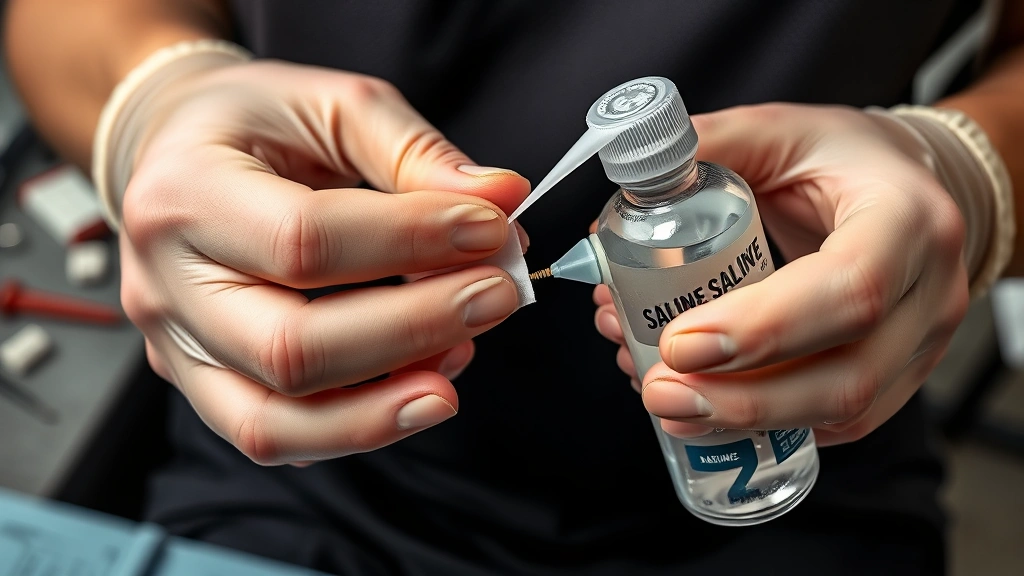
Your daily routine should be simple but consistent. Twice a day, use a sterile saline solution (not homemade salt water—the ratios are usually wrong) and gently clean around the piercing. You can use a clean paper towel or let it air dry. Don’t use cloth towels because they can harbor bacteria and catch on jewelry.
Shower normally, but avoid letting soap directly on the piercing. When you wash your chest, use your hand to rinse it thoroughly with clean water after you’ve used soap elsewhere. Pat dry gently—never rub.
Wear loose, breathable clothing. Cotton is your friend here. Sports bras are fine, but make sure they’re not too tight. Sleep on your back when possible, and if that’s impossible, use a pillow that keeps pressure off your chest. Some people use donut-shaped travel pillows specifically for this.
Don’t touch it unnecessarily. I know you want to check on it, but every time you touch it with unwashed hands, you’re introducing bacteria. Look but don’t touch unless you’re cleaning it.
Signs of Trouble
Know the difference between normal healing and actual problems. Normal: mild swelling for the first week or two, slight discharge (clear or slightly yellowish), mild tenderness, and occasional itching. These are all part of the process.
Problem signs: excessive redness that spreads beyond the immediate area, pus (thick, discolored discharge), intense pain that doesn’t improve, fever, or swelling that gets worse after week 2. If you see any of these, contact your piercer or a doctor. Infection is serious and needs professional attention.
Another issue to watch for is rejection. Your body might decide the piercing isn’t welcome and start pushing it out. Early signs include the jewelry sitting shallower than it did before, thinning skin around the piercing, or increasing discomfort. If you catch this early, you might be able to save the piercing by removing it and letting it heal, then getting it repierced later.
When Can You Change Jewelry
The standard recommendation is 6 months minimum, but I’d honestly wait until 8-9 months. Your piercer might give you different guidance based on how your specific piercing is healing, and you should follow their advice over general timelines.
When you do change jewelry, do it carefully. Make sure your hands are clean, the new jewelry is sterile, and you’re in a clean environment. If you’re not confident doing it yourself, have your piercer do it. They’ve done this a thousand times and they’ll do it right.
Use high-quality materials for your jewelry. Titanium is ideal because it’s hypoallergenic and doesn’t corrode. Surgical steel is acceptable but not as good as titanium. Gold works if it’s 14k or higher. Avoid cheap mystery metals, acrylic, and anything plated—these can flake off and cause infections.
Common Aftercare Mistakes
The biggest mistake people make is stopping aftercare too early. They hit month 3, think everything’s fine, and stop cleaning it properly. Then they’re surprised when problems pop up at month 5. Don’t do this. Stick with your routine through at least month 6, ideally longer.
Second mistake: using the wrong cleaning solution. Hydrogen peroxide, alcohol, and antibacterial soaps are too harsh and can damage the healing tissue. Saline solution is what you want—nothing else. If you can’t find it, you can make it at home with distilled water and non-iodized sea salt, but the ratios have to be exact (1/4 teaspoon salt per 8 ounces of water).
Third: sleeping on your stomach or sides too soon. I mentioned this before, but it bears repeating because it’s so common. The pressure and friction will slow your healing significantly. Invest in a good pillow situation and sleep on your back when possible.
Fourth: changing jewelry too early. I know you want to show off your new jewelry, but your piercing isn’t ready. Wait the full time. Your future self will appreciate the patience.
Fifth: ignoring signs of infection. Some people think they can tough it out or treat it with home remedies. Nope. If you think you have an infection, get professional help. It’s not worth the risk of serious complications.
Frequently Asked Questions
Can nipple piercings close up if I remove the jewelry?
Yes, they can close surprisingly fast. Even after a year of healing, if you remove the jewelry, the piercing can start to close within hours. If you need to remove it temporarily (like for medical imaging), have a retainer ready to put in immediately. After full healing (12+ months), you might have a bit more flexibility, but don’t count on it. The fistula can close even after years if jewelry is out for extended periods.
What’s the difference between normal discharge and infection?
Normal discharge is clear, slightly yellowish, or slightly crusty around the jewelry. It shouldn’t smell bad or be thick and pus-like. If you’re seeing thick, discolored, or foul-smelling discharge, that’s a sign of infection and you need professional help. Also, normal discharge decreases over time. If it’s getting worse at month 4 or beyond, something’s wrong.
Is it normal to feel pain at month 3?
Some tenderness is normal throughout the healing process, but intense pain isn’t. Mild discomfort when you accidentally bump it or sleep on it wrong? Sure. But if it’s constantly painful or getting worse, you might have an infection or irritation. Check with your piercer.
Can I exercise during the healing period?
Light exercise is fine, but avoid anything that causes excessive sweating or chest compression for the first 4-6 weeks. After that, you can gradually return to normal activity, but wear a supportive sports bra that isn’t too tight. Sweat and friction are enemies of healing piercings.
What should I do if my piercing gets infected?
Don’t remove the jewelry immediately. If you do, the infection can get trapped under the skin. Instead, clean it more frequently with saline solution and contact your piercer or a doctor. They might recommend antibiotics or other treatment. Only remove the jewelry if a medical professional tells you to.
How do I know if my piercing is fully healed?
When there’s no discharge, no tenderness, and the jewelry moves freely without pain, you’re probably close. But the real test is whether your piercer gives you the all-clear. They can assess whether the fistula is fully mature. Generally, this happens around the 9-12 month mark, but it varies.
Can I go swimming during healing?
Not for the first 3-4 weeks, minimum. After that, you can be cautious, but it’s still risky. Chlorine, salt water, and bacteria in pools and oceans can cause infections. If you do swim, clean your piercing thoroughly with saline solution afterward. Better yet, wait until it’s fully healed.
What if one nipple heals faster than the other?
This is totally normal. Your body might favor one side, or one might get bumped more often, or healing might just be uneven. Treat each piercing according to how it’s actually healing, not by a preset timeline. Don’t rush to change jewelry in the one that seems ready if the other isn’t there yet.
The Bottom Line: Nipple piercings take patience. You’re looking at 6-12 months of real healing, with 9 months being typical. The first two weeks are critical, the next few months are important, and the last several months are about stabilization. Follow your aftercare routine religiously, listen to your piercer, and don’t rush the process. Your reward is a healed piercing you can enjoy for years without complications.


