
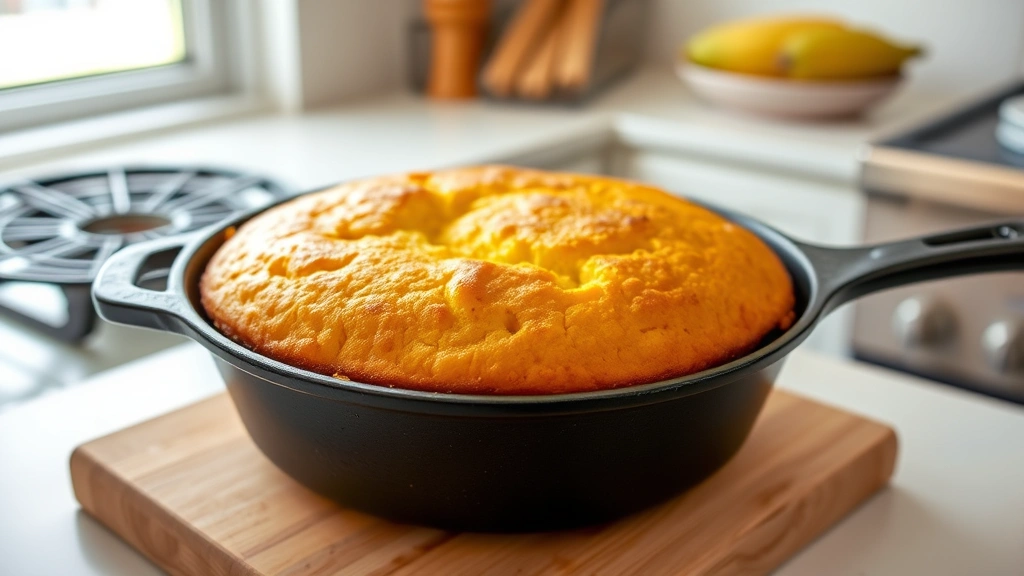
A hot water cornbread recipe is one of those kitchen skills that separates folks who cook from folks who actually know their way around food. This isn’t some fancy technique—it’s honest, straightforward cooking that’ll have you pulling golden, crispy cornbread out of your skillet in under 20 minutes. If you’ve never made this before, you’re missing out on one of the South’s best-kept secrets.
Table of Contents
What Is Hot Water Cornbread?
Hot water cornbread is a traditional Southern staple that’s been feeding families for generations. Unlike regular cornbread that uses milk, buttermilk, or eggs, this version relies on boiling water to create its signature texture. The result is crispy on the outside, tender on the inside, and absolutely addictive. It’s the kind of comfort food recipe that tastes like home, whether that home is in Georgia, Louisiana, or anywhere else with Southern roots.
The beauty of this approach is simplicity. You’re working with basic pantry staples—cornmeal, flour, salt, and hot water—combined with a little oil for frying. No dairy required, no special equipment needed. Just a cast iron skillet and about fifteen minutes of your time.
Why This Recipe Works
The hot water does something special to cornmeal. When you pour boiling water over cornmeal, it hydrates the grains instantly and creates a batter that’s different from anything you’d make with milk. The texture becomes almost creamy before you add the rest of your dry ingredients, which means your final cornbread has this unique combination of crispy exterior and soft, almost fluffy interior.
This method also creates cornbread that’s less sweet than modern versions. If you’re tired of cornbread that tastes like dessert, this is your answer. The focus stays on corn flavor and that irresistible crispiness from pan-frying.
Ingredients You Need
Here’s what you’re working with for a basic batch that serves 4-6 people:
- 1 cup cornmeal (yellow or white, your choice)
- 1/2 cup all-purpose flour
- 1 teaspoon salt
- 1 1/2 cups boiling water
- 2 tablespoons vegetable oil (plus more for the skillet)
That’s it. Five ingredients. If you want to get fancy, you can add a teaspoon of sugar or a bit of baking powder, but honestly, the traditional version doesn’t need it. The cornmeal quality matters more than anything else—use stone-ground if you can find it, because the flavor difference is real.
Step-by-Step Instructions
Step 1: Combine Your Dry Ingredients
In a medium bowl, whisk together your cornmeal, flour, and salt. Don’t skip the whisking—you want everything evenly distributed. This prevents lumps and ensures consistent texture throughout your cornbread.
Step 2: Pour the Hot Water
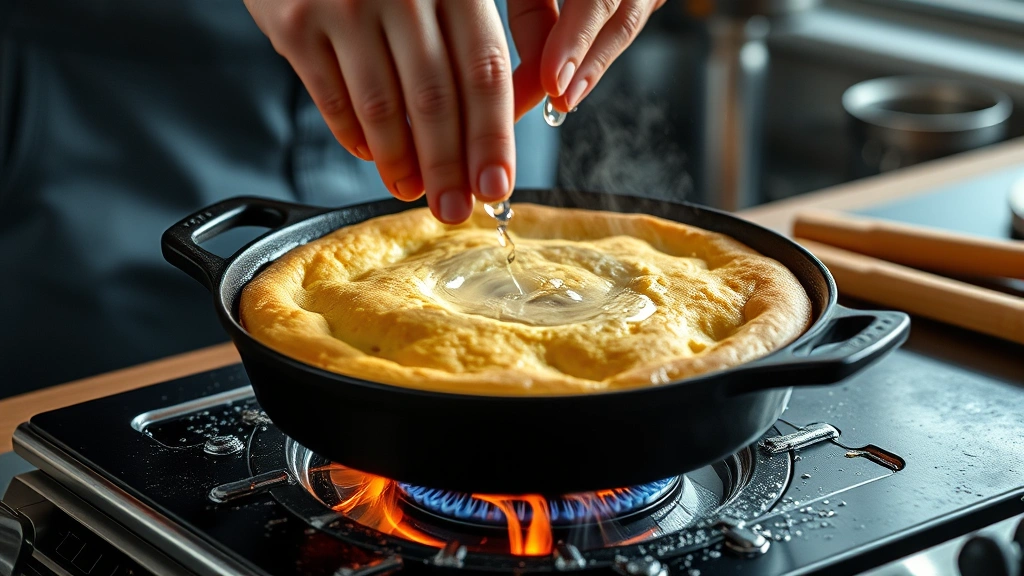
Carefully pour your boiling water into the cornmeal mixture. Stir immediately and thoroughly. The cornmeal will start absorbing the water right away. Keep stirring for about a minute until you have a thick, smooth batter. This is where the magic happens—the hot water gelatinizes the cornmeal and creates that signature texture.
Step 3: Add the Oil
Stir in your 2 tablespoons of oil. This helps with texture and browning. Mix until fully incorporated.
Step 4: Heat Your Skillet
Place a 10-inch cast iron skillet (or similar) on medium-high heat. Add about 1/4 inch of oil to the skillet. You want it hot enough that a small drop of batter sizzles immediately when it hits the pan. This usually takes 3-4 minutes. The oil temperature is crucial—too cool and your cornbread will be greasy; too hot and it’ll burn before cooking through.
Step 5: Fry Your Cornbread
Once your oil is ready, carefully pour the batter into the hot skillet. It should sizzle and start cooking immediately. Don’t stir it. Let it sit undisturbed for 4-5 minutes until the bottom is golden brown and crispy. You’re essentially making a large cornbread cake that you’ll flip.
Step 6: The Flip
This is the moment that intimidates people, but it’s easier than you think. Slide a spatula under the cornbread to loosen it completely. In one confident motion, flip it over. If it breaks, don’t panic—you can always patch it back together, and it’ll still taste amazing. Cook the other side for another 3-4 minutes until it’s equally golden.
Step 7: Rest and Drain
Transfer your cornbread to a paper towel-lined plate. Let it rest for a minute while the excess oil drains. This keeps it crispy rather than soggy.
Cooking Temperature & Timing
Medium-high heat is your target. If you have a kitchen thermometer, aim for oil around 350-375°F. The total cooking time is usually 8-10 minutes—4-5 minutes per side. If your first side is browning too fast, reduce heat slightly. If it’s taking longer than 6 minutes per side, increase the heat a bit.
The key is watching your cornbread, not just the clock. You want a deep golden-brown color, almost caramel-looking. That’s when you know the inside is cooked through and the outside has developed that crucial crispiness.
Troubleshooting Common Issues
Problem: Cornbread is greasy
Your oil wasn’t hot enough when you started cooking. Make sure it’s truly sizzling before the batter hits the pan. Also, don’t use more oil than the recipe calls for—1/4 inch is the sweet spot.
Problem: Outside is crispy but inside is raw
You’re cooking too hot or too fast. Reduce your heat slightly and give each side a full 5-6 minutes. The inside needs time to cook through.
Problem: Batter is too thick to pour
You might have used too much cornmeal or not enough water. The batter should be pourable but thick—think pancake batter consistency. If it’s too thick, add a tablespoon of hot water at a time until it reaches the right consistency.
Problem: Cornbread is falling apart when you flip it
Make sure the bottom is fully set before flipping. It should feel firm when you slide the spatula under it. Also, ensure your spatula is long enough to support the entire cornbread as you flip.
Serving Suggestions & Pairings
Hot water cornbread is the ultimate side dish. Serve it with homemade gravy made from drippings and you’ve got a meal that’ll remind you why Southern food is legendary. It pairs beautifully with collard greens, fried chicken, or slow-cooked beans.
You can also crumble it up and serve it in a bowl with milk and a little butter—that’s called cornbread and milk, and it’s a legitimate breakfast or light supper in the South. Some folks pour pot liquor (the liquid from cooking greens) over it instead of milk.
For a more modern approach, serve it alongside creamy mashed potatoes and roasted vegetables. The cornbread’s crispy texture contrasts beautifully with softer sides.
Storage and Reheating
Cornbread is best eaten fresh and warm, but you can store leftovers in an airtight container at room temperature for up to two days. Don’t refrigerate it—cold storage makes it dry out faster.
To reheat, wrap it in foil and warm it in a 350°F oven for about 5 minutes. This restores some of the crispiness. You can also reheat it in a skillet with a tiny bit of oil for 2-3 minutes per side, which actually improves the texture by re-crisping the exterior.
If you want to make cornbread ahead, you can prepare the batter several hours in advance and store it covered in the refrigerator. Just give it a good stir before cooking, and you might need an extra minute or two of cooking time since the batter will be cooler.
Variations to Try
Jalapeño Cheese Version
Add 1/2 cup shredded cheddar cheese and 2-3 diced jalapeños to your batter. The heat pairs surprisingly well with the corn flavor.
Herb-Infused
Mix in a teaspoon of dried herbs—sage, thyme, or rosemary all work. This version is excellent with soups.
Cornmeal Cake
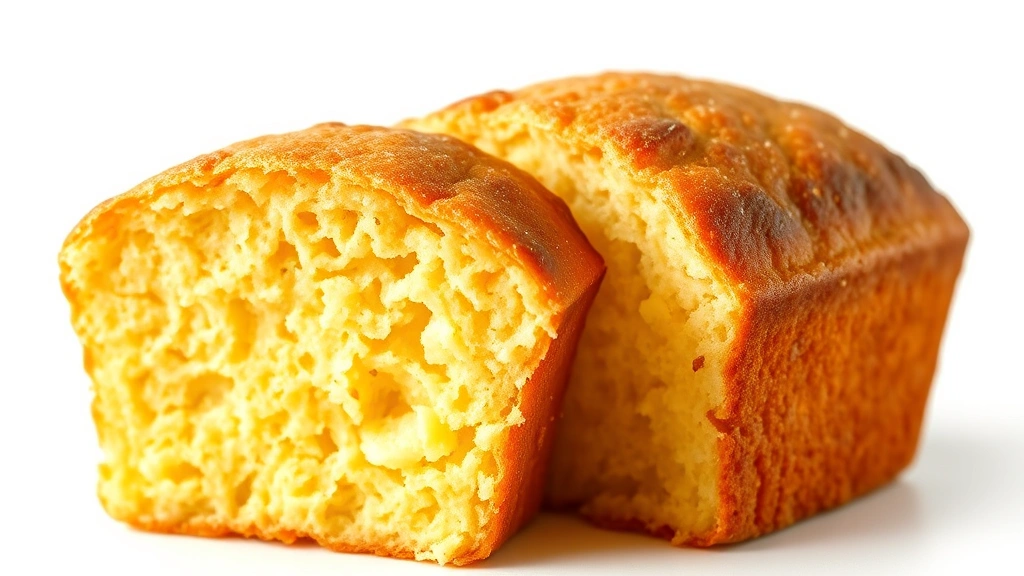
If you want something less crispy and more cake-like, bake this in a buttered 8×8 baking dish at 425°F for 20-25 minutes instead of frying. You’ll get a different but equally delicious result. Check out Dutch oven bread recipes for baking inspiration.
Sweet Version
Add 2 tablespoons of sugar and 1/2 teaspoon of vanilla extract. This version works as a breakfast bread or dessert.
Frequently Asked Questions
Can I make hot water cornbread without a cast iron skillet?
Absolutely. Any heavy-bottomed skillet works fine—stainless steel or even a good non-stick pan will do. Cast iron just retains heat better and gives you more even browning, but it’s not required. The key is having something that distributes heat evenly.
What’s the difference between hot water cornbread and regular cornbread?
Regular cornbread uses milk or buttermilk and is usually baked in the oven. Hot water cornbread uses boiling water instead and is fried on the stovetop. The result is crispier, less sweet, and has a completely different texture. It’s also faster—about 15 minutes total versus 20-30 for baked cornbread.
Can I use cornflour instead of cornmeal?
Not really. Cornflour is much finer and will create a completely different texture—more like a pancake than cornbread. Stick with cornmeal, which has larger granules. Stone-ground cornmeal is ideal.
Why do you use boiling water?
The hot water instantly hydrates the cornmeal and starts the cooking process. It creates a batter with a unique texture that you can’t replicate with cold or room-temperature liquid. It also means you don’t need eggs or dairy to bind everything together.
Is this recipe gluten-free?
The recipe as written contains flour, so it’s not gluten-free. However, you can substitute the all-purpose flour with a gluten-free blend in a 1:1 ratio. The texture might be slightly different, but it’ll still work.
Can I double this recipe?
Yes, but cook it in batches. Making one large cornbread is easier than trying to fit two in your skillet. You can also make multiple smaller cornbreads instead of one large one—just reduce the cooking time slightly.
What oil should I use for frying?
Any neutral oil with a high smoke point works—vegetable oil, canola oil, or peanut oil are all good choices. Avoid olive oil, which has a lower smoke point and will impart flavor you don’t want here.
Final Thoughts
Making a hot water cornbread recipe is one of those cooking skills that feels impressive but is actually dead simple. Once you’ve done it once, you’ll understand why this has been a staple in Southern kitchens for generations. The combination of crispy exterior, tender interior, and pure corn flavor is hard to beat.
The beauty of this recipe is that it doesn’t require special ingredients or fancy techniques. It’s honest food made with things you probably already have in your kitchen. Start with the basic version, master the technique, then experiment with variations once you’re comfortable. Before long, you’ll be making hot water cornbread without thinking twice, and your family will be asking when you’re making it again.


