
When you’re looking for high fiber dinner recipes, you’re not just hunting for rabbit food—you’re after real, satisfying meals that’ll keep you full, energized, and actually excited to eat. Fiber isn’t some boring nutritional checkbox; it’s the secret ingredient that transforms ordinary dinners into powerhouse meals that work for your body.
Here’s the thing: most people think fiber means choking down cardboard salads or bland bean soups. Wrong. We’re talking about deeply flavorful, genuinely delicious dinners packed with whole grains, legumes, vegetables, and real ingredients that taste amazing. Your digestive system will thank you, your energy levels will stabilize, and you won’t be hunting the kitchen at 9 PM looking for snacks.
Table of Contents
Why Fiber Actually Matters
Before we dive into the recipes, let’s talk about why you should care about fiber at dinner. Most Americans get about half the fiber they need—and that’s a problem. Fiber does heavy lifting in your body: it stabilizes blood sugar, feeds your gut bacteria, keeps you satisfied longer, and supports heart health. When you build high fiber dinner recipes into your routine, you’re not following a trend; you’re making a practical choice for sustained energy and better digestion.
The beauty of fiber-rich dinners is that they’re naturally lower in empty calories. You get fuller faster, stay satisfied longer, and your body gets actual nutrition instead of just volume. That’s the opposite of restrictive eating—it’s abundance-based nutrition.
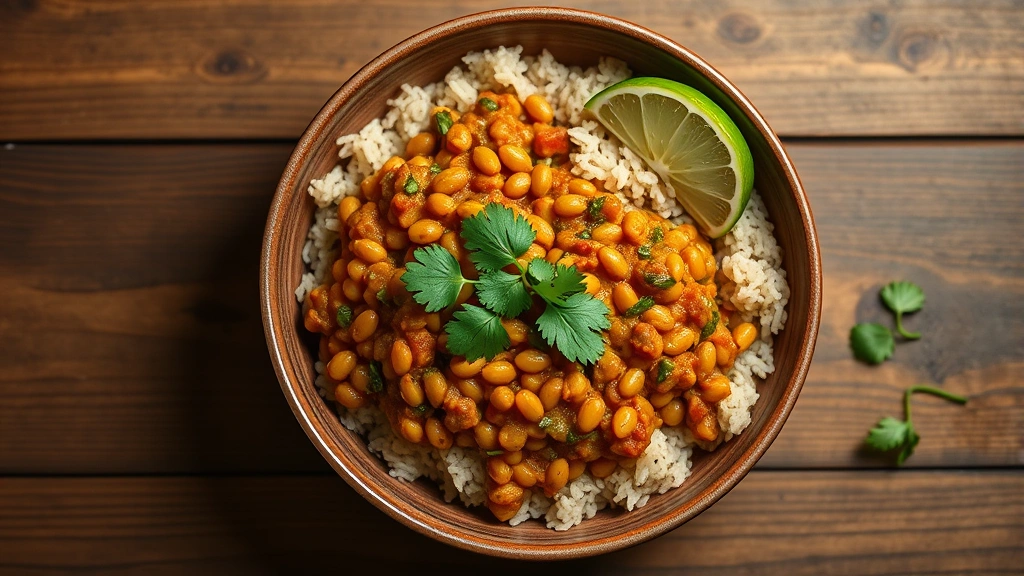
Lentil Curry Bowls
This is your go-to when you need something warming, filling, and genuinely craveable. Lentils pack about 8 grams of fiber per cooked cup, and they’re basically a blank canvas for flavor. Here’s the framework:
Start by sautéing onions and garlic in a bit of oil, then add your curry spices—cumin, turmeric, coriander, whatever you’ve got. Throw in diced tomatoes, coconut milk, and red lentils. Simmer for 20 minutes until the lentils break down slightly and everything becomes creamy. Serve over brown rice or quinoa and top with fresh cilantro, lime juice, and maybe some sliced avocado.
The fiber hits from multiple angles: lentils, rice, and vegetables. You’re looking at 12-15 grams of fiber per bowl, plus enough protein to keep you steady until morning. This scales perfectly for batch cooking—make a giant pot on Sunday and you’ve got dinners sorted for three days.
Stuffed Vegetables
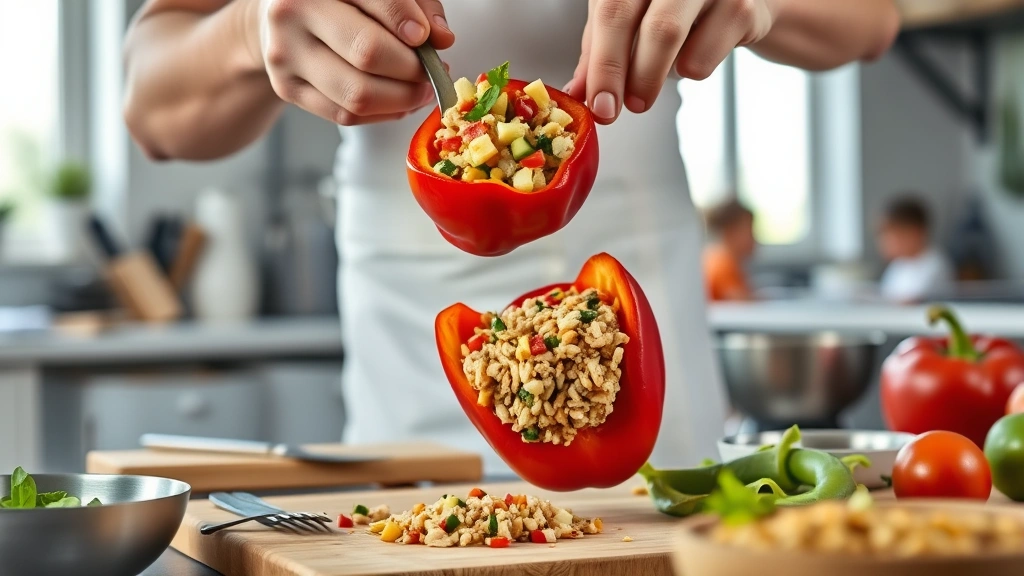
Stuffed peppers and cabbage rolls are classics for a reason, and they’re fiber powerhouses. Our best stuffed cabbage recipe breaks down the technique, but here’s the general approach: hollow out your vegetable, fill it with a mixture of grains, legumes, and seasonings, then bake until everything’s tender.
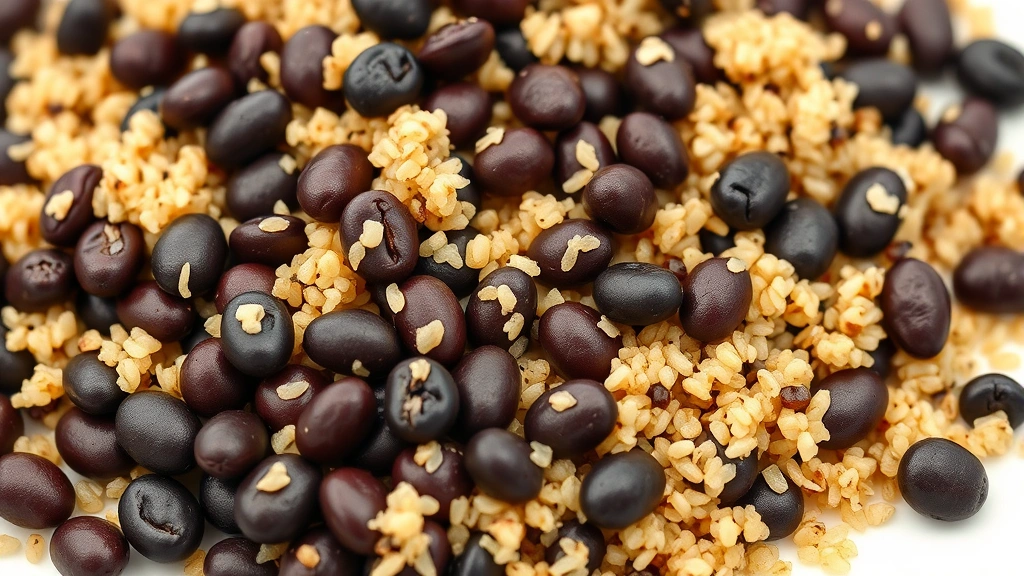
The magic is in the filling. Mix cooked brown rice or farro with black beans, diced tomatoes, spices, and maybe some ground turkey or beef if you eat meat. The vegetables themselves contribute fiber—a large bell pepper has about 3 grams—and you’re layering in more from the grains and beans. One stuffed pepper is a complete dinner, and the recipe makes extras beautifully.
Pro move: prep your vegetables and filling separately, then assemble just before baking. This turns dinnertime into a quick assembly job rather than a whole production.
Whole Grain Pasta Dishes
Whole wheat or legume-based pasta is a game-changer for fiber content—we’re talking 6-8 grams per serving instead of 2. The texture is heartier, and honestly, once you pair it with a proper sauce, you won’t miss regular pasta.
Build your sauce with crushed tomatoes, sautéed vegetables (zucchini, mushrooms, spinach, whatever), garlic, and herbs. Add a can of white beans for protein and extra fiber. The beans basically dissolve into the sauce, creating body and creaminess without cream. Toss with your whole grain pasta and finish with fresh basil and maybe some parmesan.
The beauty here is that whole grain pasta absorbs sauce better than regular pasta, so your dish feels more substantial and flavorful. You’re getting 15+ grams of fiber from one bowl, and it tastes like indulgence, not health food.
Bean-Based Meals
Beans are the fiber MVP—a single cup of cooked beans delivers 12-15 grams of fiber plus serious protein. Our bean sprouts recipe shows one approach, but let’s talk about straightforward bean dinners.
Black bean tacos: sauté canned black beans with cumin, garlic, and chili powder. Serve in whole wheat tortillas with shredded cabbage, avocado, lime crema, and cilantro. That’s about 10 grams of fiber per taco, and you can eat three without guilt.
Chickpea curry: roast chickpeas with curry spices and serve over cauliflower rice or regular rice. Add spinach in the last minute so it wilts into the sauce. The chickpeas get crispy on the outside, creamy on the inside, and the whole thing comes together in 25 minutes.
The key with beans is respecting them—they’re not filler, they’re the star. Build your dinners around them, not as an afterthought.
Quinoa Power Plates
Quinoa’s got about 5 grams of fiber per cooked cup, plus it’s a complete protein. Build your plate like this: quinoa base, roasted vegetables (broccoli, sweet potato, Brussels sprouts), a protein (grilled chicken, baked tofu, beans), and a simple dressing.
The dressing is crucial—it’s what ties everything together. Mix olive oil, lemon juice, garlic, and Dijon mustard. Drizzle it over your warm grain and vegetables so everything gets coated and flavored.
What makes this work is the variety. You’re hitting multiple fiber sources: the quinoa, the vegetables, possibly beans. Each component can change based on what you’ve got on hand. Monday it’s roasted broccoli and chicken, Wednesday it’s sweet potato and chickpeas. Same structure, infinite variations.
Vegetable Stir-Fry Magic
Stir-fry is underrated as a fiber delivery system. Load your pan with vegetables—bell peppers, broccoli, snap peas, mushrooms, carrots, whatever—and you’re getting serious fiber without thinking about it. Add whole grain noodles or serve over brown rice.
The sauce matters: soy sauce, ginger, garlic, a touch of sesame oil, maybe some rice vinegar. Cook it fast over high heat so vegetables stay crisp and bright. Add your protein at the end—tofu, shrimp, or leftover chicken—and you’ve got dinner in 20 minutes.
Vegetables are where most people miss fiber opportunity. A cup of broccoli is 2 grams, a cup of bell peppers is 2 grams. Load your pan with 3-4 cups of vegetables and you’re already at 6-8 grams before you add grains or legumes.
Slow Cooker Options
When you want dinner ready when you walk in the door, slow cooker meals are your friend. White bean and kale soup: throw chicken broth, canned white beans, diced tomatoes, carrots, and celery in your slow cooker. Cook on low for 6-8 hours. Thirty minutes before serving, add chopped kale and let it wilt. Finish with olive oil and lemon juice.
That’s one meal with 12+ grams of fiber, mostly from the beans and vegetables. You prepped it in 10 minutes in the morning, and dinner basically cooks itself.
Lentil and vegetable stew: similar approach. Brown lentils, diced vegetables, vegetable broth, and spices go into the slow cooker. No prep required beyond chopping. Eight hours later, you’ve got a deeply flavored, fiber-packed stew that tastes like it took hours to make.
Meal Prep Strategies
The reason most people abandon high-fiber eating is that it feels like extra work. It’s not—you just need a strategy. Pick one high fiber dinner recipe on Sunday, double or triple the batch, and you’ve got three dinners ready. That’s not restrictive eating; that’s smart living.
Batch cooking works best with:
- Grain bowls (quinoa, rice, or farro base with roasted vegetables and protein)
- Soups and stews (they actually taste better the next day)
- Chili (freeze it, reheat it, tastes fantastic)
- Curries (same deal—flavors deepen)
Store in glass containers in the fridge for up to four days. When you’re tired or busy, you’ve got a real dinner waiting instead of defaulting to takeout or processed food.
For inspiration on easy dinner approaches, check out our easy dinner recipes for one or explore best summer recipes for warm-weather fiber-rich options.
Practical Implementation Tips
Start by adding fiber gradually. Your gut needs time to adjust, and jumping from 15 grams a day to 35 grams overnight causes bloating and discomfort. Increase by 5 grams every few days, and drink more water—fiber works with water to keep things moving smoothly.
Keep canned beans, lentils, and whole grains on hand. These are your foundation ingredients. Fresh vegetables matter, but frozen works just as well and sometimes better—they’re picked at peak ripeness and frozen immediately.
Season aggressively. Fiber-rich foods taste better when they’re properly seasoned. Don’t be shy with garlic, spices, acid (lemon, vinegar), and fat (olive oil, coconut milk). These are what make dinners craveable.
Frequently Asked Questions
How much fiber should I aim for at dinner?
Aim for 8-12 grams of fiber per dinner. That’s about a third of the recommended 25-35 grams daily. Spread fiber across all your meals rather than loading it all at dinner, and you’ll avoid digestive discomfort.
Will high fiber dinners make me feel too full?
Initially, yes—that’s the point. You’ll feel satisfied longer and won’t be snacking at night. Your body adjusts within a couple weeks. If you’re eating adequate calories from other meals, one high-fiber dinner won’t leave you hungry.
Can I use canned beans, or do I need dried?
Canned beans are perfect. They’re already cooked, require zero prep, and have the same fiber and nutrition as dried beans. Rinse them to reduce sodium if that matters to you. Dried beans are cheaper if you’re cooking for a crowd, but canned is the practical choice for weeknight dinners.
What if I don’t like certain vegetables?
The recipes here are frameworks, not rules. Don’t like mushrooms? Use more broccoli. Can’t stand kale? Use spinach or chard. The fiber comes from the category (vegetables, legumes, grains), not specific ingredients. Build around what you actually enjoy eating.
How do I make high fiber meals taste good?
Flavor comes from three places: aromatics (garlic, onions, ginger), spices (cumin, turmeric, smoked paprika), and acid (lemon, vinegar, tomatoes). Start with a solid base of these, and even simple ingredients become craveable. Taste as you cook and adjust seasoning—it makes the difference between “healthy” food and food you actually want to eat.
Can I prep these recipes ahead?
Absolutely. Most of these recipes batch beautifully and improve with time as flavors meld. Store in glass containers in the fridge for up to four days, or freeze for up to three months. Reheat gently on the stovetop or microwave when you’re ready to eat.
Are these recipes expensive?
Beans, lentils, and whole grains are some of the cheapest proteins and carbs available. Seasonal vegetables are affordable. These recipes are actually cheaper per serving than most restaurant dinners or processed alternatives. Buying in bulk and batch cooking makes them even more economical.
The Bottom Line
High fiber dinner recipes aren’t about deprivation or forcing yourself to eat “healthy.” They’re about building dinners that actually satisfy you, fuel your body properly, and taste genuinely good. Start with one recipe that sounds appealing, make it this week, and see how you feel. Most people notice better energy, steadier digestion, and less nighttime snacking within a few days.
Fiber is one of those rare things where doing the right thing for your body also happens to be delicious. Build your dinners around whole grains, legumes, and vegetables, season them properly, and you’ve got a system that works. That’s not a diet—that’s just smart eating.


