
Making hot sauce recipes at home is easier than you’d think, and honestly, it beats anything you’ll find on a store shelf. I’ve been whipping up batches in my kitchen for years, and the difference between homemade and commercial stuff is night and day. You control the heat level, the flavor profile, and exactly what goes into your bottle. Whether you’re into smoky Carolina-style heat or bright, vinegary punch, there’s a recipe here that’ll fit your style.
Table of Contents
Classic Vinegar Hot Sauce
This is the foundation recipe I always come back to. It’s straightforward, uses ingredients you probably have on hand, and tastes like a proper hot sauce—the kind that makes your eyes water in the best way possible.

What you’ll need:
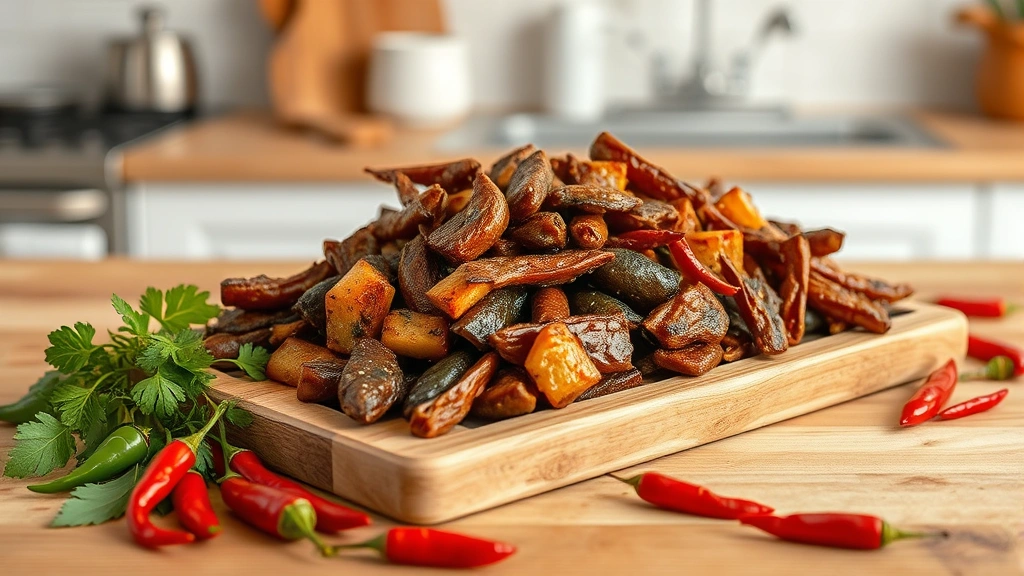
- 2 pounds fresh red chilies (jalapeños, serranos, or a mix)
- 1 cup apple cider vinegar
- 4 cloves garlic, minced
- 1 teaspoon salt
- ½ teaspoon black pepper
- ½ teaspoon cumin
Char your peppers over an open flame or under the broiler until the skin blisters. Pop them into a plastic bag for 10 minutes to steam—this makes peeling a breeze. Remove the seeds and stems (keep some seeds if you want extra heat), then blend everything with the vinegar, garlic, and spices until you hit your preferred consistency. I like mine slightly chunky, but smooth works great too. Simmer for 15 minutes, let it cool, and bottle it up. This keeps for months in the fridge and actually gets better as it sits.

Smoky Roasted Pepper Sauce
If you want that deep, complex flavor that makes people ask what’s in your sauce, this is it. The roasting process develops serious depth—way beyond what raw peppers can deliver.

Ingredients:

- 3 large poblano peppers
- 2 red bell peppers
- 4 dried ancho chilies
- ½ cup white vinegar
- 3 tablespoons honey
- 2 teaspoons smoked paprika
- 1 teaspoon chipotle powder
- Salt to taste
Roast your fresh peppers until charred, then peel and seed them. Toast your dried anchos in a dry skillet for a minute—this wakes up the flavor. Blend everything together, including the honey for balance. The sweetness isn’t overpowering; it just rounds out the smoke and heat. This sauce works incredible on tacos, nachos, or even drizzled over cream cheese as an appetizer. Store it just like the vinegar version.

Fruity Habanero Blend
Habaneros bring serious heat, but they’ve also got this fruity undertone that most people miss. Pair them with actual fruit, and you’ve got something special. This pairs beautifully with cranberry salsa recipes if you want to explore more flavor combinations.
What you’re mixing:

- 8-10 habanero peppers
- 1 mango, peeled and chopped
- ½ pineapple, chopped
- ½ cup lime juice
- ¼ cup onion, minced
- 2 tablespoons cilantro, chopped
- 1 teaspoon salt
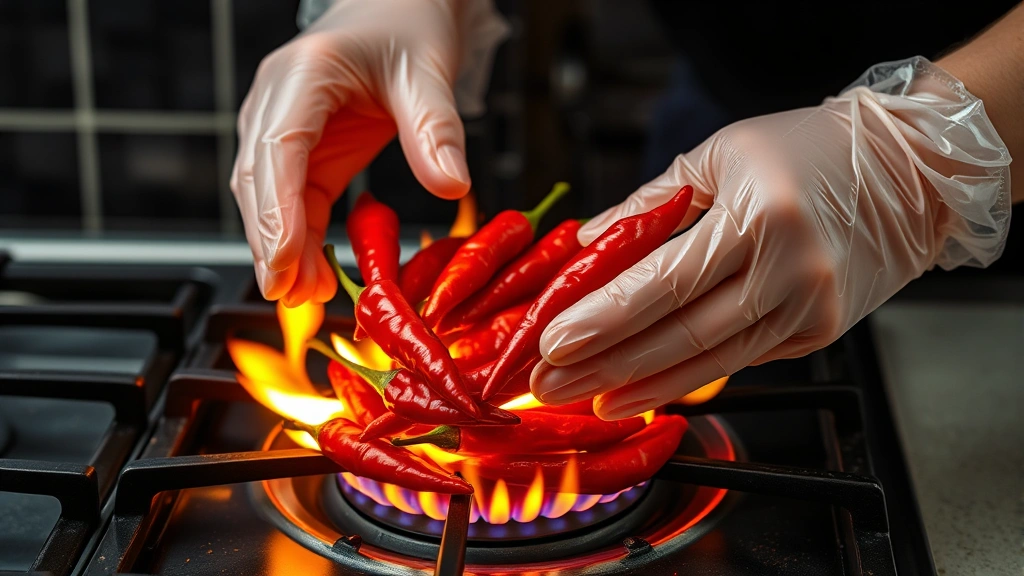
Roast your habaneros lightly—you want them softened but not blackened. Blend with the fresh fruit and lime juice. The tropical vibe here is undeniable. It’s perfect for seafood, grilled chicken, or even drizzled over ice cream if you’re feeling adventurous. The heat builds gradually, which is why habaneros are so dangerous—you think it’s manageable, then it hits you.
Garlic Ghost Pepper Fire
This one’s for the heat seekers. Ghost peppers (bhut jolokia) are legitimately intense. We’re talking 1 million Scoville units. Use this stuff sparingly—a little goes a very, very long way.

Simple formula:

- 3-4 dried ghost peppers
- 8 cloves garlic, roasted
- 1 cup vinegar (white or apple cider)
- 2 tablespoons honey
- 1 teaspoon salt
- ½ teaspoon onion powder
Toast your dried ghost peppers in a skillet for just 30 seconds—don’t overdo it or you’ll cough through the next hour. Soak them in warm vinegar for 20 minutes to soften. Roast your garlic cloves whole in a 400°F oven for 15 minutes until golden and sweet. Blend everything smooth. This is a condiment you use by the drop, not the tablespoon. One bottle lasts forever because people respect the heat level.

Fermented Hot Sauce
Fermentation is where things get interesting. The process develops complexity you can’t achieve any other way, and you get beneficial probiotics as a bonus. This method takes longer, but the payoff is worth every day of waiting.
Base ingredients:

- 2 pounds fresh red chilies, chopped
- 4 tablespoons salt
- 2 cups filtered water
- 4 cloves garlic, minced
- 1 tablespoon sugar
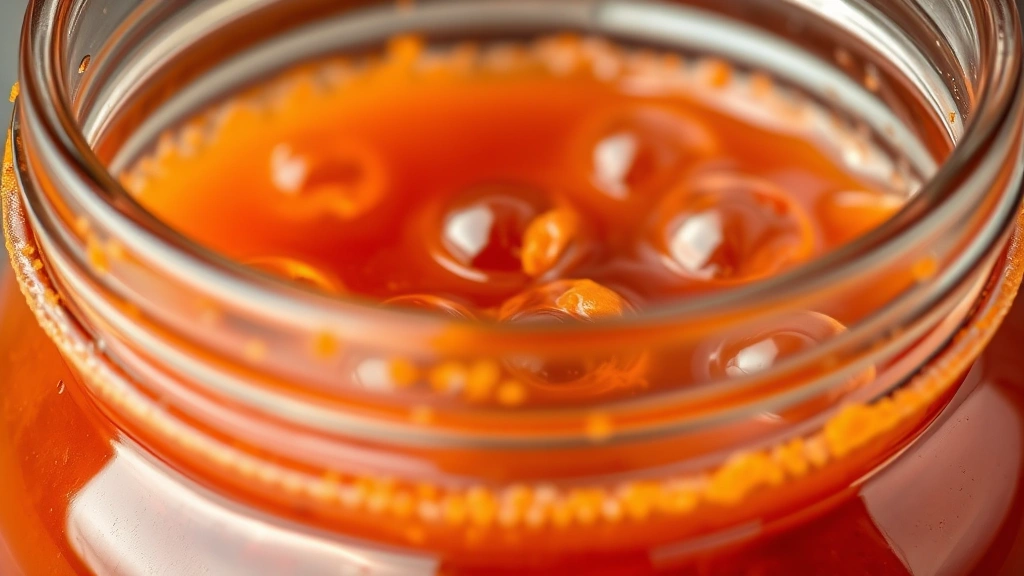
Mix your salt with the water to create a brine. Pack your chopped peppers and garlic into a clean jar, pour the brine over until everything’s submerged, then weight it down with a smaller jar or fermentation weight. Cover with cheesecloth and let it sit at room temperature for 2-4 weeks. You’ll see bubbles—that’s the good bacteria doing its thing. After fermentation, blend it smooth, add vinegar if you want more tang, and bottle it. The flavor is deeper, more complex, and honestly addictive. If you’re interested in other fermented creations, check out our crockpot recipes for slow-cooking inspiration.
Tropical Mango Heat
Sometimes you want something that feels more like a glaze than a traditional hot sauce. This recipe bridges that gap beautifully. It’s sweet, spicy, and works on everything from ribs to shrimp.
Blend together:

- 2 ripe mangoes, peeled and chopped
- 4 scotch bonnet peppers, seeded
- ¼ cup rice vinegar
- 2 tablespoons lime juice
- 1 tablespoon ginger, minced
- 1 tablespoon honey
- ½ teaspoon allspice
- Salt to taste
Scotch bonnets are Caribbean heat—similar intensity to habaneros but with their own flavor signature. Blend everything until smooth, then simmer for 10 minutes. The heat and sweetness balance creates something that makes people ask for seconds. This sauce has a shorter shelf life than vinegar-heavy versions (about 3 weeks in the fridge), so make smaller batches unless you’re using it constantly.
Storage and Shelf Life
How long your hot sauce lasts depends on what’s in it. High-vinegar sauces with proper sterilization can last 6-12 months in a cool, dark cabinet. Fruit-forward versions last 3-4 weeks in the fridge. Always use clean, sterilized bottles—run them through the dishwasher or boil them for 10 minutes. If you’re canning for long-term storage, follow proper water-bath canning procedures. I keep my everyday sauce in the fridge in a squeeze bottle for easy application.
Signs something’s gone off: mold on the surface, strange smell, or cloudiness that wasn’t there before. When in doubt, throw it out. It’s not worth the risk, and making a fresh batch is half the fun anyway. If you want to explore more preservation methods, our air fryer vegetable recipes section has some inspiration for preparing ingredients.
Heat Level Guide
Understanding Scoville units helps you predict what you’re getting into. Jalapeños sit around 2,500-8,000 units—entry level. Habaneros jump to 100,000-350,000. Scotch bonnets hit 100,000-350,000 as well. Ghost peppers? 800,000-1,000,000+. Carolina Reapers go even higher. Start with jalapeños or serranos if you’re new to making hot sauce recipes. You can always add more heat next batch.
Heat builds over time too. A sauce that feels manageable on day one might feel aggressive by day three as flavors meld. Keep notes on what you make—jot down pepper types, quantities, and your heat tolerance reaction. This becomes your personal recipe bible. I’ve got a notebook going back five years, and it’s invaluable for tweaking batches.
Essential Equipment
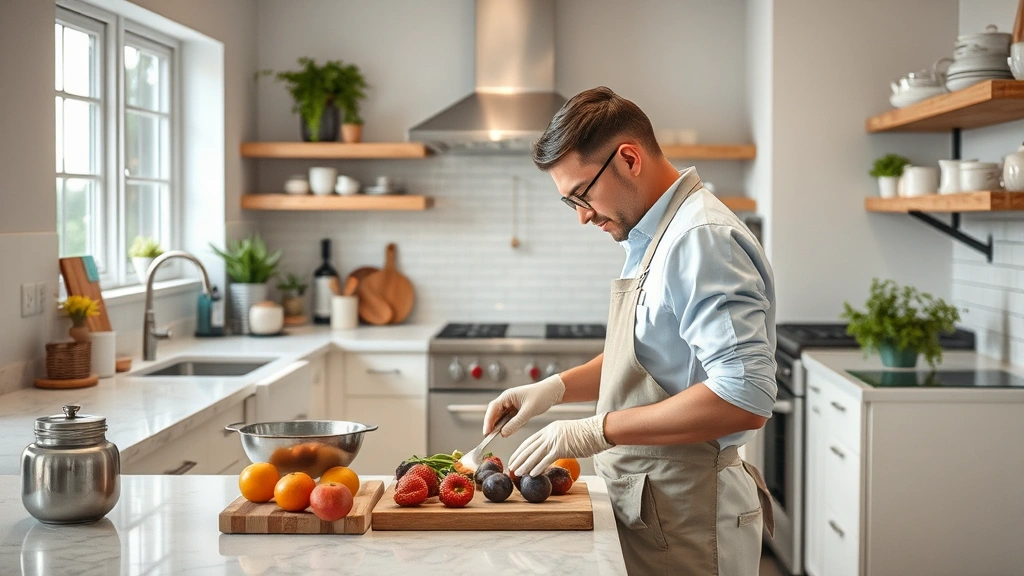
You don’t need much. A sharp knife, cutting board, blender or food processor, and glass bottles are really all it takes. An immersion blender works in a pinch. If you’re doing serious roasting, a cast iron skillet or baking sheet handles it perfectly. Rubber gloves are smart when handling hot peppers—capsaicin oil lingers on your hands and will absolutely wreck your eyes if you touch your face. Trust me on this one.
For fermentation, you’ll want glass jars and something to keep your peppers submerged (a smaller jar filled with water works fine). A kitchen scale helps with salt ratios for consistent fermentation. Everything else is optional—nice-to-have stuff that makes the process smoother but isn’t essential.
Frequently Asked Questions
Can I use dried peppers instead of fresh?
Absolutely. Dried peppers are actually easier to work with in some ways. Rehydrate them in warm water for 20 minutes, then blend as usual. You’ll need fewer dried peppers than fresh because the flavor concentrates during drying. Start with half the amount your recipe calls for and adjust up.
What’s the best way to reduce heat if my sauce is too spicy?
Add more of the non-spicy ingredients: more vinegar, honey, fruit, or even roasted garlic. You can also dilute with a neutral base like water or vegetable broth, though this thins the flavor. Prevention is easier than correction, so taste as you go and use fewer peppers next time.
Do I need to cook my hot sauce?
Not necessarily. Raw sauces preserve more fresh flavor and heat. However, simmering for 10-15 minutes helps flavors marry and makes the sauce slightly more shelf-stable. Fermented sauces don’t need cooking since the fermentation process preserves them naturally.
Can I use a food processor instead of a blender?
Yes, though you might get a chunkier texture. If you prefer smooth sauce, a blender works better. An immersion blender is a great middle ground—it gives you control over texture and works directly in your cooking pot.
How do I know when my fermented sauce is done?
Fermentation typically takes 2-4 weeks at room temperature. You’ll see bubbles and smell a tangy aroma. Taste it around the 2-week mark and decide if you want more funk and complexity (keep fermenting) or if it’s ready. There’s no exact finish line—it’s personal preference.
Should I strain my sauce?
Depends on your preference. Smooth sauce strains through a fine mesh or cheesecloth. Chunky sauce doesn’t. Both are valid. I usually blend mine smooth because it disperses more evenly on food, but rustic texture has its charm.
Can I freeze hot sauce?
Yes. Freeze in ice cube trays, then pop cubes into freezer bags. This works great for fermented or fruit-heavy sauces. Vinegar-based sauces keep so long at room temperature that freezing isn’t usually necessary, but it doesn’t hurt them.
Final Thoughts
Making hot sauce recipes at home transforms how you cook. Once you taste a sauce you made yourself, with ingredients you selected and flavors you controlled, store-bought stuff feels bland. Start with the classic vinegar version to get comfortable with the process, then branch into fermentation or fruit-forward blends. Keep notes, taste constantly, and don’t be afraid to experiment. The worst-case scenario is you make something that’s not quite right and you try again—and honestly, even “failures” usually taste pretty good on tacos. Your kitchen is your workshop, and hot sauce is one of the easiest, most rewarding things to craft there. Get started this week.


