
Building muscle doesn’t mean you need to spend hours in the kitchen—high protein recipes are your secret weapon for getting shredded without the stress. Whether you’re meal prepping for the week or throwing together a quick dinner after the gym, these ten straightforward recipes deliver serious protein punch without fancy techniques or hard-to-find ingredients. Let’s get cooking.
Table of Contents
Why Protein Matters for Muscle
Your muscles need amino acids to repair and grow after training. Protein provides those building blocks. Most fitness experts recommend 0.7 to 1 gram of protein per pound of bodyweight daily if you’re serious about muscle building. That’s where high protein recipes become your best friend—they make hitting those targets feel less like a chore and more like actual food you want to eat. The difference between generic “healthy eating” and real muscle-building nutrition comes down to intentional protein choices at every meal.
Grilled Chicken Breasts Three Ways
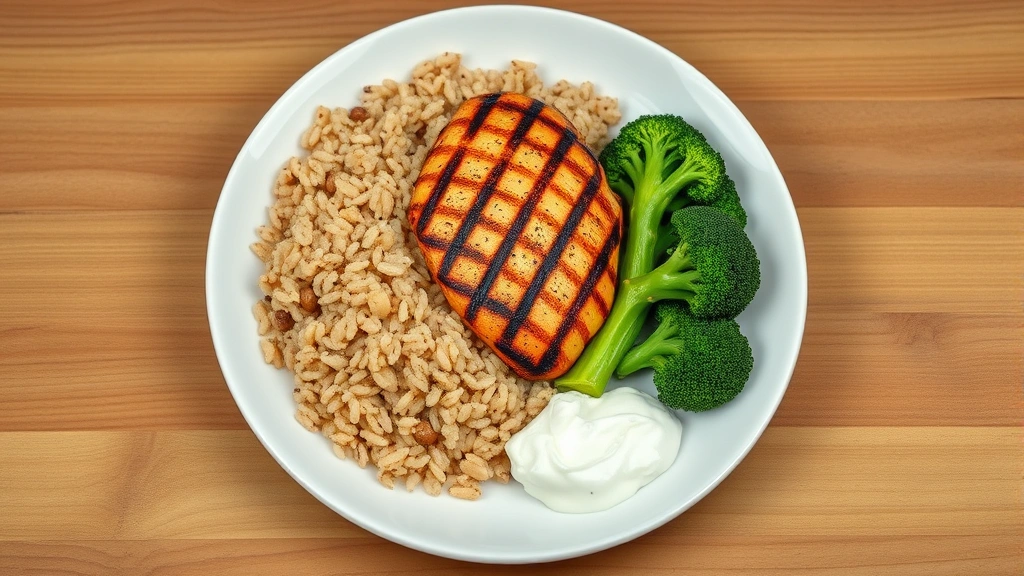
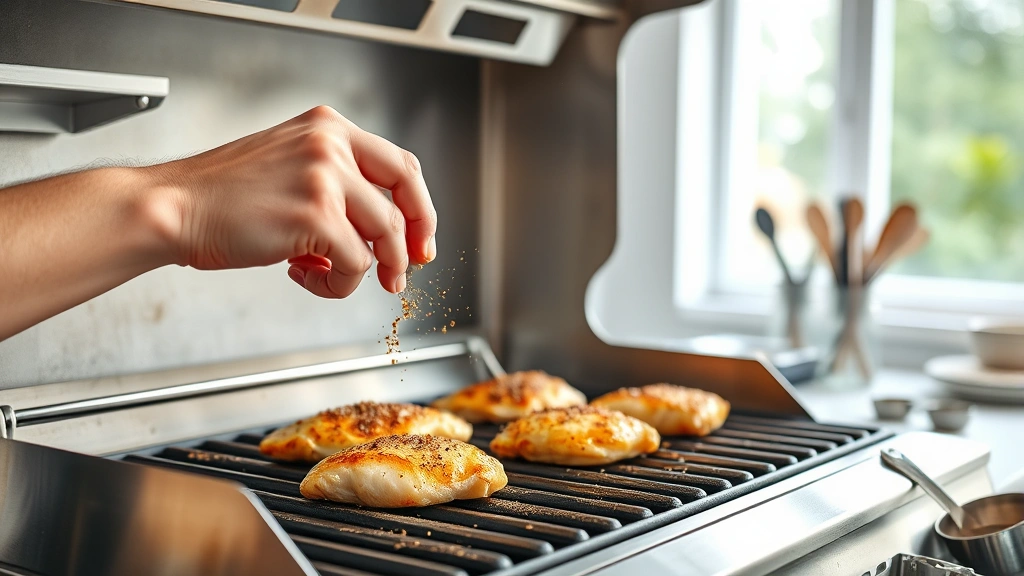
Chicken breast is the workhorse of muscle-building kitchens. One 3.5-ounce serving packs 31 grams of protein with minimal fat. The trick is keeping it from tasting like cardboard. Start by brining your breasts in saltwater for 30 minutes—this keeps the meat juicy. Pat dry, season generously with salt, pepper, and garlic powder, then grill over medium-high heat for 6-7 minutes per side depending on thickness. For variety, try three quick sauces: a simple lemon-herb butter, a spicy sriracha-mayo combo, or a teriyaki glaze made with soy sauce and honey. Batch cook five or six breasts on Sunday and you’ve got protein sorted for most of the week. Check out our guide on how long to bake chicken legs at 400 for oven-based cooking alternatives.
Greek Yogurt Protein Bowls
Greek yogurt contains nearly double the protein of regular yogurt—about 20 grams per 7-ounce serving. Build a bowl by starting with plain, unsweetened Greek yogurt (flavored versions hide sugar), then layer with granola, berries, nuts, and a drizzle of honey. For a savory angle that works great as a post-workout meal, mix Greek yogurt with herbs, garlic, and lemon juice as a dip for vegetables and whole grain crackers. The beauty of yogurt-based high protein recipes is they’re ready instantly—no cooking required. Prep containers the night before for grab-and-go breakfasts or snacks between meals.
Ground Turkey Tacos
Ground turkey delivers 22 grams of protein per 3-ounce serving with less fat than ground beef. Brown one pound of ground turkey in a skillet over medium-high heat, breaking it apart as it cooks (about 8-10 minutes). Add a packet of low-sodium taco seasoning or make your own with chili powder, cumin, paprika, and garlic powder. Warm your tortillas and load them with the seasoned turkey, then top with salsa, diced onion, cilantro, and a squeeze of lime. Serve with black beans on the side for extra fiber and plant-based protein. These tacos freeze beautifully—make a double batch and reheat whenever you need a quick meal.
Egg-Based Muscle Meals
Eggs are the original protein powerhouse. One large egg contains 6 grams of protein and all nine essential amino acids. Scrambled eggs with toast takes five minutes and delivers 18 grams of protein if you use three eggs. For something more substantial, make a veggie-packed frittata: sauté diced bell peppers, onions, and spinach, pour in beaten eggs mixed with cheese, and finish under the broiler until set. A single frittata slice packs 8-10 grams of protein and stays fresh for three days in the fridge. Egg muffins are another game-changer—whisk eggs with your favorite vegetables, pour into muffin tins, and bake at 350°F for 20 minutes. Pop them out and you’ve got portable protein portions ready for busy mornings.
Baked Salmon for Gains
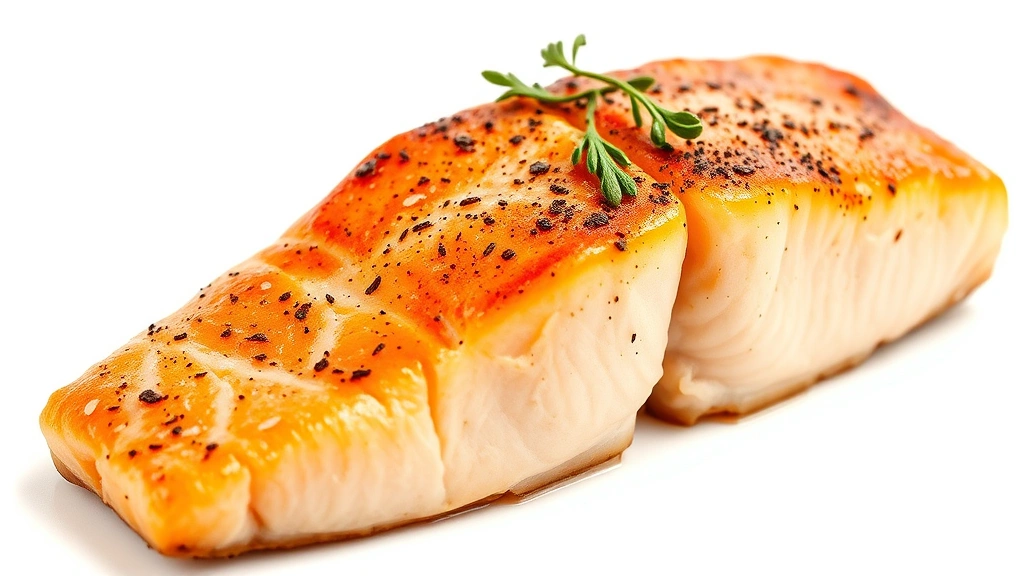
Salmon isn’t just protein—it’s also loaded with omega-3 fatty acids that reduce inflammation and support recovery. A 3.5-ounce fillet contains 25 grams of protein. Place salmon skin-side down on a parchment-lined baking sheet, season with salt, pepper, and dill, then bake at 400°F for 12-15 minutes until it flakes easily. Serve alongside rice and roasted vegetables for a complete meal that hits 40+ grams of protein. The simplicity is the point—salmon’s rich flavor needs minimal fussing. Make extra and flake it into salads the next day or mix with Greek yogurt for a protein-packed sandwich spread.
Cottage Cheese Kitchen Hacks
Cottage cheese contains 14 grams of protein per half-cup and tastes nothing like the rubbery stuff from your childhood if you buy quality brands. Mix it with berries and granola for a quick breakfast bowl, or blend it into smoothies for creamy texture without added sugar. The savory angle works too—dollop cottage cheese on whole grain toast with everything bagel seasoning and sliced tomato for an unexpected protein-rich snack. Some athletes eat cottage cheese straight from the container before bed since it’s high in casein, a slow-digesting protein that feeds muscles overnight.
Lean Beef Quick Recipes
Lean ground beef (93/7) contains 22 grams of protein per 3-ounce serving. Brown two pounds and season it simply with salt and pepper, then divide into containers for the week. Use it in lettuce wraps with sautéed mushrooms and garlic, mix into rice bowls with broccoli, or stir into tomato sauce for a protein-boosted pasta dish. Steak is another option—a 3.5-ounce sirloin provides 26 grams of protein. Season generously and sear in a hot skillet for 3-4 minutes per side for medium-rare. The key to making beef work in high protein recipes is choosing lean cuts and not overdoing portion sizes, since beef is calorie-dense.
Meal Prep Strategy
The difference between people who build muscle and those who don’t often comes down to consistency, not perfection. Set aside two hours on Sunday to cook proteins in bulk. Grill a batch of chicken, bake salmon, brown ground turkey, and hard-boil a dozen eggs. Store each protein separately in glass containers—they’ll stay fresh for 3-4 days. Pair proteins with simple carbs (rice, sweet potato, oats) and vegetables throughout the week. This approach removes decision-making when you’re tired after work. Check out our healthy lunch recipes meal prep guide for structured planning ideas. For snacks between meals, keep Greek yogurt, cottage cheese, and hard-boiled eggs on hand.
Quick Protein Smoothies
Smoothies are underrated as muscle-building tools. Blend one scoop of protein powder, one cup of Greek yogurt, one banana, one cup of berries, and one cup of milk for a drink that delivers 40+ grams of protein in seconds. Add nut butter for extra calories if you’re trying to gain weight, or keep it lean if you’re cutting. The beauty of smoothies is they work as post-workout recovery drinks or meal replacements when you’re in a rush. Make smoothie packs ahead by freezing berries and banana slices in bags—just grab one, add the other ingredients, and blend.
Budget-Friendly Protein Options
Building muscle on a tight budget is possible. Eggs are dirt cheap and protein-dense. Canned tuna and salmon cost less than fresh and contain just as much protein. Dried beans and lentils provide plant-based protein for pennies per serving. Ground turkey often costs less than chicken breast at bulk stores. Buying whole chickens and breaking them down yourself saves money compared to buying individual parts. Rice and oats are inexpensive carbs that pair perfectly with any protein. The goal isn’t fancy—it’s consistent, affordable nutrition that supports your training. Try our MCT oil for weight loss guide for budget-conscious fat additions that support metabolism.
Frequently Asked Questions
How much protein do I need daily to build muscle?
Most strength training programs recommend 0.7 to 1 gram of protein per pound of bodyweight. A 180-pound person would aim for 126-180 grams daily. Spread this across 4-5 meals for optimal muscle protein synthesis throughout the day.
Can I build muscle on plant-based high protein recipes?
Absolutely. Combine legumes, tofu, tempeh, nuts, seeds, and whole grains to hit protein targets. Plant-based proteins are often lower in calories, so you may need larger portions. Track your intake to ensure you’re meeting daily goals.
What’s the best time to eat high protein meals?
Consume protein within 1-2 hours after training when your muscles are primed for growth. However, total daily protein intake matters more than timing. Spread protein evenly across meals rather than loading it all at dinner.
How long do prepped high protein recipes last in the fridge?
Cooked proteins last 3-4 days when stored in airtight containers. Freeze extras for up to three months. Thaw overnight in the refrigerator before reheating. Always check for off smells or discoloration before eating.
Do I need protein powder for high protein recipes?
No. Whole food sources like chicken, eggs, fish, and Greek yogurt work perfectly. Protein powder is convenient for smoothies and quick options, but it’s optional. Focus on whole foods first, then add powder if needed.
The Takeaway
Building muscle comes down to training hard, eating enough calories, and hitting your protein targets consistently. These ten high protein recipes remove the complexity from nutrition so you can focus on the iron. Start with whichever recipes appeal to you, batch cook on Sunday, and eat the same meals throughout the week. Boring? Maybe. Effective? Absolutely. Your physique will thank you for the consistency. Pick three recipes that fit your taste, master them, and rotate in new ones every few weeks to keep things fresh. That’s the real secret to sustainable muscle-building nutrition.


