
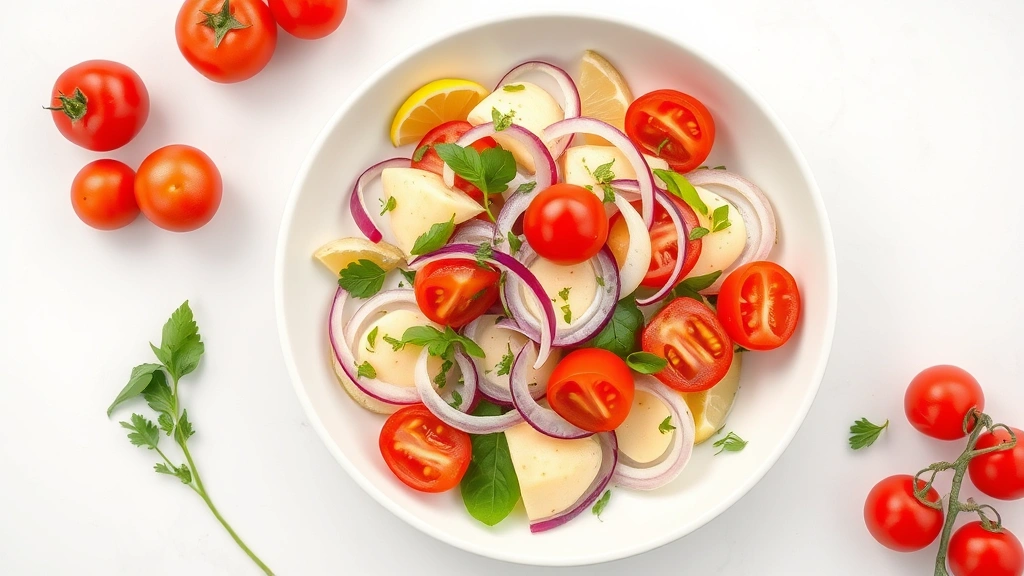
Hearts of palm recipes offer an incredible canvas for creative cooking, whether you’re looking for quick weeknight dinners or impressive dishes to wow your guests. This versatile vegetable—harvested from the inner core of certain palm trees—brings a tender, slightly nutty flavor and satisfying texture that works beautifully in salads, stir-fries, pasta dishes, and so much more.
Table of Contents
Classic Hearts of Palm Salad
The simplest hearts of palm recipes often deliver the best results. Start with a can or jar of hearts of palm (drained and rinsed), then combine them with cherry tomatoes, red onion, and crisp cucumber. The key here is letting the natural texture of the palm hearts shine through without overwhelming them with heavy dressings. Toss everything with a light vinaigrette made from olive oil, lemon juice, Dijon mustard, and a touch of garlic. This approach respects the ingredient’s delicate nature while creating something you’d be proud to serve at any table. The beauty of this salad is its flexibility—add avocado for creaminess, throw in some chickpeas for protein, or mix in fresh herbs like cilantro or parsley depending on what you have on hand.
Creamy Pasta with Hearts of Palm
If you want something more substantial, creamy pasta dishes showcase hearts of palm beautifully. Cook your favorite pasta shape—penne or fettuccine work wonderfully—and set it aside. In the same pot, sauté minced garlic in butter, then add hearts of palm that you’ve cut into bite-sized pieces. Pour in heavy cream or a combination of cream and pasta water, then season with salt, pepper, and fresh herbs like thyme or basil. The pasta water helps create a silky sauce that coats everything evenly. Finish with freshly grated Parmesan cheese and a squeeze of lemon juice to brighten the flavors. This dish comes together in about 20 minutes, making it perfect for busy weeknights when you need something elegant without the fuss.
Quick Stir-Fry Technique
Hearts of palm hold their shape beautifully during high-heat cooking, which makes stir-fries one of the best hearts of palm recipes for weeknight dinners. Heat oil in a wok or large skillet over high heat, then add aromatics like garlic, ginger, and sliced onions. Once fragrant, add your hearts of palm along with other vegetables—bell peppers, snap peas, and broccoli work great. The key is keeping everything moving and not overcrowding the pan. Much like knowing how long to steam broccoli, timing matters here too. Cook for just 3-4 minutes until the vegetables are tender-crisp, then finish with a sauce made from soy sauce, sesame oil, rice vinegar, and a touch of honey. Serve over rice or noodles for a complete meal that rivals takeout.
Ceviche-Style Preparation
For something refreshing and unexpected, try preparing hearts of palm ceviche-style. Cut them into small chunks and marinate them in fresh lime juice for 15-20 minutes—the acid doesn’t “cook” them like fish, but it brightens their flavor considerably. Add diced tomatoes, red onion, jalapeño, and fresh cilantro, then drizzle with olive oil and season to taste. This works beautifully as an appetizer or light lunch, and you can serve it with tortilla chips or crackers for scooping. The acidity from the lime juice paired with the tender texture of the palm hearts creates something truly special that feels gourmet but requires minimal effort.
Grilled Hearts of Palm
Don’t overlook the grill when thinking about hearts of palm recipes. Pat your hearts of palm dry, then toss them lightly with olive oil, salt, and pepper. Thread them onto skewers (soaked in water if wooden) and grill over medium-high heat for 2-3 minutes per side until you get light char marks. The heat caramelizes the outside slightly while keeping the inside tender. Serve them with a chimichurri sauce, garlic aioli, or simply with a squeeze of fresh lemon. This preparation works wonderfully as a side dish alongside grilled proteins or as a vegetable-forward main course for vegetarian meals. The slight smokiness from the grill adds depth that complements the palm hearts’ natural flavor beautifully.
Comfort Soup Recipe
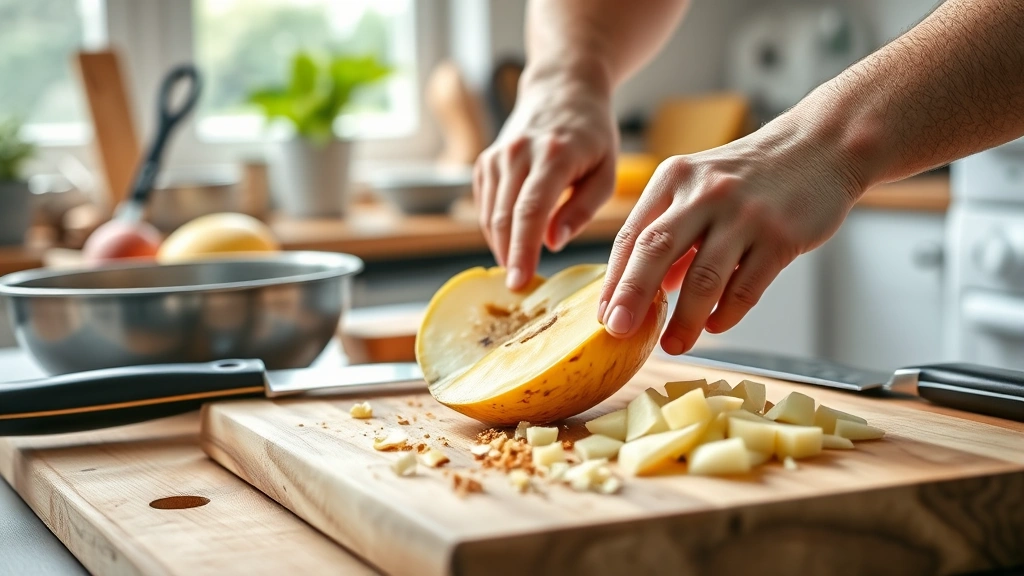
Hearts of palm shine in creamy soups where their tender texture becomes a feature rather than an afterthought. Start by sautéing diced onion, celery, and carrot in butter until softened, then add vegetable or chicken broth. Bring to a simmer and add your hearts of palm cut into chunks, along with potatoes or other vegetables you enjoy. Let everything cook until the potatoes are tender, then finish with cream and fresh herbs. You can mash some of the vegetables to thicken the soup naturally, creating a rustic texture. Season carefully with salt and pepper, tasting as you go. This soup is exactly the kind of comfort food that feels homemade and satisfying, perfect for cooler weather or whenever you need something warming and nourishing.
Appetizer Inspiration
Transform hearts of palm into elegant appetizers that’ll impress your guests. One simple approach: arrange hearts of palm on a platter with roasted red peppers, olives, fresh mozzarella, and a drizzle of balsamic reduction. Another option involves wrapping hearts of palm in prosciutto and baking until the meat crisps up. Or try stuffing halved hearts of palm with a mixture of cream cheese, herbs, and sun-dried tomatoes, then baking until heated through. These appetizer-style hearts of palm recipes prove that this ingredient deserves a place at your next gathering. The key is treating them as the star rather than a supporting player—let their unique texture and subtle flavor take center stage.
Storage and Prep Tips
Understanding how to handle hearts of palm properly ensures your recipes succeed every time. Canned hearts of palm should be drained and rinsed before use to remove excess sodium and any tinny flavor. If you’re not using them immediately, store them in a container with water in the refrigerator for up to a week—change the water every couple of days to keep them fresh. Fresh hearts of palm, if you can find them, should be used within a few days and stored in the crisper drawer. When prepping, handle them gently since they’re delicate—cut them with a sharp knife using gentle pressure rather than aggressive sawing. Consider the texture you want: leave them whole for salads and appetizers, cut them into chunks for soups and stir-fries, or slice them thinly for more delicate preparations. Much like knowing how to keep apples from turning brown, a little preparation knowledge goes a long way.
Frequently Asked Questions
Are hearts of palm healthy?
Absolutely. Hearts of palm are low in calories (about 30 per cup), contain fiber, and provide several important minerals including potassium and manganese. They’re also naturally low in fat and sodium, making them an excellent choice for health-conscious cooking. The canned varieties do contain added sodium, so rinsing helps reduce that.
Can you eat hearts of palm raw?
Yes, hearts of palm from cans are already cooked during processing, so they’re safe to eat straight from the jar. Raw preparation works beautifully in salads, ceviches, and cold appetizers. Their tender texture makes them perfect for eating without cooking.

What do hearts of palm taste like?
Hearts of palm have a mild, slightly nutty flavor with a tender, almost artichoke-like texture. They’re fairly neutral, which makes them incredibly versatile—they absorb flavors from dressings, sauces, and other ingredients while maintaining their own subtle character.
Where can you buy hearts of palm?
Most grocery stores stock canned hearts of palm in the vegetable or international foods aisle. They’re also available online through various retailers. Look for brands that specify they’re sustainably harvested if that’s important to you.
How do you prepare fresh hearts of palm?
Fresh hearts of palm should be peeled to remove the outer fibrous layers, then sliced or chopped depending on your recipe. They can be boiled, steamed, grilled, or sautéed. Most recipes work with either fresh or canned varieties, though cooking times may vary slightly.
Final Thoughts
Hearts of palm recipes deserve a permanent spot in your cooking rotation. Whether you’re building a simple salad, creating a creamy pasta dish, or grilling them for a summer side, this ingredient brings something special to the table. The versatility means you can experiment freely—combine them with Mediterranean flavors one night, Asian-inspired preparations the next, or Latin American-style dishes another time. Start with whichever recipe appeals to you most, then branch out as your confidence grows. The beauty of hearts of palm is that they’re forgiving; they hold up well to various cooking methods and pair beautifully with countless other ingredients. For more cooking inspiration, check out resources from Family Handyman and This Old House for additional kitchen tips. Your next favorite dish might be just one hearts of palm recipe away.


