
Healthy potato recipes don’t mean boring, bland meals—they mean discovering how to cook potatoes in ways that maximize nutrition while keeping them tasting absolutely delicious. Whether you’re roasting, boiling, or air-frying, potatoes are a versatile canvas for creative, wholesome cooking that fits any diet or lifestyle.
Table of Contents
Roasted Herb Potatoes
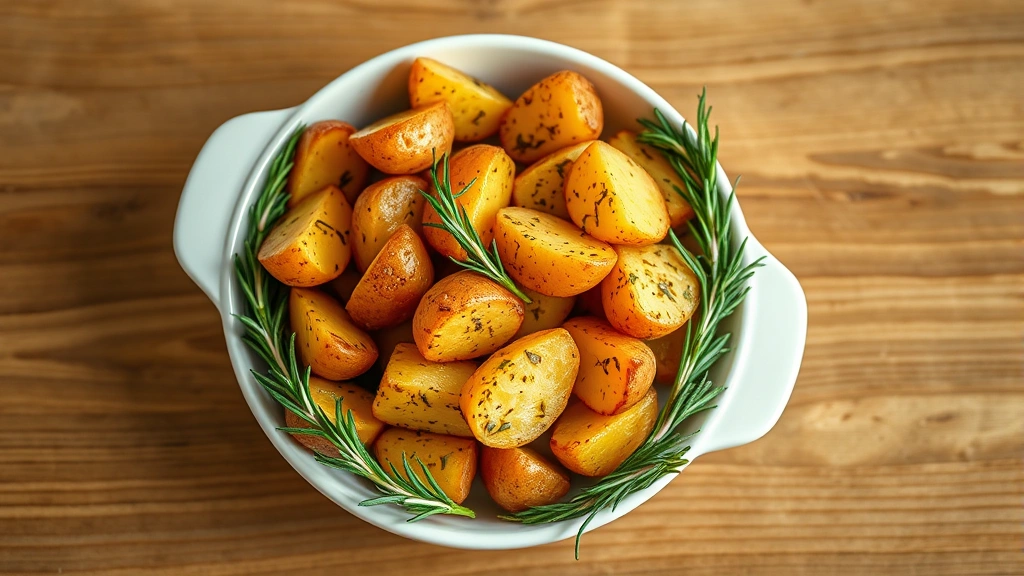
Roasting is one of the best cooking methods for healthy potato recipes because it caramelizes the natural sugars without deep-frying. Cut your potatoes into uniform 1-inch cubes, toss with just 1-2 tablespoons of olive oil per pound, then season generously with fresh rosemary, thyme, garlic powder, and sea salt. Spread them on a baking sheet and roast at 425°F for 25-30 minutes, stirring halfway through.
The key to crispy-edged, tender-inside roasted potatoes is not crowding the pan. Give them space to breathe. You’ll develop a golden crust that provides texture and flavor without excess oil. This method works equally well for Yukon golds, fingerlings, or russets—each variety brings slightly different characteristics to the table.
Boiled Potato Salad
Boiling potatoes is the foundation for classic potato salads, and you can make them healthy by using Greek yogurt or light mayo instead of heavy cream-based dressings. Boil waxy potatoes like reds or fingerlings until just fork-tender—about 12-15 minutes. The key is not overcooking them, which makes them waterlogged and mushy.
Once cooled, combine with fresh vegetables like celery, red onion, and bell peppers. Add fresh herbs like dill or parsley, then dress with a mixture of 2 parts Greek yogurt to 1 part light mayo, plus Dijon mustard and lemon juice. This approach cuts calories significantly while maintaining creamy texture and tangy flavor. You can also check out our butter beans recipe for similar salad-based preparation methods.
Air Fryer Potato Wedges
Air fryers have revolutionized healthy potato recipes by delivering crispy results with minimal oil. Cut potatoes into wedge shapes, spray lightly with cooking spray (about 1 teaspoon per potato), and season with paprika, garlic powder, and black pepper. Air fry at 380°F for 15-18 minutes, shaking the basket halfway through.
The result is crispy exterior and fluffy interior without the grease of traditional frying. These wedges work as a side dish or snack, and you can experiment with different seasonings—Cajun spice, Italian herbs, or even a light curry powder. For more air fryer inspiration, explore our air fried cauliflower recipe for similar techniques.
Mashed Potatoes with Cauliflower
Here’s a clever technique for reducing calories and increasing nutrition: blend mashed potatoes with steamed cauliflower. Use a 50/50 ratio to start, then adjust based on preference. Boil both vegetables until tender, then mash together with a splash of low-fat milk, a touch of butter, and fresh chives.
The cauliflower adds volume and creaminess while cutting the starch content roughly in half. Most people can’t detect the cauliflower in the final dish, but they definitely notice the lighter, less-heavy feeling after eating. This is comfort food that doesn’t weigh you down—perfect for anyone managing blood sugar or watching carb intake.
Baked Stuffed Potatoes
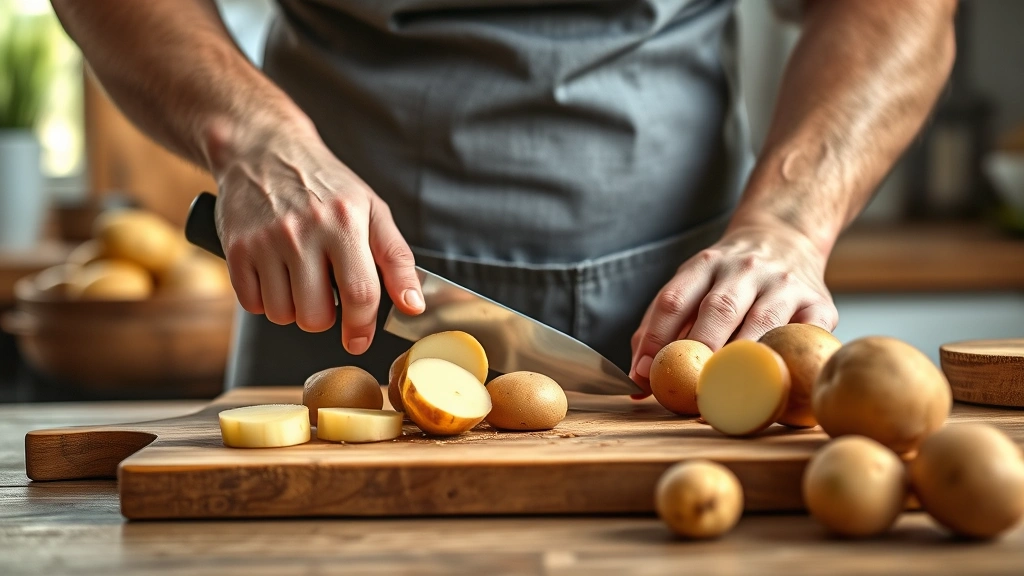
Baking large russet potatoes creates a vehicle for nutrient-dense fillings. Bake at 400°F for 45-50 minutes until the skin is crispy and insides are tender. Cut in half and scoop out some of the flesh, then fill with combinations like seasoned ground turkey, sautéed mushrooms and spinach, or black beans with salsa and a sprinkle of reduced-fat cheese.
The potato skin is packed with fiber and nutrients, so always eat it. You’re essentially creating a complete meal in one package—starch, protein, vegetables, and healthy fats all together. This approach makes meal prep easy and portion control straightforward. Similar to how we approach candied sweet potato recipes, you can customize baked potatoes to suit any dietary preference.
Steamed New Potatoes
New potatoes are small, waxy varieties harvested early in the season. Steaming them whole preserves maximum nutrition since you’re not leaching nutrients into cooking water. Place small new potatoes in a steamer basket over boiling water for 10-12 minutes until just tender.
Toss the steamed potatoes with fresh herbs like mint, parsley, or dill, a squeeze of lemon juice, and minimal butter or olive oil. The delicate flavor of new potatoes shines through without heavy sauces or seasonings. This is simplicity at its best—letting the ingredient speak for itself while maintaining nutritional integrity.
Sweet vs Regular Potatoes
Both sweet and regular potatoes belong in healthy potato recipes, but they offer different benefits. Regular potatoes contain more potassium and vitamin B6, while sweet potatoes excel in beta-carotene and fiber. Regular potatoes have a lower glycemic index than many assume, especially when cooked and cooled.
The key difference is preparation method. A baked regular potato with skin intact is healthier than a sweet potato smothered in brown sugar and marshmallows. Conversely, a simply roasted sweet potato with cinnamon and a touch of honey beats a regular potato loaded with sour cream and bacon. Consider our air fryer tilapia recipe as a protein pairing—both potatoes work beautifully alongside fish.
Storage and Prep Tips
Proper storage keeps potatoes fresh and ready for healthy cooking. Store them in a cool, dark place (not the refrigerator, which converts starches to sugars) in a paper bag or ventilated container. Keep them away from onions, which release gases that accelerate spoilage. Whole potatoes last 2-3 weeks; cooked potatoes last 3-4 days in the refrigerator.
For meal prep, cook potatoes in bulk and refrigerate. Cooked potatoes actually develop resistant starch, a type of carbohydrate that acts more like fiber in your body. This means precooked, cooled potatoes are arguably healthier than freshly cooked ones. You can reheat them or eat them cold in salads—they’re incredibly flexible. Check out candied carrots recipe for other vegetable prep strategies.
Frequently Asked Questions
Are potatoes healthy for weight loss?
Yes, potatoes are surprisingly effective for weight loss. They score highest on the satiety index, meaning they keep you full longer than most foods. The key is preparation—baked, boiled, or roasted potatoes with minimal added fat are nutritious and filling. Avoid deep frying, heavy cream sauces, and excessive butter.
Should I peel potatoes before cooking?
The skin contains most of the fiber and many nutrients, so leave it on when possible. For mashed potatoes, red-skinned varieties look appealing with skins intact. For dishes where appearance matters less, keeping the skin is the healthier choice. Just scrub them thoroughly under running water first.
How much potato is a healthy serving?
A healthy serving is about 150-200 grams or roughly one medium potato. This provides around 100-130 calories and significant nutrients. Pair it with lean protein and vegetables for a balanced meal. The portion size matters less than overall meal composition and cooking method.
Can I eat potatoes every day?
Absolutely. Potatoes are nutrient-dense and can be part of a daily diet. They contain vitamin C, potassium, manganese, and B vitamins. The variety in how you prepare them—roasted one day, boiled the next, steamed another day—keeps meals interesting while providing consistent nutrition.
What’s the best cooking method for nutrients?
Steaming and boiling preserve the most nutrients, though some leach into cooking water. Baking with skin intact is an excellent second choice. Roasting with minimal oil is also nutritious and creates appealing texture. Avoid prolonged boiling or peeling before cooking, which removes valuable nutrients.
Are instant mashed potatoes healthy?
Instant mashed potatoes lack the fiber and some nutrients of whole potatoes, and they often contain additives. Fresh potatoes take only slightly longer to prepare—boil for 12-15 minutes, then mash. The small time investment pays dividends in nutrition and taste. If convenience matters, prepare large batches and refrigerate.
The Bottom Line on Healthy Potato Recipes
Potatoes deserve a place in any healthy diet. They’re affordable, versatile, filling, and genuinely nutritious when prepared thoughtfully. The ten approaches we’ve covered—from roasting with herbs to air-frying wedges to blending with cauliflower—show just how many ways you can enjoy them without sacrificing health for taste.
Start with one method that appeals to you, master it, then branch out. Keep the skin on, use minimal added fat, pair with vegetables and lean protein, and you’ve got a foundation for countless healthy meals. Potatoes aren’t the enemy; they’re a reliable, satisfying ingredient that makes healthy eating actually enjoyable.


