
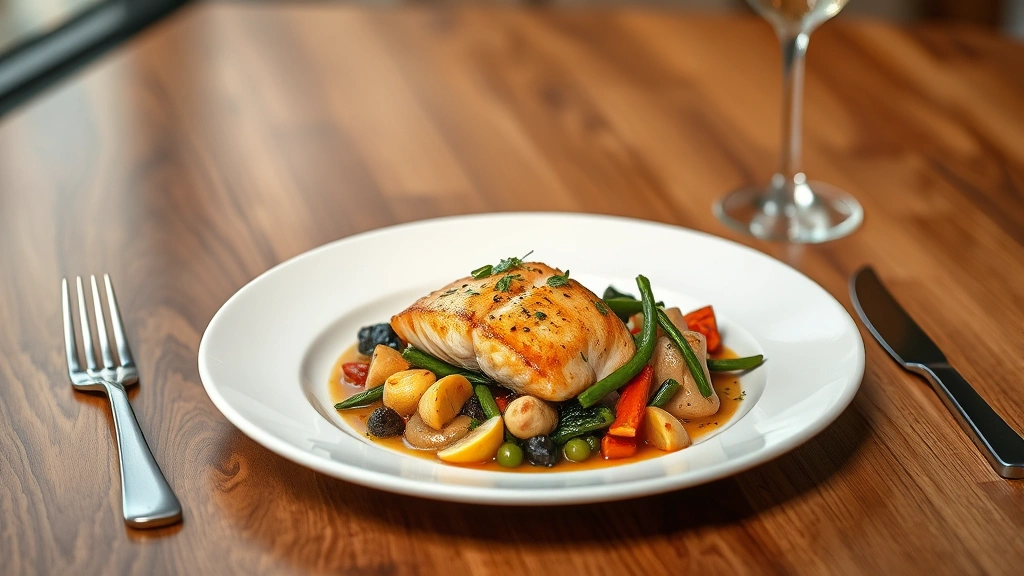
Finding healthy dinner recipes for 2 doesn’t mean you’re stuck eating boring salads or spending hours in the kitchen. Whether you’re cooking for a partner, a roommate, or just want to nail portion control, I’ve got you covered with recipes that actually taste good and won’t leave you with a week’s worth of leftovers.
Table of Contents
Why Cooking for Two Matters
Cooking for two is its own beast. You can’t just scale down family recipes—you’ll end up with weird ingredient ratios and frustrated taste buds. The sweet spot is finding meals that use whole ingredients efficiently, don’t require specialty equipment, and actually deliver flavor without fuss. When you’re cooking for just two people, you have an advantage: you can be intentional about quality.
Quick Protein Options
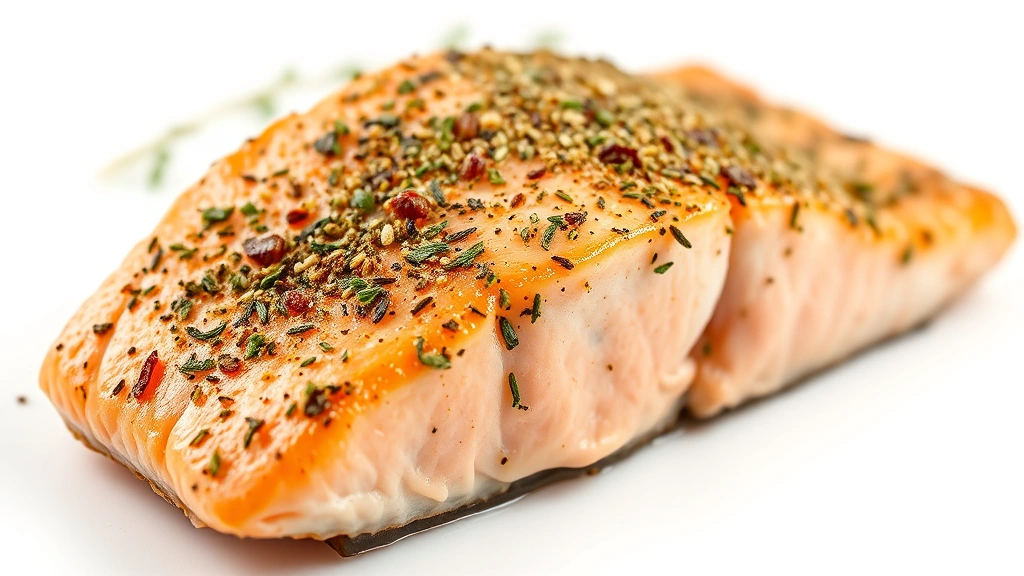
Let’s start with the backbone of any healthy dinner. Protein cooks fast when you choose the right cuts. Chicken breasts (pounded thin), salmon fillets, and ground turkey all hit the table in 15-20 minutes. A simple approach: season generously with salt, pepper, and whatever herbs you’ve got, then sear in a hot pan with a touch of oil. The Maillard reaction does the heavy lifting for flavor.
For beef lovers, try our Filet Mignon Recipes for an elegant option that cooks in minutes. If you’re leaning vegetarian or want to mix things up, check out our Beans and Greens Recipe for a protein-packed alternative that’s surprisingly satisfying.
Sheet Pan Dinners Rule
Here’s the truth: sheet pan meals are where it’s at for cooking for two. Toss your protein and vegetables with oil and seasonings, spread on a single pan, and roast at 425°F for 20-25 minutes. Done. Cleanup is minimal, and everything cooks evenly.
Try pairing salmon with asparagus and lemon, or chicken thighs with Brussels sprouts and garlic. The key is cutting vegetables to similar sizes so they finish together. Our Harvest Bowl Recipe works beautifully as a sheet pan base—roast everything, then serve over grains or greens.
Vegetable-Forward Meals
Healthy doesn’t mean rabbit food. Load your plate with vegetables and you’ll feel full, energized, and actually excited about dinner. The trick is treating vegetables as the main event, not the side dish.
Stir-fries are your friend here. Get your pan smoking hot, work quickly with pre-prepped ingredients, and you’ve got dinner in 15 minutes. Or try our Greek Recipes for Mediterranean-inspired vegetable dishes that are naturally healthy and packed with flavor. Roasted vegetables with tahini dressing, fresh herbs, and quality olive oil elevate simple produce into something restaurant-worthy.
One-Pot Wonders
Sometimes you want comfort food that doesn’t trash your kitchen. One-pot meals are your answer. Dutch ovens, large skillets, or even a good pasta pot can handle everything from soups to braises to grain bowls.

Our Authentic Bolognese Recipe is perfect for two—make a batch, eat half tonight, freeze half for next week. The beauty of these dishes is they actually taste better the next day as flavors meld. Lentil soups, chickpea curries, and braised greens all work the same way: build flavor in layers, add your main ingredients, and let the pot do the work while you relax.
Smart Meal Prep Strategy
Prepping for two is different than prepping for a family. You’re not batch-cooking five meals—you’re being strategic about your time. Spend 30 minutes on Sunday washing and chopping vegetables, cooking a grain, and marinating a protein. That’s your foundation for three solid dinners.
Keep it simple: one type of grain (rice, quinoa, farro), one protein prepared two ways, and three different vegetables. Mix and match throughout the week. This approach gives you variety without overwhelm.
Pantry Essentials
Stock these items and you’re never more than 20 minutes from a healthy dinner: good olive oil, salt, pepper, garlic, onions, canned tomatoes, beans, lentils, rice, pasta, and whatever dried herbs you actually use. Add quality vinegars (balsamic, red wine, rice), soy sauce, and hot sauce for instant flavor bumps.
Fresh items that keep: lemons, limes, sturdy greens like kale and cabbage, carrots, and potatoes. These are your safety net when you’re not sure what to cook.
Cooking Techniques That Work
Master three techniques and you’ve got healthy dinners locked down: searing (high heat, quick cooking), roasting (set it and forget it), and braising (low and slow for flavor). Each technique pulls out different qualities in your ingredients.
Searing creates a flavorful crust on proteins—crucial for taste. Roasting brings out natural sweetness in vegetables through caramelization. Braising develops deep, complex flavors through long, gentle cooking. Knowing when to use each one separates “I made dinner” from “wow, this is actually good.”
Frequently Asked Questions
How do I avoid food waste when cooking for two?
Buy smaller portions, freeze half-portions immediately, and embrace versatility. That rotisserie chicken becomes dinner tonight, chicken salad tomorrow, and stock for soup later. Vegetables that are about to turn can go into a stir-fry or soup. Keep a “bits” container in your freezer for vegetable scraps—they’re gold for homemade stock.
What’s the fastest healthy dinner I can make?
Pasta with quality ingredients. Cook pasta, sauté garlic and red pepper flakes in olive oil, add canned tomatoes or fresh vegetables, toss with pasta, finish with fresh basil and Parmesan. Twelve minutes start to finish, genuinely delicious, and actually healthy.
Can I meal prep healthy dinners for two?
Absolutely, but keep portions in mind. Cook once, eat twice is your mantra. Make a full recipe, eat half fresh, refrigerate or freeze the rest. Most healthy dinners hold up well for 3-4 days in the fridge.
What proteins are best for beginners?
Start with chicken breasts (forgiving, fast), ground turkey (versatile, lean), and eggs (impossible to mess up). These three proteins work in dozens of preparations and build your confidence before tackling fish or beef.
How do I make healthy dinners taste exciting?
Season aggressively. Salt is your friend—it makes everything taste more like itself. Use acid (lemon, vinegar) to brighten flavors. Fresh herbs at the end add life. Quality olive oil costs more but tastes exponentially better. These four things transform basic ingredients into restaurant-quality meals.
The Bottom Line
Cooking healthy dinners for two isn’t about restriction or boring food. It’s about being intentional with ingredients, respecting the time you spend cooking, and actually enjoying what you eat. Start with one technique that appeals to you—maybe sheet pan dinners or one-pot meals—master it, then branch out. Before you know it, you’ll have a rotation of meals you genuinely look forward to eating.
The recipes linked throughout this guide—from Fall Recipes to quick proteins—are your starting points. Pick one, cook it this week, and build from there. Your future self will thank you for the effort.


