
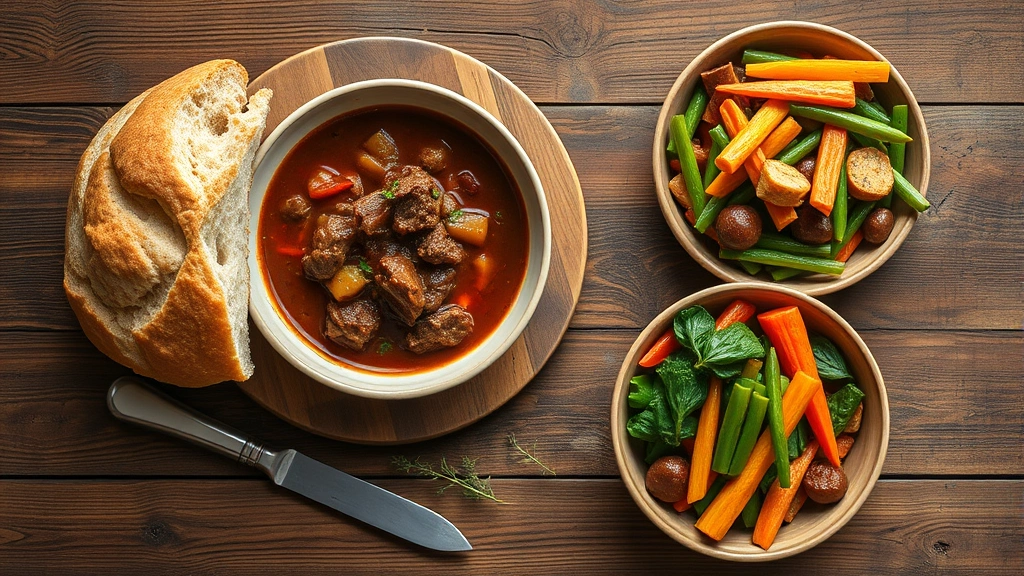
Grandma’s cheap recipes aren’t just about stretching a dollar—they’re about eating well, eating real food, and doing it without the fancy ingredients or complicated techniques that modern cooking magazines keep pushing. Your grandmother knew something we’ve mostly forgotten: the best meals come from simple ingredients, smart planning, and techniques passed down through generations. This isn’t deprivation cooking; it’s honest cooking that happens to cost way less than what we throw our money at today.
Table of Contents
Buy Bulk, Store Smart
This is where grandma’s cheap recipes start winning. Buying in bulk cuts your per-unit cost dramatically, but only if you actually use what you buy. The trick isn’t just throwing money at warehouse clubs—it’s understanding what your family eats and buying those things in quantity.
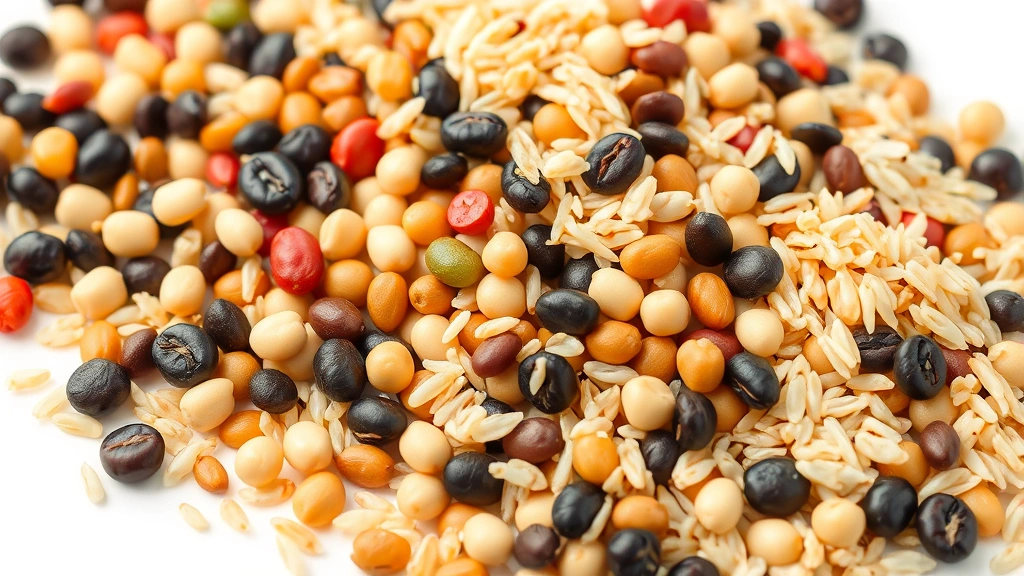
Dried goods last forever: rice, beans, lentils, flour, oats, sugar. Buy these in 5-10 pound quantities and store them in airtight containers in a cool, dark place. A single bag of dried beans costs maybe 50 cents and makes enough for multiple meals. Compare that to canned beans at $1-2 per can, and you’re looking at 75% savings. Frozen vegetables bulk up your meals cheaply and they’re frozen at peak nutrition—better than fresh that’s been sitting in your fridge for a week.
The real money move is buying meat on sale and freezing it. Check your store’s markdown section daily. That chicken thigh pack marked down because it’s nearing the date? Perfect. Freeze it immediately. Those thighs cost half what breasts do and taste better in slow-cooked dishes anyway.
Eat Seasonal, Always
When tomatoes are in season, they cost a fraction of winter prices. When strawberries flood the market in June, they’re cheap. This is basic economics, but somehow we’ve trained ourselves to want everything year-round at premium prices. Grandma’s cheap recipes followed the seasons because that’s when food was affordable.
Build your meal plan around what’s cheap right now. Summer means tomatoes, zucchini, corn, and berries. Fall brings squash, apples, and root vegetables. Winter is the time for cabbage, carrots, potatoes, and stored onions. Spring offers greens and early vegetables. Shop this way and your food budget drops 30-40% automatically.
Learn what stores do with seasonal surplus. When produce is flooding the market, prices plummet. That’s your signal to preserve it—freeze it, can it, or dry it. You’re buying at the cheapest moment and extending that savings through months when the same item costs triple.
Rice and Beans Foundation
Every culture that’s mastered cheap eating has figured out that rice and beans together make a complete protein. This combination is the foundation of grandma’s cheap recipes worldwide. A pound of dried beans costs under a dollar and makes 6-8 servings. Rice is similarly cheap. Together, they’re a meal that costs 30-50 cents per serving.
Try Greek rice recipe variations or add spices you already have. Make bhindi masala recipe style vegetable dishes over rice. The base is always cheap; the flavor comes from seasoning. Learn to cook dried beans from scratch instead of buying canned. Soak overnight, boil until tender, and you’ve got beans that cost a quarter of what canned costs.
Build a spice collection slowly. Buy the smallest containers at ethnic markets—they cost a third of supermarket prices. Cumin, coriander, turmeric, paprika, garlic powder, and onion powder transform cheap rice and beans into completely different meals throughout the week.
Stretch Vegetables Far
Grandma’s cheap recipes use vegetables as stretchers, not centerpieces. One onion, one carrot, and one celery stalk—the holy trinity—flavors gallons of soup or stew. One zucchini gets shredded into meatballs, pancakes, or mixed into ground meat to stretch it further. One head of cabbage becomes multiple meals.
Buy whole vegetables, not pre-cut. A whole head of broccoli costs less than florets in a plastic container. A whole cauliflower is cheaper than pre-riced. Yes, you do the work, but that’s the entire point. You’re trading your labor for money savings.
Use every part. Broccoli stems are delicious when peeled and cooked—don’t throw them away. Carrot tops make excellent pesto or soup. Celery leaves flavor stock. Vegetable scraps go into a freezer bag to make broth later. This isn’t waste reduction for environmental points; it’s efficiency that saves money.
Preserve Food at Home
Food preservation is where grandma’s cheap recipes multiply their value. When you preserve food at home—freezing, canning, drying—you buy at peak season when prices are lowest and extend that savings for months.
Freezing is the easiest. Blanch and freeze vegetables, freeze berries on sheet trays then in bags, freeze herbs in oil. Learn canning pickles recipe techniques for preserved vegetables that last years. Dehydrating is simple too—slice apples, tomatoes, or herbs, lay them on trays in a low oven for hours, and you’ve got shelf-stable food.
A chest freezer is one of the best investments for cheap eating. Buy meat on sale, freeze it. Buy berries at their cheapest, freeze them. Buy bread when it’s marked down, freeze it. The electricity cost is minimal compared to what you save buying at sale prices instead of regular prices.
Master Leftover Magic
Leftovers aren’t failure—they’re efficiency. Cook once, eat twice (or three times). Make a big pot of soup, stew, or braised meat. Eat it fresh one night, use it in a completely different dish the next night.
Roasted chicken becomes chicken salad, then chicken and rice soup, then gets shredded into tacos. Cooked rice becomes fried rice, rice pudding, or soup. Cooked beans go into salads, soups, or get mashed into spreads. Leftover vegetables get tossed into omelets, soups, or mixed with rice.
The mental shift matters: stop thinking of leftovers as “eating the same thing again” and start thinking of them as ingredients for new meals. Your family won’t notice they’re eating the same chicken three ways if you present it as three different meals.
Slow Cooking Transforms Cheap Cuts
Expensive cuts of meat are tender because they’re naturally tender. Cheap cuts are tough because they have more connective tissue. Low and slow cooking breaks down that connective tissue and turns tough, cheap meat into something tender and delicious. This is the magic behind grandma’s cheap recipes.
Chuck roasts, beef shanks, chicken thighs, pork shoulder—these are the cheap cuts that become incredible in a slow cooker or Dutch oven. Eight hours of slow cooking does what expensive cuts achieve naturally. A $3 chuck roast becomes a better meal than a $15 ribeye would.
Brown the meat first (don’t skip this—it develops flavor), add vegetables and liquid, and let it cook low and slow for hours. The result is tender, flavorful meat that stretches further because the cooking method makes it more tender and better tasting. This is how grandma fed large families on small budgets.
Bake Your Own Bread
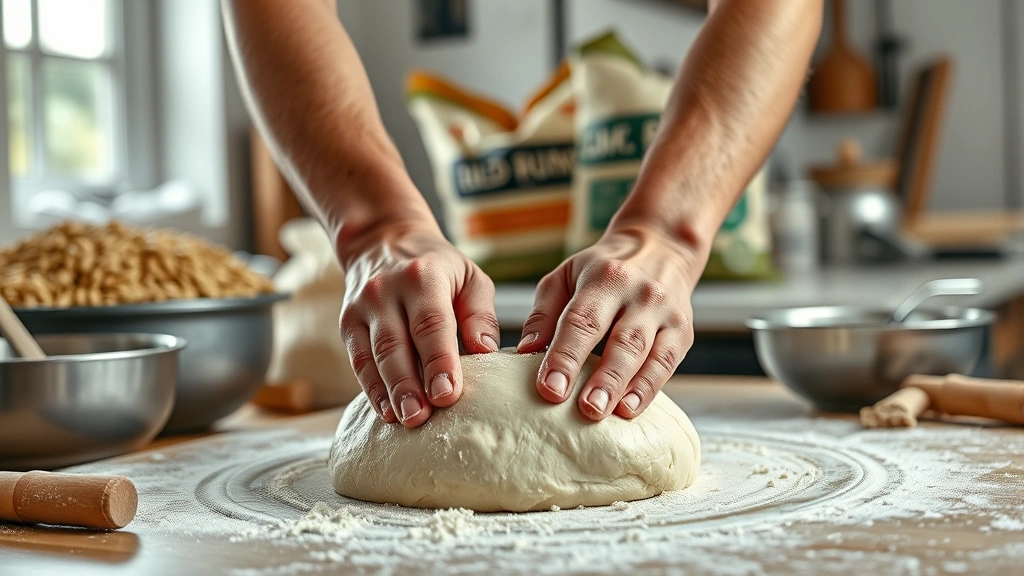
Store-bought bread costs $3-5 per loaf. A loaf of homemade bread costs about 50 cents in ingredients. The difference is staggering if your family eats bread regularly. You don’t need fancy equipment—just flour, water, salt, and yeast.
Learn a basic bread recipe and make it once a week. A stand mixer helps but isn’t necessary—hand-kneading works fine. The time investment is minimal: 15 minutes of active work spread across a day of rising and baking. Your kitchen smells incredible and you’ve saved $10-15 a week.
Once you’ve mastered basic bread, try variations: whole wheat, oatmeal, adding herbs or cheese. Biscuits, rolls, and flatbreads are even easier and faster than loaf bread. Grandma’s cheap recipes always included fresh bread because it was the cheapest way to fill bellies.
Make Stock and Broth
Store-bought broth costs $1-3 per quart. Homemade broth costs nearly nothing—it’s made from bones and vegetable scraps you’d otherwise throw away. Keep a freezer bag of vegetable scraps (onion skins, carrot tops, celery ends, herb stems) and bones from roasted chicken or meat.
When the bag is full, dump everything into a pot, cover with water, simmer for hours, strain, and you’ve got rich broth that’s infinitely better than store-bought and costs almost nothing. Use it as the base for soups, cook rice in it for extra nutrition and flavor, or drink it as-is for health benefits.
This is the ultimate waste-reduction move in grandma’s cheap recipes. Nothing gets thrown away—bones and scraps become liquid gold that flavors everything else you cook. A single chicken carcass makes a quart of broth that’s worth $3 if you bought it.
Keep Strategic Pantry Staples
A well-stocked pantry means you can make meals from what you have instead of always buying new ingredients. This isn’t about hoarding—it’s about strategic staples that are cheap, shelf-stable, and versatile.
Your foundation: rice, dried beans and lentils, pasta, canned tomatoes, flour, sugar, salt, oil, vinegar, and baking essentials. Add: dried herbs, spices, garlic powder, onion powder, chicken and vegetable bouillon. These items are cheap when bought in bulk and last months or years.
With these staples on hand, you can make dozens of meals without buying fresh ingredients. Canned tomatoes plus beans plus spices equals chili. Rice plus frozen vegetables plus bouillon equals pilaf. Pasta plus canned tomatoes plus garlic equals dinner. This is how grandma fed families affordably—she knew what she had on hand and built meals from it.
Frequently Asked Questions
How much can I actually save with grandma’s cheap recipes?
Families following these principles typically save 40-60% on their food budget. If your family currently spends $1,000 monthly on food, implementing these strategies could cut that to $400-600. The savings come from buying bulk, seasonal eating, cooking from scratch, and reducing waste. Results vary based on your current habits and family size, but the savings are substantial and consistent.
Do cheap recipes taste good or do they taste cheap?
Grandma’s cheap recipes taste good because they’re built on flavor fundamentals—proper seasoning, slow cooking, and quality technique. The money you save goes toward better quality ingredients in smaller quantities rather than mediocre ingredients in bulk. A slow-cooked stew flavored with good spices tastes better than expensive restaurant food. The secret is technique and seasoning, not expensive ingredients.
How do I get my family to eat beans and rice?
Presentation matters. Don’t serve plain beans and rice—make it a Greek rice recipe or spiced variation. Add vegetables, use good seasoning, and make it taste intentional rather than budget-conscious. Kids especially respond better when the food tastes good and doesn’t feel like “poor people food.” The goal is delicious meals that happen to be cheap, not cheap meals that taste cheap.
What’s the best first step to start saving on food?
Start with one thing: buy dried beans instead of canned, or start making your own broth, or commit to baking bread once a week. Pick one strategy that fits your life and master it before adding others. Small changes compound. One money-saving habit becomes two, then three, and suddenly you’re living grandma’s cheap recipes lifestyle without feeling deprived.
Is buying in bulk actually cheaper if I’m single or have a small family?
Yes, but strategically. Focus on items with long shelf lives: dried goods, frozen vegetables, and shelf-stable items. Skip bulk meat unless you have freezer space. Buy in bulk with a friend and split purchases. Even small households benefit from bulk dried beans, rice, and frozen vegetables. The per-unit savings are real regardless of household size.
How do I prevent food waste when buying cheap in bulk?
Plan meals around what you buy, not the other way around. Buy vegetables you actually eat. Freeze what you can’t use immediately. Use the preservation techniques mentioned—freezing, canning, drying. Keep a running inventory of what’s in your pantry and freezer. Most importantly, cook from what you have rather than letting food sit unused. Grandma’s cheap recipes work because she used everything she bought.
The Real Secret to Grandma’s Cheap Recipes
Grandma’s cheap recipes weren’t about deprivation—they were about knowing how to cook. She understood that expensive ingredients don’t make good meals; technique and seasoning do. She knew that buying seasonal meant eating better food for less money. She understood that slow cooking and preservation extended her food budget further than any discount could.
These aren’t old-fashioned ideas that don’t apply anymore. They’re fundamental truths about food economics that apply whether you’re feeding a family of two or ten. Start with one strategy, master it, then add another. Within months, you’ll be cooking like grandma did—making delicious meals for a fraction of what you used to spend.
The bonus? You’ll actually know what’s in your food, you’ll waste less, and your family will eat better. That’s not just cheap—that’s smart.


