
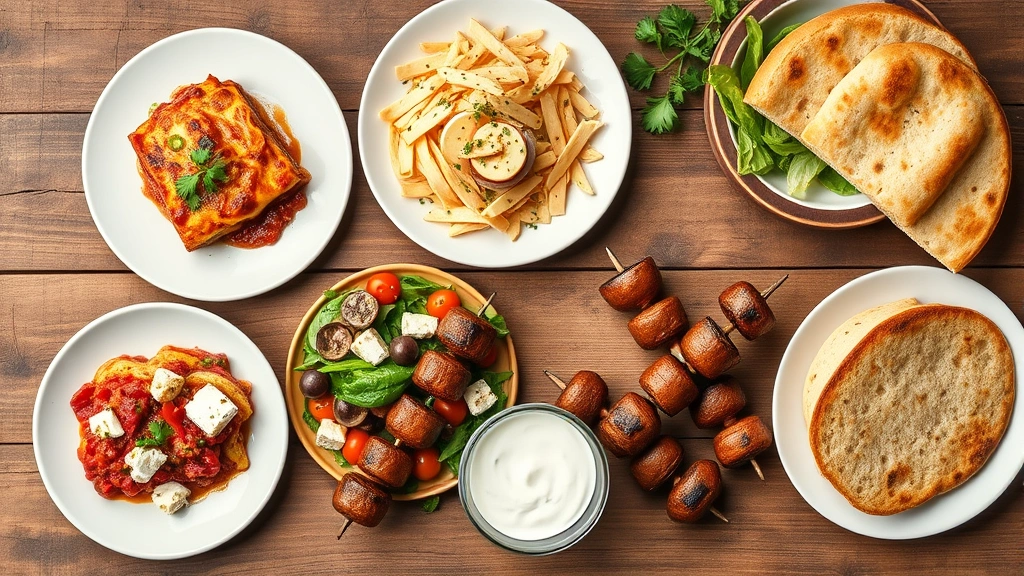
Greek recipes are the backbone of Mediterranean cooking, and once you nail the fundamentals, you’ll be serving restaurant-quality meals from your own kitchen. Whether you’re tackling moussaka for the first time or perfecting your tzatziki sauce, these ten essential dishes will transform you from a casual cook into someone who actually knows their way around Greek cuisine.
Table of Contents
Start With the Basics
Before you dive into complex Greek recipes, you need to understand the foundation. Greek cooking isn’t about fancy techniques or obscure ingredients—it’s about respecting quality components and letting them shine. Your pantry should stock extra virgin olive oil (the good stuff, not the cheap bottle), dried oregano, fresh lemons, and quality feta cheese. These four items alone will elevate your cooking immediately.
The beauty of Greek recipes lies in their simplicity. You won’t need seventeen specialty tools or hours of prep work. What you will need is patience and respect for tradition. Greeks have been perfecting these dishes for thousands of years, so there’s wisdom in following their methods rather than trying to reinvent the wheel.
Tzatziki Sauce Mastery
This is your gateway drug into Greek cooking. Tzatziki seems simple—yogurt, cucumber, garlic, dill—but the execution separates amateurs from people who actually understand flavor balance. Start with full-fat Greek yogurt (don’t cheap out here). Grate your cucumber and squeeze out every drop of moisture using cheesecloth or a clean kitchen towel. Excess water will make your sauce watery and sad.
Mince your garlic fine and let it sit in lemon juice for five minutes before adding to the yogurt. This mellows the raw garlic bite while keeping that sharp flavor you want. Fresh dill is non-negotiable—dried dill tastes like hay. Mix everything together, taste it, adjust the lemon and salt, then let it sit in the fridge for at least two hours. The flavors need time to marry together properly.
Spanakopita Technique
Spinach pie intimidates people, but it’s actually forgiving once you understand phyllo dough. The key is keeping your phyllo sheets from drying out—cover them with a damp towel while you work. Brush each sheet lightly with melted butter or olive oil. Don’t drown them; you want crispy layers, not soggy ones.
For the filling, sauté fresh spinach with onions and garlic, then mix with crumbled feta, eggs, and fresh herbs. Some people add pine nuts for texture. Layer your phyllo, add filling, top with more phyllo, then bake at 375°F until golden brown. The whole thing takes about 45 minutes and feeds a crowd. This is one of those Greek recipes that looks impressive but requires zero special skills.
Moussaka Layers
Moussaka is the Greek lasagna, and it’s a commitment. You’re building layers of eggplant, meat sauce, and béchamel. Start by slicing eggplant lengthwise, salting it heavily, and letting it sit for 30 minutes to draw out moisture. Pat dry, then either fry or roast the slices until tender.
Make your meat sauce by browning ground lamb or beef with onions and garlic, then simmering with tomato paste, cinnamon, and oregano. Yes, cinnamon—that’s what makes Greek moussaka different from Italian versions. Layer everything in a baking dish: eggplant, meat sauce, repeat. Top with a creamy béchamel sauce made from butter, flour, and milk. Bake for about an hour until the top is golden and the whole thing is bubbling at the edges.
Souvlaki Grilling
Souvlaki is grilled meat on skewers, and it’s perfect for summer entertaining. Marinate your meat—pork, chicken, or beef—in olive oil, lemon juice, garlic, oregano, and a pinch of salt for at least four hours, but overnight is better. The acid in the lemon juice tenderizes the meat while the oregano infuses flavor throughout.
Thread the meat onto skewers and grill over high heat until charred on the outside and cooked through. Serve with warm pita bread, your homemade tzatziki, and fresh tomatoes. This is casual Greek cooking at its finest. If you want to level up, try making calamari recipe variations using the same marinade technique for seafood souvlaki.
Greek Salad Foundation
A proper Greek salad—horiatiki—isn’t what you get at most American restaurants. It has tomatoes, cucumbers, onions, olives, and feta cheese dressed simply with olive oil and oregano. No lettuce. No dressing bottle. Just quality ingredients treated with respect.
The technique is straightforward: cut everything into chunks, combine in a bowl, drizzle generously with excellent olive oil, sprinkle with dried oregano, salt, and pepper. Toss gently so you don’t crush the feta. The simplicity is the point. You can’t hide behind fancy techniques here, so your ingredients must be the best you can afford. A Greek salad made with mediocre tomatoes and cheap feta will taste mediocre.

Pastitsio Comfort Food
This is Greek baked pasta, and it’s pure comfort. Cook pasta—usually a thicker variety like rigatoni—and set aside. Make a meat sauce similar to what you’d use in moussaka: ground meat, tomato paste, onions, garlic, and spices. Combine the pasta with the meat sauce, then top with béchamel sauce and bake until golden.
The beauty of pastitsio is that you can assemble it hours ahead, then bake it when you’re ready to eat. It actually tastes better the next day after the flavors have melded. This is one of those Greek recipes that feeds a crowd without requiring you to stand over a stove during dinner.
Saganaki Fried Cheese
Fried cheese is an appetizer that seems indulgent but is surprisingly simple. Use a firm cheese like halloumi or kasseri—something with a high melting point. Cut it into slabs, dredge in flour, dip in beaten egg, then dredge in breadcrumbs. Fry in olive oil until golden on both sides.
Serve immediately with lemon squeezed over the top. The outside gets crispy while the inside stays creamy. It’s the kind of dish that makes people think you’re a better cook than you actually are. Takes five minutes total, impresses everyone.
Seafood Excellence
Greece is surrounded by water, so seafood features heavily in Greek recipes. Grilled octopus, shrimp saganaki, and whole roasted fish are staples. The approach is consistent: quality seafood, minimal preparation, maximum flavor. Grill an octopus until tender, then dress with lemon and olive oil. Sauté shrimp in garlic and white wine. Roast a whole fish stuffed with herbs and lemon.
The key is not overcooking seafood. Fish and shrimp need just minutes. Octopus needs longer—boil it first until tender, then finish on the grill. These preparations showcase why Mediterranean cooking is considered some of the healthiest cuisine in the world. You’re working with whole ingredients, healthy fats, and simple preparations.
Baklava Desserts
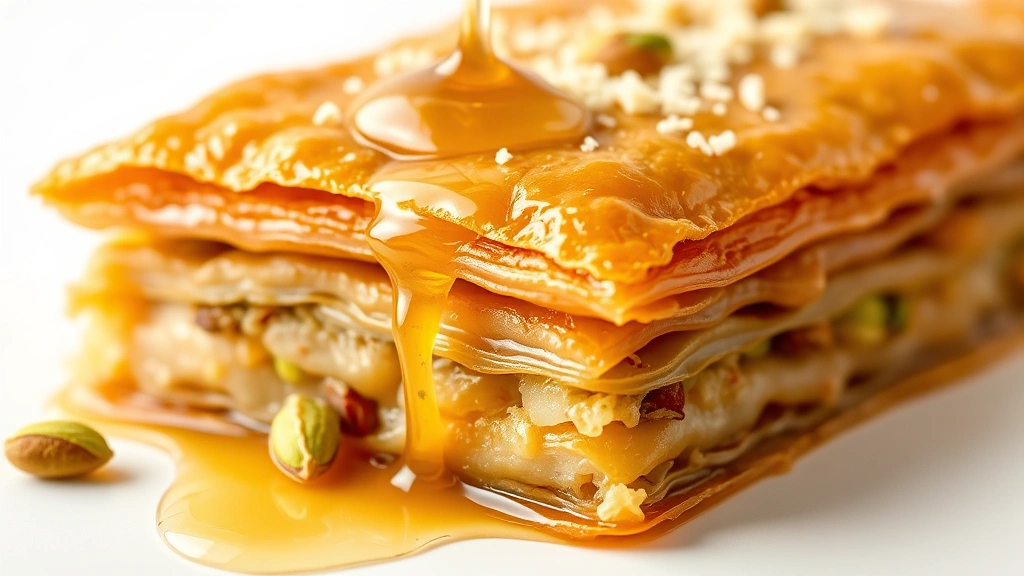
Baklava is phyllo layered with nuts and honey syrup. Sounds complicated, tastes incredible. Layer phyllo sheets with melted butter between each one. Sprinkle chopped pistachios or walnuts mixed with cinnamon between layers. Once assembled, cut into diamonds, then bake until golden.
While it’s baking, prepare your honey syrup: honey, water, cinnamon, and a squeeze of lemon juice simmered together. Pour the hot syrup over the hot baklava fresh from the oven. The contrast between the crispy phyllo, crunchy nuts, and sweet syrup is what makes this dessert so addictive. Make it a day ahead—it actually improves as it sits.
Feta Everything
Feta isn’t just for salads. Bake it in parchment paper with tomatoes and olive oil. Crumble it into pastries. Mix it into dips. Feta is the backbone of Greek cooking, and understanding how to use it will unlock dozens of recipe variations. Quality feta from Greece or Cyprus tastes completely different from the crumbly stuff in plastic containers.
Invest in real feta and taste the difference. Pair it with honey for a simple appetizer. Wrap it in phyllo. Use it as a finishing touch on grilled vegetables. Once you start thinking about feta beyond salads, your Greek cooking will level up immediately. You’ll also find these techniques work beautifully with other Mediterranean cuisines—check out resources like al pastor recipe techniques for how different cultures approach similar flavor profiles.
Essential Pantry Setup
Your Greek cooking success depends on having the right ingredients on hand. Extra virgin olive oil is non-negotiable—buy the good stuff and use it. Dried oregano should be Greek oregano if possible. Keep quality feta in your fridge. Stock Kalamata olives, tomato paste, and canned tomatoes. Fresh lemons are essential; keep several on hand always.
Phyllo dough lives in your freezer. Fresh herbs like dill, parsley, and mint should be staples. Garlic and onions are your base for everything. Once your pantry is set up properly, you’ll find that making authentic Greek recipes becomes second nature. You’re not hunting for obscure ingredients; you’re working with staples that should be in every kitchen.
Greek Cooking Philosophy
The fundamental principle of Greek recipes is respect for ingredients. You’re not masking flavors with heavy sauces or complicated techniques. You’re amplifying what’s already there. A tomato is a tomato. Feta is feta. Olive oil is olive oil. Your job is to treat these components with enough respect that they shine.
This means buying the best ingredients you can afford, using proper technique without overthinking it, and trusting the process. Greek grandmothers have been cooking these dishes for generations without food processors or fancy equipment. They’ve relied on good ingredients, proper technique, and patience. Follow that model and you’ll create food that tastes authentic and delicious.
Frequently Asked Questions
What’s the difference between Greek and Mediterranean recipes?
Greek recipes are specifically from Greece, while Mediterranean cooking encompasses the entire region around the Mediterranean Sea—Spain, Italy, Turkey, Lebanon, and more. They share similar ingredients and philosophies but have distinct flavor profiles and techniques. Greek cooking emphasizes oregano, feta, and olive oil in particular ways that are uniquely Greek.
Can I substitute ingredients in Greek recipes?
Some substitutions work better than others. You can use regular yogurt instead of Greek yogurt in tzatziki, though the texture will be thinner. Don’t substitute feta with other cheeses—the flavor is too distinctive. You can swap herbs somewhat, but oregano is pretty essential to the Greek flavor profile. When in doubt, stick to the original recipe until you understand why each ingredient matters.
How far ahead can I prepare Greek dishes?
Most Greek recipes actually improve when made ahead. Moussaka, pastitsio, and baklava all taste better the next day after flavors have melded. Tzatziki should sit for at least two hours before serving. Souvlaki can be marinated overnight. The main exception is fried items like saganaki—those need to be cooked fresh and served immediately.
Where do I find quality Greek ingredients?
Mediterranean markets will have authentic Greek products. International sections of grocery stores carry most basics. Online retailers specialize in imported Greek goods. For everyday cooking, your regular grocery store probably has everything you need—the key is buying quality within what’s available. A good feta from your local store beats mediocre imported feta.
Is Greek cooking expensive?
Not necessarily. Greek recipes use simple, affordable ingredients. Olive oil, garlic, onions, tomatoes, and beans are budget-friendly. Feta costs more than cheddar, but you use less of it. The philosophy is quality over quantity—you’re buying fewer ingredients of better quality rather than lots of processed stuff. Once you establish your pantry, ongoing costs are reasonable.
What equipment do I need for Greek cooking?
You need very little. A good knife, cutting board, mixing bowls, and basic pots and pans will cover most Greek recipes. A grill or grill pan helps for souvlaki. That’s it. Greeks didn’t develop these recipes with food processors and fancy gadgets, and you don’t need them either. Good technique with basic equipment beats fancy equipment and mediocre technique every time.
How do I make Greek recipes healthier?
Greek cooking is already one of the healthiest cuisines. The Mediterranean diet is built on these principles. Use olive oil generously—it’s healthy fat. Load up on vegetables. Choose lean proteins. The traditional approach is already optimized for nutrition. If anything, focus on portion control rather than modifying recipes.
Conclusion
Mastering Greek recipes isn’t about memorizing complicated techniques or tracking down exotic ingredients. It’s about understanding a few core principles—respect your ingredients, keep preparations simple, and trust the process—then applying those principles across a range of dishes. Start with tzatziki and Greek salad to build confidence, then move into the more involved dishes like moussaka and pastitsio. Within a few months of regular practice, you’ll be cooking Greek food that rivals restaurants, and more importantly, you’ll understand the philosophy behind why these dishes work.
The beauty of Greek cooking is that it’s simultaneously approachable and deep. You can make a delicious Greek meal with five ingredients and fifteen minutes, or you can spend hours layering flavors and techniques in a complex dish. Both approaches are equally valid. Start simple, build your skills, and before long you’ll have a repertoire of Greek recipes that you can make confidently and adjust based on what you have on hand. For more culinary inspiration across different cuisines, explore resources like Cuban recipes to understand how different cultures approach flavor building, or check out preservation techniques through canning salsa recipe methods that work across Mediterranean cooking styles.


