
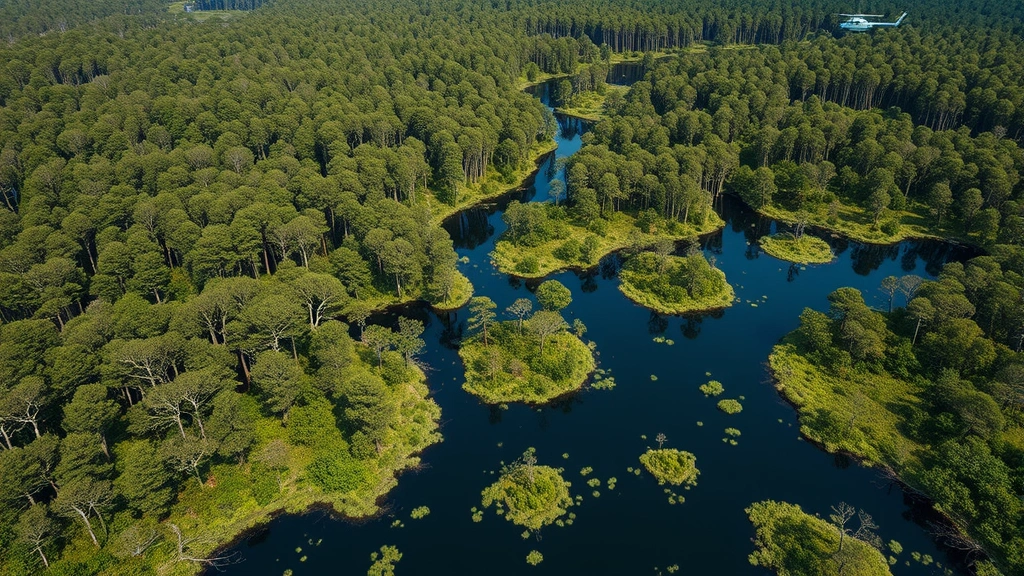
Georgia is home to how many swamps? That’s a question that surprises most folks—the answer isn’t as straightforward as you’d think, but the Peach State contains roughly 4.7 million acres of wetlands, making it one of the most biodiverse wetland regions in the entire United States. Whether you’re planning a kayaking adventure, managing property, or just curious about Georgia’s natural landscape, understanding these ecosystems is essential.
Table of Contents
What Exactly Are Wetlands?
Before we dig into Georgia’s swamp numbers, let’s clarify what we’re actually talking about. Wetlands are areas where water covers the soil or saturates it for extended periods—think marshes, swamps, bogs, and fens. The U.S. Environmental Protection Agency defines wetlands as lands transitioning between terrestrial and aquatic systems, where the water table is usually at or near the surface. This isn’t just standing water; it’s a complex ecosystem where specialized plants and animals thrive in conditions that would challenge most other habitats.
The confusion around Georgia’s swamp count comes partly from terminology. Not all wetlands are swamps—some are tidal marshes, pocosins, or cypress domes. Georgia’s wetland inventory includes all of these variations, which is why the number seems so large compared to what you might see on a basic map.
How Many Swamps Does Georgia Have?
Here’s the real answer: Georgia doesn’t have a fixed number of individual swamps. Instead, the state contains approximately 4.7 million acres of wetlands distributed across various regions. The Georgia Department of Natural Resources tracks these areas, and they’re classified into different categories: freshwater swamps, saltwater marshes, pocosins, and bottomland hardwoods.
If you’re looking for specific swamp locations rather than acreage, Georgia has dozens of named swamp systems. The most famous include the Okefenokee Swamp (shared with Florida), the Altamaha Swamp, the Savannah River Swamp, and numerous smaller systems scattered throughout the state. Rather than counting individual swamps, scientists and environmental managers focus on wetland acreage and ecosystem health.
The challenge in answering ‘how many swamps’ comes down to scale and definition. A small cypress dome might be called a swamp locally, but it wouldn’t appear on official state inventories. This is similar to how you might identify duplicates in Excel—you need clear criteria for what counts and what doesn’t.
Major Swamp Systems in Georgia
Georgia’s significant swamp systems break down into several major categories. The coastal plain region contains extensive freshwater swamps and tidal marshes. The Altamaha River system supports one of the largest intact freshwater swamp complexes on the Atlantic Coast. Moving inland, you’ll find bottomland hardwood swamps along major river valleys—these are vital for flood control and water quality.
The Savannah River Swamp represents another crucial system, stretching along the Georgia-South Carolina border. Then there’s the Okefenokee, which dominates the southeastern corner of the state. Each system has unique characteristics: different plant communities, varying water depths, and distinct wildlife populations. Understanding these differences helps explain why Georgia’s wetland count is so significant—it’s not just quantity but diversity that matters.
The Okefenokee: Georgia’s Crown Jewel
The Okefenokee Swamp deserves special attention. Spanning approximately 438,000 acres (with about 60% in Georgia and 40% in Florida), it’s one of the largest intact freshwater swamps in North America. The name comes from the Seminole word meaning ‘trembling earth’—an apt description given the floating vegetation islands that shift beneath your feet.
This swamp is a natural wonder. It contains cypress and black gum trees, dense sawgrass prairies, and open water lakes. The wildlife is incredible: alligators, black bears, panthers, and countless bird species call it home. If you’re serious about experiencing Georgia’s wetlands, the Okefenokee Visitor Center offers guided tours, kayaking opportunities, and educational programs. The ecosystem provides water purification, flood storage, and nursery habitat for commercially important fish species.
The Okefenokee isn’t just a Georgia treasure—it’s an international wetland of significance. Its protection and management involve federal, state, and private partnerships, making it a model for wetland conservation.
Wildlife and Habitat Value
Georgia’s 4.7 million acres of wetlands support an astounding variety of life. These aren’t just scenic areas—they’re biological powerhouses. Wetlands provide nursery habitat for 75% of commercially harvested fish species along the Atlantic Coast. Migratory waterfowl depend on Georgia’s marshes and swamps as crucial stopover points during spring and fall migrations.
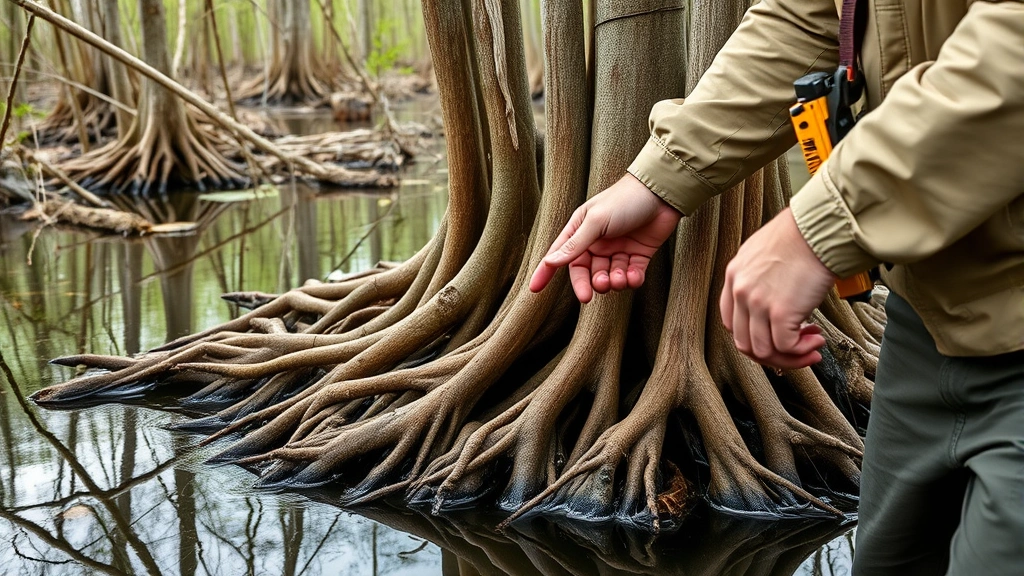
The bird diversity alone is remarkable. Herons, egrets, ibises, wood storks, and countless songbirds utilize Georgia’s wetlands. Mammals like otters, beavers, and muskrats thrive in these environments. Amphibians and reptiles find ideal breeding and feeding grounds in swamp environments. Even the plants themselves—cypress, tupelo, sweetbay magnolia, and diverse marsh vegetation—create the structure necessary for this biodiversity.
From an educational standpoint, Georgia’s wetlands offer outdoor classrooms. Students and researchers study ecology, hydrology, and wildlife management in these living laboratories. The value extends beyond wildlife; wetlands filter water, reduce flood damage, and store carbon—ecosystem services worth billions annually.
Visiting Georgia’s Swamps Safely
Want to experience Georgia’s swamps firsthand? Great! But preparation is essential. Wear appropriate clothing—long pants, closed-toe boots, and layers you can adjust. Wetlands mean moisture, insects, and temperature fluctuations. Bring insect repellent with DEET; mosquitoes and biting flies are serious considerations.
Never venture into swamps alone. Use established trails and guided tours, especially in areas like the Okefenokee. Hire experienced guides who know the terrain, wildlife behavior, and safety protocols. Bring a headlamp, first aid kit, and waterproof bag for electronics. Stay aware of water depth—what looks shallow might be unexpectedly deep.
Respect wildlife by maintaining distance. Alligators are common in Georgia swamps; observe from at least 30 feet away. Never feed any animals. Stick to designated areas and follow all posted regulations. The Georgia Department of Natural Resources maintains information about swamp access points and safety guidelines on their website.
Conservation and Protection Initiatives
Georgia’s wetlands face pressure from development, agriculture, and climate change. Fortunately, multiple conservation efforts work to protect these ecosystems. The state has wetland protection regulations requiring permits before any alteration. The Clean Water Act provides federal protection for wetlands, with the U.S. Army Corps of Engineers and EPA overseeing compliance.
Organizations like The Nature Conservancy, Ducks Unlimited, and the Georgia Audubon Society actively work on wetland restoration and acquisition. The Okefenokee National Wildlife Refuge manages one of the state’s most significant systems. Landowner incentive programs encourage private property owners to maintain and restore wetlands on their land.
Climate change adaptation is becoming increasingly important. Rising sea levels threaten coastal marshes, while changing precipitation patterns affect freshwater swamps. Scientists monitor these changes and develop management strategies to ensure long-term wetland survival. Research institutions throughout Georgia study wetland ecology, contributing to our understanding and protection efforts.
Managing Wetlands on Your Property
If you own property containing wetlands, understanding your responsibilities is crucial. Federal and state regulations protect wetlands, meaning you need permits for most alterations. This might seem restrictive, but wetlands provide real value to your property and surrounding areas.
Best management practices include maintaining native vegetation buffers, avoiding chemical inputs near wetlands, and controlling erosion. If you’re interested in wetland restoration, work with the Natural Resources Conservation Service (NRCS) or local conservation districts. They offer technical assistance and sometimes cost-sharing programs.
Documentation matters. Photograph your property, keep records of water patterns, and document any wildlife. This information helps if you ever need to verify wetland boundaries or apply for permits. Think of it like how you’d cite an internet source in MLA format—proper documentation provides credibility and clarity.
Consider enrolling in conservation easements if you’re interested in long-term protection. These legal agreements ensure wetlands remain protected even after you sell the property, providing significant tax benefits while preserving ecological value.
Frequently Asked Questions
What’s the difference between a swamp and a marsh?
Swamps are wetlands dominated by trees—cypress, tupelo, and hardwoods. Marshes are dominated by herbaceous plants like grasses and sedges. Both are wetlands, but the vegetation type differs significantly. Georgia has both, and each supports different wildlife communities.
Can I kayak in Georgia’s swamps?
Absolutely! Many Georgia swamps offer excellent kayaking opportunities. The Okefenokee, Altamaha River, and various coastal marshes provide scenic paddling. Always use established access points, go with experienced guides if possible, and follow all regulations. Check with local outfitters for current conditions and safety information.
Are alligators dangerous in Georgia swamps?
Alligators are generally shy and avoid humans. Fatal attacks are extremely rare. Maintain distance (30+ feet), never feed them, and avoid swimming in unknown waters. If you follow basic safety precautions, alligator encounters are typically non-threatening wildlife viewing opportunities.
How much of Georgia is wetlands?
Approximately 4.7 million acres of Georgia’s 37.3 million total acres are wetlands—roughly 12-13% of the state. This places Georgia among the top states for wetland acreage, particularly important for coastal and interior regions.
What can I do to help wetland conservation?
Support conservation organizations, vote for environmental protection, reduce your carbon footprint, and properly dispose of chemicals. If you own property, maintain natural buffers around wetlands. Participate in volunteer restoration projects. Educate others about wetland importance. Even small actions contribute to larger conservation goals.
Are Georgia swamps protected by law?
Yes. Federal law (Clean Water Act) and Georgia state regulations protect wetlands. The U.S. Army Corps of Engineers and EPA enforce federal protections, while the Georgia Department of Natural Resources enforces state rules. Most activities in wetlands require permits. Violations can result in significant fines.
Final Thoughts on Georgia’s Swamp Heritage
Georgia is home to how many swamps? The answer—4.7 million acres of diverse wetlands—reflects the state’s incredible natural heritage. These aren’t wastelands to be drained; they’re vital ecosystems supporting wildlife, protecting water quality, and providing recreational opportunities for millions of visitors.
Whether you’re planning a swamp adventure, managing property, or simply curious about Georgia’s natural systems, understanding wetlands enriches your appreciation for the state. From the legendary Okefenokee to countless smaller systems throughout the state, Georgia’s swamps represent a living connection to our natural world. Protect them, explore them responsibly, and share knowledge about their importance with others. Your actions today help ensure these remarkable ecosystems thrive for future generations. For more information, check the EPA’s wetlands information, Okefenokee National Wildlife Refuge, and the Georgia Department of Natural Resources.


