
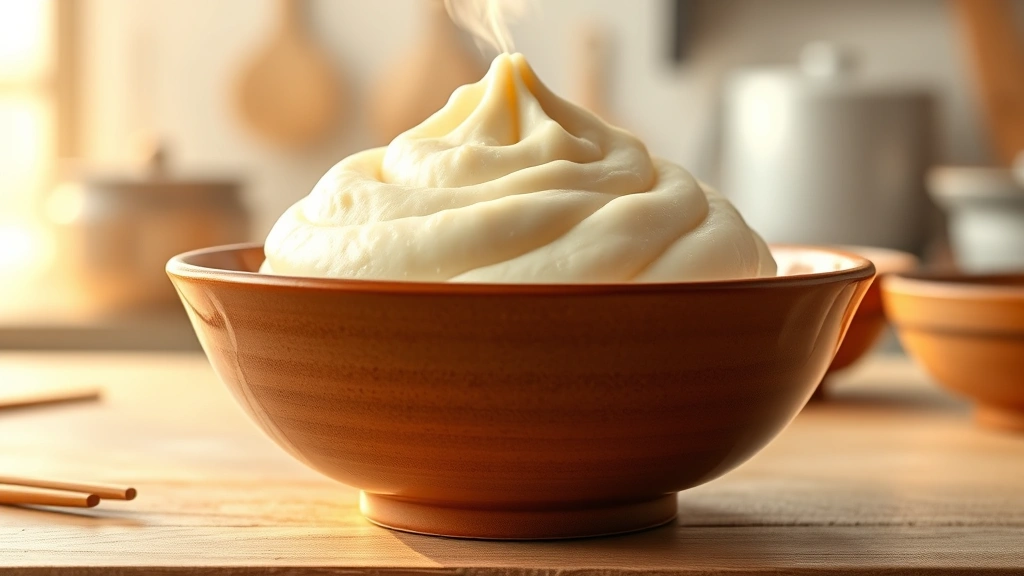
A fufu recipe is your ticket to mastering one of West Africa’s most beloved comfort foods. Whether you’re cooking for family dinner or exploring new culinary traditions, this guide walks you through the authentic process without the guesswork. Fufu—that pillowy, smooth mashed staple—might seem intimidating, but I’m breaking it down into straightforward steps that anyone can follow.
Table of Contents
What Is Fufu Exactly?
Fufu is a West African dish that’s been feeding families for generations. Think of it as a starchy, potato-like foundation that pairs with soups, stews, and sauces. The base typically combines plantains, yams, cassava, or potatoes—sometimes a blend of these. What makes fufu special isn’t just the ingredients; it’s the technique. You’re not making mashed potatoes here. Fufu requires proper boiling and vigorous mashing to create that signature smooth, elastic texture that holds together beautifully.
The dish originated in countries like Ghana, Nigeria, Cameroon, and throughout the West African region. Each area has its own variation, but the core method remains consistent. What you’re really doing is transforming humble starches into something that demands respect and technique.
Ingredients You Need
Here’s what goes into a solid fufu recipe that feeds 4-6 people:
- 2 pounds plantains (green or semi-ripe)
- 1.5 pounds yams or cassava root
- 1 teaspoon salt (adjust to taste)
- ½ teaspoon white pepper
- 4-5 cups water (for boiling)
- 2 tablespoons butter or palm oil (optional, for richness)
The plantain-to-yam ratio matters. Plantains give you that slight sweetness and creamy base, while yams add earthiness and body. If you’re working with cassava, use it as a 1:1 swap for yams. Don’t skip the salt during cooking—it seasons as you go, not just at the end.
Prep Work Matters
This step separates casual cooks from people who actually understand fufu. Start by peeling your plantains and yams under running water. Use a sharp vegetable peeler or knife to remove the thick skin completely—don’t leave brown bits behind. Those bits create texture problems later.
Cut everything into uniform 2-inch chunks. Uniformity means even cooking. Throw them into a bowl of cold water immediately after cutting to prevent oxidation (that brown discoloration). This is also the perfect time to prep any complementary dishes. If you’re making soup to go with your fufu, start that broth now so timing works out.
Unlike when you’re learning how to chop cilantro for garnish, your prep here is purely functional—you’re setting yourself up for success in the next stages.
Boiling Your Base
Fill a large pot with water and bring it to a rolling boil. Add your salt to the water before the plantains and yams go in. This is crucial. Once the water’s boiling, carefully add your chunks and stir to prevent sticking.
Here’s the thing: you’re aiming for tender-but-not-mushy. That takes about 15-20 minutes, depending on chunk size and how aggressively your stove boils. You’ll know they’re ready when a fork slides through easily with minimal resistance. Overcooked pieces turn to mush and create gluey fufu. Undercooked pieces won’t mash smoothly.
While boiling, resist the urge to drain and check constantly. Let them cook undisturbed. When you do test for doneness, use a fork on one piece—don’t fish around.
The Mashing Technique
This is where your fufu recipe becomes real. Drain your cooked plantains and yams thoroughly in a colander. Let them sit for a minute to release steam. Don’t rinse them—you want that starch.
Transfer to a large, heavy-bottomed pot or mortar. If you’re using a mortar and pestle, work in batches. If you have a potato ricer, use it first to break down the chunks, then finish with a wooden spoon or masher. Some folks use an electric mixer on low speed, but I prefer the control of hand-mashing.
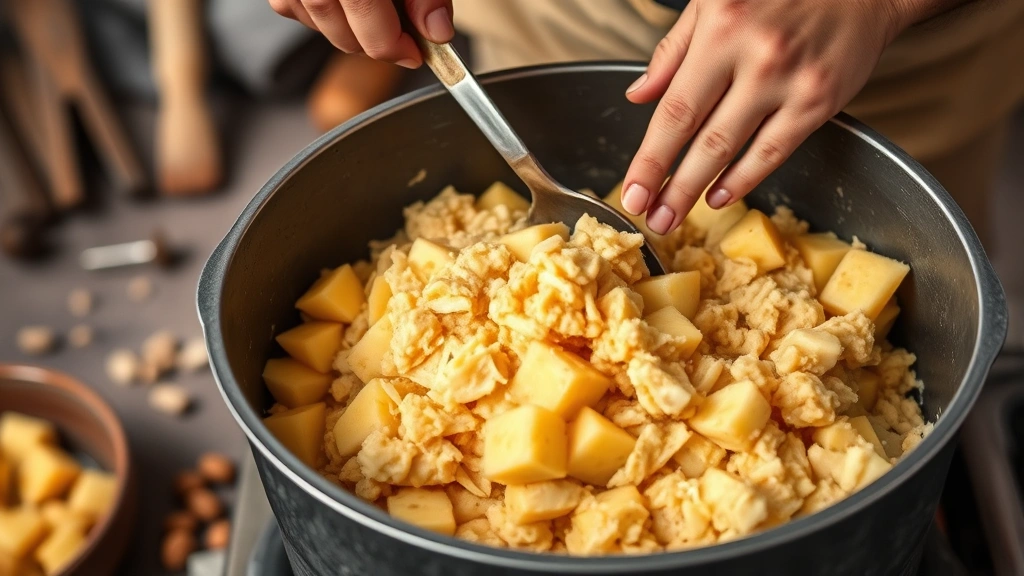
Start mashing with authority. You’re not being gentle here. Push down, twist, lift, repeat. The motion should be rhythmic and forceful. You’re breaking down cell walls and developing that smooth, cohesive texture. After 3-4 minutes of solid mashing, you’ll feel the difference—the mixture becomes less grainy and more elastic.
Achieving Perfect Texture
The goal is smooth but not wet. If your fufu is too dry, add boiling water one tablespoon at a time while mashing. If it’s too wet, keep mashing—the heat and friction will help evaporate excess moisture. Some recipes call for butter or palm oil at this stage. Add it now if you want extra richness.
The texture should be like thick mashed potatoes, but smoother and more cohesive. When you press it with the back of a spoon, it should hold shape but still move slightly. It should feel warm and slightly elastic when you handle it.
This is completely different from making side dishes like fava bean recipes or chickpeas garbanzo beans recipes, which are more about individual pieces holding their integrity. Fufu is about complete integration.
Serving Suggestions
Transfer your finished fufu to a serving bowl and shape it into a mound. Traditionally, you serve it with soup or stew on the side. The most common pairings are light soup, pepper soup, egusi soup, or peanut butter soup. The soup’s moisture complements fufu’s density perfectly.
To eat fufu authentically, you tear off a piece, form it into a ball with your fingers, make a small indent with your thumb, dip it into the soup, and eat it whole. Some people prefer eating with a spoon. Either way works—this is about enjoying the food.
You can also serve fufu alongside grilled fish, stewed meats, or vegetable dishes. Think of it as your starch base, similar to how you’d use rice or authentic jambalaya recipe components as a foundation for other proteins.
Troubleshooting Common Issues
Lumpy texture: You didn’t mash long enough or your plantains and yams weren’t cooked evenly. Solution: Keep mashing for another 2-3 minutes with more force. If pieces are still visible, press through a fine-mesh sieve.
Too sticky: You added too much water or didn’t cook long enough. Solution: Continue mashing over low heat for another minute or two. The heat helps evaporate moisture. Don’t add more plantains—you’ll throw off your ratios.
Too dry and crumbly: Undercooked pieces or you mashed too aggressively without moisture. Solution: Add boiling water one tablespoon at a time while mashing gently. It’ll come together.
Gluey and gummy: Overcooked pieces or you’re mashing with too much water. Solution: This is harder to fix. Next time, reduce water and watch cooking time carefully. For this batch, spread it thin and let it cool—texture improves as it sets.
Storage Tips
Fufu is best eaten fresh and hot, but you can store leftovers in an airtight container in the refrigerator for up to 3 days. It’ll firm up as it cools. Reheat gently in a pot with a splash of water, stirring constantly to avoid scorching.

You can also freeze fufu for up to a month. Portion it into individual servings before freezing so you can thaw only what you need. Thaw in the refrigerator overnight, then reheat as above.
Don’t microwave fufu—it tends to dry out unevenly. Stovetop reheating gives you much better control over texture.
Frequently Asked Questions
Can I make fufu with just plantains?
Yes, but it won’t have the same depth. Plantain-only fufu is lighter and slightly sweeter. It works, but traditional recipes use a blend for better texture and flavor balance.
What’s the difference between fufu and ugali?
Ugali is an East African cornmeal dish with a different texture and cooking method. Fufu is West African and uses plantains and yams. They’re not interchangeable, though both are starchy staples.
Do I need special equipment?
A heavy pot and wooden spoon work fine. A mortar and pestle is traditional. A potato ricer helps speed things up. An electric mixer works but gives less control. You don’t need anything fancy.
How do I know when it’s done mashing?
When there are no visible lumps, the mixture is smooth and elastic, and it holds together when pressed. It should feel warm and slightly bounce back when you push on it.
Can I add other ingredients to my fufu?
Absolutely. Some recipes include corn, green plantains for color variation, or even a touch of nutmeg. Experiment once you’ve mastered the basic fufu recipe.
Is fufu gluten-free?
Yes, completely. Plantains and yams are naturally gluten-free, making fufu safe for anyone avoiding gluten.
What if I can’t find plantains?
Use extra yams or cassava root. The texture will be slightly different—more earthy, less sweet—but it’s still delicious and still fufu.
How long does it take from start to finish?
About 45 minutes total. 10 minutes prep, 20 minutes boiling, 10 minutes mashing, 5 minutes for finishing touches and serving.
This fufu recipe is your foundation. Once you nail these steps, you can experiment with ratios, add-ins, and serving styles. The technique is what matters most. Master that, and you’re making authentic fufu that’ll impress anyone at your table.


