
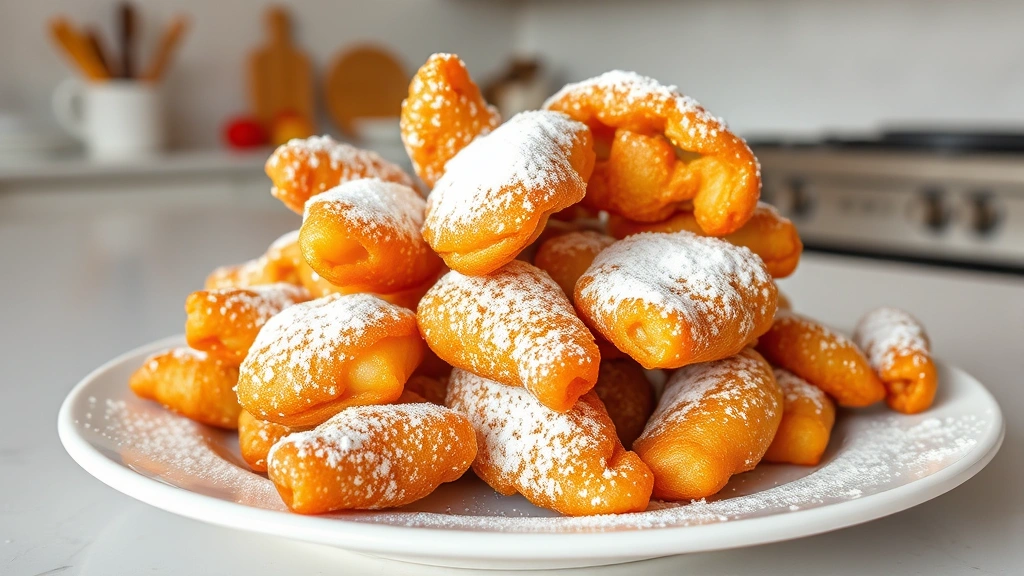
A fried dough recipe is your golden ticket to recreating that carnival magic right in your own kitchen—no fair required. Whether you’re chasing nostalgia or impressing kids with homemade treats, fried dough hits different when you make it yourself. This isn’t some complicated pastry project; we’re talking simple pantry staples, a hot pan of oil, and about 15 minutes from start to finish. Let me walk you through exactly how to nail this.
Table of Contents
Ingredients You Need
Here’s the beautiful part: this fried dough recipe uses stuff you probably already have. You need all-purpose flour (about 2 cups), warm water (roughly 3/4 cup), salt (1 teaspoon), sugar (1 tablespoon), and instant yeast (2 teaspoons). That’s legitimately it for the base dough. Then you’ll need oil for frying—vegetable or canola works great—and whatever toppings call to you. Powdered sugar, cinnamon sugar, honey, chocolate sauce—go wild.
The ingredient list is deliberately minimal because fried dough is supposed to be straightforward. No fancy butter, no eggs, no complicated enrichments. This approach keeps the dough light and crispy instead of dense. When you’re making carnival food at home, simplicity is actually your strength.
Dough Prep Basics
Start by combining your warm water with the yeast and a pinch of sugar in a bowl. Let it sit for about 5 minutes until it gets foamy—that’s your signal that the yeast is alive and ready to work. While that’s happening, mix your flour and salt in a separate bowl.
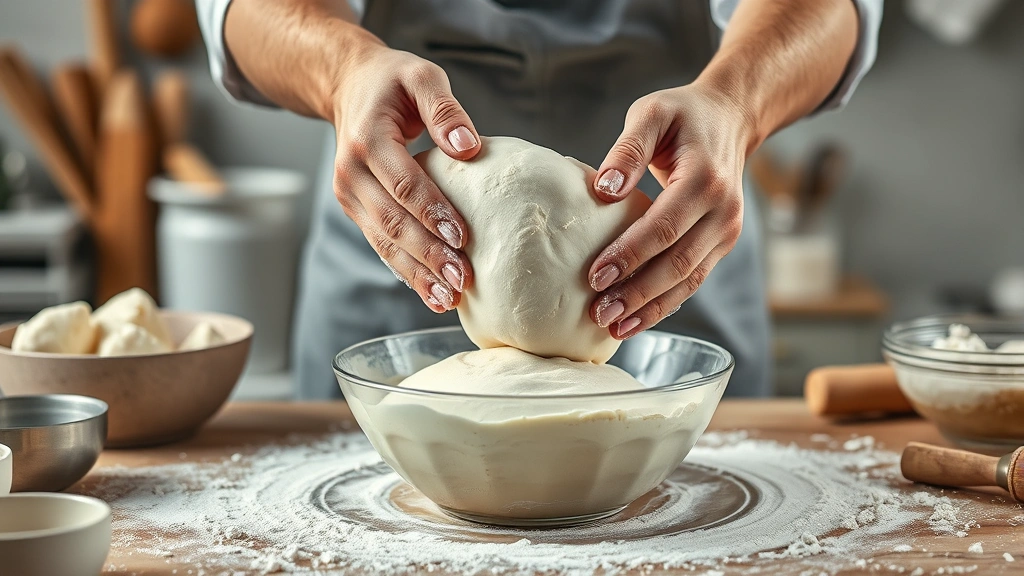
Pour the yeast mixture into your flour and stir until a shaggy dough forms. Knead it for about 5-8 minutes by hand until it’s smooth and elastic. You want it slightly sticky but not wet. If it’s too dry, add water a tablespoon at a time. If it’s too wet, dust in a bit more flour. This is where feel matters more than exact measurements.
Once your dough is ready, cover it with a damp towel and let it rise for 30-45 minutes. It should roughly double in size. You can skip this step if you’re in a hurry—the dough will still fry up fine—but that rise time creates a lighter, airier texture that’s closer to authentic carnival fried dough.
Oil Temperature Matters
This is the make-or-break element of any fried dough recipe. Too cool and your dough absorbs oil like a sponge, turning greasy and heavy. Too hot and the outside burns before the inside cooks through. You’re aiming for 350-375°F (175-190°C). Use a thermometer—don’t guess. A cheap candy thermometer works perfectly fine.
Heat your oil in a deep pan or Dutch oven. Cast iron is ideal because it holds temperature consistently. Let the oil sit at temperature for a few minutes before you start frying. When you drop a tiny piece of dough in, it should sizzle immediately and float to the surface within a few seconds. That’s your green light.
Keep the temperature steady throughout frying. If you’re cooking multiple batches, check it between rounds. Adding cold dough to hot oil drops the temperature, so you might need to let it climb back up.
Frying Technique Secrets
Tear off pieces of dough about the size of a golf ball or slightly larger. Gently stretch each piece into a rough circle about 1/4 inch thick—don’t overthink the shape. Irregular is actually more authentic and honestly more fun.
Carefully place your dough into the hot oil. It’ll sink initially, then float. Fry for about 1-2 minutes on the first side until golden brown, then flip. The second side needs another 1-2 minutes. You’re looking for an even golden-brown color, not dark brown. The whole process per piece is roughly 3-4 minutes total.
Use a slotted spoon to fish your fried dough out of the oil and place it on a paper towel-lined plate. This drains excess oil and keeps things from getting soggy. Work in batches—don’t crowd the pan. Overcrowding drops the oil temperature and creates uneven cooking.
Toppings and Finishes
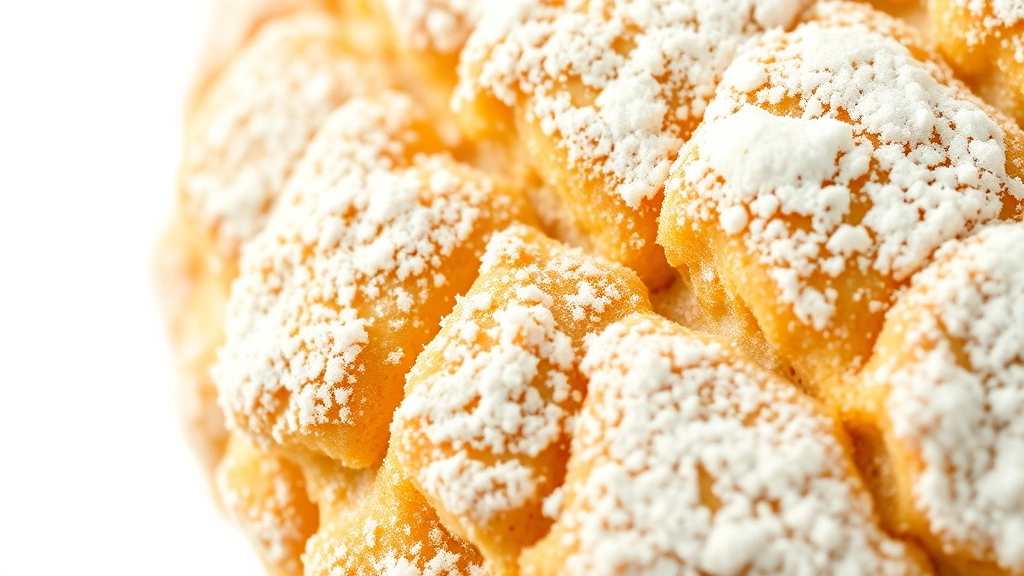
The best part about making your own fried dough recipe is the topping freedom. The classic move is powdered sugar dusted on while the dough is still warm—the heat makes it stick and creates that signature sweet coating. Cinnamon sugar is equally killer: mix cinnamon with granulated sugar, then toss your warm dough in it.
Want to get fancier? Drizzle warm honey over the top. Mix chocolate sauce with a little water and pour it on. Try a savory route with garlic powder and parmesan. Some people go the Chicago style dogs recipe route and add toppings with more complexity, but fried dough is honestly better kept simple and indulgent.
Apply toppings immediately after frying while the dough is still warm. The heat helps everything adhere and melts into the dough slightly. Cold fried dough won’t hold toppings as well.
Troubleshooting Common Issues
Dough is greasy and heavy? Your oil temperature was too low. Crank it up next time and verify with a thermometer. Dough sinks and doesn’t float? Same issue—too cool. The outside burns before cooking through? Oil’s too hot. Dial it back and aim for that 350-375°F sweet spot.
Dough doesn’t puff up? Make sure your yeast is fresh and your water was warm (not hot, which kills yeast). Also, letting it rise before frying makes a huge difference in texture. If you skip the rise, you’ll get denser results.
Dough tears or falls apart? You’re either stretching it too thin or the oil is too hot and cooking the outside too fast. Keep pieces thicker and maintain consistent temperature.
Storage and Reheating
Fried dough is best eaten fresh and warm, but you can store leftovers in an airtight container for 2-3 days. They’ll stay reasonably crispy. To reheat, pop them in a 300°F oven for about 5 minutes until warmed through. Don’t use the microwave—it makes them rubbery.
You can also prepare the dough ahead and refrigerate it for up to 24 hours before frying. This actually improves flavor slightly. Just bring it to room temperature before stretching and frying.
Variations to Try
Once you’ve nailed the basic fried dough recipe, play around. Add a tablespoon of honey to the dough itself for subtle sweetness. Brush finished dough with melted butter before topping for extra richness. Make savory versions with herbs mixed into the dough—rosemary and sea salt is exceptional.
Try different toppings inspired by your favorite flavors. A maple glaze works beautifully. Nutella drizzle is decadent. Some folks even make it a dessert by pairing it with bellini drink recipe vibes for a sophisticated treat. The dough is your canvas.
Frequently Asked Questions
Can I make fried dough without yeast?
You can, but it won’t have the same light, airy texture. A simple batter using baking powder instead of yeast will work, but it’s technically a different thing—more like funnel cake. For authentic fried dough recipe results, yeast is worth using.
How long does the dough need to rise?
Ideally 30-45 minutes until it roughly doubles. In a warm kitchen, this happens faster. In a cold kitchen, it might take longer. You can skip this step entirely if you’re short on time, but the rise creates better texture.
What oil should I use for frying?
Vegetable, canola, or peanut oil all work great. Avoid olive oil—it has a lower smoke point and will burn. Avoid butter—same issue. Stick with neutral, high-heat oils.
Why is my fried dough oily?
Oil temperature is the main culprit. If it’s below 350°F, the dough absorbs oil instead of frying. Use a thermometer and keep it in that 350-375°F range. Also, don’t let finished dough sit in oil—get it out quickly with a slotted spoon.
Can I use a deep fryer instead of a pan?
Absolutely. A deep fryer maintains temperature more precisely, which is actually ideal for fried dough recipe success. Follow the same temperature guidelines and timing.
How do I make the dough stretch without tearing?
Be gentle and patient. Let the dough relax between stretches if needed. You can also let the whole batch rest for 10 minutes after rising—this makes individual pieces easier to work with. Warm dough stretches better than cold dough.
The Takeaway
Making a fried dough recipe at home is genuinely one of the easiest ways to feel like a carnival pro. You’re working with basic ingredients, simple technique, and about 15 minutes of active time. The key is respecting oil temperature, not overthinking the process, and getting those toppings on while everything’s still warm. Start with the classic powdered sugar version, master that, then branch out into your own flavor experiments. Your kitchen’s about to smell like the fair, and your family’s going to wonder how you pulled this off so easily.


