
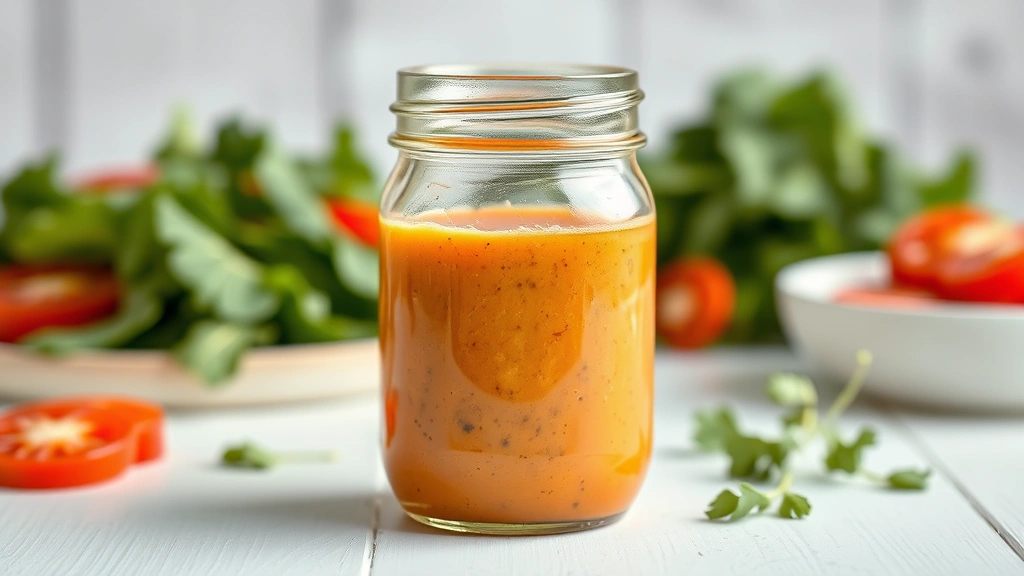
A french dressing recipe is one of those kitchen staples that separates the “I just use store-bought” crowd from folks who actually know their way around a mixing bowl. Look, I’m not being snobby here—homemade French dressing takes literally five minutes and tastes about a thousand times better than anything in a bottle. It’s tangy, slightly sweet, with that perfect emulsified texture that clings to your greens without turning them into a soggy mess. Once you nail this, you’ll wonder why you ever bothered with the bottled stuff.
Table of Contents
What is French Dressing?
French dressing isn’t what the French actually eat—that’s vinaigrette. American French dressing is the sweeter, more emulsified cousin that became popular in the mid-20th century. It’s got that signature reddish hue from ketchup or tomato, a slight sweetness from sugar, and enough tang from vinegar to make your taste buds sit up and pay attention. The key difference between this and other salad dressing recipes is the emulsification process, which creates that creamy, clingy texture without any cream involved.
Think of it as the bridge between a basic vinaigrette and a creamy dressing. It’s got body, personality, and enough punch to hold its own on hearty greens, not just delicate lettuces. You can drizzle it on wedge salads, use it as a marinade for vegetables, or even dip your fries in it (no judgment here).
Ingredients You Need
Here’s what goes into a solid french dressing recipe:
- 1/2 cup vegetable oil (neutral, doesn’t overpower)
- 1/4 cup apple cider vinegar (or white vinegar in a pinch)
- 3 tablespoons ketchup (this is your secret weapon)
- 1 tablespoon sugar (balance the acid)
- 1 teaspoon Dijon mustard (helps with emulsion)
- 1/2 teaspoon salt
- 1/4 teaspoon black pepper
- 1/4 teaspoon paprika (optional but adds depth)
- 1 small garlic clove, minced (or 1/4 teaspoon garlic powder)
That’s it. No weird additives, no preservatives, no ingredients you can’t pronounce. Everything here is something you probably already have in your kitchen right now. The ketchup is non-negotiable—it provides both sweetness and body without being obvious about it.
Step-by-Step Method
Let’s walk through this nice and easy:
Step 1: Combine Your Wet Ingredients
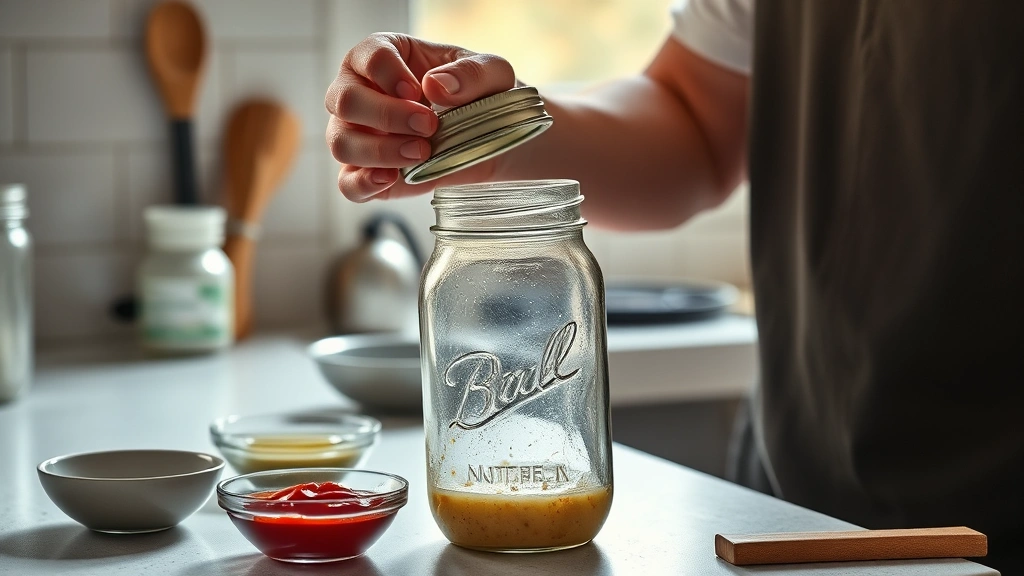
Grab a mason jar or any container with a tight-fitting lid. Pour in your vinegar first, then add the ketchup, sugar, mustard, salt, pepper, paprika, and garlic. Don’t add the oil yet—that’s coming. Give it a good stir to combine everything. You want the sugar dissolved and the ketchup fully incorporated.
Step 2: Add the Oil
Now pour in your vegetable oil. This is where patience pays off. You can either shake the jar vigorously for about 30 seconds, or pour it slowly while whisking in a bowl. The vigorous shaking method works great—just make sure your lid is on tight unless you want French dressing on your ceiling.
Step 3: Emulsify
Keep shaking or whisking for another 30 seconds after the oil is in. You’re creating an emulsion, which means the oil and vinegar are temporarily suspending in each other. The mustard and ketchup act as emulsifiers, helping everything stay together. It should go from looking separated to looking creamy and cohesive.
Step 4: Taste and Adjust
Open that jar and taste a small spoonful (don’t double-dip). Too tangy? Add a pinch more sugar. Too sweet? Add a splash more vinegar. Too bland? More mustard or garlic. This is your dressing—make it yours.
Emulsion Secrets Revealed
The magic of a good french dressing recipe lies in understanding emulsion. An emulsion is when two liquids that normally don’t mix (oil and vinegar) stay suspended together temporarily. It’s not permanent—eventually they’ll separate—but that’s actually fine and totally normal.
The emulsifiers doing the heavy lifting here are the mustard and ketchup. The mustard contains lecithin, a natural emulsifier. The ketchup has tomato solids and spices that help hold everything together. This is why you can’t just use oil and vinegar alone and expect the same result.
Temperature matters too. Room temperature ingredients emulsify better than cold ones. If your dressing breaks and separates (which happens), just shake it again before using. No big deal. Some people add a tiny bit of honey or a raw egg yolk for extra stability, but honestly, the basic method works perfectly fine without getting fancy.
Flavor Variations to Try
Once you’ve mastered the basic recipe, you can start playing around. Here are some tweaks worth trying:
Spicy Version: Add 1/2 teaspoon of hot sauce or cayenne pepper. Perfect if you’re someone who likes heat with their salad.
Herb-Forward: Stir in 1 tablespoon of fresh minced herbs—dill, parsley, or chives all work great. This pairs beautifully with grilled fish, similar to how you’d prepare how to cook swordfish.
Honey Mustard Twist: Replace half the ketchup with whole grain mustard and add 1 tablespoon of honey. More sophisticated, less sweet.
Roasted Garlic: If you’ve got leftover roasted garlic, use that instead of raw garlic. Milder, sweeter, more complex.
Tomato-Forward: Add 2 tablespoons of tomato paste instead of relying solely on ketchup. Deeper tomato flavor, less sugar-forward.
The beauty of making your own dressing is that you’re not locked into one flavor profile. Experiment based on what you’re serving.
Storage Tips & Shelf Life
Your homemade french dressing recipe will keep in the fridge for about two weeks in a sealed container. A mason jar works perfectly. The dressing will separate over time—that’s completely normal and expected. Just give it a good shake before using.
Pro tip: Store it upside down. Seriously. When you flip the jar upside down, the oil rises to the top (since it’s less dense), and when you flip it back right-side up before using, you’re essentially pre-mixing everything. It’s a weird kitchen hack that actually works.
Don’t store it in the door of your fridge if you can help it. Temperature fluctuations make emulsions break down faster. Keep it toward the back where it’s consistently cool. And always use a clean spoon or shake the jar before measuring out portions—cross-contamination can introduce bacteria that speeds up spoilage.
Perfect Pairing Ideas
This dressing is incredibly versatile. Here are some winning combinations:
Classic Wedge Salad: Iceberg lettuce, crispy bacon, blue cheese crumbles, and red onion. The hearty lettuce stands up to the bold dressing without getting overwhelmed.
Grilled Vegetable Salad: Pair it with grilled vegetables like zucchini, bell peppers, and eggplant. The sweetness in the dressing balances the char from grilling. You could even use it on roasted vegetables like you might prepare when making how to tell if a pineapple is ripe for a tropical-inspired side dish.
Seafood Applications: Drizzle it over grilled shrimp or use it as a marinade for firm white fish. The acidity complements seafood beautifully.
Chicken Marinade: Use it to marinate chicken breasts for 2-4 hours before grilling. The vinegar tenderizes while the spices flavor.
Dipping Sauce: Serve it alongside crispy vegetables or as a dip for bread. It’s not just for salads.
Grain Bowls: Drizzle over quinoa or rice-based bowls with roasted vegetables. Works as well as any vinaigrette.
Common Mistakes to Avoid
Using Cold Ingredients: Cold oil and vinegar don’t emulsify as well. Let them sit on the counter for 10 minutes before mixing.
Skipping the Mustard: Some folks try to make this without mustard. Don’t. It’s the glue that holds everything together. You need it.
Adding Oil Too Fast: If you’re whisking by hand instead of shaking, add the oil slowly while whisking constantly. Too fast and you’ll break the emulsion.
Using the Wrong Vinegar: Avoid distilled white vinegar if possible—it’s harsh and one-dimensional. Apple cider vinegar or red wine vinegar give better flavor.
Forgetting to Taste: Don’t just follow the recipe blindly. Your palate is the final judge. Taste and adjust.
Storing in Clear Bottles: Light breaks down dressings faster. Use opaque containers or keep it in a dark cupboard if possible.
Frequently Asked Questions
Can I make this without ketchup?
Technically yes, but it won’t be the same. If you absolutely must, use tomato paste mixed with a bit of honey, but you’ll lose some of that signature sweetness and body. Ketchup really is the secret ingredient here.
How long does homemade French dressing last?
About two weeks in the fridge in a sealed container. The emulsion will break down over time, but a good shake brings it back. If it starts to smell off or look moldy, toss it.
Why did my dressing break and separate?
Emulsions are temporary by nature. Temperature changes, old ingredients, or too much vigorous shaking can cause separation. Just shake it again before using. It’s not ruined.
Can I use olive oil instead of vegetable oil?
You can, but extra virgin olive oil has a strong flavor that might overpower the dressing. If you want to use olive oil, use a light or pure olive oil instead.
Is this actually French?
Nope! It’s an American invention from the early 1900s. The French would call this “sauce tomate vinaigrette” or just shake their heads at us. But it’s delicious, so who cares about authenticity?
Can I double the recipe?
Absolutely. Just double all the ingredients and shake longer. It keeps the same two weeks in the fridge.
What if I don’t have apple cider vinegar?
Red wine vinegar works great. White vinegar is harsher but will work in a pinch. Avoid balsamic—it’s too sweet and dark.
Final Thoughts
Making your own french dressing recipe is one of those small kitchen wins that pays dividends every single time you make a salad. Five minutes of your time yields weeks of delicious dressing that tastes infinitely better than anything store-bought. You control the sweetness, the tang, the thickness—everything.
Start with the basic recipe, nail it, then play around with variations. Once you see how easy this is, you’ll wonder why you ever bought bottled dressing. And honestly, once you get comfortable with this, making other dressings becomes way less intimidating. You’ll start experimenting with vinaigrettes, creamy dressings, and Asian-inspired sauces.
The best part? You probably already have everything you need in your kitchen right now. No special equipment, no hard-to-find ingredients, no fancy techniques. Just good food made simple. That’s the whole point of cooking at home anyway.
Now go shake up a jar of this stuff and taste the difference. Your salads will thank you.
For more recipe inspiration, check out our guides on making beet hummus recipe, arroz caldoso recipes, and how to make apple cider for a complete kitchen repertoire. And if you’re hosting a dinner party, don’t forget our tips on how to use a pizza stone for impressive appetizers.


