
If you’re managing IBS or digestive sensitivity, fodmap recipes aren’t just a dietary trend—they’re a practical toolkit for feeling better. The Low FODMAP diet eliminates foods that trigger bloating, cramping, and discomfort, and once you nail the basics, eating well becomes second nature. Let’s walk through 10 straightforward meals that taste good, keep your gut happy, and actually fit into real life.
Table of Contents
What FODMAP Actually Means
FODMAP stands for Fermentable Oligosaccharides, Disaccharides, Monosaccharides, and Polyols—basically, carbs that your small intestine struggles to absorb. When they hit your colon undigested, bacteria ferment them, creating gas, bloating, and cramping. The Low FODMAP diet cuts these triggers while keeping nutrition solid.
The good news? Tons of delicious foods are naturally low FODMAP. Eggs, rice, carrots, chicken, fish, potatoes, and most meats are fair game. You’re not eating boring rabbit food—you’re eating strategically. The challenge is knowing which ingredients to swap and how to build meals that satisfy without the digestive fallout.
Breakfast Winners That Stick
Scrambled Eggs with Toast and Carrots is your baseline breakfast. Two scrambled eggs, two slices of white or sourdough bread (both low FODMAP), and a side of steamed carrots. Add a pinch of salt, a crack of black pepper, and you’re done in 10 minutes. Eggs are protein-dense and trigger-free. The carrots add fiber without the fermentation problems you’d get from beans or whole grains.
Rice Porridge with Banana works for slower mornings. Cook white rice in chicken or vegetable broth until creamy, top with a sliced banana, a drizzle of maple syrup, and a sprinkle of cinnamon. It’s warm, comforting, and sits well in your stomach. Skip the regular oatmeal—oats are higher in FODMAPs than most people realize.
Gluten-Free Pancakes using coconut flour recipes as your base keeps mornings festive. Coconut flour is naturally low FODMAP and creates a lighter texture than wheat flour. Mix two eggs, 1/4 cup coconut flour, 1/4 cup almond milk, a teaspoon of baking powder, and a splash of vanilla. Cook on medium heat and top with maple syrup or a few blueberries.
Lunch Solutions for Work Days
Grilled Chicken and Rice Bowl is your workhorse lunch. Season a chicken breast with salt, pepper, and a touch of garlic-infused oil (regular garlic and onions are high FODMAP, but garlic-infused oil has the flavor without the fermentable compounds). Grill or pan-fry it, slice it, and serve over white or jasmine rice with steamed zucchini and carrots. Pack it in a container and you’ve got lunch sorted for three days.
Tuna Salad on Rice Cakes is quick and portable. Mix canned tuna with a bit of mayo, a squeeze of lemon, salt, and pepper. Spread it on two rice cakes and add a handful of lettuce. It’s light, protein-packed, and won’t upset your digestion. Pair it with a small bag of carrots or cucumber slices.
Turkey and Carrot Wraps swap high-FODMAP tortillas for lettuce leaves. Lay down a large piece of romaine lettuce, add sliced deli turkey (check the label for added garlic or onion powder), spread with a bit of chipotle guac recipe made without the usual onion and garlic, add sliced cucumber, and roll. The lettuce holds it together better than you’d think, and you get all the satisfaction without the bloat.
Dinner Foundations You’ll Repeat
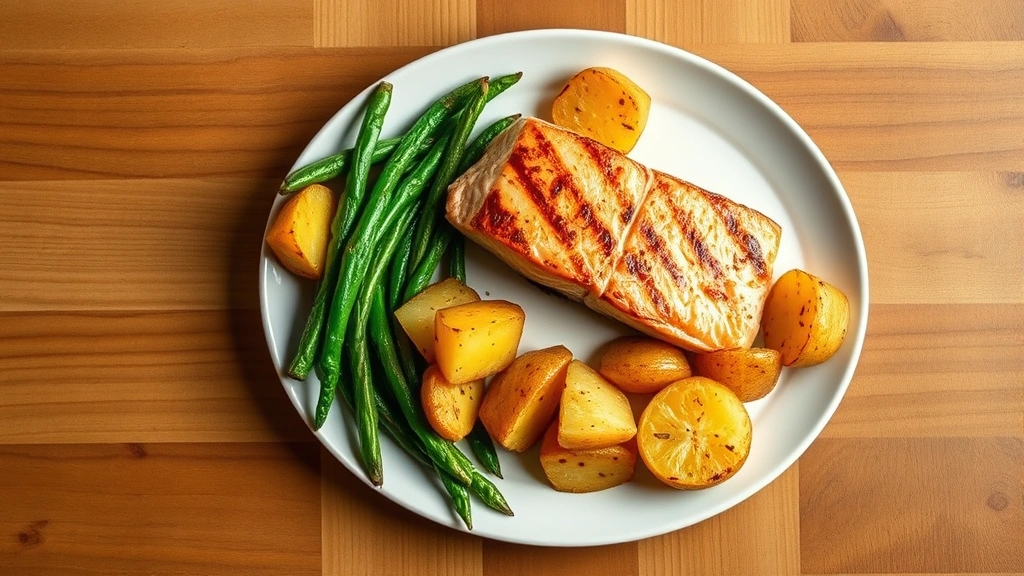
Pan-Seared Salmon with Roasted Potatoes is restaurant-quality at home. Season salmon fillets with salt, pepper, and a drizzle of olive oil. Sear skin-side down in a hot pan for four minutes, flip, and finish for another three. Toss cubed potatoes with olive oil, salt, and fresh rosemary, roast at 425°F for 25 minutes. Serve with steamed green beans. This meal is pure comfort and totally digestible.
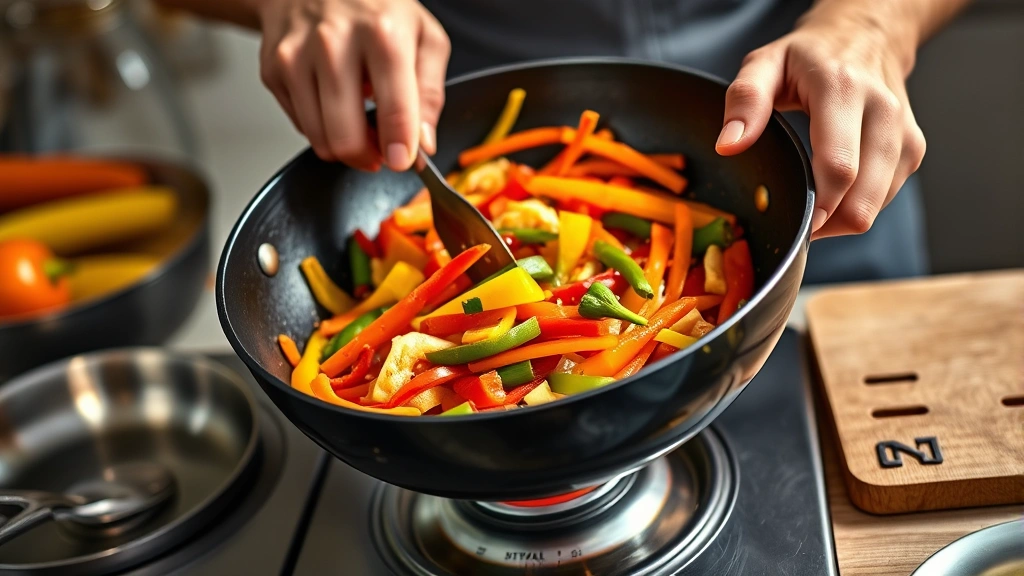
Beef Stir-Fry Over Rice keeps weeknight cooking simple. Cube lean beef, sear it quickly in a wok or large pan, then add bell peppers (red or yellow, not green), carrots, and zucchini. Use a sauce made from tamari (wheat-free soy sauce), a splash of rice vinegar, ginger, and garlic-infused oil. Serve over white rice. The key is cooking everything quickly so veggies stay crisp and your meal comes together in 20 minutes.
Herb-Roasted Chicken Thighs with root vegetables is forgiving and flavorful. Pat chicken thighs dry, season with salt, pepper, thyme, and rosemary, and roast at 400°F for 35 minutes. Toss parsnips, carrots, and potatoes with olive oil and roast alongside. The skin crisps up, the meat stays juicy, and your kitchen smells incredible. This is the kind of dinner that makes you forget you’re eating for digestion.
Snacks and Sides Done Right
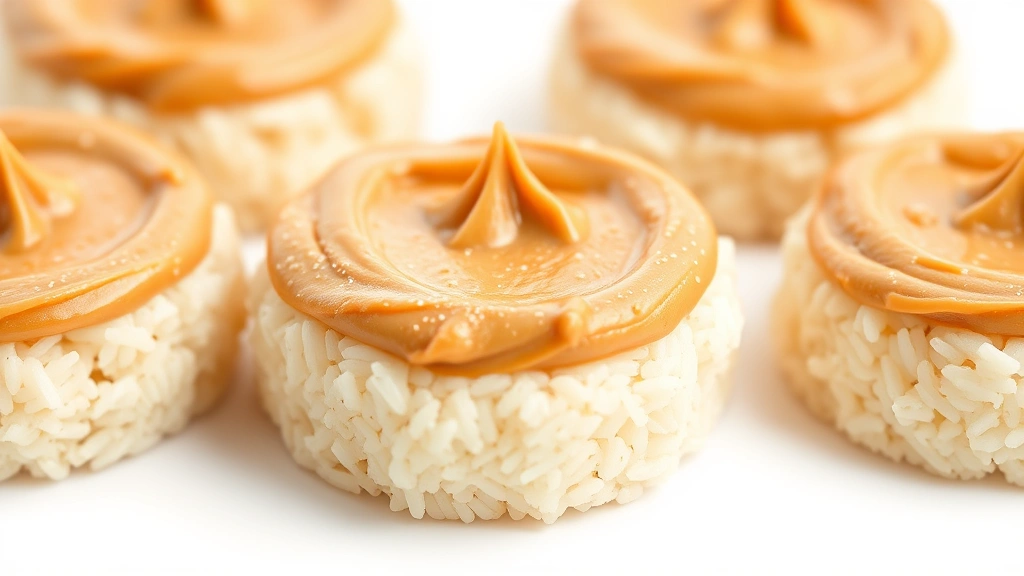
Snacking on low FODMAP foods prevents the energy crashes that lead to bad choices. Keep rice cakes with peanut butter, hard cheese and carrots, grapes and almonds, and corn tortilla chips with guacamole on rotation. These are satisfying, portable, and won’t trigger symptoms.
For sides, roasted carrots with a pinch of cumin, steamed green beans with garlic-infused oil, or mashed potatoes with a bit of butter and chives round out any meal. Best pickled onions recipe variations exist that skip the onions entirely—pickle carrots or cucumbers instead for that tangy kick without the FODMAP hit.
Pantry Essentials to Stock
Your low FODMAP kitchen needs: white rice, rice cakes, gluten-free pasta, canned tuna and salmon, eggs, carrots, potatoes, zucchini, bell peppers, chicken broth, olive oil, garlic-infused oil, salt, pepper, and basic herbs. Stock tamari instead of regular soy sauce—it’s wheat-free and works in any Asian-inspired dish. Keep maple syrup and honey on hand for sweetening—both are low FODMAP in reasonable amounts.
Canned beans are tricky because most are high FODMAP, but canned lentils in small portions sometimes work. Start cautious and see how your body responds. Fresh herbs like basil, cilantro, and parsley add flavor without fermentable compounds. A bottle of adobo sauce recipe variations (made without garlic and onion) can transform plain chicken or fish into something restaurant-worthy.
Batch Cooking for the Week
Sunday prep saves your week. Cook a big batch of white or brown rice, grill three chicken breasts, roast a sheet pan of mixed vegetables (carrots, potatoes, zucchini), and hard-boil a dozen eggs. Store everything in separate containers. Throughout the week, mix and match: rice + chicken + veggies for lunch, eggs + toast for breakfast, leftover chicken with potatoes for dinner.
Make a big pot of bone broth or vegetable broth using carrots, celery (low FODMAP in small amounts), and herbs. Use it as a base for soups or to cook rice for extra flavor. Batch cooking isn’t just efficient—it keeps you from reaching for trigger foods when you’re tired and hungry.
Eating Out Safely
Restaurants are navigable if you ask the right questions. Order grilled or baked proteins with sides of rice or potatoes. Ask for vegetables steamed plain or with olive oil on the side. Skip the bread basket and sauces—most contain garlic, onion, or high-FODMAP thickeners. Many restaurants will substitute sides if you ask politely.
Asian restaurants are your friend because rice is central and you can request garlic-free dishes. Mediterranean spots work too—grilled fish, olive oil, lemon, and roasted vegetables are naturally low FODMAP. Burger joints let you order a burger without the bun on a bed of lettuce. With a bit of planning, eating out doesn’t derail your digestion.
Frequently Asked Questions
Can I eat fruit on a low FODMAP diet?
Yes, but selectively. Bananas, blueberries, grapes, oranges, and strawberries are low FODMAP. Apples, pears, and mangoes are high FODMAP and should be limited. Stick to one serving of low FODMAP fruit per meal and you’ll be fine.
Is the low FODMAP diet permanent?
No. Most people use it as an elimination phase to identify triggers, then gradually reintroduce foods. Work with a dietitian to figure out your personal threshold. Some people tolerate certain high FODMAP foods just fine; others need to avoid them long-term. It’s individual.
How long does it take to feel better?
Most people notice improvement within two to four weeks. Bloating decreases, energy improves, and bathroom habits stabilize. If you’re not seeing changes after a month, check that you’re truly avoiding all triggers—hidden garlic and onion powder in sauces catch a lot of people.
Can I meal prep low FODMAP recipes?
Absolutely. Cook proteins, grains, and vegetables in batches, store them separately, and mix fresh combinations throughout the week. Most prepped meals stay fresh for four days in the fridge. Just avoid mixing everything together until you’re ready to eat—keeps flavors fresher and gives you flexibility.
What about seasoning and sauces?
Garlic and onion powder are hidden in most store-bought sauces and seasonings. Make your own: mix salt, pepper, paprika, cumin, and fresh herbs. Use garlic-infused oil instead of fresh garlic. Tamari replaces soy sauce. A squeeze of fresh lemon or lime adds brightness without any FODMAP worry.
The Bottom Line
Low FODMAP cooking isn’t restrictive once you know what works. These 10 meal ideas—plus variations—give you a solid foundation for weeks of eating well without digestive grief. Start with the breakfasts and lunches, master the dinners, and you’ll build confidence. Your gut will thank you, and you’ll realize that eating for relief doesn’t mean eating boring food. It means eating smart.


