
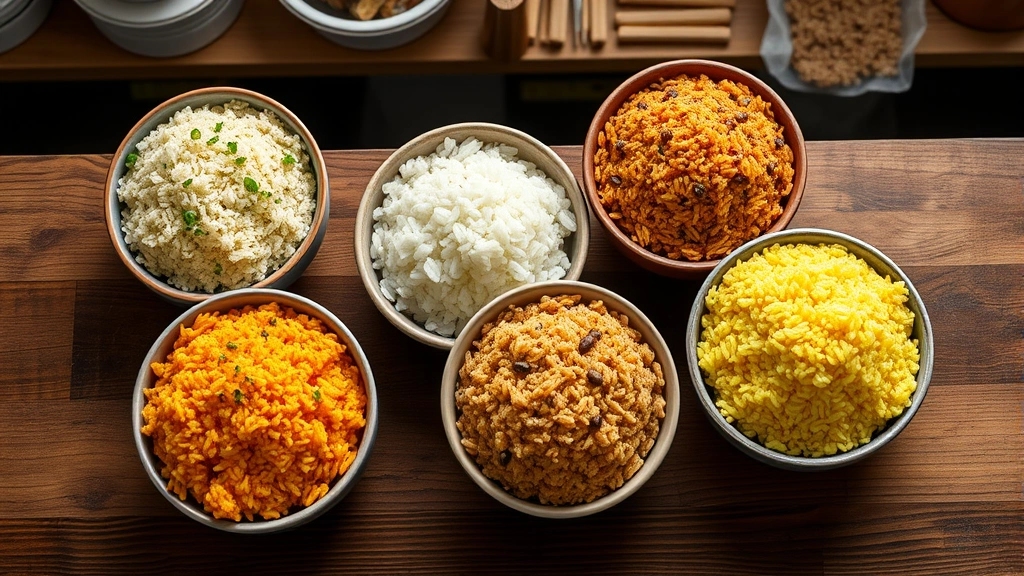
Flavored rice recipes are the secret weapon for turning bland weeknight dinners into something your family actually gets excited about. Whether you’re working with basic white rice, brown rice, or jasmine, the right seasonings and mix-ins can elevate a simple side dish into the star of your plate. I’ve been experimenting with rice for years, and I’m here to share the techniques that actually work—no fancy equipment needed, just your stovetop and some smart flavor choices.
Table of Contents
Garlic & Herb Foundation
Start with the basics, because sometimes simple is exactly what you need. This garlic and herb approach is my go-to when I’m short on time but don’t want to sacrifice flavor. Heat your rice in a pot with butter or oil, then add minced garlic—real garlic, not that powdered stuff—and let it toast for about 30 seconds until fragrant. Add your rice and broth, and you’ve already got a flavor head start before the liquid even hits the pan.
The magic happens when you finish with fresh herbs. Parsley, dill, or tarragon work beautifully here. I typically add them right after draining, so they stay bright and don’t get cooked into oblivion. This pairs perfectly with chicken dishes or works as a standalone side that actually tastes like someone cared about making it.
Coconut Lime Tropical
If you want to transport your dinner table somewhere warm, coconut lime rice is your ticket. Replace half your cooking liquid with coconut milk—the full-fat kind from a can works great. The coconut adds natural sweetness and richness that makes even plain rice feel special.
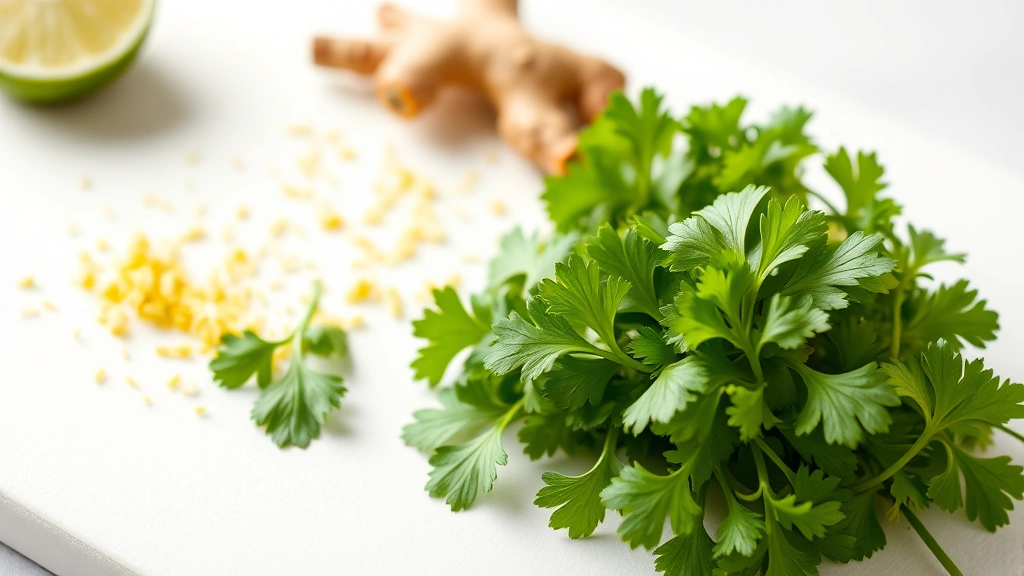
Here’s the technique: toast your rice in oil first, add garlic and ginger, then pour in your coconut milk and broth mixture. When it’s done cooking, squeeze fresh lime juice over the top and stir in fresh cilantro. You can also add a pinch of red pepper flakes if you want a subtle heat. This works as a side for curries or seafood, and it’s honestly good enough to eat on its own. Check out some best summer recipes that pair beautifully with this tropical rice.
Cajun Spiced Heat
For those nights when you want bold, unapologetic flavor, cajun-spiced rice delivers. Create a spice blend using paprika, cayenne, garlic powder, onion powder, thyme, and a touch of black pepper. The key is blooming these spices in hot oil before adding your rice—this wakes up all those flavors instead of letting them sit dormant in the grain.
Toast your rice in that spiced oil for a minute or two, then add your broth. The rice absorbs all that seasoning as it cooks. If you’re pairing this with cajun alfredo sauce, you’ve got a serious flavor combination happening. This rice also works great with sausage, shrimp, or vegetables mixed in during the last few minutes of cooking.
Mushroom Umami Rich
Mushrooms are packed with umami—that savory depth that makes food taste more satisfying. Dice up cremini or shiitake mushrooms and sauté them in butter until they’re golden and starting to caramelize. This step is non-negotiable; you’re concentrating their flavor, not just steaming them.
Once your mushrooms are ready, add your rice to the same pot and toast it briefly. Pour in broth mixed with a splash of soy sauce and a touch of balsamic vinegar. The combination of mushroom, soy, and balsamic creates this complex, almost meaty depth that makes people ask what you did differently. Finish with fresh thyme or a drizzle of truffle oil if you’re feeling fancy. This is comfort food at its finest and works alongside any comfort food recipes you’ve got planned.
Cilantro Lime Fresh
Sometimes you need something bright and clean to cut through heavier dishes. Cilantro lime rice is my answer for those moments. The approach is straightforward: cook your rice normally, then finish it with fresh cilantro, lime juice, and a touch of salt.
The trick is using enough cilantro that you can actually taste it—not just a garnish, but a real ingredient. I’m talking a full cup of loosely packed leaves for a standard pot of rice. Zest the lime before juicing it and add both the zest and juice. This rice is fantastic with tacos, carnitas, or any Mexican-inspired meal. It’s also excellent cold the next day if you’ve got leftovers.
Saffron Golden Elegance
Saffron is expensive, so use it when you want to feel like you’re doing something special. Steep a pinch of saffron threads in warm broth for 10 minutes before cooking your rice—this extracts all that golden color and subtle floral flavor.
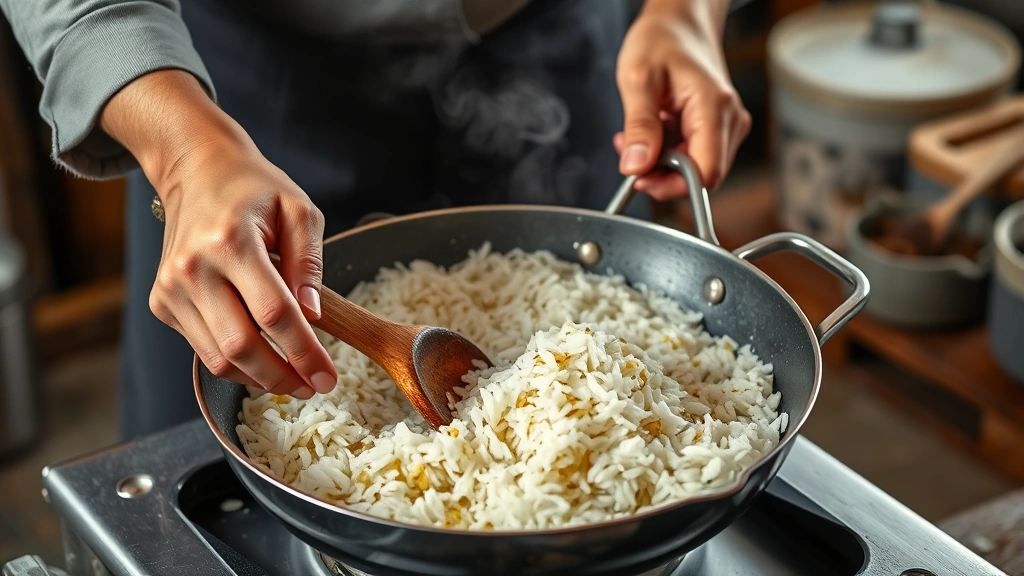
Toast your rice in butter with a small diced onion, then add your saffron-infused broth. The rice will turn that beautiful golden color as it cooks. Some recipes add a touch of turmeric for extra color, but honestly, real saffron does the job on its own. Finish with toasted pine nuts and dried cranberries if you want to go all-in on the elegance. This rice pairs with lamb, chicken, or seafood and instantly makes your dinner feel restaurant-quality.
Butter Parmesan Comfort
Sometimes the best flavored rice recipes are the simplest ones. Butter and parmesan might sound basic, but when you use real butter and freshly grated parmigiano-reggiano, it becomes something special.
Cook your rice normally, then stir in a generous knob of butter while it’s still hot. Once it’s melted and coating the grains, add your parmesan—and I mean real parmesan, not the stuff in the green can. A handful of finely grated cheese, tossed through quickly so it melts into the rice. Finish with cracked black pepper and maybe some fresh parsley. It’s the rice equivalent of a warm hug and pairs with absolutely everything.
Ginger Scallion Asian
Asian-inspired flavored rice recipes rely heavily on ginger and scallions, and this combination is pure magic. Mince fresh ginger and add it to your oil before toasting the rice. Use at least a tablespoon for a standard pot—ginger should be a presence, not a whisper.
Cook everything normally, then finish with sliced scallions, a splash of soy sauce, and a touch of sesame oil. The sesame oil is crucial here; it adds that nutty, toasted flavor that makes you feel like you’re eating restaurant-quality fried rice even though you just made it in a regular pot. This works beautifully with stir-fries or as a side for Asian-inspired proteins.
Tomato Basil Italian
For an Italian-inspired approach, cook your rice in broth mixed with tomato paste. Start by blooming the tomato paste in oil—this caramelizes it slightly and intensifies the flavor. Add your rice, toast it briefly, then pour in your broth mixture.
When it’s done cooking, stir in fresh basil, a squeeze of lemon juice, and maybe some pine nuts for texture. You could also add sun-dried tomatoes during cooking for extra depth. This rice works with seafood, roasted vegetables, or as a side for coney sauce recipe applications. It’s bright, aromatic, and feels like you spent way more time on it than you actually did.
Cooking Technique Tips
Regardless of which flavored rice recipe you choose, a few techniques apply across the board. First, always toast your rice in fat before adding liquid. This step takes maybe a minute but creates a subtle nutty flavor that makes a real difference. You’ll see the rice become slightly translucent at the edges—that’s your signal to add broth.
Second, use the right ratio of liquid to rice. For white rice, it’s typically 2:1 (two parts liquid to one part rice). Brown rice needs more, usually 2.5:1. Don’t just guess—measure it out. Once you add your liquid, resist the urge to stir constantly. Let the rice cook undisturbed for most of the time, then check it near the end.
Third, finish your rice while it’s still hot. Whether you’re adding herbs, butter, or spices, do it immediately after cooking when the rice is receptive and will absorb those flavors. Cold rice won’t take on new flavors as effectively.
Finally, let your rice rest for five minutes after cooking, covered. This allows the residual heat to finish the cooking process and helps the grains stay separate rather than clumping together.
Flavor Combinations That Work
The beauty of flavored rice recipes is that once you understand the basics, you can start mixing and matching. Garlic plus cilantro plus lime always works. Ginger plus scallion plus soy sauce is a winning trio. Mushroom plus thyme plus butter is restaurant-quality every time.
Don’t be afraid to combine techniques either. You could make mushroom rice with a cajun spice blend, or add coconut milk to your cilantro lime rice. The foundation stays the same—toast, cook, finish—but the flavor possibilities are endless. I’ve found that the best approach is to pick one or two main flavors and build around them rather than throwing everything at the wall.
Storage and Leftovers
Flavored rice keeps beautifully in the refrigerator for up to four days. Store it in an airtight container, and you’ve got instant sides for lunches or quick dinners. Reheat it gently in a pan with a splash of water or broth to restore moisture.
You can also freeze flavored rice for up to three months. Portion it into freezer bags, flatten it out, and stack them in your freezer. Thaw overnight in the refrigerator, then reheat. It won’t be quite as good as fresh, but it’s still better than plain rice from a box.
Frequently Asked Questions
Can I use instant rice for these recipes?
Technically yes, but I wouldn’t recommend it. Instant rice has already been partially cooked and broken down, so it won’t absorb flavors as effectively as regular rice. Stick with regular white, brown, or specialty rices like jasmine or basmati. The extra 15 minutes of cooking time is worth the flavor difference.
What’s the best rice type for flavored rice recipes?
It depends on your dish. Jasmine rice works beautifully with Asian flavors and coconut-based recipes. Basmati is excellent for saffron and Indian-inspired dishes. Regular long-grain white rice is versatile and works with almost everything. Brown rice has a nuttier flavor that pairs well with earthy ingredients like mushrooms.
Can I make flavored rice in a rice cooker?
Absolutely. Use the same liquid ratios and add your seasonings to the water before cooking. You won’t get the toasting step, which means slightly less depth of flavor, but you’ll still end up with delicious rice. Just add your finishing ingredients after it’s cooked.
How do I prevent mushy rice?
Don’t exceed your liquid ratio, and don’t stir constantly while cooking. Let the rice cook undisturbed. Also, use the right type of rice for your recipe—some varieties are naturally stickier than others. If you’re consistently getting mushy rice, you might be using too much liquid or cooking it too long.
Are there any flavor combinations I should avoid?
Not really, but some work better than others. I’d avoid mixing too many strong flavors at once—let one or two flavors shine. For example, saffron and cilantro compete with each other, so pick one. Ginger and saffron together is odd. But honestly, the best approach is to taste as you go and adjust accordingly.
Can I add vegetables to flavored rice recipes?
Yes, absolutely. Dice vegetables small so they cook in the time it takes for the rice. Peas, corn, carrots, and bell peppers work great. Add them when you add your liquid so they cook together with the rice. Harder vegetables like carrots might need a minute head start.
The beauty of flavored rice recipes is that they’re forgiving and adaptable. Once you master the basic technique—toast, cook, finish—you can create endless variations based on what you have on hand and what flavors you’re craving. Start with one of these 10 approaches, taste as you go, and don’t be afraid to adjust seasonings to your preference. Your dinner table will thank you, and you’ll wonder why you ever settled for plain rice again.


