
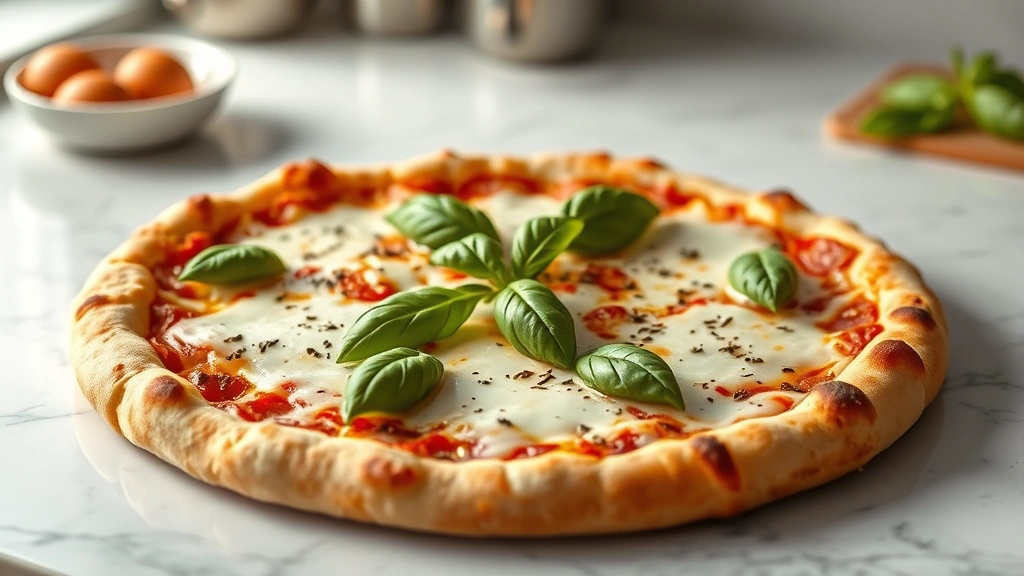
A flatbread pizza recipe is your ticket to restaurant-quality pizza in under 30 minutes, right from your own kitchen. Whether you’re hosting a casual dinner, feeding hungry kids, or just craving something better than delivery, this approach strips away the complexity and gets straight to the good stuff—crispy crust, melty cheese, and toppings that actually taste like they belong together.
Table of Contents
Choosing Your Base
The foundation of any flatbread pizza recipe starts with picking the right base. You’ve got options here, and each one changes the game slightly. Naan bread from your grocery store is my go-to for weeknight cooking—it’s already partially cooked, which means you’re halfway there. Pita bread works too, though it’s thinner and crisps up faster. If you want to get fancy, grab some store-bought pizza dough and flatten it out yourself, or use focaccia if you find it at the bakery section.
The beauty of flatbread pizza is that you’re not fighting with yeast timing or waiting for dough to rise. You’re working with what’s already prepped. Just make sure whatever base you choose is at room temperature before you start—cold dough won’t cook evenly.
Prep Work Matters
I learned the hard way that rushing the prep work leads to soggy, unevenly cooked pizza. Start by patting your flatbread dry with a paper towel. Any moisture on the surface will steam instead of crisp, and that’s the enemy of what we’re after. If you’re using naan, the bottom might have some excess flour—brush that off gently.
Next, gather all your toppings and ingredients before you start assembling. This is true for any cooking project, but especially here because once you start layering, you need to move quickly. Slice your vegetables, shred your cheese, and arrange everything within arm’s reach. This approach keeps the flatbread from sitting around getting damp before it hits the oven.
Sauce Spread Technique
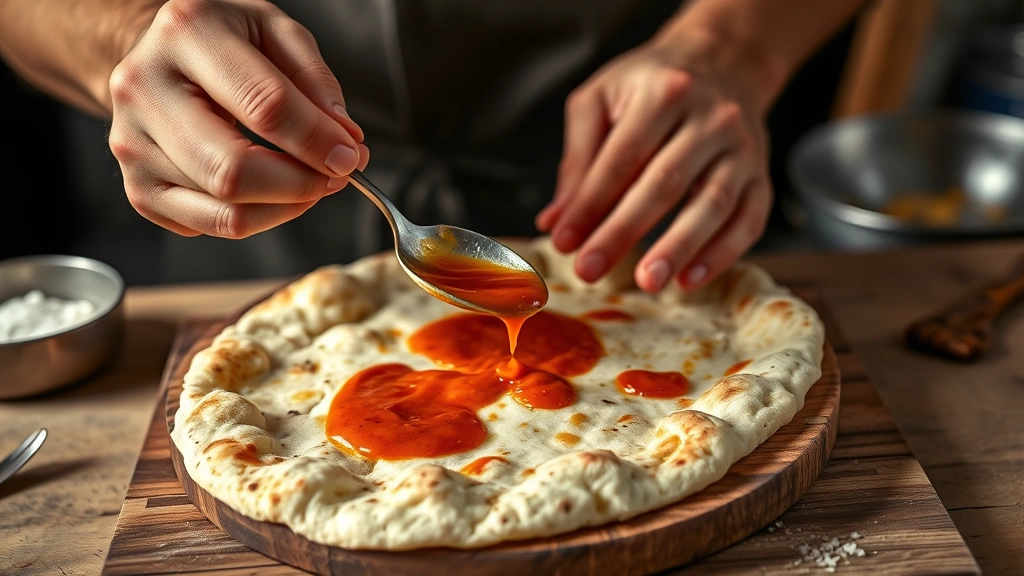
Here’s where most home cooks mess up their flatbread pizza recipe: they use way too much sauce. The sauce should be a thin, even layer—think of it more as flavor insurance than the main event. Use the back of a spoon or a small offset spatula and spread it in a circular motion, leaving about a quarter-inch border around the edges.
Your sauce doesn’t have to be traditional pizza sauce either. A simple tomato paste mixed with olive oil, garlic, and Italian seasoning works beautifully. Some people swear by pesto, which pairs amazingly well with fresh vegetables. If you’re making a white pizza, skip the red sauce entirely and brush the flatbread lightly with olive oil infused with garlic instead. The key is restraint—you want the crust to stay crispy, not turn into a bread bowl.
Topping Strategy
Layering matters more than you’d think. Put your cheese down first after the sauce—this creates a moisture barrier that protects the crust. Use about a quarter to a third cup of shredded cheese per pizza, depending on size. Mozzarella is the classic choice, but a blend of mozzarella and feta, or mozzarella and sharp cheddar, elevates things quickly.
Now add your toppings. Distribute them evenly so you get flavor in every bite. If you’re using wet ingredients like fresh tomatoes or roasted red peppers, pat them dry first—excess moisture is still the enemy. Heavier toppings like mushrooms or bell peppers should go on before lighter ones like fresh basil or arugula. Save delicate greens for after the pizza comes out of the oven.
Baking for Crispiness
The oven temperature is critical for your flatbread pizza recipe. Preheat to 425°F (220°C) and let it fully come to temperature—about 15 minutes. Place your assembled pizza directly on the oven rack or on a preheated baking sheet. If you use a baking sheet, put it on the lowest rack to give the bottom direct heat exposure.
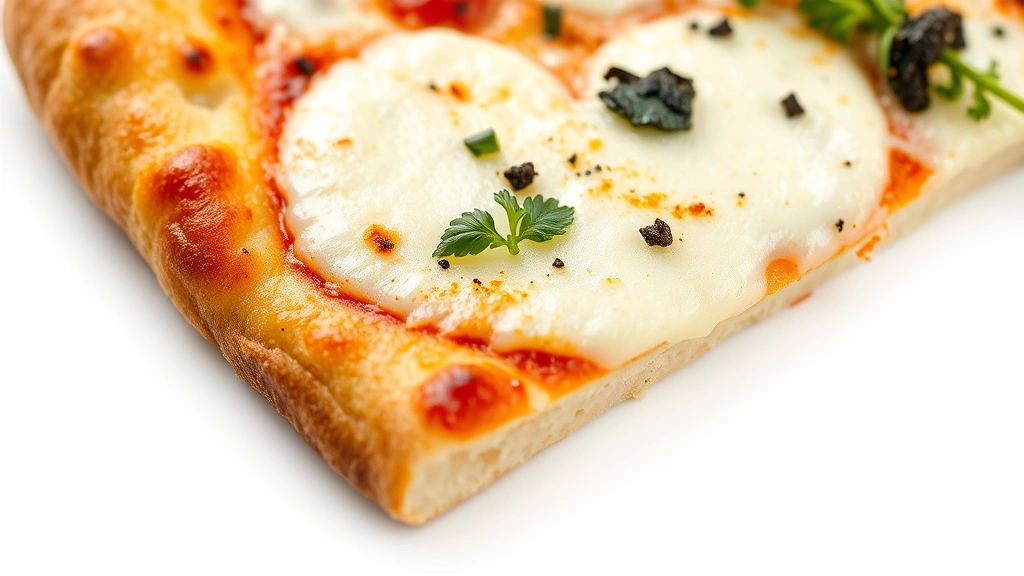
Bake for 8-12 minutes, depending on your oven and the thickness of your base. You’re looking for the cheese to be melted and bubbly, and the crust edges to be golden brown. If the bottom isn’t getting enough color, move the pizza up a rack for the last minute or two. Every oven behaves differently, so watch it the first time you make it—this is how you learn your kitchen’s personality.
Finishing Touches
The moment your pizza comes out of the oven is when you can really make it shine. A light drizzle of good olive oil across the top adds richness. Fresh basil, arugula, or microgreens scattered on top bring brightness and texture. A sprinkle of flaky sea salt and cracked black pepper costs nothing but makes people think you’re a professional.
If you made a spicy version, a squeeze of fresh lemon juice or a dash of hot sauce can tie everything together. Let the pizza cool for just 2-3 minutes before cutting—this gives the cheese a moment to set so it doesn’t slide off.
Storage and Leftovers
Leftover flatbread pizza stays good in an airtight container in the fridge for 2-3 days. Reheat it in a 350°F oven for 5-7 minutes to restore crispiness, or use a skillet over medium heat for a quick warm-up. The microwave will make it chewy, so avoid that if you can.
You can also freeze unbaked flatbread pizzas if you want to prep ahead. Assemble everything on the flatbread, wrap it tightly in plastic wrap and foil, and freeze for up to a month. Bake from frozen, adding 3-4 extra minutes to the cooking time.
Flavor Variations
Once you’ve mastered the basic flatbread pizza recipe, start playing with combinations. A Mediterranean version uses feta, olives, sun-dried tomatoes, and fresh spinach. Go BBQ with pulled pork, red onion, and a drizzle of your favorite sauce—this pairs perfectly with BBQ beans recipe as a side dish.
For a breakfast pizza, skip the traditional sauce and use scrambled eggs, crispy bacon, cheddar cheese, and fresh herbs. A white pizza with ricotta, mozzarella, garlic, and roasted vegetables is elegant and filling. If you’re feeling adventurous, try a dessert flatbread with Nutella, fresh berries, and a drizzle of honey—it’s not traditional pizza, but it’s absolutely worth the experiment.
Consider pairing your pizza night with complementary sides. A Chile Con Queso Recipe makes an excellent appetizer or dip, while How Long to Steam Green Beans provides a fresh vegetable balance to your meal.
Frequently Asked Questions
Can I use whole wheat flatbread for this recipe?
Absolutely. Whole wheat flatbread works great and adds a nutty flavor. It might need an extra minute or two in the oven since it’s denser, but the principle stays the same. Just watch it closely so the crust doesn’t burn before the cheese melts.
What’s the best way to prevent a soggy bottom?
Pat your flatbread dry before starting, don’t overload with sauce, and bake on the lowest rack of your oven. If you’re using a baking sheet, preheat it so the bottom gets direct heat from the start. Some people even brush the bottom lightly with olive oil before topping it.
Can I make this in a toaster oven?
Yes, though you might need to work with smaller flatbreads or cut them to fit. The temperature and timing stay roughly the same—just rotate the pizza halfway through if your toaster oven has hot spots.
How do I get the cheese to brown nicely?
Make sure your oven is fully preheated and use a blend of cheeses that includes some with good browning properties, like mozzarella or gruyere. Don’t cover the pizza with foil while baking. If the crust is browning too fast before the cheese melts, move the rack up slightly.
What if I don’t have fresh basil?
Use whatever herbs you have on hand—oregano, thyme, or parsley all work. You can even use dried herbs mixed into the sauce before spreading. Fresh basil is wonderful, but it’s not the only way to make great flatbread pizza.
Can I make multiple pizzas at once?
Yes, as long as your oven has space. Just make sure air can circulate around each one. If you’re stacking them, use separate racks and rotate them halfway through cooking so they bake evenly.
Your flatbread pizza recipe is now in your hands. The beauty of this approach is that it’s forgiving, fast, and endlessly customizable. Start with the basics, nail the technique, then make it your own. Before long, you’ll be making these so regularly that your family will stop asking what’s for dinner and just start asking what kind of pizza you’re making tonight.


