
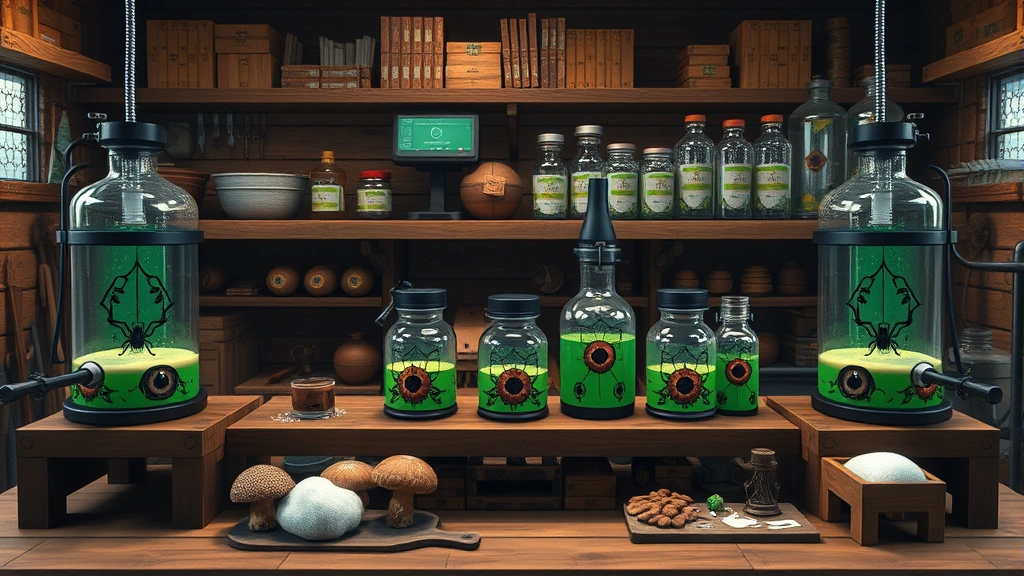
The fermented spider eye recipe is one of the most versatile and essential brewing ingredients you’ll craft in Minecraft, transforming basic potions into powerful elixirs that’ll change how you survive and thrive in the game. Whether you’re gearing up for the Nether or preparing for a boss fight, understanding how to make and use fermented spider eyes is absolutely crucial to mastering Minecraft’s potion system.
Table of Contents
What Is a Fermented Spider Eye?
A fermented spider eye is a crafting ingredient in Minecraft that acts like an alchemical wildcard. This dark, mysterious item lets you flip positive potion effects into negative ones—or transform one potion type into something completely different. It’s the reason you can turn a Potion of Healing into a Potion of Poison, or convert a Potion of Fire Resistance into a Potion of Slowness. Think of it as your brewing toolkit’s Swiss Army knife.
The fermented spider eye doesn’t get consumed when you use it in a brewing stand; instead, it modifies what comes out of your cauldron. This makes it incredibly efficient for experimentation and potion crafting. Once you understand how fermented spider eyes work, you’ll unlock brewing possibilities that seemed impossible before.
Ingredients You’ll Need
Creating a fermented spider eye requires exactly three ingredients, and gathering them is straightforward if you know where to look. You’ll need:
- Spider Eye – Drop from spiders when killed; find spiders in caves or spawn them in a dark farm
- Brown Mushroom – Found in dark areas, swamps, and mushroom biomes; easily farmable
- Sugar – Craft from sugar cane; abundant near water in most biomes
The beauty of this recipe is that none of these ingredients are rare or difficult to obtain. Sugar cane grows near water blocks, brown mushrooms thrive in dark spaces (making them perfect for underground farms), and spiders are common enough that a simple mob grinder will produce spider eyes consistently. You can also check out our guide on how to make popping boba for insights on gathering and processing ingredients efficiently.
Step-by-Step Crafting Process
The crafting recipe is simple and uses the standard 3×3 crafting grid. Here’s exactly what you do:
- Open your crafting table – Right-click on any crafting table to open the 3×3 grid
- Place spider eye in center – Put your spider eye in the middle square of the grid
- Arrange remaining ingredients – Place brown mushroom and sugar in any of the remaining eight squares (their position doesn’t matter)
- Collect your fermented spider eye – The crafted item appears in the output slot; click to grab it
You’ll get one fermented spider eye from one spider eye, one brown mushroom, and one sugar. It’s a 1:1:1 ratio, making it easy to calculate batch sizes. If you’re planning a major brewing session, multiply your needs by three and gather accordingly. This ingredient preparation is similar to the precision needed when following detailed recipes like our caldo de pollo recipe – getting your components ready before you start makes everything smoother.
Potion Transformations Explained
Here’s where fermented spider eyes become genuinely powerful. When you add a fermented spider eye to a potion in the brewing stand, it fundamentally changes the effect. The most common transformations include:
- Potion of Healing → Potion of Poison – Useful for PvP situations and fighting certain mobs
- Potion of Fire Resistance → Potion of Slowness – Great for controlling enemy movement
- Potion of Swiftness → Potion of Slowness – Defensive tool for trapping or slowing threats
- Potion of Strength → Potion of Weakness – Tactical choice for specific encounters
- Potion of Water Breathing → Potion of Slowness – Less common but useful in niche situations
The transformation mechanic means you’re never locked into one potion type. Made too many Healing potions? Convert them to Poison with fermented spider eyes. Need to adjust your potion stockpile? This ingredient gives you flexibility that no other brewing component offers.
Setting Up Spider Farms
Since spider eyes are essential for fermented spider eye production, establishing a reliable spider farm is your first priority. Here’s what you need:
Dark Room Design: Build a 9×9 chamber, 3 blocks high, in complete darkness. Spiders require darkness to spawn, unlike most mobs. Make sure absolutely no light reaches inside—cover every gap and seal every opening.
Mob Grinder Integration: Add a collection system below your dark room using water channels and hoppers. Spiders will fall into this system, and hoppers funnel them into chests. This automation means you’re passively collecting spider eyes while playing.
Sustainability: Each fermented spider eye needs one spider eye, so plan for continuous supply. A modest dark room produces enough spider eyes within a few Minecraft days to support serious brewing operations. For more on systematic ingredient production, check out our guide on crusty Italian bread recipe – the same batch-processing mindset applies.

Advanced Brewing Techniques
Once you’ve mastered basic fermented spider eye usage, you can implement advanced strategies:
Potion Chains: Combine fermented spider eyes with other ingredients to create multi-stage potions. Start with a base potion, add fermented spider eye to transform it, then add additional ingredients like redstone or glowstone to extend duration or amplify effects. This creates potions impossible to make any other way.
Batch Brewing: The brewing stand accepts three bottles simultaneously. Load three identical potions, add fermented spider eyes, and process them together. This dramatically speeds up your potion production when preparing for major projects or multiplayer sessions.
Splash and Lingering Conversions: Fermented spider eyes work on splash potions and lingering potions too. Transform a splash Potion of Healing into a splash Potion of Poison, then use it in PvP combat or against healing-resistant mobs. This versatility extends far beyond standard brewing.
Avoiding Common Mistakes
Even experienced players slip up with fermented spider eye recipes. Watch out for these pitfalls:
Wrong Ingredient Order: Some players think ingredient placement matters—it doesn’t. Put spider eye, brown mushroom, and sugar anywhere in the grid and you’ll get the same result. Don’t waste time arranging them in specific patterns.
Confusing Spider Eyes and Fermented Spider Eyes: These are different items with different purposes. Regular spider eyes are ingredients; fermented spider eyes are brewing modifiers. Keep them in separate chest slots to avoid grabbing the wrong item when brewing.
Insufficient Supply Planning: New players often underestimate how many fermented spider eyes they need. A single brewing session might use five to ten. If you’re planning extended gameplay, craft batches in advance. Similar to preparing ingredients for complex recipes like our brie bites recipe, advance prep prevents mid-session scrambling.
Forgetting Alternative Transformations: Beginners often focus on one or two potion conversions and miss others. Spend time experimenting with different base potions—you’ll discover transformations that solve specific problems you face in your world.
Storage and Organization Tips
Managing large quantities of brewing ingredients requires smart organization:
Dedicated Brewing Room: Create a central location with brewing stands, cauldrons, ingredient chests, and finished potion storage. This workspace prevents you from scrambling across your base searching for items. Organize chests by ingredient type: one for spider eyes, one for brown mushrooms, one for sugar, and one for fermented spider eyes.
Labeling System: Use item frames on chests to display what’s stored inside. Place a fermented spider eye in an item frame on the fermented spider eye chest, a brown mushroom on the mushroom chest, and so on. This visual system makes ingredient identification instant, especially in multiplayer servers where multiple players access the brewing station.

Potion Organization: Store finished potions by effect type and duration. Group all Strength potions together, all Healing potions together, and so on. Use barrels or shulker boxes to create portable potion kits for adventures. When you’re heading into the Nether, grab your pre-assembled Nether kit instead of hunting for individual potions.
Backup Supplies: Maintain double the amount of each ingredient you think you need. Brewing projects always expand, and having surplus prevents frustrating delays. This principle mirrors the ingredient redundancy discussed in our cinnamon roll filling recipe – always have backup components available.
Frequently Asked Questions
Can I use fermented spider eyes in the brewing stand directly?
Yes, absolutely. Place your base potion in the brewing stand, put fermented spider eye in the ingredient slot, and wait for the brewing to complete. The fermented spider eye modifies the potion’s effect without being consumed.
How many fermented spider eyes do I need for a major brewing session?
Plan for at least 10-20 fermented spider eyes if you’re doing serious brewing. A single brewing stand batch uses one fermented spider eye and produces three potions. If you’re filling multiple stacks of bottles, you’ll burn through fermented spider eyes quickly.
What’s the fastest way to get brown mushrooms?
Build an underground farm in complete darkness. Brown mushrooms spread naturally in dark areas without needing bonemeal. A 10×10 dark chamber with minimal lighting produces hundreds of mushrooms within a Minecraft day.
Can fermented spider eyes transform any potion?
No. Fermented spider eyes work only on specific potions: Healing, Fire Resistance, Swiftness, Strength, and Water Breathing. Attempting to use them on other potions (like Invisibility) won’t produce a transformation.
Is there a way to automate fermented spider eye crafting?
Not directly through vanilla Minecraft. You’ll need to craft them manually at a crafting table. However, you can automate ingredient gathering by building efficient spider, mushroom, and sugar cane farms, then doing batch crafting sessions.
What’s the best potion to transform with fermented spider eyes?
That depends on your situation. For combat, Poison potions are devastating. For defense, Slowness potions control enemy movement. For PvP, Weakness potions reduce opponent damage output. Experiment with different transformations to find what works for your playstyle.
Final Thoughts on Fermented Spider Eye Mastery
The fermented spider eye recipe might seem simple—three basic ingredients combined into one crafting grid item—but its applications in Minecraft’s brewing system are genuinely sophisticated. This single ingredient unlocks potion transformations that define advanced gameplay, whether you’re preparing for Nether raids, setting up PvP defenses, or simply experimenting with brewing possibilities.
Start by establishing reliable sources for spider eyes, brown mushrooms, and sugar. Build your dark spider farm first—it’s the bottleneck for fermented spider eye production. Then set up a dedicated brewing room with organized ingredient storage. Once your infrastructure is in place, you’ll have the foundation to explore every potion combination the game offers.
The key to mastery is experimentation. Try transforming different potions, combine fermented spider eyes with other brewing ingredients, and discover synergies that solve specific problems in your world. Every transformation opens new tactical possibilities, and your brewing arsenal becomes as powerful as your combat skills.


