

An extra dirty martini recipe isn’t just another cocktail—it’s a statement of taste, a deliberate choice to embrace bold, briny flavors that separate the casual drinker from the true martini enthusiast. If you’ve ever wondered why some bartenders make you a martini that tastes like a silky dream while others leave you wondering what went wrong, the answer often comes down to understanding what “dirty” really means and how to nail the brine balance.
Table of Contents
What Makes a Martini “Dirty”?
The term “dirty” in cocktail speak refers to the addition of olive brine or olive juice to your martini. It’s not dirty in a bad way—it’s dirty in the way a well-worn workshop tool is dirty, carrying character and purpose. When you order an extra dirty martini recipe, you’re asking for a generous pour of that briny liquid that sits at the bottom of olive jars, transforming your drink from a delicate, botanical experience into something with serious umami punch.
The beauty of this approach is that it’s not pretentious or complicated. It’s straightforward: more brine equals a more intensely flavored martini. Some people find regular martinis too dry or too gin-forward. Adding olive juice balances those sharp edges and creates a rounder, more savory profile. Think of it like seasoning in cooking—you’re adjusting the flavor profile to suit your palate.
The “extra” part matters. A regular dirty martini might have a small splash of brine. An extra dirty martini recipe pushes that further, often using a ratio of 1 part brine to 2-3 parts spirit, creating something that’s almost halfway to a martini-flavored olive juice situation. It’s bold, it’s unapologetic, and it works.
Brine Basics and Olive Juice
Not all olive juice is created equal, and this is where most home bartenders stumble. The brine in those supermarket jars of cocktail olives varies wildly in quality, salt content, and flavor profile. Some are packed with preservatives and additives that’ll make your martini taste like a chemistry experiment.
Your best bet? Hunt down quality olives packed in brine rather than oil. Look for brands that list simple ingredients: olives, water, salt, maybe some herbs. Avoid anything with excessive additives or artificial flavors. The brine should taste clean and briny, not chemical or overly salty.
If you’re serious about your extra dirty martini recipe, consider making your own brine. It’s absurdly simple: combine water, salt, and a few aromatics like garlic, peppercorns, or fresh herbs. Let it sit for a day or two, then use it in your martini. This gives you complete control over the salt level and flavor intensity. It’s the workshop approach—why buy something mediocre when you can make it exactly how you want it?
Store your brine in the freezer. This serves two purposes: it keeps the olives fresh longer, and it gives you pre-chilled brine that won’t warm up your martini when you pour it in. Temperature control is crucial in cocktail making, and every degree matters.
The Perfect Ratio Formula
Here’s where precision meets personal preference. The classic martini formula is 6 parts spirit to 1 part vermouth. But an extra dirty martini recipe flips this around a bit. A solid starting point is:
2.5 ounces gin (or vodka)
0.5 ounces dry vermouth
0.75-1 ounce olive brine
This creates that extra dirty character without completely overwhelming the base spirits. The brine becomes a major flavor player, but the gin or vodka still gets to shine. Adjust from here based on your preferences. If you want it even dirtier, push the brine to 1.5 ounces. If you find it too briny, dial it back to 0.5 ounces.
The math is straightforward, but the key is tasting as you go. Make a batch, sip it, note what you’d change, and adjust next time. This is exactly how you’d approach seasoning a dish in your kitchen—by iteration and feedback.
Spirit Selection Matters
Gin versus vodka is the eternal martini debate. For an extra dirty martini recipe, this choice becomes even more important because the brine will interact differently with each base spirit.
Gin brings botanical complexity—juniper, citrus, herbs—that plays beautifully against briny, salty notes. A quality London Dry style gin will give you structure and flavor that stands up to the brine. Brands like Tanqueray, Bombay Sapphire, or even budget-friendly options like Bols will work well.
Vodka offers a cleaner canvas. If you prefer to let the brine and olive flavors dominate, vodka is your friend. It won’t compete with the savory notes you’re building. Choose a vodka that’s smooth and clean—you don’t need anything fancy, but you also don’t want something rough or grain-heavy.
The vermouth choice matters too. Dry vermouth is standard, but don’t cheap out here. A good dry vermouth like Noilly Prat or Dolin will add herbaceous notes that complement the brine. Poor quality vermouth will taste oxidized and flat, dragging your entire drink down.
Temperature and Technique
This is the workshop principle applied to cocktails: proper technique beats shortcuts every time. A martini should be ice cold, silky, and properly diluted. Most home bartenders either under-chill or over-dilute their martinis, and temperature control is the fix.

Start by chilling your coupe or martini glass in the freezer for at least 15 minutes. While that’s happening, fill a mixing glass with quality ice—big cubes if you have them, regular ice if you don’t. Add your gin, vermouth, and brine to the ice. Stir vigorously for about 10 seconds. You want the drink to be properly chilled and slightly diluted from the ice melt, which actually improves the flavor and mouthfeel.
Strain into your chilled glass and serve immediately. The entire process from glass to lips should take less than a minute. Any longer and you’re losing that critical chill.
Some people shake their martinis. Purists will tell you this is wrong. Stirring is the traditional method and it works better—shaking over-aerates the drink and makes it cloudy. Stick with stirring.
Garnish Game Changers
Your garnish isn’t decoration—it’s part of the flavor profile. In an extra dirty martini recipe, the garnish deserves serious consideration.
The obvious choice is olives. Spear 2-3 quality olives and drop them in. The olives will continue releasing brine into your drink as you sip, intensifying the flavor as you go. This is intentional and delicious. Choose olives that match your brine quality—if you made your own brine, use your own olives too.
A lemon twist is the alternative. Express the oils over the drink by twisting a strip of lemon peel, then drop it in or lay it across the rim. The citrus brightness cuts through the richness of the brine and adds another dimension.
Some bartenders do both: olives plus a lemon twist. This isn’t wrong—it’s just more. Try it and see if it appeals to you.
Avoid those weird cocktail onions unless you’re specifically making a Gibson (which is a different drink). Stick with olives for your extra dirty martini recipe.
Common Mistakes to Avoid
Even with the best intentions, there are easy traps to fall into when making martinis at home.
Using warm ingredients: Room temperature gin and vermouth will never make a proper martini. Chill everything beforehand. Your freezer is your friend.
Skimping on ice: Use plenty of ice in your mixing glass. More ice means better temperature control and proper dilution. Don’t be timid about it.
Stirring too long or not long enough: Ten seconds of vigorous stirring is the sweet spot. Less than that and you’re under-diluted. More than that and you’re over-diluting and bruising the ice.
Using old vermouth: Vermouth goes bad. Once opened, it lasts maybe a month in the fridge before oxidizing and tasting like wet cardboard. Replace it regularly.
Ignoring brine quality: This is the biggest one. If your brine tastes off, your entire extra dirty martini recipe will taste off. Don’t compromise here.
Forgetting to chill your glass: A warm glass will instantly warm your perfectly chilled martini. Always pre-chill.
Variations and Creative Twists
Once you’ve mastered the basic extra dirty martini recipe, you can start experimenting. This is where it gets fun.
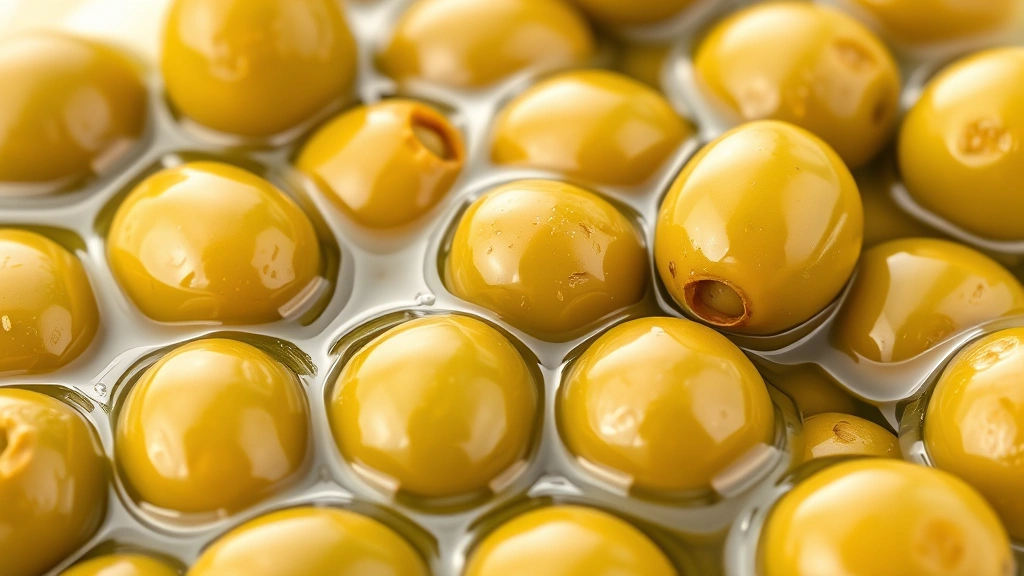
The Filthy Martini: Push the brine ratio even further. Some bartenders make these with equal parts spirit and brine. It’s an acquired taste, but if you love briny, savory flavors, it’s worth trying.
The Herb-Infused Version: Add fresh herbs to your brine—basil, thyme, or rosemary work beautifully. Let them sit for a few days, then use the infused brine in your martini. This adds complexity without adding sweetness.
The Blue Cheese Olive Martini: Use blue cheese-stuffed olives instead of plain ones. The creamy, funky cheese plays amazingly well with the brine and gin. It’s a different drink entirely, but worth exploring if you like bold flavors.
The Spicy Version: Add a tiny splash of hot sauce or a few dashes of spicy bitters to your brine. This creates a martini with serious kick and complexity. It pairs well with other cocktail recipes in your entertaining rotation.
You might also explore different spirit combinations. Some people mix gin and vodka for a balanced approach. Others go full vodka for a cleaner profile. The framework stays the same—you’re just adjusting the variables to suit your taste.
Frequently Asked Questions
What’s the difference between a dirty and extra dirty martini?
A regular dirty martini uses a splash of olive brine—usually around 0.25-0.5 ounces. An extra dirty martini uses significantly more, typically 0.75-1.5 ounces or even more. The extra brine creates a more intensely savory, salty flavor profile. It’s a matter of degree, not a completely different drink.
Can I make an extra dirty martini with vodka instead of gin?
Absolutely. Vodka-based extra dirty martinis are popular and delicious. Vodka provides a neutral base that lets the brine and vermouth shine. Choose a quality vodka—it doesn’t need to be expensive, but it should be smooth and clean.
Should I refrigerate my brine?
Yes. Keep your olive brine in the freezer if possible. This keeps it fresh longer and ensures it’s pre-chilled when you use it. A cold brine won’t warm up your martini the way room temperature brine would.
What’s the best way to chill my martini glass?
Pop it in the freezer for 15 minutes before making your drink. If you don’t have time, fill it with ice water while you’re mixing your martini, then dump the water and strain the martini into the chilled glass.
Can I make an extra dirty martini without vermouth?
You can, but you probably shouldn’t. Vermouth adds important herbaceous notes and structure. Without it, you’re basically drinking cold gin with brine, which is missing the balance that makes a martini work. Use a small amount of quality vermouth—it’s worth it.
How long should I stir my martini?
About 10 seconds of vigorous stirring. This properly chills the drink and dilutes it slightly with ice melt, improving the flavor and mouthfeel. Less stirring leaves it too strong and not cold enough. More stirring over-dilutes it.
Are there good cocktail recipes that pair with an extra dirty martini?
If you’re building a home bar, you might explore Baileys drink recipes for dessert cocktails or adrenal cocktail recipes for morning options. Having variety in your cocktail knowledge makes you a better home bartender.
What olives work best for an extra dirty martini?
Look for quality olives packed in brine rather than oil. Castelvetrano olives are buttery and mild. Kalamata olives are deeper and more complex. Green olives are traditional. Choose based on your flavor preference, but always prioritize quality and simple ingredients in the brine.
Final Thoughts
Making a proper extra dirty martini recipe at home isn’t complicated, but it does require attention to detail and a commitment to quality ingredients. Start with good gin or vodka, quality dry vermouth, and excellent olive brine. Chill everything properly, stir with intention, and serve immediately. From there, you can adjust the ratios and experiment with variations based on your preferences.
The beauty of mastering this drink is that you’re building a foundational skill that applies to all cocktail making. Temperature control, proper technique, ingredient quality, and flavor balance—these principles work for every drink you’ll make. Once you understand them with a martini, you can apply them everywhere, whether you’re mixing up other recipes or exploring new cocktail territory.
Your extra dirty martini should taste clean, briny, balanced, and cold. It should make you want another one. If it doesn’t, adjust something—the brine amount, the vermouth ratio, the spirit choice, or the technique. Keep iterating until you’ve dialed in your perfect version. That’s the real craft here: making something exactly the way you like it, every single time.


