
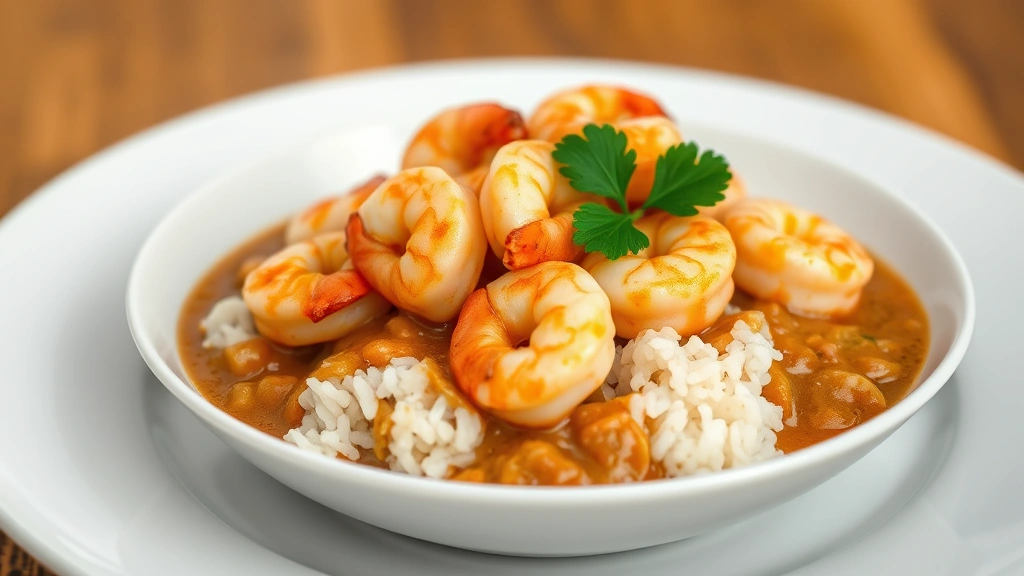
Étouffée recipes are the backbone of Louisiana Cajun cooking, and once you master the technique, you’ll unlock a world of bold, smoky flavors that’ll make your kitchen smell like the bayou. This isn’t fancy restaurant food—it’s honest, working-class cooking that’s been perfected over generations. Whether you’re smothering shrimp, crawfish, or chicken, the method stays consistent: build a dark roux, sauté your holy trinity of vegetables, add stock and tomatoes, and let it all simmer into something unforgettable.
Table of Contents
What Is Étouffée?
The word “étouffée” comes from French, meaning “smothered” or “suffocated.” In Cajun cooking, it refers to a dish where protein is literally smothered in a thick, flavorful sauce. Unlike gumbo, which is brothier and often served over rice in a bowl, étouffée has a denser sauce that clings to the protein. The magic happens through layering flavors—you’re building complexity with each step, starting with a proper roux and finishing with a sauce that tastes like it’s been cooking all day.
Authentic étouffée recipes focus on restraint and technique rather than a long ingredient list. You need good stock, fresh vegetables, proper spices, and patience. That’s it. The protein matters too, but the sauce is the star. When done right, a bowl of shrimp étouffée over rice is pure comfort—rich, warming, and deeply satisfying.
The Roux Foundation
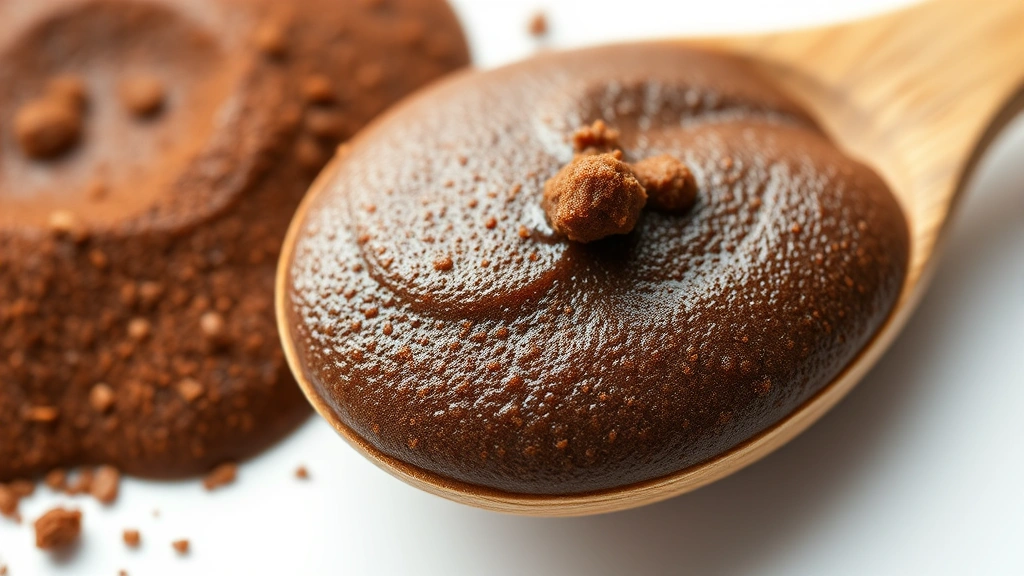
Every serious étouffée starts with a roux, and this is where most home cooks either succeed or stumble. A roux is equal parts fat and flour cooked together, and in Cajun cooking, you’re aiming for a dark chocolate color. This takes time—usually 30-45 minutes of constant stirring over medium heat. Don’t rush it. Use a heavy-bottomed pot (cast iron works great) and stick with it.
Start with equal parts butter and flour by weight. I use about 3 tablespoons of each for a standard batch. Add the flour to melted butter and stir constantly. The mixture will go from pale blonde to tan to brown to that deep chocolate color you want. The darker the roux, the more nutty and complex the flavor, but if you burn it, you start over. Once it’s the right color, immediately add your diced vegetables to stop the cooking process. The carryover heat will continue darkening it slightly.
Temperature control is critical. Medium heat gives you time to stir and prevents burning. If you go too hot, the roux browns unevenly and tastes bitter. If you go too cool, you’ll be stirring for an hour. Find that sweet spot and stay with it.
Holy Trinity Vegetables
The holy trinity in Cajun cooking is onions, celery, and bell pepper—usually in a 2:1:1 ratio. This combination forms the aromatic base for virtually every traditional Cajun dish. Dice them small, about quarter-inch pieces, so they soften quickly and distribute evenly through the sauce.
Add these vegetables to your finished roux and stir for about 3-5 minutes. They’ll release their moisture and start breaking down. This is when the kitchen really starts smelling like Louisiana. Add minced garlic at the end of this step—garlic burns easily, so you don’t want it in the roux from the start. After the garlic goes in, cook for another minute until fragrant.
The vegetables do double duty: they add flavor and help thicken the sauce as they break down. By the time your dish is finished, these vegetables are practically dissolved into the sauce, creating body and texture.
Classic Shrimp Étouffée
Shrimp étouffée is the most common version you’ll find, and for good reason. Shrimp cook fast, their delicate flavor doesn’t overpower the sauce, and they’re available year-round in most places.
Ingredients:
- 3 tablespoons butter
- 3 tablespoons all-purpose flour
- 1 large onion, diced
- 2 stalks celery, diced
- 1 bell pepper, diced
- 4 cloves garlic, minced
- 1 cup seafood or chicken stock
- 1 can (14 oz) diced tomatoes
- 1 pound large shrimp, peeled and deveined
- 1 teaspoon paprika
- ½ teaspoon cayenne pepper
- ½ teaspoon dried thyme
- Salt and black pepper to taste
- 2 bay leaves
- Hot sauce (optional, to taste)
Method:
Make your roux in a heavy pot over medium heat, stirring constantly for 30-45 minutes until it’s deep chocolate brown. Add your diced onion, celery, and bell pepper, stirring for 3-5 minutes. Add garlic and cook for 1 minute more. Pour in the stock slowly, stirring to prevent lumps. Add the diced tomatoes with their juice, paprika, cayenne, thyme, and bay leaves. Bring to a simmer and cook for 15 minutes, letting the flavors meld.
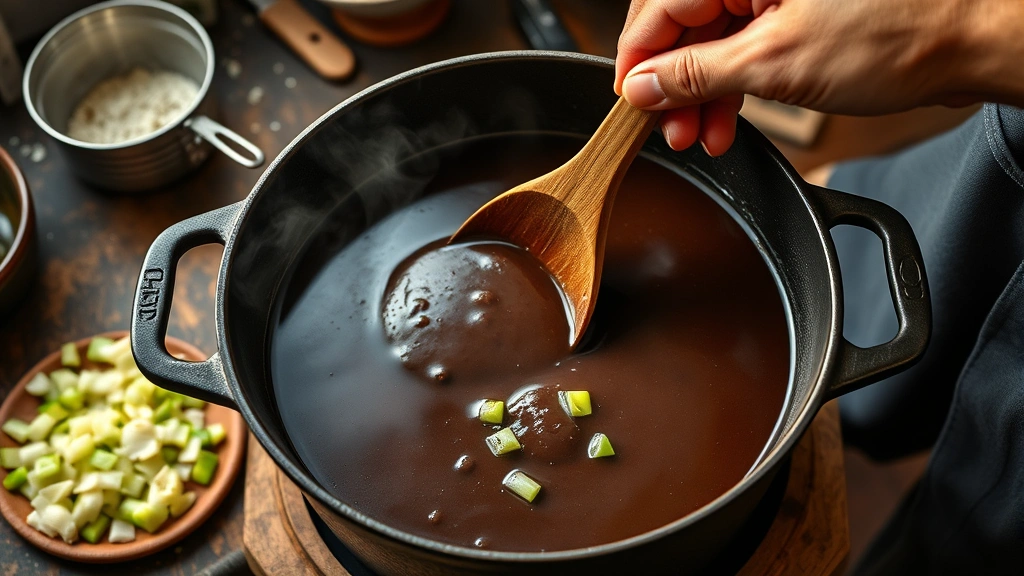
Season your shrimp with salt and pepper, then add them to the simmering sauce. Cook for 3-5 minutes until the shrimp turn pink and are cooked through. Don’t overcook—shrimp toughens quickly. Taste and adjust seasoning. Remove bay leaves before serving.
Serve over rice, and you’ve got restaurant-quality étouffée that cost you a fraction of what you’d pay out. The sauce should coat the back of a spoon but still move around the plate. If it’s too thick, add a splash of stock. If it’s too thin, let it simmer uncovered for another 5-10 minutes.
Crawfish Variation
Crawfish étouffée is the traditional version in Louisiana, especially during crawfish season (spring). The technique is identical to shrimp, but crawfish has a sweeter, more delicate flavor that really shines in a well-made sauce.
Use 1 pound of crawfish tail meat (frozen works fine if you can’t get fresh). The cooking time is the same—just 3-5 minutes in the simmering sauce. Crawfish is more delicate than shrimp, so handle it gently and don’t overstir once it’s in the pot.
Some cooks add a touch of lemon juice or a splash of hot sauce to crawfish étouffée. The acid brightens the sweetness of the crawfish and adds complexity. Start with a teaspoon of lemon juice and adjust from there.
Chicken Étouffée
Chicken étouffée is less common than the seafood versions, but it’s fantastic and more budget-friendly. Use boneless, skinless chicken breasts or thighs cut into bite-sized pieces.
The roux and vegetable base stay the same, but use chicken stock instead of seafood stock. Add 1 pound of chicken pieces and simmer for 10-12 minutes instead of 3-5, since chicken needs longer to cook through than shrimp or crawfish. The meat should be tender and cooked through but not dried out.
Chicken étouffée benefits from a little extra seasoning. Consider adding ½ teaspoon of smoked paprika for depth, or a pinch of ground cloves. These warm spices complement chicken beautifully. You might also add a tablespoon of tomato paste to the sauce for extra richness and umami.
Serving and Sides
Étouffée is always served over rice—white rice, brown rice, or even dirty rice all work. The rice soaks up the sauce and becomes part of the dish. Cook your rice separately and spoon the étouffée over the top. A generous ladle of sauce per serving is the goal.
For sides, keep it simple. A crisp green salad with vinaigrette cuts through the richness. Cornbread is traditional and soaks up extra sauce beautifully. Some folks serve it with black beans and rice as an alternative base, which adds another layer of flavor.
If you want to get fancy, try pairing étouffée with complementary sauces on the side, though honestly, the étouffée sauce is all you need. A simple chipotle aioli for dipping cornbread adds a nice modern twist if you’re feeling creative.
Common Mistakes
Rushing the roux: This is the biggest mistake. A proper roux takes 30-45 minutes. If you try to speed it up with high heat, you’ll burn it and have to start over. There’s no shortcut here—patience is the ingredient.
Adding cold stock to hot roux: This causes lumps. Always add stock slowly while stirring, or warm the stock first. If you do get lumps, strain the sauce through a fine-mesh sieve.
Overcooking the protein: Shrimp and crawfish cook in minutes. Overcooked shrimp becomes rubbery and tastes like rubber. Set a timer and don’t walk away.
Skipping the tomatoes: Some Cajun cooks argue about whether tomatoes belong in étouffée. Tomatoes add acidity and body, and they’re traditional in most Louisiana recipes. Don’t skip them unless you have a specific reason.
Under-seasoning: Cajun food is bold. Don’t be timid with salt, pepper, and spices. Taste as you go and adjust. You can always add more, but you can’t take it out.
Frequently Asked Questions
What’s the difference between étouffée and gumbo?
Gumbo is brothier and served in a bowl with rice mixed in. Étouffée has a thicker sauce that coats the protein and rice. Gumbo often includes okra or filé powder as a thickener, while étouffée relies on a roux and the vegetables breaking down. Both are delicious, but they’re different dishes.
Can I make étouffée ahead of time?
Absolutely. Make the sauce up to the point where you add the protein, then cool and refrigerate. When you’re ready to serve, reheat the sauce gently and add your protein at the end. This actually improves the flavor—the sauce has time to meld. Don’t add the protein until right before serving, or it’ll get overcooked.
What if my roux breaks or separates?
If your roux looks oily and separated, you’ve either overheated it or added cold liquid. Strain it through a fine-mesh sieve and start fresh. It happens—don’t get frustrated. Next time, add stock more slowly and make sure it’s warm.
Can I use file powder instead of making a roux?
You can, but it won’t taste the same. File powder (ground sassafras) thickens but doesn’t add the same nutty, complex flavor that a dark roux does. A proper roux is worth the time investment.
How spicy should étouffée be?
Traditional étouffée has a gentle heat from cayenne pepper, not a face-melting burn. Start with ½ teaspoon cayenne for a pound of shrimp and adjust from there. You can always add hot sauce at the table for people who want more heat.
What type of rice is best?
Long-grain white rice is traditional and works perfectly. Brown rice is a healthier option. Avoid sticky short-grain rice—it’ll turn mushy under the sauce. Cook your rice separately so it stays fluffy.


