
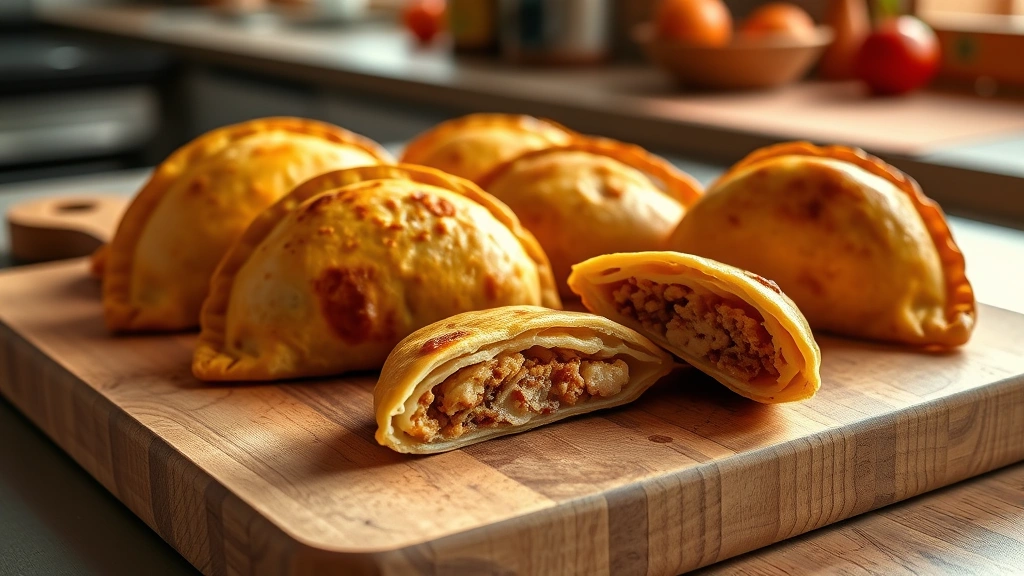
An empanada dough recipe doesn’t need to be complicated—in fact, the best ones are refreshingly simple. I’ve spent years perfecting pastries in my workshop kitchen, and I can tell you that mastering this dough is like learning to use your first power tool: once you nail the basics, everything else falls into place. This guide walks you through a straightforward 5-ingredient approach that delivers tender, flaky results every single time.
Table of Contents
Why Homemade Matters
Store-bought empanada dough often contains preservatives and lacks the buttery richness that makes homemade versions shine. When you make your own, you control every variable—the flour quality, the fat content, the salt level. It’s the difference between a mass-produced part and a custom-built component. Plus, the process takes maybe 15 minutes of active work, and most of the time is just letting the dough rest while you prep your filling.
The beauty of this empanada dough recipe is that it works for both baked and fried versions. Whether you’re making Argentine empanadas, Spanish ones, or something in between, this dough adapts beautifully. The flakiness comes from proper fat distribution and technique—not from mystery ingredients.
Five Ingredients Breakdown
Here’s what you need: all-purpose flour (2 cups), butter (6 ounces, cold), salt (1 teaspoon), egg yolk (1), and ice water (6-8 tablespoons). That’s it. No shortcuts, no substitutions needed for a stellar result.
Flour: All-purpose flour has the right protein content for structure without being too tough. If you only have bread flour, reduce the amount slightly and add a tablespoon of cornstarch to soften the dough.
Butter: Cold butter is non-negotiable. This creates steam pockets during baking, which gives you that signature flakiness. Cut it into quarter-inch cubes and keep it in the freezer until you’re ready to use it. The colder it stays, the better your results.
Salt: Enhances flavor and strengthens gluten development. Don’t skip this—it makes a noticeable difference.
Egg yolk: Binds the dough and adds richness. It also helps create a golden, shiny finish when you brush it on before baking.
Ice water: Keeps everything cold during mixing. Warm water develops gluten too quickly and makes dough tough. Use water straight from your fridge, or add an ice cube and let it sit for a minute.
Mixing the Dough
Combine flour and salt in a large bowl. Add your cold butter cubes. Using a pastry cutter, two knives, or your fingertips, work the butter into the flour until the mixture resembles coarse breadcrumbs. This step is crucial—you want pea-sized pieces of butter distributed throughout, not a smooth paste.
If using your hands, work quickly and keep your hands cool. Rub the butter and flour between your thumb and fingers, letting pieces fall back into the bowl. This takes about 3-4 minutes. Don’t overmix; you’re not making cookie dough.
In a small bowl, whisk the egg yolk with 6 tablespoons of ice water. Drizzle this mixture over your flour-butter blend while stirring gently with a fork. Add water gradually—you might not need all 8 tablespoons. The dough should come together when you squeeze a handful, but shouldn’t be wet or sticky.
Resting and Chilling
Form the dough into a flat disk, wrap it in plastic wrap, and refrigerate for at least 30 minutes. This resting period is where the magic happens. The flour fully hydrates, the gluten relaxes, and the butter firms up again. If you’re in a hurry, 30 minutes works, but 2 hours is better. You can even make this dough the night before.

Cold dough is easier to roll, less likely to shrink during baking, and produces flakier results. Think of it like letting wood settle before you assemble a project—patience pays off.
Rolling and Shaping
Remove your dough from the fridge 5 minutes before rolling. This slight softening makes it easier to work with without making it sticky. Dust your work surface lightly with flour. Using a rolling pin, roll the dough to about 1/8-inch thickness. If it starts resisting, let it rest for a minute—the gluten needs a break.
Cut circles using a 4-inch biscuit cutter or the rim of a drinking glass. Gather scraps, re-roll gently, and cut more circles. You should get 12-16 empanadas from this recipe, depending on size.
Place a spoonful of filling (about 1-2 tablespoons) slightly off-center on each circle. Fold the dough in half, creating a half-moon shape. Press the edges firmly with your fingers or a fork to seal. Make sure there are no air pockets near the seal—they cause leaks during cooking.
Filling Techniques
Your filling should be cooled before assembly. Hot filling softens the dough and can cause it to tear. Popular options include seasoned ground beef with olives and hard-boiled eggs, chicken with peppers and onions, or cheese and vegetable combinations.
The key is not overfilling. A tablespoon or two is plenty. Overstuffed empanadas burst open during cooking. Think of it like knowing when a screw is tight enough—you don’t need to force it.
If you’re making a vegetable-based filling like steamed carrots (which pairs beautifully with this dough), make sure to drain excess moisture. Wet fillings make soggy empanadas.
Baking Instructions
Preheat your oven to 375°F. Arrange empanadas on a parchment-lined baking sheet, leaving about an inch between each one. Brush the tops with the remaining egg white mixed with a teaspoon of water—this creates that golden, glossy finish.
Bake for 20-25 minutes until the tops are golden brown. The bottoms should also be lightly browned, not pale. If you’re baking multiple trays, rotate them halfway through for even cooking.
For fried empanadas, heat oil to 350°F and fry for 2-3 minutes per side until golden. Drain on paper towels. Fried versions are richer and crispier, while baked ones are lighter.
Troubleshooting Common Issues
Dough is too sticky: Add flour a tablespoon at a time during mixing. Chill longer before rolling.
Dough tears while rolling: You’re working with warm dough. Return it to the fridge for 10 minutes and try again.

Empanadas burst open during baking: Either you overfilled them or didn’t seal the edges properly. Press edges firmly with a fork next time, and use less filling.
Dough is tough and chewy: You mixed too much, developing excess gluten. Use a lighter hand and avoid overworking the dough.
Filling leaks out: Make sure your filling is cool and not too wet. Seal edges thoroughly with a fork.
Storage and Reheating
Unbaked empanadas freeze beautifully for up to 3 months. Arrange them on a baking sheet, freeze until solid, then transfer to freezer bags. Bake directly from frozen, adding 5-10 minutes to the baking time.
Cooked empanadas keep in an airtight container in the fridge for 4-5 days. Reheat in a 350°F oven for 8-10 minutes to restore crispness. Microwaving works but makes them slightly soft.
Frequently Asked Questions
Can I use shortening instead of butter?
You can, and it produces a flakier result because shortening has a higher melting point. However, butter provides superior flavor. For best results, use a mix: 4 ounces butter and 2 ounces shortening.
What’s the difference between empanada dough and pie dough?
They’re nearly identical. Empanada dough sometimes uses an egg yolk for richness and often includes a touch of vinegar for tenderness, but the basic technique is the same. This empanada dough recipe is essentially a versatile pastry dough.
Can I make this dough in a food processor?
Yes, but pulse carefully. Add flour and salt, pulse once. Add cold butter cubes and pulse 6-8 times until breadcrumb texture. Add egg yolk and water, pulse just until the dough clumps. Don’t let it form a ball in the processor—that means overworking.
How do I know when the dough is properly chilled?
It should feel firm but not rock-hard. If you press your finger into it, there should be slight resistance. If it’s too soft, chill longer. If it’s too hard, let it sit at room temperature for 5 minutes.
Can I add herbs or spices to the dough?
Absolutely. Add a teaspoon of dried oregano, cumin, or Italian seasoning to the flour before mixing. This adds depth without overwhelming the filling flavors.
What if I don’t have ice water?
Regular cold water works fine—just make sure your butter and ingredients stay cold. If your kitchen is warm, chill your mixing bowl before starting.
Conclusion: This empanada dough recipe proves that simplicity and quality go hand in hand. Five ingredients, basic technique, and a little patience deliver pastries that rival anything from a professional kitchen. Whether you’re pairing them with a hearty stew like Budae Jjigae or serving them as standalone appetizers, this dough handles everything. Master it, and you’ve got a skill that impresses every time. The key is respecting the process—cold ingredients, gentle handling, and proper resting. That’s not just cooking advice; it’s the foundation of good craftsmanship.


