
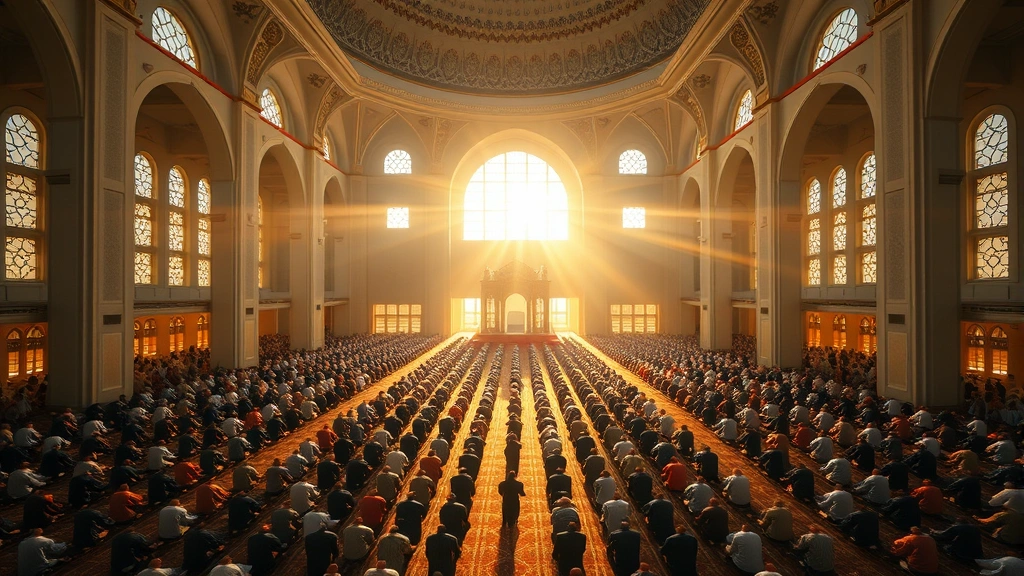
Learning eid ul fitr how to pray is a meaningful way to celebrate one of Islam’s most important festivals with proper intention and technique. Whether you’re observing this joyous occasion for the first time or refining your practice, this guide walks you through every movement, recitation, and spiritual element you need to know.
Table of Contents
Understanding Eid Prayer Basics
Eid ul Fitr prayer is fundamentally different from your daily five prayers. It’s a congregational prayer performed in the early morning hours, typically after sunrise but before mid-morning. The prayer consists of two rakah (units), but here’s where it gets interesting—it includes extra takbir (glorifications of Allah) that aren’t part of regular salah.
The beauty of this prayer lies in its simplicity combined with spiritual depth. You’re not standing alone in your room; you’re joining thousands of believers in a celebration of completing Ramadan’s fasting month. The atmosphere is joyful, the intention is pure, and the structure is straightforward once you understand the mechanics.
Unlike the Maghrib or Isha prayers you might perform daily, Eid prayer has no adhan (call to prayer) and no iqamah (second call). The imam simply begins when the time arrives and the congregation is ready. This is your first clue that something special is happening—the usual framework shifts to accommodate a more direct, communal approach.
Preparing Before Prayer Starts
Preparation begins the night before, honestly. You’ll want to ghusl (ritual bath) in the early morning or at least perform wudu (ablution) carefully. Many scholars recommend ghusl for Eid prayer, treating it with the same respect you’d give to Friday prayers. Wash your face, arms, head, and feet thoroughly with the intention of purifying yourself for this special occasion.
Dress in your best clothing—this is part of the Sunnah. Wear clean, modest garments. Men traditionally wear thobe or formal clothing; women wear hijab and modest dresses. The Prophet Muhammad (peace be upon him) encouraged believers to wear their finest for Eid, so don’t skip this step.
Eat something light before heading to the mosque or prayer ground. A few dates or a light breakfast helps you maintain focus during prayer. Arrive early—this gives you time to find a good spot, settle your mind, and prepare spiritually. The congregation typically gathers 15-30 minutes before the prayer begins.
Prayer Position and Setup
Position yourself in the prayer area with your feet about shoulder-width apart. If you’re in a mosque, follow the rows already formed. If you’re praying outdoors or in a prayer ground, align yourself with others, ensuring everyone faces the qibla (direction of the Kaaba in Mecca).
Men typically stand in front rows, while women stand behind. This isn’t about hierarchy—it’s traditional practice that helps maintain focus during prayer. Some mosques have separate areas; others have women’s sections in the back. Respect the local custom of your community.
Stand upright with shoulders relaxed but alert. Your hands should rest naturally at your sides or folded across your chest, depending on your school of Islamic jurisprudence. The key is being comfortable yet respectful, focused yet relaxed. You’re about to embark on a two-rakah journey that connects you to millions of believers worldwide.
First Rakah Breakdown
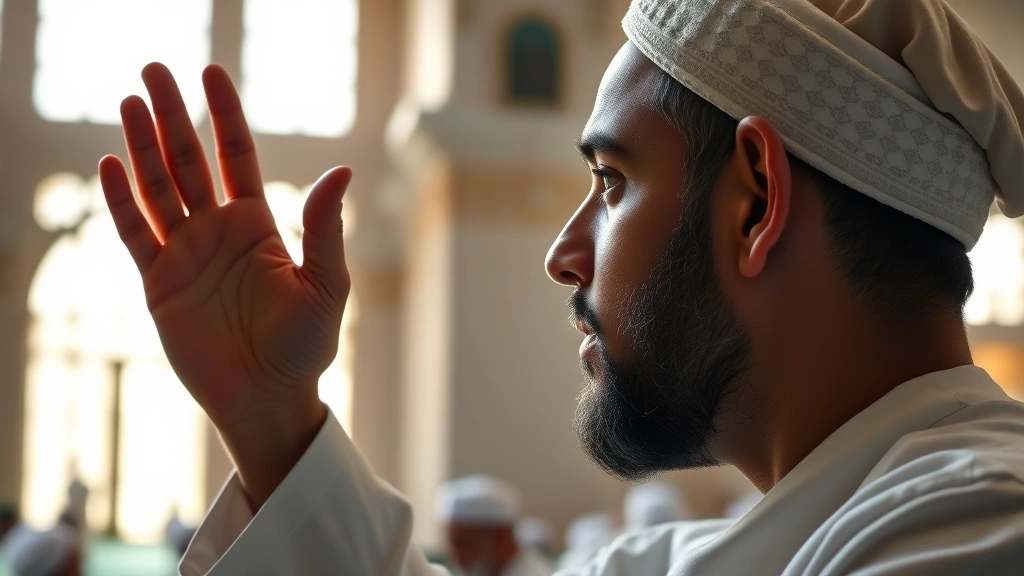
The imam begins by saying “Allahu Akbar” (Allah is Greatest), and this is your cue to raise your hands to ear level and follow along. But here’s the crucial part—before the regular takbir, you’ll perform seven extra takbirs in the first rakah. Some schools say three; others say seven. Follow your local imam’s practice.
After each takbir, lower your hands and pause briefly. This rhythm continues for all seven (or three) glorifications. It might feel unusual at first, but you’re building momentum spiritually. Each takbir is a declaration, a reset, a reconnection with the divine purpose of this day.
After the final takbir, raise your hands again and recite “Subhanaka Allahumma…” (the opening supplication). Then proceed with Surah Al-Fatihah followed by another surah of your choice—typically a short one like Surah Al-Ikhlas or Surah Al-Aala. The recitation should be audible enough for you to hear yourself.
Perform ruku (bowing) by bending at the waist, hands on knees, back straight. Say “Subhana Rabbiyal Adheem” (Glory be to my Lord, the Greatest) three times. Rise up saying “Sami’allahu liman hamidah” (Allah hears those who praise Him). Stand briefly, then move into sujud (prostration).
Second Rakah Steps
Stand up for the second rakah, and here’s where another key difference appears—you’ll perform five additional takbirs (or three, depending on your school). These come before you recite the opening supplication again. The pattern mirrors the first rakah but with a different number of takbirs.
After the takbirs, proceed exactly as you did in the first rakah: opening supplication, Surah Al-Fatihah, another surah, ruku, and sujud. The movements are identical; the spiritual intention remains focused on celebrating the end of Ramadan and returning to normal life with renewed consciousness.
After the second sujud of the second rakah, sit up in tashahhud position. This is where you recite the final testimony: “At-tahiyyatu lillahi wa assalamu alayka ayyuhan nabiyyu…” (All greetings and prayers are due to Allah, and peace be upon you, O Prophet…). Your right knee stays down; your left knee is raised.
Conclude by turning your head right and left, saying “Assalamu alaikum wa rahmatullahi wa barakatuh” (Peace be upon you and the mercy and blessings of Allah). The prayer is complete. You’ve just participated in one of Islam’s most joyful communal moments.
Takbir Recitations Explained
The takbir is the heartbeat of Eid prayer. “Allahu Akbar, Allahu Akbar, La ilaha illallah, Wallahu Akbar, Allahu Akbar, Wa lillahil hamd” translates to “Allah is Greatest, Allah is Greatest, there is no deity except Allah, Allah is Greatest, Allah is Greatest, and to Allah belongs all praise.”
Recite this with conviction and clarity. You’re not rushing through words; you’re making declarations that have echoed through Islamic history for over 1,400 years. Feel the weight of that continuity. Pronounce each word distinctly: Al-lah-u Ak-bar. Let the sounds resonate in your chest.
The takbir serves multiple purposes. It purifies your heart, reminds you of Allah’s greatness, and synchronizes your spiritual state with the entire congregation. When hundreds or thousands of people say these words together, the experience transcends the individual—you become part of something larger than yourself.
Different Islamic schools (madhabs) have variations in the exact number and timing of takbirs. The Hanafi school uses three takbirs before the opening supplication in the first rakah and three in the second. The Shafi’i school uses seven in the first and five in the second. Ask your imam which tradition your community follows and stick with it.
Common Mistakes to Avoid
Don’t rush through the takbirs just because everyone else is doing them. This is a common mistake, especially for those new to Eid prayer. Each takbir deserves your full attention and intention. Slow down, breathe, and let each word sink in.
Avoid arriving late. If you miss the opening takbirs, you’ve missed a significant portion of what makes Eid prayer unique. Aim to arrive at least 20 minutes early so you’re settled and ready when the imam begins. This also gives you time to mentally prepare and connect with the spiritual energy of the gathering.
Don’t assume you know the exact procedure without checking with your local mosque or imam. Different communities follow different schools of Islamic jurisprudence, and what’s correct in one mosque might be slightly different in another. This isn’t a problem—it’s flexibility built into Islamic practice—but you should know your community’s way.
Avoid distracting others with excessive movement or conversation after you’ve positioned yourself. Once the prayer begins, maintain focus and silence. Your concentration affects not just your experience but the collective spiritual atmosphere everyone is trying to create together.
Post-Prayer Etiquette
After the prayer concludes, don’t rush out immediately. Take a moment to sit and make personal duas (supplications). This is a blessed time, and many scholars say personal prayers after Eid prayer are particularly answered. Ask Allah for guidance, forgiveness, and blessings for yourself and your loved ones.
Greet others warmly. Eid is about community, so exchange hugs, handshakes, and kind words. Say “Eid Mubarak” (Blessed Eid) to those around you. This social connection is as important as the prayer itself—you’re reinforcing bonds within your community and celebrating together.
If you’re attending a mosque, participate in any post-prayer gathering or breakfast they might offer. Many communities serve food and drinks after Eid prayer, continuing the celebration and strengthening communal ties. If you’re praying at a designated prayer ground, connect with fellow worshippers before heading home.
Spend the rest of your Eid day visiting family, giving gifts, and enjoying halal food. The celebration extends beyond the prayer itself. You’ve completed your spiritual obligation; now embrace the joy and festivity that Eid represents. This balance between spiritual devotion and joyful celebration is what makes Eid ul Fitr special.
Frequently Asked Questions
What time should I arrive for Eid prayer?
Arrive 20-30 minutes before the announced prayer time. This gives you time to find a spot, perform wudu if needed, and settle your mind. Eid prayers typically happen early morning, so check your local mosque’s announcement for exact timing.
Can women pray Eid prayer at home?
While women can pray at home, the Sunnah emphasizes congregational prayer for both men and women on Eid. Many mosques now have dedicated women’s sections or separate prayer areas. Attending the congregation is encouraged unless there’s a valid reason preventing it.
What if I miss one of the rakah?
If you arrive late and miss part of the prayer, join in whenever you can. Complete whatever you’ve missed after the imam finishes. The key is participating with sincere intention, even if you don’t catch every moment.
Do I need to memorize the Quran for Eid prayer?
No, you don’t need to memorize the entire Quran. Knowing Surah Al-Fatihah is essential, and knowing one short surah helps. If you can’t recite from memory, follow the imam’s recitation. Many people read from a Quran during Eid prayer, and this is perfectly acceptable.
Is Eid prayer mandatory for everyone?
Eid prayer is highly recommended (Sunnah Mu’akkadah) for all Muslims, but it’s not as obligatory as the five daily prayers. However, missing it without valid reason is discouraged. Valid reasons include illness, disability, or caring for dependents.
What’s the difference between Eid ul Fitr and Eid ul Adha prayer?
Both prayers have the same basic structure—two rakah with extra takbirs—but they’re celebrated at different times. Eid ul Fitr marks the end of Ramadan, while Eid ul Adha comes about 70 days later, commemorating Prophet Ibrahim’s willingness to sacrifice. The prayer format is nearly identical.
Final Thoughts
Mastering eid ul fitr how to pray opens a door to one of Islam’s most joyful experiences. The prayer itself is straightforward—two rakah with extra takbirs—but the spiritual significance runs deep. You’re connecting with centuries of Islamic tradition, joining millions of believers worldwide, and celebrating a month of spiritual growth.
Don’t stress about perfection. If you stumble on a recitation or lose track of the takbirs, continue with sincerity. Allah values intention over flawless execution. Each time you pray Eid ul Fitr, you’ll feel more comfortable with the movements and recitations. The first time might feel unfamiliar; by your third or fourth Eid, it’ll feel like second nature.
Arrive early, dress well, focus your intention, and participate fully. Greet others warmly afterward, and spend your Eid celebrating with family and community. This is what Eid ul Fitr is about—spiritual devotion combined with communal joy and festive celebration. You’ve got this.


