
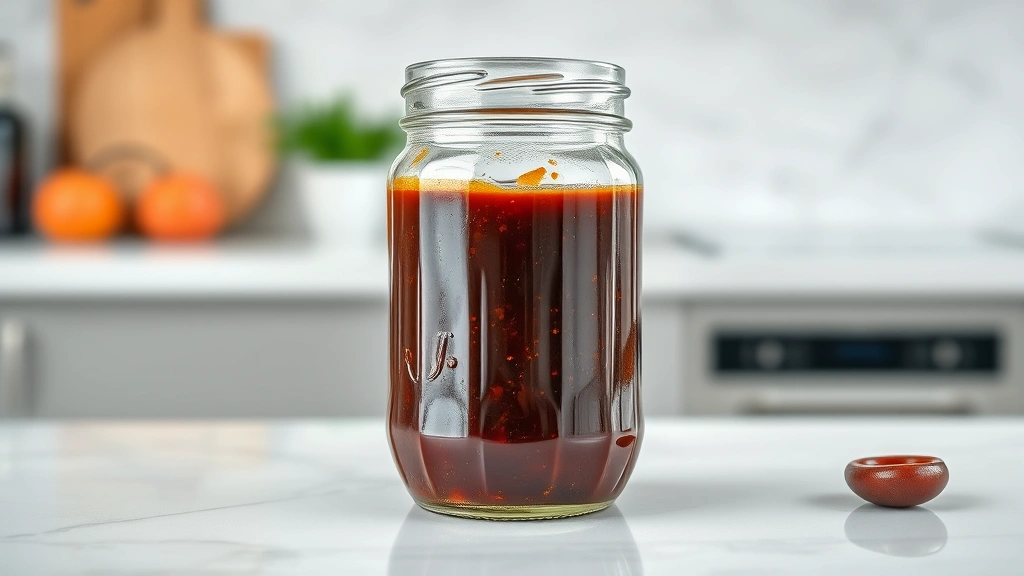
An eel sauce recipe is one of those kitchen shortcuts that makes you look like a pro without actually requiring any special skills—and honestly, it’s way better homemade than anything you’ll grab from a bottle at the store.
Table of Contents
What Is Eel Sauce?
Eel sauce, also called unagi sauce, is a thick, glossy Japanese condiment that tastes like sweet soy with a hint of umami depth. Despite its name, there’s no actual eel in the sauce—it’s traditionally served alongside grilled eel dishes, which is where it gets its name. Think of it as a sophisticated cousin to regular soy sauce, with brown sugar sweetness and a savory backbone that makes everything it touches taste better.
The sauce has that signature dark mahogany color and a consistency somewhere between ketchup and honey. It clings to food beautifully, caramelizes under heat, and brings serious depth to sushi rolls, grilled proteins, and stir-fries. Once you start making your own, you’ll find yourself reaching for it constantly.
Why Make It Homemade
Store-bought eel sauce works, sure, but homemade is in a different league entirely. You control the sweetness level, the thickness, and the flavor intensity. Plus, you probably have everything you need in your pantry right now. The whole process takes about 10 minutes from start to finish, and you’ll end up with a batch that lasts weeks in the fridge.
Homemade also means no weird preservatives or additives—just real ingredients creating real flavor. Once you taste the difference, you’ll never go back. And let’s be honest, there’s something satisfying about making a restaurant-quality condiment in your own kitchen while sipping your coffee.
Ingredients You’ll Need
Here’s the beautiful part: this eel sauce recipe requires just four basic ingredients that you probably already have:
- Soy sauce (½ cup) — use regular or low-sodium, whatever you prefer
- Brown sugar (¼ cup) — packed brown sugar works best for that molasses depth
- Mirin (2 tablespoons) — this sweet Japanese rice wine is the secret weapon, but honey works in a pinch
- Water (2 tablespoons) — helps balance the consistency
Optional additions include a teaspoon of ginger, a pinch of garlic powder, or a splash of rice vinegar if you want to experiment. But honestly, the basic four-ingredient version is perfect as-is.
Step-by-Step Guide
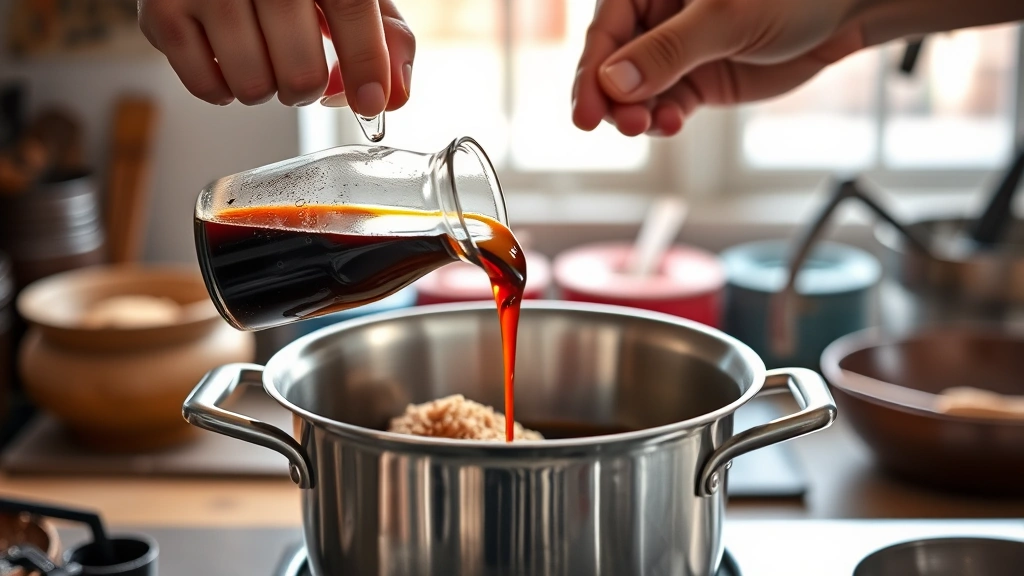
This is where the magic happens, and it’s stupidly simple. Grab a small saucepan and combine your soy sauce, brown sugar, mirin, and water over medium heat. Stir everything together until the sugar dissolves completely—this takes about 2 minutes.
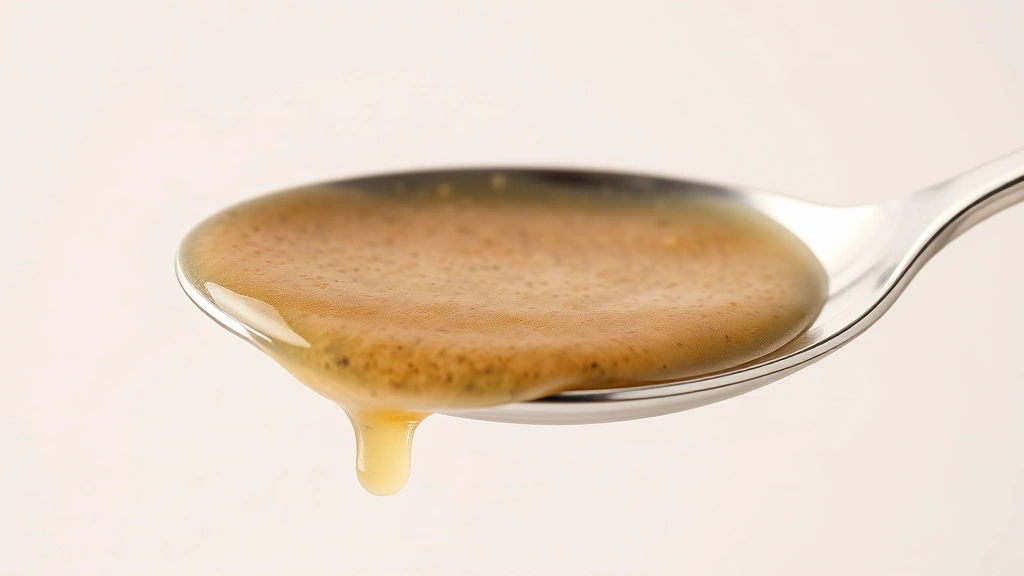
Once it’s mixed, let it simmer for 5-7 minutes without stirring. You’re looking for the sauce to thicken slightly and develop a glossy sheen. It should reduce by about a quarter and coat the back of a spoon when you dip it in. Don’t let it boil hard or you’ll end up with something too thick and bitter.
After simmering, pull it off the heat and let it cool to room temperature. The sauce will thicken even more as it cools—this is normal and exactly what you want. If it gets too thick, just add a splash of water when you’re ready to use it.
Flavor Variations
The basic recipe is solid, but here’s where you can get creative. Add ½ teaspoon of fresh ginger juice for a subtle kick, or a minced garlic clove for savory depth. Some people love a splash of rice vinegar to brighten things up, especially if you’re serving it with lighter proteins.
If you want spicy eel sauce, add a pinch of cayenne or a few dashes of sriracha. For something richer, try adding ½ teaspoon of sesame oil at the end. The key is adding these variations sparingly—you can always add more, but you can’t take it back. This approach works great if you’re also making BBQ sauce recipe variations, since the principle of tasting and adjusting is the same.
Storage and Shelf Life
Pour your cooled sauce into a clean glass jar or bottle and stick it in the fridge. It’ll keep for 3-4 weeks easily, sometimes longer if you’re careful about keeping it clean. The cold will make it thicken more, so if it gets too stiff, just warm it slightly or add a teaspoon of water before using.
Don’t leave it sitting out at room temperature for extended periods—treat it like you would any other condiment. If you notice any mold or off smells, toss it. But honestly, if you’re storing it properly in a sealed container in the fridge, you’ll use it up long before it goes bad.
Serving Suggestions
This sauce is ridiculously versatile. Brush it on grilled chicken, salmon, or shrimp in the last minute of cooking for an incredible glaze. Drizzle it over sushi rolls, rice bowls, or even roasted vegetables. It’s fantastic as a dipping sauce for gyoza or spring rolls, and works beautifully as a finishing glaze on stir-fries.
Try it on grilled pork chops, drizzled over rice noodles, or as a dipping sauce for tempura. Some people even use it on burgers or as a glaze for roasted Brussels sprouts. The sweet-savory profile plays well with almost anything. If you’re planning best summer recipes, eel sauce elevates grilled proteins instantly.
Common Mistakes to Avoid
The biggest mistake is boiling the sauce too aggressively. High heat can make it bitter and overly thick. Medium heat and patience are your friends here. Another common issue is not reducing it enough—if your sauce is still thin and watery after cooling, you didn’t simmer it long enough. Just pop it back on the stove for another few minutes.
Don’t skip the cooling step either. The sauce continues to thicken as it cools, and you’ll get a better sense of the final consistency if you let it come to room temperature before deciding if it needs adjusting. Also, resist the urge to use artificial sweeteners or substitutes—the brown sugar and mirin are what give this sauce its character, so don’t cheap out.
If you’re making Asian-inspired dishes like how to make ramen in the microwave, having proper eel sauce on hand elevates the entire dish. Store-bought versions often have off-flavors that homemade just doesn’t have.
Frequently Asked Questions
Can I make eel sauce without mirin?
Absolutely. Use honey, maple syrup, or even corn syrup as a 1:1 replacement. The flavor will shift slightly—honey adds floral notes, maple brings earthiness—but it’ll still be delicious. Some people prefer the honey version, honestly.
Is eel sauce gluten-free?
Not necessarily, because most soy sauce contains wheat. If you need gluten-free, use tamari instead of regular soy sauce and you’re golden. Everything else is naturally gluten-free, so this swap is your only concern.
Can I freeze eel sauce?
Yes, it freezes beautifully for up to 3 months in an airtight container or ice cube tray. Thaw it in the fridge before using. Ice cube trays are actually brilliant because you can pop out exactly what you need without thawing the whole batch.
How thick should eel sauce be?
It should coat a spoon but still flow slowly. Think of it as slightly thicker than honey. If it’s too thin, simmer it longer. If it’s too thick, add water a teaspoon at a time until you hit the sweet spot.
What’s the difference between eel sauce and teriyaki?
Eel sauce is thicker, sweeter, and more intensely flavored. Teriyaki is lighter and more versatile as a marinade. They’re cousins but definitely not the same thing. Eel sauce is more of a finishing glaze, while teriyaki works better as a cooking medium.
Can I use this on non-Asian dishes?
One hundred percent. Try it on roasted vegetables, grilled meats, or even drizzled over ice cream if you’re feeling adventurous. The sweet-savory profile works across cuisines. It’s particularly good on American chop suey recipe if you want to add depth to more traditional dishes.
Final Thoughts
Making your own eel sauce recipe is one of those kitchen wins that pays dividends every single time you cook. Ten minutes of effort gives you weeks of restaurant-quality condiment that transforms ordinary proteins and vegetables into something special. The ingredients are cheap, the process is foolproof, and the results are undeniably better than anything you’ll find in a bottle.
Once you’ve made this a few times, you’ll start experimenting with variations and using it on everything. Keep a jar in your fridge at all times, and you’ll find yourself reaching for it constantly. Your grilled chicken, sushi, stir-fries, and roasted vegetables will all thank you. This is the kind of simple kitchen skill that makes you a better cook without requiring any actual cooking talent—just attention and patience. Now get in that kitchen and make a batch.
For more sauce inspiration and complementary recipes, check out Family Handyman’s food guides and This Old House recipe collection. And if you’re looking to expand your Asian cooking repertoire, Bob Vila’s cooking section has solid recommendations for complementary dishes like Boursin recipes for creamy variations.


