
If you’re maintaining a sourdough starter, you already know the struggle: every time you feed that bubbling jar, you’ve got to discard half of it to make room. That’s where easy sourdough discard recipes come in to save the day—and your wallet. Instead of tossing perfectly good starter down the drain, you can transform it into pancakes, muffins, crackers, and more. I’ve been baking sourdough for years, and I’ve learned that sourdough discard is basically liquid gold in the kitchen. It’s packed with flavor, naturally leavened, and honestly, it makes some of the best baked goods you’ll ever taste.
Table of Contents
Why Save Your Sourdough Discard
Let’s be real: throwing away sourdough starter feels wrong. Every time you discard, you’re tossing away a living culture that’s been working hard to develop complex flavors. That discard is literally full of wild yeast and beneficial bacteria that give sourdough its distinctive tang and texture. The beauty of sourdough discard is that it’s already partially fermented, which means your baked goods get a head start on flavor development. You’re not just reducing waste—you’re getting tastier results with less effort. Plus, these recipes work whether your discard is fresh, refrigerated, or even a bit older. It’s incredibly forgiving stuff.
Fluffy Pancakes and Waffles
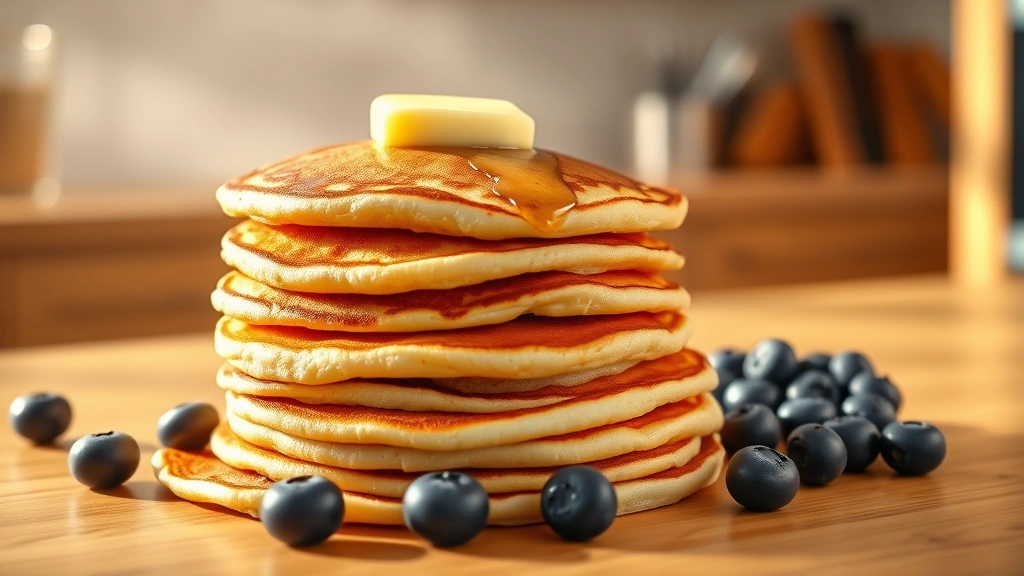
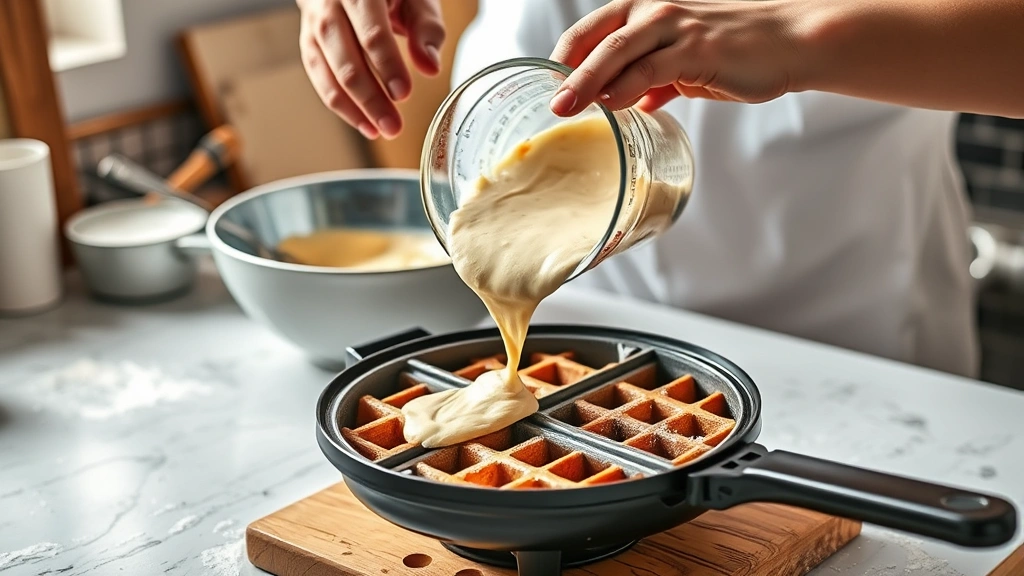
This is the gateway recipe for sourdough discard newbies. Sourdough pancakes are genuinely life-changing—they’ve got this incredible tang and fluffiness that regular pancakes can’t touch. The discard provides natural leavening, so you need less baking powder. Mix your discard with eggs, a bit of flour, milk, butter, and a touch of baking soda. The baking soda reacts with the acidity in the discard to create lift. Cook them on a griddle just like regular pancakes. The same batter works beautifully for waffles too—just pour it into your waffle iron and you’ve got crispy-outside, tender-inside waffles that’ll make you question why you ever bought frozen ones. Serve with blueberry syrup for a next-level breakfast situation.
Muffins and Quick Breads
Muffins are where sourdough discard really shines. Blueberry muffins, chocolate chip muffins, banana bread—you name it, sourdough discard makes it better. The discard adds moisture and tang without making things heavy. The fermentation also means your muffins stay fresh longer and have better crumb structure. Quick breads like zucchini bread, pumpkin bread, and carrot cake all benefit from sourdough discard. The key is using about 1 cup of discard per loaf and reducing your liquids slightly since the discard already contains moisture. These recipes are dead simple: mix your dry ingredients, combine your wet ingredients (including discard), fold together, and bake. No special technique required. The results taste like you spent hours in the kitchen when really you just mixed a few bowls.
Crackers and Crispy Snacks
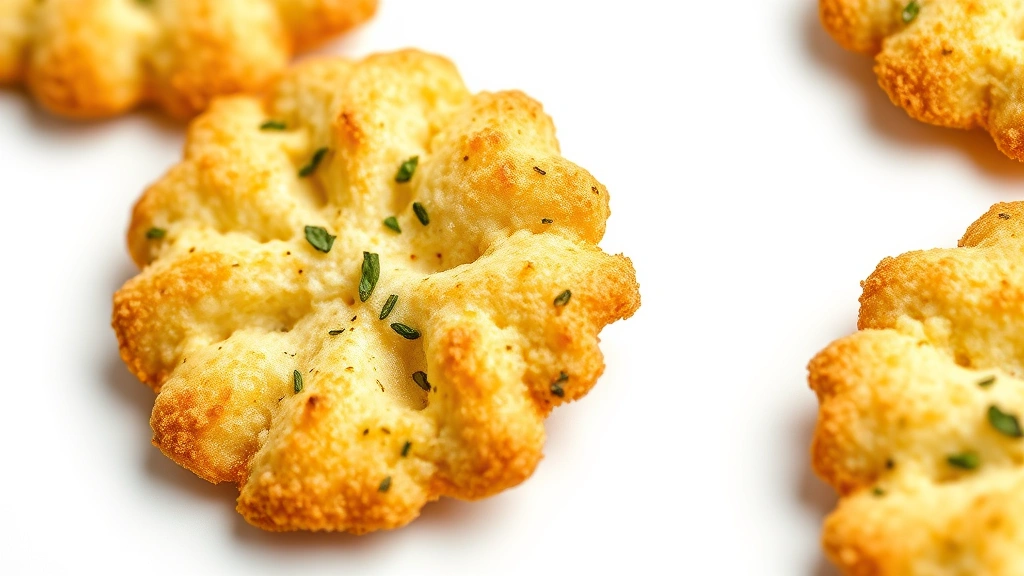
Want to get fancy? Make sourdough crackers. Thin out your discard with a bit of water, spread it on a baking sheet, season with salt and whatever herbs you like (rosemary, everything bagel seasoning, parmesan), and bake at 375°F until golden and crispy. You’ll get thin, salty, tangy crackers that are miles better than anything from a box. The fermentation in the discard creates complex flavors that store-bought crackers simply can’t match. You can also make crisps with toppings—try everything bagel seasoning, Italian herbs, or even a bit of nutritional yeast for a cheesy flavor. These keep in an airtight container for days and make excellent snacks or appetizers. They’re also perfect for entertaining because people always ask for the recipe.
Biscuits and Scones
Sourdough biscuits are buttery, flaky, and tangy in the best way. The discard replaces some of your liquid, and the fermentation helps develop those beautiful layers. The technique is the same as traditional biscuits: cut cold butter into your flour, add your discard and a bit of milk, fold gently, cut out shapes, and bake. Scones work the same way. English-style scones with sourdough discard are tender and have this subtle sour note that pairs perfectly with jam and clotted cream. You can also add dried fruit, chocolate chips, or fresh herbs to either recipe. The discard’s acidity actually helps keep biscuits and scones tender because it reacts with the baking soda to create lift without overdeveloping gluten.
Cakes, Brownies, and Cookies
This is where things get fun. Sourdough discard works beautifully in cakes—chocolate cake, vanilla cake, carrot cake, you name it. The discard replaces some of your liquid and adds a subtle tang that makes chocolate taste richer. For brownies, use about 1 cup of discard and reduce your liquid accordingly. The result is fudgier, more flavorful brownies with better texture. Cookies are trickier because you don’t want too much moisture, but you can absolutely use discard in cookie doughs. Snickerdoodles get a lovely tang from sourdough discard. Sugar cookies become more interesting. Even chocolate chip cookies benefit from that subtle fermented flavor. The key with cookies is using thicker discard (not too liquidy) and reducing your other liquids slightly.
Savory Sourdough Creations
Don’t sleep on savory applications. Sourdough discard makes incredible savory pancakes—think scallion pancakes or herb pancakes. You can also use it in savory muffins with cheddar and jalapeños, or corn and bacon. Some folks use discard in biscuit doughs for pot pies or as sides to soup. You can even make sourdough pizza dough using discard as part of your liquid. The fermentation gives you that complex flavor you’d normally get from long cold fermentation. For something completely different, try making birria sauce or bearnaise sauce and serve them with sourdough discard crepes or flatbreads. The tangy flatbread complements rich sauces beautifully.
Storing Your Discard Smart
Here’s the pro move: don’t use your discard right away. Store it in a jar in the fridge and let it sit for a few days. This develops more flavor and actually makes it more useful for baking. Older discard (even a week or two old) is perfect for recipes. You can also freeze discard in ice cube trays for grab-and-go portions. Frozen discard works fine in most recipes—just thaw it first or add a bit of extra liquid to compensate. Some people keep a “discard jar” going in the fridge specifically for baking projects. Label it with the date so you know how old it is. Discard keeps for weeks in the fridge and months in the freezer. The only time you might want to toss it is if you see pink or orange mold, which indicates contamination. Normal brown liquid on top (hooch) is totally fine—just stir it back in.
Frequently Asked Questions
Can I use discard that’s been in the fridge for weeks?
Absolutely. Older discard actually develops more flavor. As long as there’s no pink or orange mold, it’s safe to use. The brown liquid (hooch) that collects on top is just alcohol from fermentation—stir it back in or pour it off, your choice.
What’s the difference between thick and thin discard?
Thick discard (recently fed starter) has more structure and works better for recipes where you want more lift, like pancakes. Thin discard (older, more fermented) is better for recipes where you want tang and moisture, like muffins. Either works in most recipes—you might just adjust your liquid slightly.
Do I need to use discard at peak activity?
Nope. Peak activity matters for bread baking, but for discard recipes, it doesn’t matter much. You’re not relying on the discard to leaven your whole recipe—you’re using baking powder or baking soda for that. The discard is there for flavor and moisture.
Can I substitute discard for regular flour?
Not directly. Discard is mostly water, so it’s more like substituting for liquid than flour. A typical ratio is 1 cup of discard replacing about 1/2 cup flour and 1/2 cup liquid. Always adjust based on your final dough consistency.
What if my discard is too thin or too thick?
Thin discard works fine—add it as liquid. Thick discard also works—it just contributes more flour-like substance. If you need to adjust, thin discard with water or thicken it by letting it sit uncovered for a bit.
Are there any recipes where discard doesn’t work?
Discard doesn’t work well in delicate pastries like croissants or puff pastry where you need precise hydration and lamination. It’s also not ideal for recipes that rely on yeast leavening alone (like sandwich bread) since discard doesn’t have enough active yeast. Stick with quick breads, cakes, pancakes, and other recipes using chemical leaveners.
The Bottom Line
Easy sourdough discard recipes are a game-changer for anyone maintaining a starter. You’re reducing waste, saving money, and honestly making better baked goods. Start with pancakes or muffins if you’re new to this—they’re foolproof and absolutely delicious. Once you get comfortable, branch out into crackers, biscuits, and cakes. The beauty of sourdough discard is that it’s incredibly forgiving. Your starter is basically begging you to use it, and these recipes make that happen. Keep a jar of discard in your fridge, and you’ll always have the foundation for something tasty. You’ve got this.


