

Learning espresso recipes transforms your kitchen into a professional-grade coffee bar, and honestly, it’s way easier than you’d think. Whether you’re pulling your first shot or perfecting your technique, these ten essential drinks will have you crafting café-quality beverages in your own home. Let’s dive into the drinks that separate casual coffee drinkers from true espresso enthusiasts.
Table of Contents
Classic Espresso Shot
The foundation of all espresso recipes starts here—a single or double shot pulled with precision. A single shot uses about 7-9 grams of finely ground coffee, while a double uses 14-18 grams. The sweet spot for extraction time sits around 25-30 seconds. Your espresso machine’s group head temperature should hover around 200-205°F for optimal extraction.
The key is dialing in your grinder correctly. Too coarse and your water rushes through; too fine and you’ll get bitter over-extraction. Start with medium-fine and adjust based on your pull time. Watch for that golden honey-colored crema on top—that’s your sign of proper extraction. The taste should be bold but balanced, never burnt or sour.
Americano Basics
An Americano flips the script on espresso by adding hot water to your shots rather than milk. This creates a drink with espresso’s intensity but a lighter body. Use one or two espresso shots and add 6-8 ounces of hot water. The ratio matters—too much water and you lose that espresso character; too little and you’re basically drinking straight shots.
The order of assembly changes the experience. Traditional Americanos add water first, then espresso shots, which preserves more crema. Reverse Americanos (shots first, then water) create a smoother, more integrated flavor. Both methods are valid—choose based on whether you want that bold, layered intensity or a more harmonious blend.
Cappuccino Technique
Cappuccinos demand respect for milk-steaming technique. The classic ratio is 1:1:1—one part espresso, one part steamed milk, one part milk foam. This creates that thick, luxurious texture that separates a proper cappuccino from a latte. Your steam wand angle and positioning matter tremendously here.
Position your pitcher so the steam wand tip sits just below the milk surface. You’ll hear a soft, consistent hissing sound—that’s the sweet spot. Tilt the pitcher slightly to create a whirlpool motion that keeps the milk moving and heating evenly. Aim for milk temperature around 150-155°F. The foam should be velvety and dense, not bubbly or thin. This takes practice, so don’t get discouraged if your first attempts are imperfect.
Latte Foundation
Lattes are the opposite of cappuccinos in milk ratio—you’re looking at one part espresso to three or four parts steamed milk, with just a thin layer of foam on top. This creates that creamy, smooth drink that coffee newcomers often prefer. The larger milk volume mellows the espresso’s intensity while adding richness.
When steaming for lattes, you want more integrated foam rather than distinct layers. Keep your steam wand tip slightly deeper in the milk than you would for cappuccinos. The milk should feel warm to touch on the pitcher exterior, and you’re aiming for around 155-160°F. Pour slowly into your espresso shots, holding back the foam with a spoon so it lands on top in a thin layer. The result should be silky and homogeneous throughout.
Macchiato Method
A macchiato is espresso “marked” with just a small amount of milk foam—think of it as the opposite of a cappuccino. You’re pulling one or two shots and topping with about an ounce of velvety microfoam. This drink celebrates the espresso while adding just enough milk to soften the edges.
The technique here is about restraint. Create that microfoam by positioning your steam wand similarly to cappuccino technique but stop much earlier—you’re only adding a thin, dense layer on top. The espresso should remain the star of the show. This is a perfect drink for espresso lovers who want a touch of smoothness without diluting their coffee’s character.
Flat White Craft
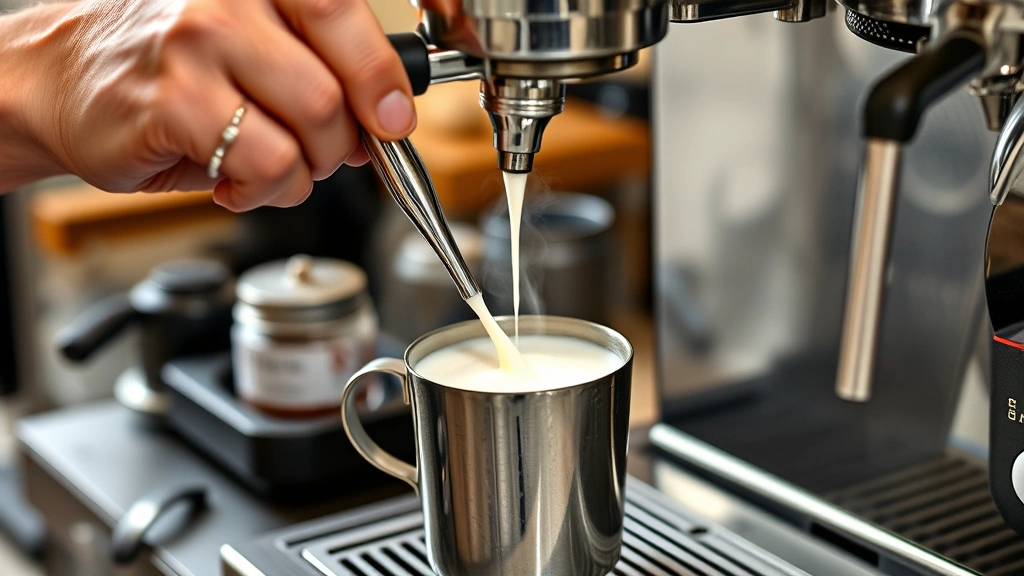
Flat whites occupy that middle ground between cappuccinos and lattes—traditionally smaller than a latte but with more milk than a cappuccino. The ratio is roughly 1:2 espresso to steamed milk, with microfoam integrated throughout rather than sitting on top. This Australian and New Zealand classic emphasizes the marriage of espresso and milk.
What makes flat whites special is the milk texture. You’re creating microfoam that’s so fine and velvety that it looks almost like liquid. The foam particles are microscopic, creating a glossy, smooth appearance. Pour from a lower height than you would for a latte, and angle your cup to create that signature flat surface with barely a visible foam layer. The entire drink should taste integrated, not layered.
Cortado Balance
Cortados are all about balance—equal parts espresso and steamed milk, usually 2 ounces of each. This 1:1 ratio creates a drink that’s stronger than a latte but smoother than a straight espresso. It’s perfect when you want the full espresso experience without the intensity of a pure shot.
The beauty of cortados is their simplicity. Pull your shots, steam your milk to that velvety microfoam texture, and combine equal amounts. No layering, no elaborate technique—just clean, balanced coffee and milk. This drink is excellent for understanding how milk interacts with espresso flavor, making it a great teaching tool when you’re refining your technique.
Mocha Chocolate Blend
Mochas add chocolate to the espresso-milk equation, creating an indulgent drink that bridges coffee and dessert. Start with one or two espresso shots, add about an ounce of chocolate syrup or powder, then top with steamed milk and a generous dollop of foam. The chocolate should integrate smoothly without overpowering the espresso.
Choose quality chocolate products—cheap syrups create a one-dimensional sweetness. Better yet, make your own chocolate syrup by combining cocoa powder with hot water and a touch of sugar. This gives you control over sweetness and allows the chocolate to complement rather than mask your espresso. Top with whipped cream if you’re feeling fancy, and dust with cocoa powder for that café presentation.
Affogato Simplicity
Affogatos might be the easiest espresso recipe to master—pull a shot of espresso and pour it directly over a scoop of vanilla ice cream. That’s it. The heat of the espresso melts the ice cream slightly, creating a dessert-drink hybrid that’s absolutely irresistible on warm days.
The magic is in the quality of your ingredients. Use premium ice cream and pull a proper espresso shot. Some people prefer gelato for its denser texture. The espresso should be hot enough to create that melting action but not so hot that it completely destroys the ice cream’s structure. Serve immediately and enjoy with a spoon and straw. This is comfort in a glass.
Ristretto Intensity
Ristrettos are “restricted” shots—shorter, more concentrated espresso pulls. Instead of extracting for 25-30 seconds, you’re stopping at around 15-20 seconds, using the same amount of coffee but less water. The result is a smaller volume of intensely concentrated espresso with bold, syrupy sweetness.
Ristrettos aren’t for everyone—they’re an acquired taste. The shorter extraction time means you’re pulling more of the coffee’s initial sweet notes before the bitter compounds fully develop. Some people drink ristrettos straight, while others use them as a base for drinks when they want maximum espresso flavor in smaller volumes. Experiment with your machine to find the exact pull time that works for your grind and beans.
Frequently Asked Questions
What’s the difference between espresso recipes and regular coffee?
Espresso uses pressure (9 bars) to force hot water through finely ground coffee in seconds, creating a concentrated, crema-topped shot. Regular coffee steeps grounds in hot water for minutes. Espresso’s intensity and body make it the base for milk drinks, while regular coffee stands alone.
Do I need an expensive espresso machine to start?
Entry-level machines ($300-500) can produce quality shots. What matters more is consistency and learning proper technique. Invest in a good grinder first—it impacts your results more than machine price. You can pull respectable shots on modest equipment with practice.
How do I know when my espresso is extracted correctly?
Look for golden honey-colored crema on top, a pull time of 25-30 seconds, and balanced flavor—not sour or bitter. The taste should be complex with sweetness, slight bitterness, and acidity in harmony. Each bean and machine requires dialing in, so keep notes on your settings.
Can I make espresso without a machine?
Not technically—espresso requires pressure. However, Moka pots and AeroPress create concentrated coffee drinks that approximate espresso’s intensity. They won’t produce true espresso with crema, but they’re viable for making milk-based drinks on a budget.
What’s the best water temperature for espresso?
Aim for 200-205°F at the group head. Too cool and you’ll under-extract sour shots; too hot and you’ll over-extract bitter ones. Most machines reach this temperature after 15-30 minutes of warm-up. Check your machine’s manual for specific guidance.
How important is grind consistency?
Critical. Inconsistent grind sizes lead to uneven water flow and extraction problems. Invest in a burr grinder (not blade) that produces uniform particles. Dialing in your grind is often the biggest game-changer for beginners.
Mastering these espresso recipes opens up a world of coffee enjoyment right in your kitchen. Start with the classics, practice your technique relentlessly, and don’t be afraid to experiment. Each drink teaches you something about how espresso, milk, and heat interact. Before long, you’ll be pulling shots that rival your favorite café, and honestly, that’s a skill worth celebrating.
For more beverage crafting inspiration, check out our Blackberry Margarita Recipe guide for non-coffee options. If you’re setting up your home café space, proper equipment maintenance is key—similar to how you’d approach cleaning delicate surfaces. And when you’re planning your coffee station, consider fresh ingredients just like knowing how to select quality produce.
For authoritative espresso guidance, the Family Handyman community discusses home appliance setup, while This Old House covers kitchen renovations that might include espresso bar installation. The Bob Vila site reviews equipment quality and durability for home use.


