

If you’re looking to expand your kitchen repertoire, fava bean recipes are some of the most rewarding dishes you can master. These creamy, nutty legumes are packed with protein and fiber, making them a kitchen staple in Mediterranean and Middle Eastern cooking. Whether you’re shelling them fresh from the pod or working with frozen varieties, fava beans transform into incredibly delicious meals with just a few simple techniques. Let me walk you through the best ways to prepare them.
Table of Contents
Prep Basics: Shelling and Blanching
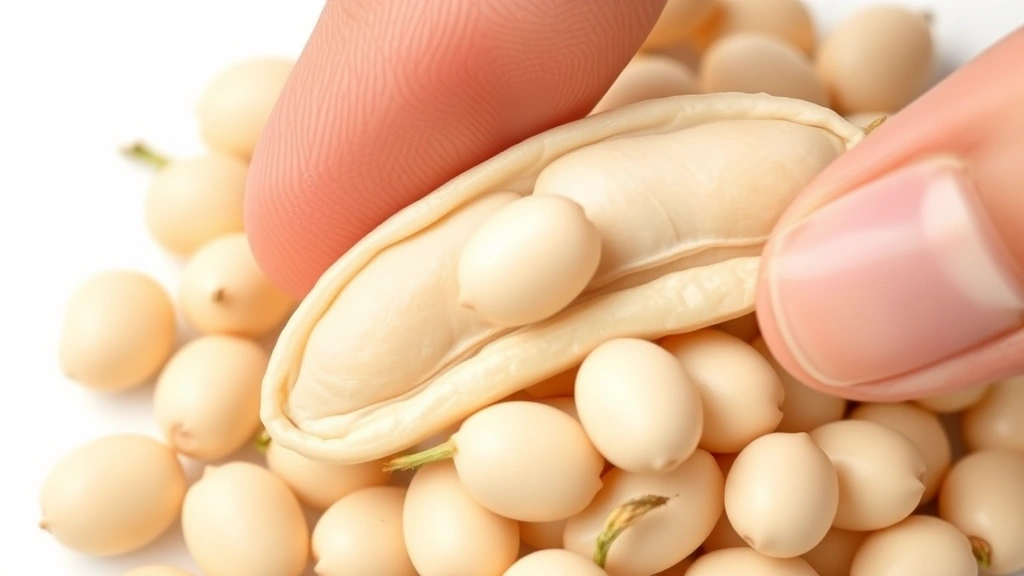
Before diving into specific fava bean recipes, you need to master the prep work. Fresh favas come in thick, fuzzy pods that look intimidating but are actually straightforward to handle. Pop open the pods by squeezing them gently—they’ll split naturally along the seam. Inside, you’ll find the individual beans nestled in a protective skin.
Here’s the key step most people miss: blanching. Bring a pot of salted water to a rolling boil and drop in your shelled beans for 2-3 minutes. The skins will loosen immediately. Transfer them to an ice bath to stop the cooking process. Once cool, you can slip off the outer skin by pinching each bean gently between your fingers. Yes, it takes a few minutes, but this step makes all the difference in texture and taste. Your finished dishes will have that tender, buttery quality that makes fava beans so special.
Simple Sautéed Favas with Garlic
This is the foundation recipe that teaches you how favas really taste. Heat good olive oil in a skillet over medium heat and add thinly sliced garlic. Let it get fragrant but not brown—about 30 seconds. Add your blanched and peeled fava beans, season with salt and cracked pepper, and let them warm through for 3-4 minutes, stirring occasionally.
The magic happens when you add a squeeze of fresh lemon juice at the end. It brightens everything up and brings out the subtle nuttiness. Some cooks like to add a pinch of red pepper flakes or fresh mint. This simple preparation is perfect as a side dish or served on toasted bread as a quick appetizer. It’s the kind of recipe that shows off quality ingredients without any fuss.
Creamy Fava Bean Hummus
Fava bean hummus is smoother and slightly sweeter than traditional chickpea versions. Combine 2 cups of blanched, peeled favas in a food processor with 3 tablespoons of tahini, juice from 2 lemons, 2-3 cloves of garlic, and 4-5 tablespoons of good olive oil. Pulse until you reach your desired consistency—some people like it chunky, others prefer it silky smooth.
Season to taste with salt and cumin. If you want extra creaminess, add a tablespoon of Greek yogurt or water to loosen it up. This hummus pairs beautifully with pita bread, raw vegetables, or as a spread on sandwiches. It’s also excellent alongside 4 ingredient guacamole for a Mediterranean-inspired appetizer board.
Pasta with Fresh Fava Sauce
This is spring cooking at its finest. Cook your pasta in salted water until just al dente, then drain and set aside. In a large skillet, sauté diced onion and garlic in olive oil until soft. Add your blanched favas, a splash of pasta water, fresh mint or parsley, and a pinch of lemon zest. Let everything simmer together for 2-3 minutes.
Toss in your cooked pasta and finish with grated Pecorino Romano cheese and cracked black pepper. The pasta water starch creates a light sauce that coats everything beautifully. This dish celebrates the natural flavor of the beans without overwhelming them. It’s light enough for lunch but elegant enough for dinner guests.
Spring Salad with Crispy Favas
Layer fresh greens—arugula, spinach, or mixed spring lettuce—with blanched fava beans, thinly shaved radishes, and crumbled feta cheese. Make a simple vinaigrette with Dijon mustard, red wine vinegar, shallots, and olive oil. Dress everything lightly and top with toasted breadcrumbs or crushed pistachios for crunch.
The beauty of this salad is how the creamy beans contrast with crisp vegetables and tangy cheese. You can make it more substantial by adding grilled chicken, hard-boiled eggs, or roasted beets. It’s the kind of dish that works beautifully for meal prep since the components hold up well in the refrigerator for 2-3 days.

Smooth Fava Bean Soup
For a comforting bowl, sauté diced onion, celery, and carrot in olive oil until softened. Add vegetable or chicken stock and bring to a simmer. Add your blanched fava beans and cook for 5 minutes. Use an immersion blender to puree everything until completely smooth. Finish with a splash of heavy cream or coconut milk if you want richness.
Season with salt, white pepper, and a touch of nutmeg. Serve hot with crusty bread and a drizzle of good olive oil. This soup is elegant enough for a dinner party but simple enough for a weeknight meal. It also freezes beautifully, making it perfect for batch cooking. Similar to the approach used in authentic Mexican refried beans, you’re building layers of flavor through proper technique.
Mediterranean Fava Dip
Combine blanched favas with roasted red peppers, fresh garlic, a splash of olive oil, and lemon juice. Pulse in a food processor until chunky—you want texture here, not smoothness. Add chopped fresh dill, parsley, and a pinch of smoked paprika. Taste and adjust seasoning.
Serve this dip at room temperature with pita chips, cucumber slices, and bell pepper strips. The roasted peppers add sweetness and color that makes this visually stunning. It’s perfect for entertaining because you can make it hours ahead and it actually tastes better as flavors meld together. The dip keeps in the refrigerator for up to 5 days.
Roasted Fava Snack Chips
Pat blanched, peeled fava beans completely dry with paper towels. Toss them with olive oil, salt, and your choice of seasonings—garlic powder, paprika, cumin, or even cinnamon sugar work great. Spread on a baking sheet in a single layer and roast at 400°F for 12-15 minutes, shaking the pan halfway through.
They’ll crisp up beautifully and become addictively crunchy. Let them cool completely on the baking sheet so they get extra crispy. Store in an airtight container for up to a week. These make an excellent protein-packed snack and are way healthier than potato chips. Kids love them too, which makes them perfect for lunchboxes.
Risotto with Fava Beans
Heat good broth in a separate pot and keep it simmering. In a large skillet, sauté diced onion and minced garlic in butter and olive oil until soft. Add Arborio rice and stir constantly for 2 minutes until the grains are coated and slightly translucent at the edges.
Begin adding warm broth one ladle at a time, stirring frequently and letting each addition absorb before adding more. After about 15 minutes, fold in your blanched fava beans. Continue adding broth until the rice is creamy and tender but still has a slight bite, about 18-20 minutes total. Finish with butter, Parmesan cheese, and fresh mint. This is comfort food elevated—creamy, luxurious, and showcasing the beans beautifully.
Herbed Fava Bean Spread
Mash blanched favas with a fork until chunky but spreadable. Mix in minced fresh herbs—basil, parsley, and dill work wonderfully—along with grated lemon zest, minced garlic, and good olive oil. Season to taste with salt and pepper.
This spread is perfect on crusty bread, crackers, or as a component in grain bowls. You can also use it as a filling for sandwiches or wraps. The beauty of this approach is that it takes just 5 minutes to prepare and tastes incredibly fresh. It’s similar in concept to how you’d approach canned green beans recipes, but with the added richness that fresh favas provide.
Frequently Asked Questions
Can I use frozen fava beans for these recipes?
Absolutely. Frozen favas are already blanched and peeled, saving you significant prep time. They work beautifully in soups, risottos, pastas, and dips. The only place they’re not ideal is in raw applications or when you specifically want that fresh spring flavor, but for cooking, they’re excellent quality and convenient.
How do I know when fava beans are in season?
Fresh fava beans typically appear at farmers markets from late spring through early summer, roughly May through June depending on your location. Look for pods that are bright green and firm. Avoid any that feel mushy or have brown spots. One pound of pods yields about 1 cup of shelled beans.
Do I really need to peel favas after blanching?
The outer skin is edible but tough and can be bitter. Peeling removes it and reveals the tender, creamy bean underneath. It’s worth the extra 5-10 minutes of effort, especially for applications where texture matters—like salads, risottos, or pasta dishes. For soups that you’re pureeing anyway, you can skip this step.
What pairs well with fava bean dishes?
Favas love bright, acidic elements like lemon juice, vinegar, and fresh herbs. They also pair beautifully with cheese—especially feta, Pecorino, and Parmesan. Garlic, onions, and aromatic vegetables are natural companions. For complete meals, serve alongside grilled fish, roasted chicken, or hearty grains like farro or bulgur.
How should I store fresh fava beans?
Keep unshelled pods in the refrigerator crisper drawer for up to 5 days. Once shelled and blanched, store peeled beans in an airtight container in the refrigerator for 3-4 days, or freeze them for up to 3 months. Frozen beans work great in cooked dishes and maintain their quality well.
Are fava beans nutritious?
Yes. Fava beans are excellent sources of protein, fiber, and various vitamins and minerals. A single cup of cooked favas provides about 13 grams of protein and 9 grams of fiber. They’re also rich in folate, which is important for cell function. They’re a nutritious addition to any diet, similar in nutritional profile to other legumes you might incorporate through bariatric recipes or health-focused cooking.
Final Thoughts
Mastering fava bean recipes opens up a whole world of Mediterranean and Middle Eastern cooking. The key is understanding that proper prep—shelling and blanching—transforms the eating experience from tough and bitter to creamy and nutty. Start with the simple sautéed version to understand how they taste, then branch out into soups, pastas, and dips as you gain confidence.
These beans are at their best during spring and early summer when they’re fresh, but frozen versions work beautifully year-round. Whether you’re cooking for yourself or entertaining guests, fava bean dishes impress with their flavor and nutritional value. Keep these recipes in your rotation and you’ll have endless ways to celebrate this incredible legume.


