
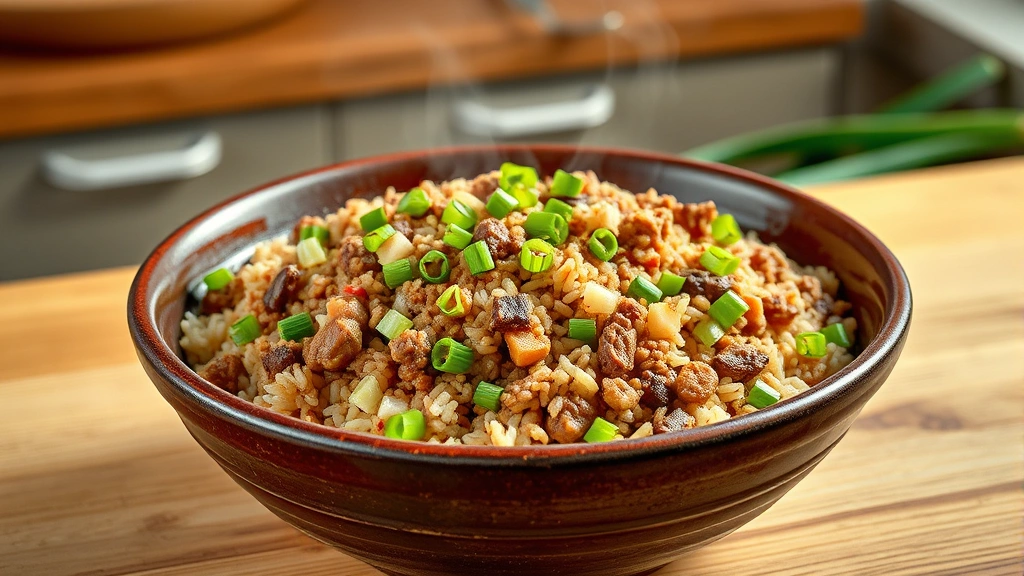
Dirty rice recipes are the backbone of Louisiana and Southern cooking, and once you nail the fundamentals, you’ll be serving restaurant-quality meals from your own kitchen. This isn’t fancy food—it’s honest, flavorful comfort that comes together in one pot with ingredients you probably already have on hand.
Table of Contents
What Makes Dirty Rice Dirty?
The name comes from the appearance—the rice gets its dark, speckled color from liver, meat drippings, and caramelized vegetables mixed throughout. It’s not about being messy; it’s about layering flavors. The “dirty” part is what makes it taste incredible. You’re building depth with aromatics (onions, celery, bell peppers—the holy trinity of Cajun cooking), protein, and spices that penetrate every grain.
The key difference between dirty rice and regular rice dishes is the cooking method. You’re not just boiling rice; you’re sautéing ingredients first to develop flavor, then adding rice to absorb all those good tastes. Think of it like building a foundation before you construct the walls.
Classic Louisiana Version
This is the traditional approach, and it’s where you should start if you’re new to dirty rice recipes. Start with a pound of ground beef or pork (or a mix). Brown it in a large, heavy-bottomed pot or Dutch oven over medium-high heat, breaking it up as it cooks. Don’t rush this step—you want good browning for depth of flavor.
Once the meat’s cooked, remove it and set aside. In the same pot, add diced onions, celery, and bell peppers (equal parts, about 1 cup each). Sauté until soft, about 5-7 minutes. Add minced garlic and cook another minute. Stir in the cooked meat, then add 2 cups of rice (long-grain white works best), stirring to coat everything in the fat.
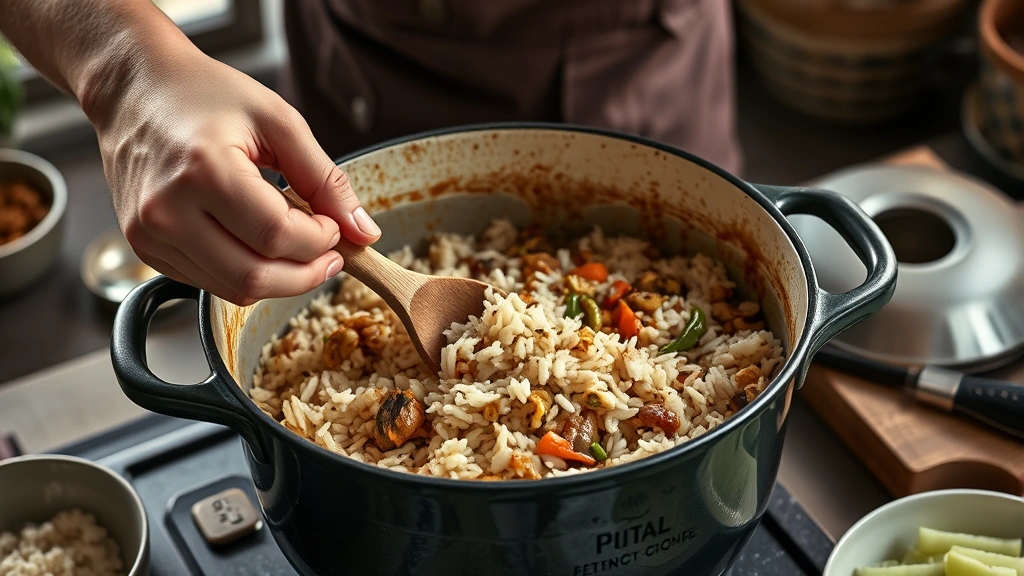
Pour in 4 cups of chicken or beef broth, bring to a boil, then reduce heat to low, cover, and simmer for 18-20 minutes until the rice is tender and liquid is absorbed. Season with salt, pepper, and a dash of cayenne. Finish with chopped green onions and parsley. This straightforward method teaches you the foundation that every other variation builds on.
Cajun-Spiced Method
This version amps up the heat and complexity. Make your own Cajun seasoning recipe or use a quality store-bought blend—the difference shows immediately. The spice blend should include paprika, cayenne, garlic powder, onion powder, thyme, and oregano.
Follow the classic method, but when you add the garlic, sprinkle in 2-3 tablespoons of your Cajun seasoning blend. Some cooks like to bloom the spices in the fat for 30 seconds before adding the rice—this releases the oils and intensifies the flavors. It’s a small move that makes a noticeable difference.
If you want serious heat, add sliced jalapeños when you’re sautéing the vegetables, or stir in hot sauce at the end. The beauty of dirty rice recipes is that you control the spice level. Start conservative; you can always add more heat, but you can’t take it out.
Seafood Dirty Rice
For a coastal twist, swap the ground meat for seafood. Canned crab meat recipes work perfectly here—no need to splurge on fresh when canned delivers solid flavor. You can also use shrimp, crawfish, or a combination.
Build your base the same way: sauté the holy trinity, add spices, then add the rice and broth. About 5 minutes before the rice finishes cooking, fold in your seafood (about 1.5 pounds). You want to add it late so it doesn’t get overcooked and rubbery. If using canned crab, drain it well first and pick through for shell fragments.
Seafood versions benefit from a squeeze of fresh lemon juice at the end and extra parsley. The brightness cuts through the richness and makes the dish feel lighter. This variation is restaurant-quality impressive but takes no longer to make than the meat version.
Quick Weeknight Version
Short on time? This 30-minute approach doesn’t sacrifice flavor. Use ground meat (it cooks faster than chunks), pre-diced vegetables from the grocery store (yes, it’s okay), and quick-cooking rice like jasmine or basmati instead of long-grain white.
Brown the meat, add the pre-diced veg, then immediately add the rice and broth. Use a 1:2 ratio of rice to liquid (2 cups rice to 4 cups broth). Bring to a boil, cover, reduce heat to low, and set a timer for 12-15 minutes. While that’s cooking, chop your green onions and parsley. When the timer goes off, fluff with a fork, season, and serve.
This version proves that dirty rice recipes don’t require hours of prep. Even when you’re busy, you can get dinner on the table that tastes like you spent all afternoon cooking. That’s the real power of one-pot meals.
Vegetarian Twist
Skip the meat and load up on vegetables instead. Use mushrooms (cremini or oyster) finely chopped and sautéed until they release their moisture—this gives you umami depth that replaces the savory notes from meat. Add extra celery, carrots, and bell peppers, plus diced tomatoes and corn for sweetness.
Some vegetarian cooks add corn salsa recipe elements—corn, diced peppers, cilantro—right at the end for brightness and texture contrast. You can also stir in black beans or kidney beans for protein and heartiness.
The spice profile stays the same. Cajun seasoning works just as well on vegetables as it does on meat. Don’t underseasoned vegetarian versions—they need bold flavoring to stand on their own. Taste as you go and adjust seasonings before serving.
Pro Tips & Tricks
First, use a pot with a heavy bottom and tight-fitting lid. Thin pots create hot spots that burn the rice on the bottom. A Dutch oven is ideal, but any heavy pot works.
Second, don’t skip the browning step on the meat. This is where you build flavor through the Maillard reaction. Rushing through this creates flat-tasting rice. Give it 5-7 minutes minimum.
Third, resist the urge to stir constantly while the rice cooks. Once you cover the pot and reduce heat, leave it alone. Stirring releases starch and makes the rice gummy. The only exception is if you smell burning—then you need to check the heat level.
Fourth, let the finished dish rest for 5 minutes after cooking. This lets the rice firm up slightly and makes it easier to fluff. You’ll get better texture and individual grains instead of mush.
Fifth, if you’re making dirty rice recipes for a crowd, double or triple the recipe. The cooking time stays almost the same, and you’ll have leftovers—which are actually better the next day after flavors have melded.
Storage & Reheating
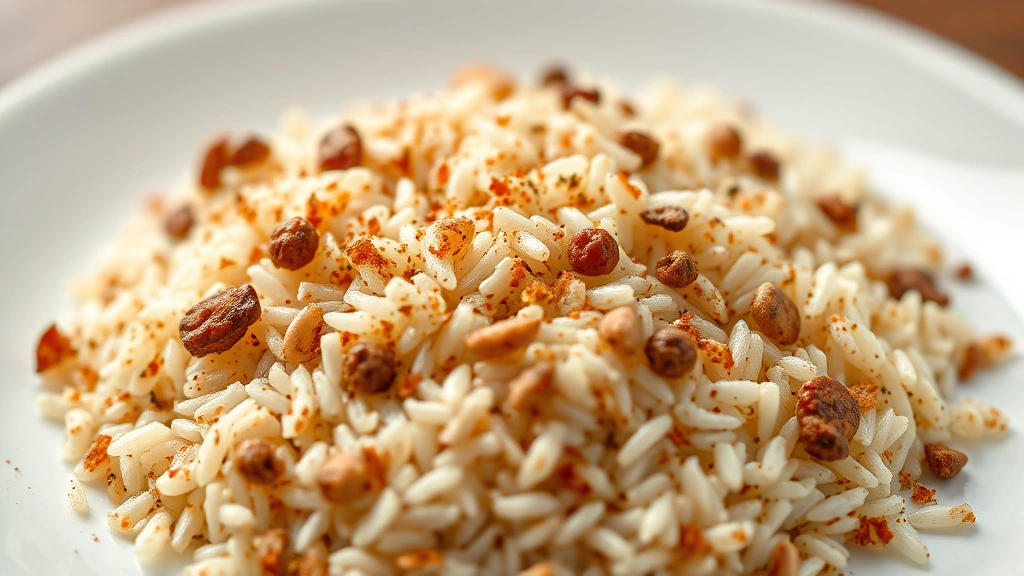
Dirty rice keeps in an airtight container in the fridge for up to 4 days. It freezes well for up to 3 months—portion it into individual containers so you can grab a serving whenever you want.
To reheat, add a splash of broth or water (about 1/4 cup per 2 cups of rice) and warm gently over medium heat, stirring occasionally. You can also microwave it: put rice in a microwave-safe bowl, add a tablespoon of water, cover loosely, and heat for 2-3 minutes, stirring halfway through.
The reheated version often tastes better than the original because the flavors have had time to marry. This makes dirty rice recipes perfect for meal prep. Cook a big batch on Sunday, and you’ve got easy dinners ready to go all week.
Frequently Asked Questions
Can I use brown rice instead of white?
Yes, but increase the liquid to 2.5 cups per 1 cup of rice and extend cooking time to 35-40 minutes. Brown rice has a nuttier flavor that works well with Cajun spices, though it changes the traditional texture slightly. Some people prefer it; others find it too chewy for dirty rice. Try both and see which you like.
What if my rice comes out mushy?
You used too much liquid or cooked it too long. Next time, use a 1:2 ratio of rice to broth and set a timer. Also, make sure your lid fits tightly—steam escaping means you’ll need to add more liquid. If it happens, spread the rice on a sheet pan to cool and dry out slightly.
Can I make this in a rice cooker?
Absolutely. Brown the meat and vegetables on the stovetop, then transfer everything to your rice cooker with the broth. Use the same 1:2 ratio and let it run on the normal cycle. You lose some of the caramelized flavor from stovetop cooking, but it’s still delicious and hands-off.
Is dirty rice actually Creole or Cajun?
Both. Creole cooking is city cooking (New Orleans), while Cajun cooking comes from rural Louisiana. Dirty rice recipes appear in both traditions with slight variations. Creole versions might include more tomato; Cajun versions often lean harder into spice. The core technique is the same.
What proteins work best?
Ground beef, pork, chicken, turkey, and seafood all work. Liver (traditional) adds deep flavor but isn’t for everyone. Ground sausage (spicy or mild) is fantastic. Mix proteins if you want—ground beef plus diced ham, or shrimp plus sausage. Experiment and find your favorite combination.
Can I use bariatric recipes modifications?
You can adapt dirty rice for portion control by using cauliflower rice mixed with regular rice, or by loading it with extra vegetables and reducing the rice amount. The flavor stays strong, and you get more bulk from vegetables. It’s a smart way to enjoy the dish while managing portions.


