
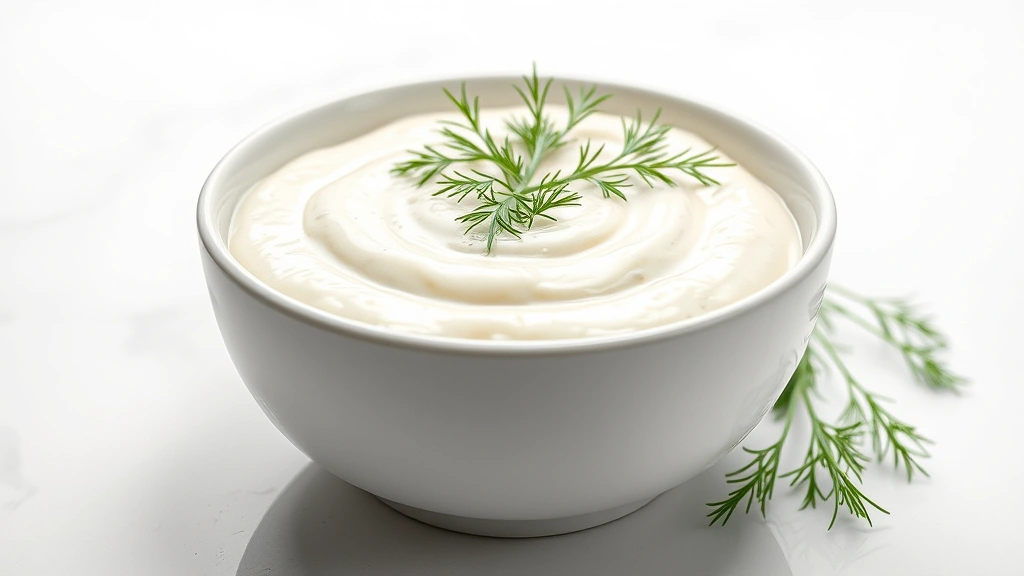
A dill sauce recipe is one of those kitchen shortcuts that makes you look like a pro without breaking a sweat. In just five minutes, you can whip up a creamy, tangy sauce that transforms everything from grilled fish to roasted vegetables into restaurant-quality dishes. I’ve made this sauce hundreds of times, and honestly, it’s become my go-to move when I need something impressive but don’t have the time to fuss.
Table of Contents
Why Dill Sauce Matters
Listen, dill is one of those herbs that people either love or skip entirely. But when you blend it into a creamy sauce, something magical happens. The fresh, slightly tangy flavor becomes less aggressive and more sophisticated. It’s the kind of sauce that makes people ask, “What is that?” at the dinner table.
The beauty of a dill sauce recipe is its versatility. Whether you’re working with seafood, chicken, vegetables, or even potatoes, this sauce adapts like a chameleon. It’s also lighter than heavy cream-based sauces, so you don’t feel weighed down after eating. Plus, it comes together faster than you can preheat your oven.
Gathering Your Ingredients
Before you start mixing, let’s talk about what you actually need. The core of any solid dill sauce recipe is simple: sour cream or Greek yogurt, fresh dill, lemon juice, garlic, and salt. That’s it. Everything else is just flavor tweaking.
Here’s what I always keep on hand:
- Sour cream or Greek yogurt – The creamy base (I prefer half and half for a lighter touch)
- Fresh dill – Never dried; fresh makes all the difference
- Lemon juice – Freshly squeezed, not bottled
- Garlic – Minced fresh garlic, not powder
- Salt and pepper – To taste
- Dijon mustard – Optional, but adds complexity
- Honey or maple syrup – A tiny touch for balance
Quality matters here. Fresh dill from your garden or the grocery store produce section is non-negotiable. Dried dill tastes like grass clippings compared to fresh.
The Basic Technique
The technique for a dill sauce recipe is embarrassingly simple, which is why it works so well. You’re not cooking anything, just combining and blending. This is a raw sauce, meaning the flavors stay bright and fresh.
The key is balance. You want the dill to be present but not overpowering. The lemon needs to cut through the richness without making it taste like salad dressing. The garlic should whisper, not shout. Think of it like seasoning – you’re building layers, not dumping everything in at once.
Step-by-Step Instructions
Here’s how I make my dill sauce recipe every single time:
Step 1: Prep Your Dill
Wash and pat dry your fresh dill. Chop it roughly – you want pieces, not powder. I usually end up with about ¼ cup of fresh dill for a standard batch. Don’t be shy with it.
Step 2: Combine the Base
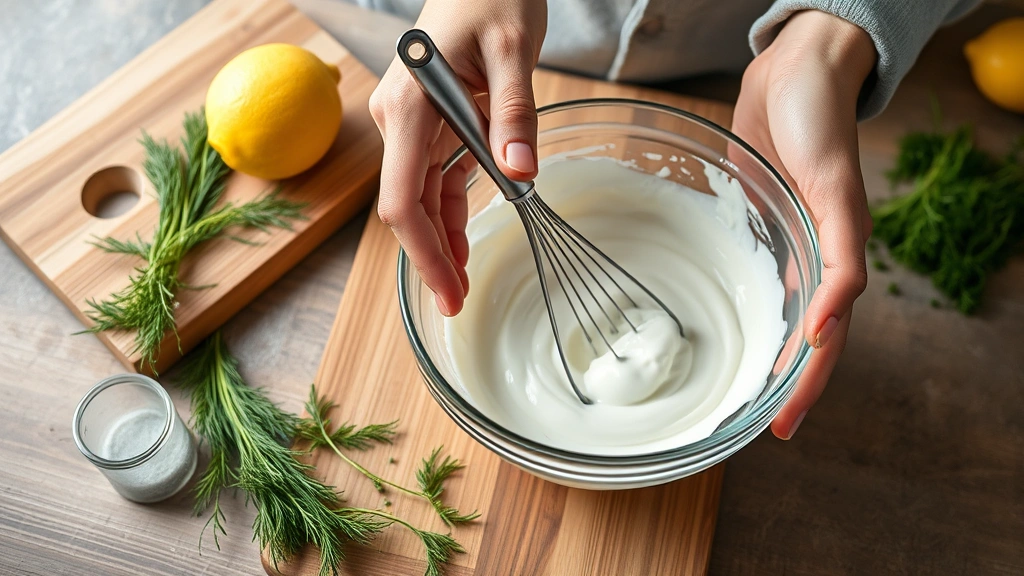
Pour one cup of sour cream (or half sour cream, half Greek yogurt) into a bowl. Add two minced garlic cloves and a pinch of salt. Whisk these together until smooth. This takes about 30 seconds.
Step 3: Add the Dill
Fold in your chopped dill. Use a spatula and gently incorporate it so you don’t bruise the herbs. You want visible flecks of dill throughout the sauce, not a green puree.
Step 4: Brighten with Lemon
Squeeze in the juice of half a lemon (about 1.5 tablespoons). Taste it. Add more if needed. The lemon is your secret weapon for preventing the sauce from tasting heavy or one-dimensional.
Step 5: Season and Taste
Add salt and freshly cracked black pepper to taste. If you want a little complexity, stir in a teaspoon of Dijon mustard. A tiny drizzle of honey (¼ teaspoon) can balance things if the lemon is too sharp.
Step 6: Let It Rest
If you have five minutes, let the sauce sit in the fridge. This allows the flavors to marry and intensify. But honestly, it’s good to go immediately.
Flavor Variations to Try
Once you master the basic dill sauce recipe, you can start playing around. Here are my favorite variations:
Spicy Dill Sauce
Add a pinch of cayenne pepper or a few dashes of hot sauce. This works killer on fish tacos.
Horseradish Dill Sauce
Stir in a tablespoon of prepared horseradish. This is perfect for roasted beef or salmon.
Dill and Caper Sauce
Add two tablespoons of chopped capers. The briny flavor complements fish beautifully.
Creamy Dill and Cucumber Sauce
Grate in a quarter cup of cucumber and let it drain for a few minutes first. This is refreshing and works great on roasted vegetables.
Dill and Tarragon Blend
Mix in a tablespoon of fresh tarragon. It adds an anise note that’s subtle and sophisticated.
Pairing Suggestions
The real magic of a dill sauce recipe is knowing what to serve it with. I’ve tested this sauce on everything, and here’s what works:
Seafood
This is the classic pairing. Grilled salmon, baked halibut, pan-seared scallops – they all sing with dill sauce. The herb’s bright flavor doesn’t overpower delicate fish.
Potatoes
Whether you’re making baked potatoes, roasted fingerlings, or potato salad, dill sauce is the move. It’s like a Swedish meatball sauce’s sophisticated cousin.
Chicken
Grilled chicken breasts or roasted chicken thighs benefit from a dollop of this sauce. It adds moisture and flavor without heaviness.
Vegetables
Roasted broccoli, asparagus, zucchini – almost any vegetable gets better with dill sauce. Check out comfort food recipes for more vegetable-forward ideas.
Eggs
Hard-boiled eggs with dill sauce are a Scandinavian classic. It’s simple, elegant, and tastes like you spent way more effort than you did.
Storage and Shelf Life
One of the best parts of this dill sauce recipe is that it stores beautifully. Keep it in an airtight container in the refrigerator for up to five days. The flavors actually improve after a day or two as everything melds together.
Don’t freeze it. The texture gets weird and the dill loses its brightness. But if you’re meal prepping, making a batch on Sunday for the week ahead is totally doable.
If the sauce gets a little watery (dill can release moisture), just stir it back together. If it’s too thick, thin it with a tablespoon of milk or lemon juice.
Troubleshooting Common Issues
The Sauce Tastes Too Garlicky
You went heavy on the garlic. Add more sour cream and lemon juice to dilute it. Or next time, use one garlic clove instead of two, or use roasted garlic for a mellow flavor.
It’s Too Tangy
The lemon is winning. Add a tiny pinch of sugar or honey to balance it. A quarter teaspoon usually does the trick.
The Dill Flavor Disappeared
You probably used old dill or didn’t use enough. Fresh dill is essential. Use at least ¼ cup for a full batch.
The Sauce Is Separated or Watery
This happens when dill releases moisture. Just stir it back together. If it’s really watery, strain some liquid off and whisk in a tablespoon of cream cheese to thicken it.
Pro Tips and Hacks
Tip 1: Make It Thinner
If you want more of a drizzle sauce instead of a dollop, thin it with milk, buttermilk, or even a little fish stock. This works great for pouring over fish.
Tip 2: Use Greek Yogurt for Tanginess
If you want a tangier sauce, use all Greek yogurt instead of sour cream. If you want it richer, use all sour cream.
Tip 3: Blend It Smooth
If you prefer a completely smooth sauce, throw everything in a blender for 10 seconds. This also helps distribute the dill more evenly.
Tip 4: Double the Recipe
This sauce is so good that you’ll want extra. Make a double batch and use it throughout the week. It’s better than most store-bought sauces and costs about a third of the price.
Tip 5: Taste as You Go
Everyone’s palate is different. Start with less dill and lemon, then add more. You can always add, but you can’t take away.
For more sauce inspiration, check out Alabama White Sauce Recipe and Bordelaise Sauce Recipe to expand your sauce repertoire. And if you’re building a complete meal, knowing how to pick ripe fruit can help with dessert planning.
Frequently Asked Questions
Can I use dried dill instead of fresh?
Technically yes, but I wouldn’t recommend it. Dried dill loses most of its flavor and can taste musty. If you absolutely must use dried, use one tablespoon instead of ¼ cup fresh, and rehydrate it in a tablespoon of warm water first. Fresh is always better for this dill sauce recipe.
How long does dill sauce last in the fridge?
About five days in an airtight container. The sour cream base keeps it stable, but the dill flavor fades after that. Make smaller batches if you want optimal freshness.
Can I make this sauce without sour cream?
Yes. Greek yogurt works great and is lighter. You can also use mayonnaise for a different flavor profile, or even crème fraîche for something richer. Each changes the character slightly but keeps the dill sauce recipe concept intact.
Is this sauce good on sandwiches?
Absolutely. It’s fantastic on roast beef sandwiches, turkey subs, or even as a spread on vegetable wraps. Think of it as a gourmet sandwich condiment.
Can I serve this sauce warm?
You can, but it’s best served cold or at room temperature. Heat can break down the sour cream and make the dill flavor taste cooked. If you need a warm sauce, make it fresh and serve it immediately after gentle warming, but don’t let it get hot.
What’s the difference between this and ranch dressing?
Ranch is buttermilk-based and has more herbs and spices. This dill sauce recipe is simpler, creamier, and dill-forward. It’s less of a dressing and more of a sauce for cooked foods. That said, you could thin this sauce with buttermilk and use it as a dressing if you wanted.
Can I add other herbs to this sauce?
Definitely. Parsley, chives, tarragon, or even basil work well. Just don’t overload it – the dill should remain the star. A tablespoon of additional herbs is plenty.
Is this sauce gluten-free?
Yes, completely. All the ingredients are naturally gluten-free. Just make sure your sour cream and any additions (like Dijon mustard) don’t have hidden gluten, though most don’t.
Final Thoughts
A dill sauce recipe is one of those kitchen skills that pays dividends forever. Once you’ve made it a few times, you’ll stop thinking about it as a recipe and start thinking of it as a technique. You’ll have it memorized, and you’ll be making it without measuring anything.
The beauty is in the simplicity. Five minutes, six ingredients, and you’ve got something that tastes like you spent an hour in the kitchen. That’s the whole point of real-world cooking – getting amazing results without the fuss. Keep fresh dill in your fridge, keep sour cream on hand, and you’re never more than five minutes away from restaurant-quality sauce.
Try it this week. Make it for fish, chicken, potatoes, or vegetables. Once you taste how good it is, you’ll be making it constantly. And honestly, that’s a problem I’m happy to have.


