
If you’re maintaining a sourdough starter, you know the struggle: every feeding means discarding half your culture to make room for fresh flour and water. But here’s the thing—that discard sourdough recipes gold mine shouldn’t hit the trash. That tangy, active starter is packed with flavor and leavening power, ready to transform into pancakes, waffles, crackers, and so much more. Let me walk you through 15 delicious ways to use it.
Table of Contents
Pancakes and Waffles
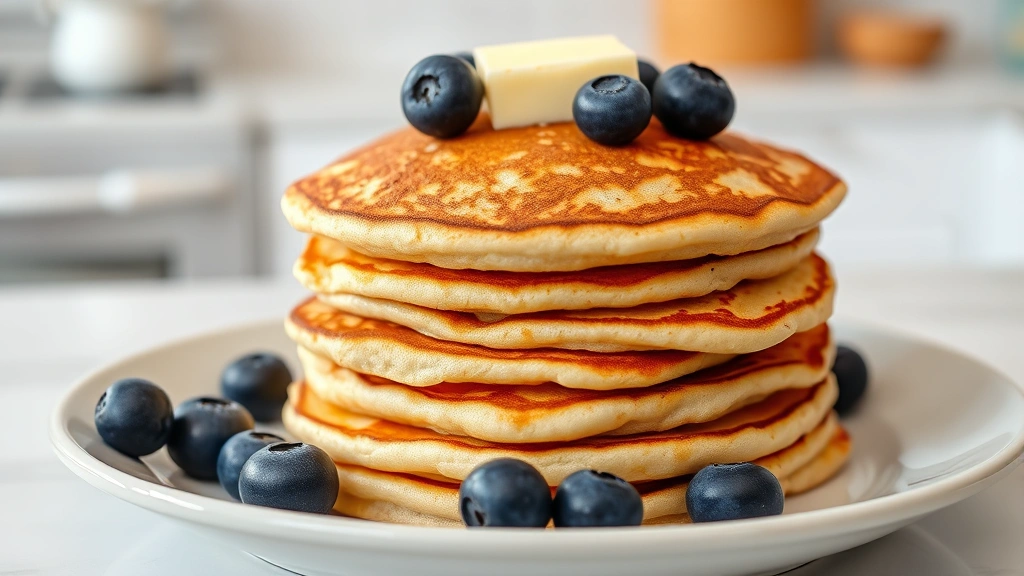
This is where most people start with sourdough discard, and for good reason. Discard sourdough recipes for pancakes are foolproof. Mix your discard with eggs, a touch of sugar, baking soda, and butter, then cook on a griddle. The result? Fluffy, tangy pancakes with that signature sourdough flavor without the overnight fermentation. Waffles work the same way—just adjust the batter consistency slightly thinner and cook in your waffle iron until golden.
The beauty here is flexibility. You can add blueberries, chocolate chips, or cinnamon to the batter. The active cultures in your discard provide natural leavening, so you’ll need less baking powder than typical recipes. Pro tip: make a big batch and freeze extras for quick breakfasts throughout the week.
Quick Breads and Muffins
Banana bread, zucchini bread, and pumpkin bread all benefit from sourdough discard. The tangy notes complement fruit and spice beautifully, adding complexity you won’t get from commercial leavening alone. Muffins work equally well—blueberry, chocolate chip, or even savory cheese and herb varieties.
When using discard in quick breads, reduce your baking soda slightly since the starter already contains acid. The crumb will be more tender and the flavor more interesting. These recipes typically use 1 to 1.5 cups of discard per loaf, making it perfect for regular feedings.
Crackers and Crisps
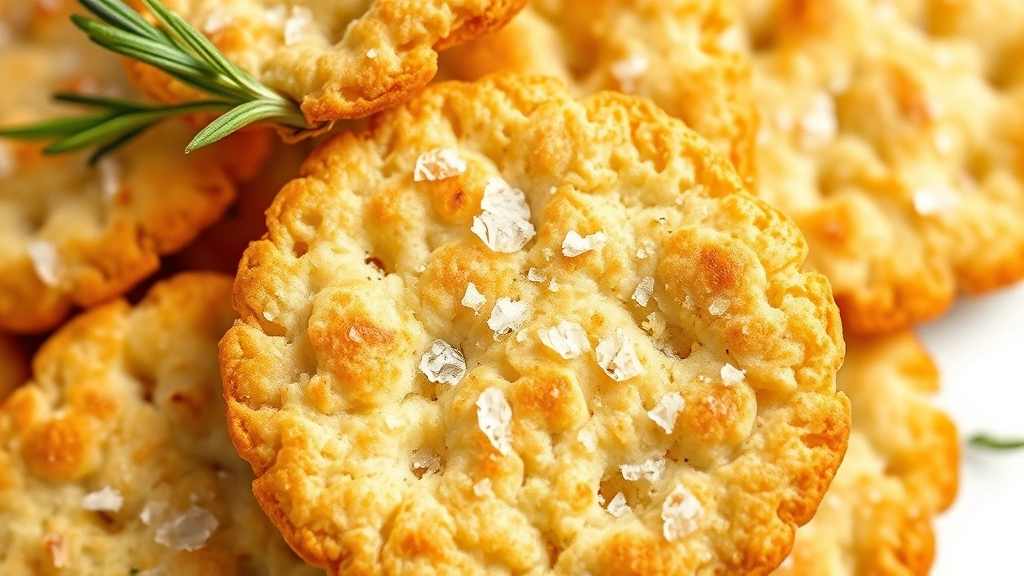
Want something crunchy? Mix discard with flour, salt, olive oil, and herbs, then roll thin and bake until crispy. These crackers have serious flavor—the fermentation creates depth that store-bought versions can’t touch. Try rosemary and sea salt, everything bagel seasoning, or just plain with a crack of black pepper.
The dough comes together quickly and doesn’t require rising. Bake at 375°F for about 15-20 minutes, breaking into pieces once cooled. Store in an airtight container and they’ll stay crispy for days. These make excellent snacks or appetizers, and they pair beautifully with creme fraiche or your favorite dip.
Biscuits and Scones
Sourdough biscuits are buttery, flaky, and naturally leavened. The discard replaces some of your liquid, and the acid tenderizes the gluten for that perfect crumb. Make them savory with cheddar and chives, or slightly sweet with a touch of sugar and lemon zest.
Scones follow the same principle. The discard adds moisture and tang while the baking powder gives you that lift. Serve with jam and cream, or keep them savory with herbs and cheese. These come together in about 30 minutes from start to finish.
Cakes and Brownies
Chocolate cake, carrot cake, and sheet cakes all work beautifully with discard. The sourness cuts through sweetness and makes flavors pop. Brownies get an extra fudgy texture and subtle tang that enhances the chocolate.
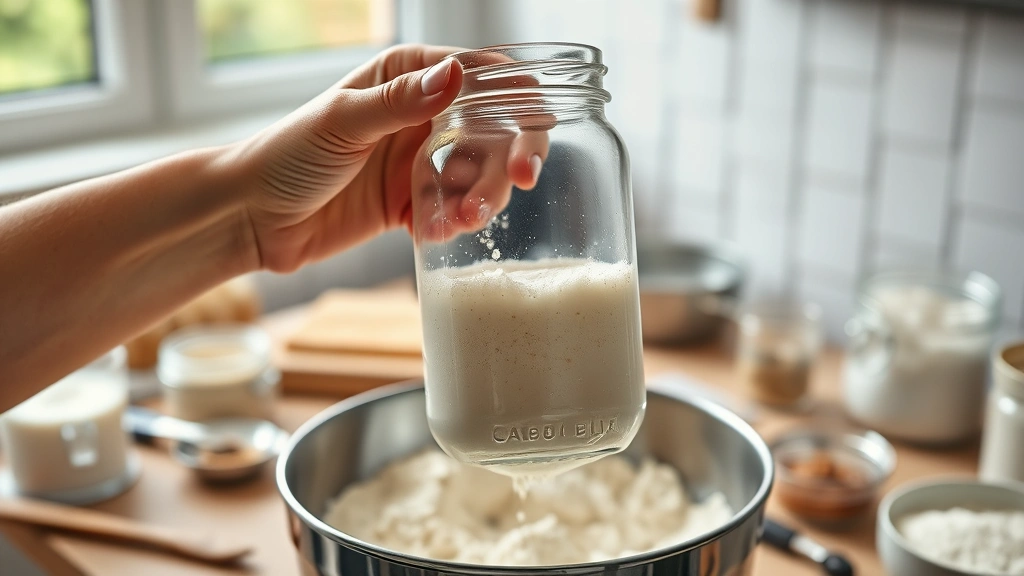
For cakes, use discard as part of your wet ingredients—typically 1 cup per standard layer cake. You’ll reduce baking soda slightly and may need to adjust sugar if your discard is particularly active. The result is a more tender crumb and complex flavor profile.
Savory Dishes and Sides
Here’s where creativity really shines. Mix discard into cornbread batter for a tangy twist. Stir it into pancake batter for savory herb pancakes to serve alongside Alabama white sauce or as a base for breakfast sandwiches. Use it in biscuit dough for breakfast sandwiches or alongside BBQ beans.
You can also fold discard into waffle batter and serve with savory toppings—think pulled pork, cheese, and herbs. Or make a batch of sourdough dinner rolls that rise quickly and bake beautifully. The possibilities expand when you think beyond sweet applications.
Storage and Prep Tips
Keep your discard in a dedicated container in the fridge. Most discard stays fresh for up to two weeks, though older discard often bakes better because the flavor deepens. If you’re not using it regularly, feed it less frequently or keep it in the freezer in ice cube trays for portioned amounts.
Before baking, let cold discard come to room temperature for about 30 minutes. This ensures even mixing and proper fermentation. If your discard has a dark liquid on top (hooch), stir it back in—it’s flavorful and adds extra tang. You can also pour it off if you prefer a milder flavor.
Troubleshooting Common Issues
Dense pancakes? Your discard might be too old or your griddle too cool. Make sure you’re using discard that’s bubbly and active, and preheat your griddle properly. Dry baked goods? You might be using discard that’s been sitting too long. Fresh, active discard works best.
If recipes taste too sour, use younger discard or reduce the amount slightly. If they’re not sour enough, let your starter sit longer before discarding, or use discard that’s been at room temperature for several hours. Adjust baking soda amounts based on how acidic your specific starter is—every starter ferments differently.
Frequently Asked Questions
Can I use unfed discard in recipes?
Unfed discard (the liquid you pour off before feeding) is less predictable for baking. It works better in recipes where you’re looking for tang and less concerned about rise. For best results, use discard from a freshly fed starter that’s been sitting for a few hours.
How much discard equals one cup?
Discard is typically measured by volume—one cup of discard is literally one cup. If your recipe calls for it, measure it the same way you’d measure flour or milk. Some recipes use weight; discard is roughly 240 grams per cup.
Does discard need to rise?
It depends on the recipe. Pancakes and waffles cook immediately. Quick breads and cakes bake as soon as mixed. Crackers, biscuits, and scones don’t typically need rising either. However, if you’re making enriched doughs like cinnamon rolls, a short rise improves texture.
Can I substitute discard for regular starter?
Not directly. Discard is thinner and less active than fed starter. You can use it in recipes designed for discard, but it won’t work the same way in recipes calling for active fed starter. Adjust hydration and leavening accordingly.
What’s the best way to use lots of discard?
Make multiple batches throughout the week. Pancakes and waffles freeze beautifully. Crackers and biscuits store well. You could also make blueberry delight or other desserts. Rotate through different recipes to keep things interesting and avoid waste.
How do I know if discard is too old?
Old discard (more than 3-4 weeks) may develop mold or smell off. Trust your nose—if it smells like nail polish or acetone, it’s probably fine (that’s normal fermentation). If it smells rotten or shows fuzzy growth, discard it. Otherwise, older discard usually bakes great.
Can I make savory side dishes with discard?
Absolutely. Cornbread, biscuits, and crackers all work beautifully. You can also add discard to soup bases or use it to create a tangy component in black lentil dishes. The tang complements hearty, savory flavors wonderfully.
Wrapping It Up
Discard sourdough recipes transform kitchen waste into delicious food. You’re not just reducing waste—you’re getting incredible flavor and learning to work with active fermentation. Start with pancakes if you’re new to this, then branch out to crackers, quick breads, and savory applications.
The key is understanding that discard is different from fed starter. It’s thinner, less predictable, and often more sour. But that’s exactly what makes it perfect for quick breads, pancakes, and crackers. Keep a container in your fridge, feed your starter regularly, and you’ll always have discard ready to transform into something delicious. Your sourdough starter is a living ingredient—treat it that way, and it’ll reward you with flavor that commercial yeast simply can’t match.


