
Looking to master dungeness crab recipes at home? Whether you’re pulling fresh crab from the market or celebrating a special dinner, these ten techniques will have you cooking like a seasoned pro in no time. I’ve spent years working with these sweet, tender crustaceans, and I’m here to share the tricks that actually work in a real kitchen—no fancy restaurant equipment required.
Table of Contents
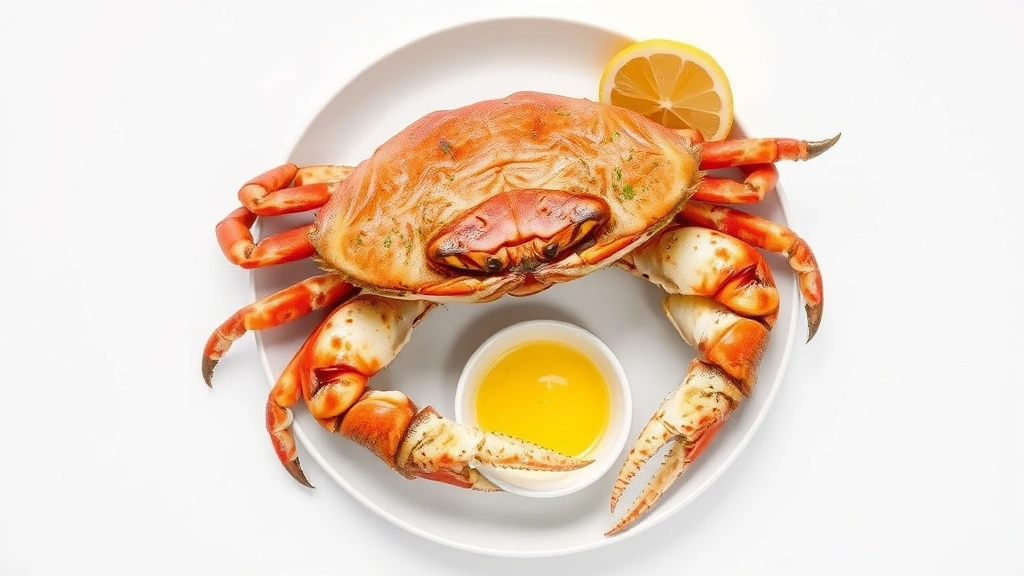
Classic Steamed Crab with Butter
Let’s start with the foundation. Steaming is the easiest way to cook dungeness crab, and honestly, it’s often the best. Fill a large pot with about 2 inches of water, add a steamer rack, and bring it to a rolling boil. Place your live crabs on the rack—they should be moving and feisty—cover, and steam for 20-25 minutes depending on size. The shell turns a brilliant orange-red when done.
Here’s the pro move: add a splash of white wine and some bay leaves to the water. It doesn’t dramatically change the flavor, but it adds a subtle complexity that guests always notice. Serve with melted butter infused with fresh lemon juice and minced garlic. That’s it. No complicated sauces needed when you’ve got quality crab meat.
Garlic Roasted Dungeness Crab
This method brings out deeper, richer flavors. Kill your crab humanely first (a sharp knife through the center), then split it lengthwise. Brush the meat side generously with olive oil mixed with minced garlic, fresh thyme, and red pepper flakes. Roast cut-side up at 400°F for 12-15 minutes until the meat is opaque and the shell starts to char slightly at the edges.
The key here is not overcooking. Crab meat dries out faster than you’d think, so keep an eye on it. When the edges of the meat just start to pull back from the shell, you’re done. Finish with fleur de sel and fresh parsley.
Pan-Fried Crab Cakes
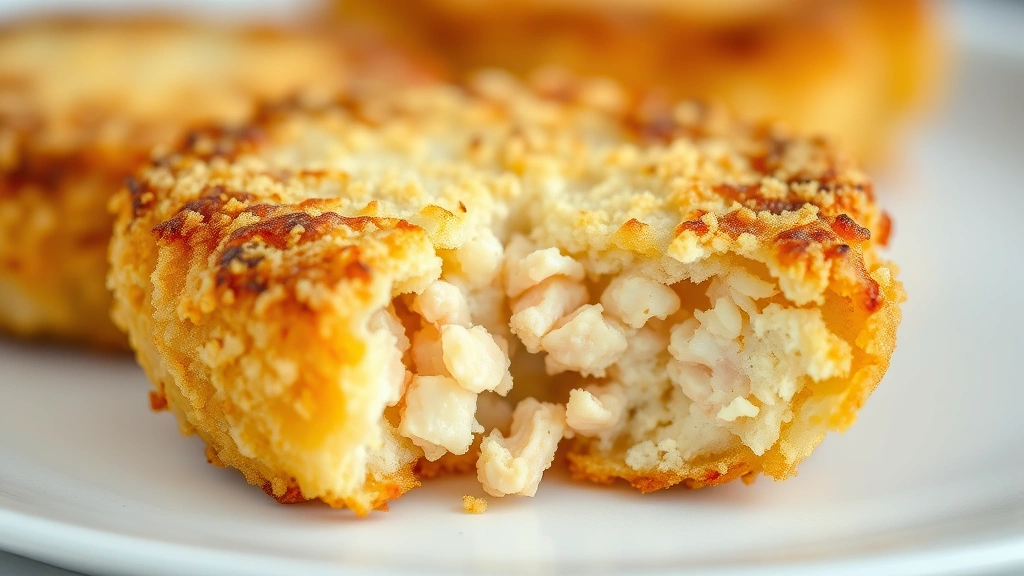
This is where texture matters. Pick through your cooked crab meat carefully to remove shell fragments—this step separates amateurs from pros. Mix 1 pound of meat with ½ cup panko breadcrumbs, 2 tablespoons mayo, 1 egg, 1 teaspoon Old Bay seasoning, and a squeeze of lemon. Don’t overmix; you want chunks of meat visible, not a paste.
Form into 8 patties and refrigerate for at least an hour. Pan-fry in a mix of butter and oil over medium-high heat until golden brown on both sides—about 3 minutes per side. The butter gives you that restaurant-quality crust. Serve with a simple aioli or tartar sauce.
Rich Crab Pasta Sauce
This is pure comfort. Sauté minced garlic and shallots in butter, add a splash of white wine, then pour in heavy cream. Let it reduce slightly, then fold in your picked crab meat gently—you want those chunks to stay intact. Season with salt, white pepper, and a pinch of saffron if you’re feeling fancy.
Toss with fresh tagliatelle or pappardelle. The wide noodles catch the sauce perfectly. Fresh parsley and a grating of Parmigiano-Reggiano finish it off. This sauce comes together in about 15 minutes, making it perfect for weeknight dinners when you want to impress.
Hearty Cioppino Stew
This San Francisco classic is a showcase for quality crab. Start with a base of sautéed onions, fennel, and garlic in olive oil. Add crushed tomatoes, a splash of white wine, and fish or vegetable stock. Simmer for 20 minutes to develop flavor, then add your crab pieces, clams, mussels, and any other seafood you like.
Cook until the shellfish opens—about 8 minutes. The beauty of cioppino is that it’s forgiving and flexible. You’re building a flavorful broth that makes the crab shine without masking its natural sweetness. Serve in bowls with crusty bread for soaking up every drop.
Creamy Crab Dip
Party favorite alert. Mix 8 ounces cream cheese (softened), ½ cup sour cream, ½ cup mayo, 1 cup picked crab meat, ½ cup grated Gruyère, 2 tablespoons fresh dill, and a squeeze of lemon juice. Spread into a baking dish and bake at 375°F for 20 minutes until bubbly and lightly golden on top.
The secret is using both cream cheese and sour cream—the tang cuts through the richness. Serve with crackers, crostini, or vegetable crudités. This dip actually tastes better when made a few hours ahead; the flavors meld together beautifully.
Grilled Crab Halves
Summer cooking at its finest. Split your crabs lengthwise and brush the meat side with a mixture of melted butter, smoked paprika, garlic powder, and cayenne. Place meat-side down on a hot grill grate for 4-5 minutes, then flip and cook another 3-4 minutes until the shell chars and the meat is cooked through.
The grill adds a subtle smokiness that complements the natural sweetness of the meat. Finish with fresh lime juice and cilantro for a bright contrast. This method works best with medium to large crabs that have thick meat.
Fresh Crab Salad
Sometimes simple is best. Toss your picked crab meat gently with diced celery, thinly sliced red onion, and fresh herbs like tarragon or chives. Make a light dressing with mayo, lemon juice, Dijon mustard, and a touch of honey. Combine gently—you’re looking for just enough dressing to coat, not drench.
Serve on a bed of mixed greens, in a buttered brioche bun, or alongside avocado slices. The key is using the freshest crab possible and not overworking the delicate meat. Quality ingredients mean less is more.
Prep Techniques That Matter
Before you cook, you need to know how to handle your crab properly. Live crabs should be stored in the coldest part of your fridge in a breathable container—they need air circulation. If you’re cooking the next day, cover them with damp seaweed or a wet cloth to keep them moist.
To humanely kill a crab, place it in the freezer for 15-20 minutes to stun it, then use a sharp chef’s knife to split it quickly down the center. This is faster and more humane than boiling. If you’re uncomfortable doing this, ask your fishmonger to do it for you.
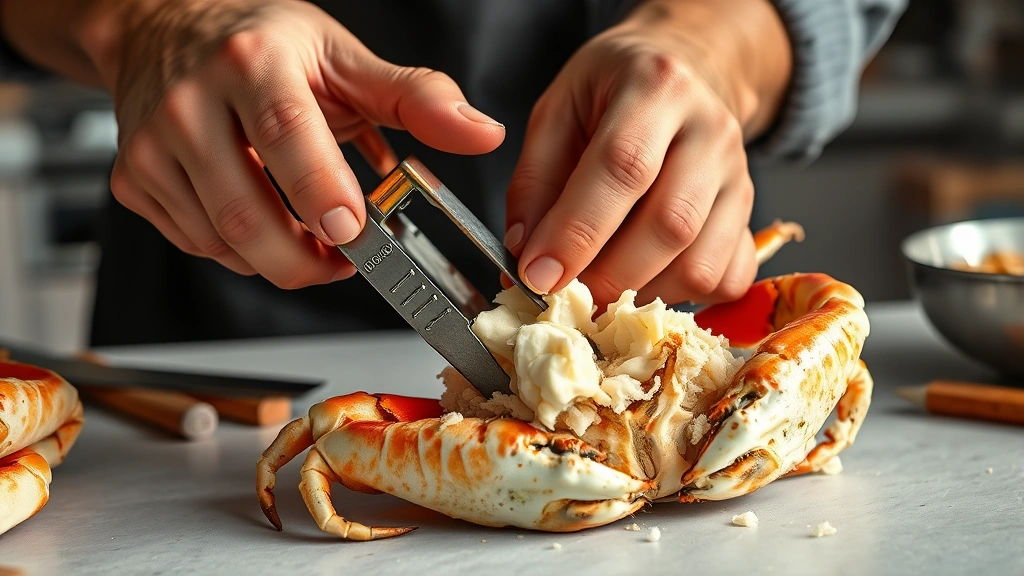
Picking cooked crab meat requires patience. Let the cooked crab cool slightly, then systematically work through each section. The body meat is sweeter than leg meat, and the darker meat has more flavor. Save all shells for making stock—crab shell stock is liquid gold for seafood dishes.
Storage and Freshness Tips
Cooked crab meat keeps in the fridge for 3-4 days in an airtight container. For longer storage, freeze it for up to 3 months, though the texture becomes slightly softer when thawed. Always smell your crab before cooking—it should smell briny and ocean-fresh, never ammonia-like.
If you’re buying pre-picked meat from the store, check the date carefully. The fresher the better. Some folks swear by picking their own meat because they can verify freshness and avoid any off flavors. It’s labor-intensive but worth it for special occasions.
Frequently Asked Questions
How do I know if a live crab is fresh?
Look for active movement and a hard shell. The crab should react when you touch it. Avoid any with missing legs or a soft shell unless you’re specifically buying soft-shell crabs. Fresh crabs smell clean and briny, never fishy or sour.
Can I cook frozen dungeness crab?
Yes, but thaw it first in the refrigerator for 24 hours for best results. Cooking from frozen is possible but takes longer and can result in uneven cooking. The texture also suffers slightly compared to fresh crab.
What’s the difference between male and female dungeness crabs?
Males have more meat overall, while females have more roe (which some consider a delicacy). Males have a narrow abdomen, females a wide one. For most recipes, either works fine—choose based on what looks freshest at your market.
How much crab meat do I get from one whole crab?
A 2-pound live crab yields roughly 1 pound of cooked meat. Larger crabs have a better meat-to-shell ratio, so they’re often a better value. Expect about 25-30% yield from live weight.
Is there a best season for dungeness crab?
Peak season runs from November through June, with the best quality typically from December through February. During these months, the meat is sweetest and most abundant. Summer crabs tend to be smaller and less meaty.
What wine pairs best with dungeness crab dishes?
Crisp whites like Sauvignon Blanc, Albariño, or Chablis complement the sweet, delicate meat beautifully. Rosé works too for lighter preparations. Avoid heavy reds—they overpower the subtle flavors.
Can I use dungeness crab in Asian dishes?
Absolutely. Try stir-frying with ginger, garlic, and scallions, or adding it to hot pots and noodle dishes. The meat holds up well to bold Asian flavors and adds luxury to simple preparations.
Dungeness crab recipes don’t need to be complicated. Whether you’re steaming, roasting, or turning your catch into elegant pasta sauce, the quality of your crab is what matters most. Start with fresh, live crabs from a reputable fishmonger, treat them with respect, and let their natural sweetness shine through. These ten methods give you the foundation to cook confidently at home. You’ve got this.


