

A dawn power wash recipe is one of those game-changing DIY hacks that’ll save you hundreds on professional cleaning services. I’ve tested this formula on everything from grimy deck boards to stubborn driveway stains, and it absolutely delivers results that rival expensive pressure washing solutions. The best part? You probably have most of the ingredients sitting under your kitchen sink right now.
Table of Contents
Why Dawn Works So Well
Dawn dish soap isn’t just for your dinner plates. The formulation was originally developed to cut through heavy grease on birds affected by oil spills—if it can handle that, it’ll demolish the grime coating your patio. The secret lies in its surfactant blend, which breaks the surface tension of water and allows it to penetrate deep into porous surfaces like concrete, wood, and composite materials.
Unlike generic soaps, Dawn’s degreasing power specifically targets the organic buildup—mold, mildew, algae, and dirt—that clings to outdoor surfaces. It’s gentle enough not to damage most materials but aggressive enough to handle years of accumulated grime. I’ve found it works particularly well on vertical surfaces where water naturally wants to run off.
The Basic Power Wash Recipe
Here’s the formula that works for 95% of outdoor cleaning jobs:
- 1 cup of Dawn dish soap (original blue formula works best)
- 1 gallon of water (hot water is better, but cold works)
- ½ cup of white vinegar (optional but recommended for mold/mildew)
- 1 tablespoon of baking soda (adds mild abrasive action)
This ratio gives you a solution that’s strong enough to tackle serious buildup without being so concentrated that it leaves residue or damages your surfaces. The vinegar acts as a natural mold killer, while baking soda provides gentle scrubbing action when you work the solution with a brush.
Step 1: Mix Your Solution
Start with a 5-gallon bucket—this size is perfect for handling most residential projects without becoming unwieldy. Pour your hot water first (about 4.5 gallons), then add the full cup of Dawn. Don’t just dump it in; pour it slowly while stirring gently. You want the soap to dissolve completely without creating an excessive foam mountain that makes it hard to work with.
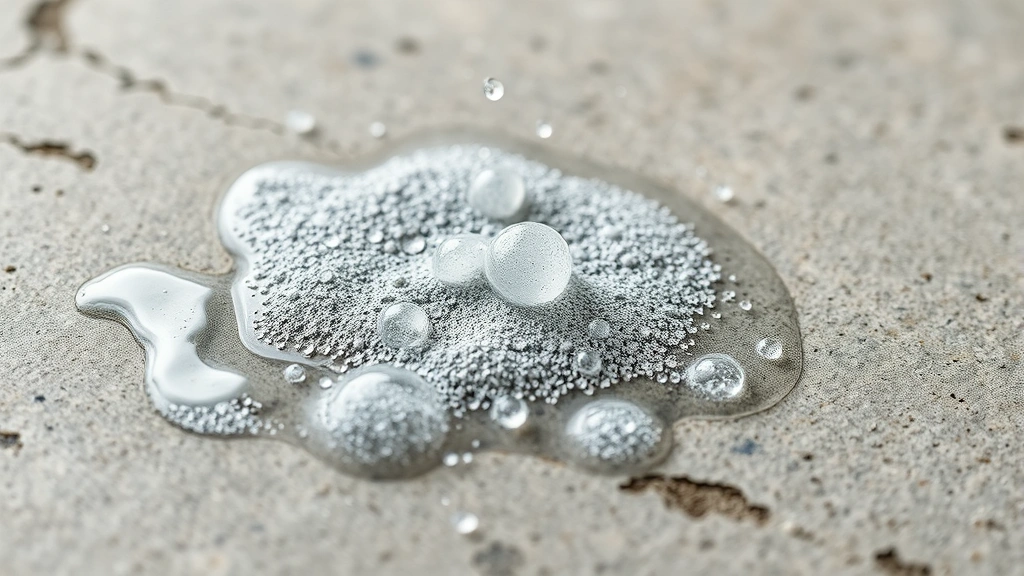
Once the Dawn is fully incorporated, add your white vinegar slowly while stirring. This combination creates a mild chemical reaction that you’ll see as slight fizzing—that’s normal and actually helps activate the cleaning power. Finally, sprinkle in the baking soda while stirring continuously. The solution should be uniform in color with no visible clumps.
Let the mixture sit for 5 minutes before using. This rest period allows the ingredients to fully bond and maximizes cleaning effectiveness. You’ll notice the solution develops a slightly thicker consistency—that’s the perfect texture for clinging to vertical surfaces.
Step 2: Apply and Soak
This is where patience becomes your best tool. Using a long-handled soft-bristle brush or a pump sprayer, apply your solution generously to the surface you’re cleaning. Work from top to bottom if you’re tackling vertical surfaces—gravity is your friend here.
Don’t immediately start scrubbing. Instead, let the solution soak for 10-15 minutes. This dwell time is critical because it allows the surfactants to break down the molecular bonds holding the grime in place. During this wait, you’ll often see the dirt literally starting to loosen and darken as the solution penetrates.
For particularly stubborn stains—like the kind you’d find on a blackstone griddle that’s seen heavy use—extend the soak time to 20 minutes. For lighter cleaning jobs on regularly maintained surfaces, 5-10 minutes is sufficient.
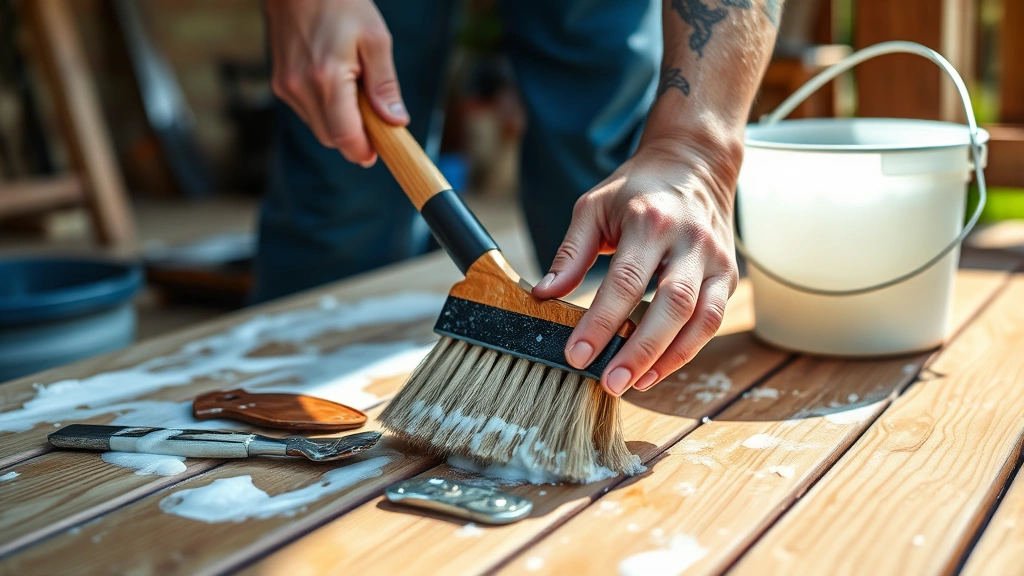
Once the soak time is up, use your brush to gently work the solution into the surface. You’re not trying to scrub away the finish; you’re just agitating the loosened grime to help it separate. Light, circular motions work better than aggressive scrubbing.
Step 3: Rinse and Inspect
Rinse thoroughly with clean water. A standard garden hose works fine for most jobs, though a pressure washer set to low-to-medium pressure (1200-1500 PSI) accelerates the process significantly. If you’re using a pressure washer, keep the nozzle at least 12 inches away from the surface and maintain a consistent angle to avoid streaking.
Start rinsing from the top and work downward, just like you applied the solution. You want all the soap and loosened debris flowing away, not pooling in low spots. This typically takes 3-5 minutes depending on the surface area and how dirty it was initially.
Once you think you’re done rinsing, wait 10 minutes and inspect the surface in good sunlight. Wet surfaces often hide residual soap film. If you see any slickness or white streaks, rinse again. Proper rinsing prevents that chalky, dull finish that makes your work look incomplete.
Surface-Specific Application Tips
The beauty of this recipe is its versatility, but different surfaces benefit from slight modifications. For wooden decks, reduce the vinegar to ¼ cup since wood is more sensitive to acidic solutions. For concrete driveways, you can actually increase the vinegar to ¾ cup for extra mold-fighting power.
On composite deck materials, skip the baking soda entirely and use only the Dawn, water, and vinegar mixture. These synthetic materials can be scratched by abrasive particles. For natural stone like slate or flagstone, omit the vinegar and baking soda completely—stick with just the Dawn and water solution to avoid etching.
If you’re cleaning metal surfaces similar to what you’d encounter when learning to clean silver at home, use only the basic Dawn and water mixture without any acidic additives. Metal requires gentler treatment to prevent oxidation and discoloration.
Mistakes That Kill Results
The biggest error I see is using too much soap. People assume more soap equals better cleaning, but excess Dawn actually leaves behind a residue film that dulls your surfaces and attracts dirt faster. Stick to the 1:1 ratio of cup soap to gallon of water.
Another frequent mistake is rinsing too quickly. If you rinse before the 10-15 minute soak is complete, you’re wasting the solution’s potential. The dwell time is when the chemistry actually happens—rushing this step cuts your effectiveness in half.
Don’t mix this solution with bleach or other chemicals. The combination can create toxic fumes and actually reduce cleaning effectiveness. If you need extra disinfecting power, use the vinegar—it’s a natural antimicrobial that works safely with Dawn.
Applying on hot, sunny days is another problem. The solution dries too quickly before it has time to work, and you’ll end up with streaky, incomplete cleaning. Overcast days or early morning/late evening applications give you the best results.
Safety and Protective Gear
While this recipe is much safer than commercial pressure wash chemicals, you still need basic precautions. Wear rubber gloves to protect your hands—the combination of hot water and soap can dry out skin quickly. Safety glasses are essential, especially if you’re using a pressure washer, since splashing solution can irritate eyes.
Ensure good ventilation if you’re working in an enclosed space like a garage or covered patio. Even though vinegar is natural, prolonged inhalation of the vapors can irritate respiratory passages. Keep the solution away from pets and children until it’s completely rinsed away.
Test your solution on an inconspicuous area first, especially on delicate surfaces. While this recipe is generally safe, some older finishes or specialty materials might react unexpectedly. Better to discover issues on a hidden corner than ruin your entire patio.
Frequently Asked Questions
Can I use this recipe in a pressure washer tank?
Yes, but only in machines specifically designed for detergent use. Check your pressure washer’s manual first. Never put soap in a standard pressure washer—it can damage the pump. If your machine has a detergent tank, dilute the solution 50/50 with water since it’ll be sprayed under pressure and doesn’t need to be as concentrated.
How often should I clean with this recipe?
For high-traffic areas like entryways and patios, quarterly cleaning maintains that fresh appearance. For decks and less-used spaces, annual cleaning is usually sufficient. In humid climates where mold grows faster, increase frequency to twice yearly.
Will this damage my plants?
The vinegar and soap can stress plants if applied directly, but the diluted solution used for rinsing is generally safe. Still, shield nearby garden beds with plastic sheeting while you work. Rinse the area thoroughly afterward to prevent soap residue from affecting soil.
What if the stains don’t come out?
Stubborn stains sometimes require a second application. Let the surface dry completely, then repeat the process. For permanent discoloration or deep-set stains, you might need commercial-grade cleaners or professional pressure washing services.
Can I store leftover solution?
Yes, in a sealed container away from sunlight. The mixture stays effective for about 2-3 weeks. Label it clearly and keep it out of reach of children and pets. Shake well before reusing since ingredients can separate over time.
Is this recipe better than commercial pressure wash solutions?
It’s comparable for most residential jobs and significantly cheaper. Commercial solutions often contain harsh chemicals that can damage certain surfaces or harm the environment. This recipe gives you control over ingredients and costs about 90% less per application.


