
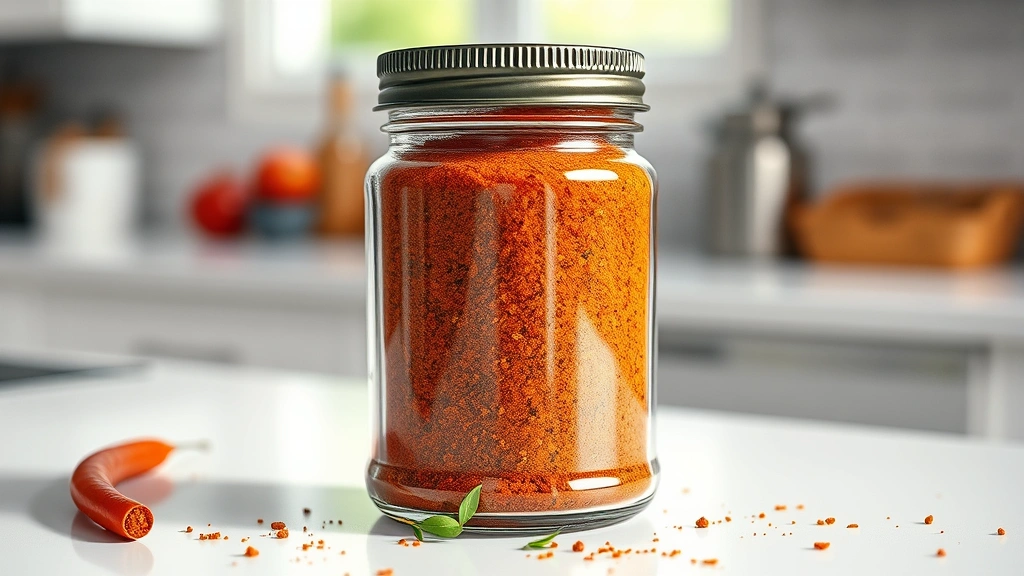
A creole seasoning recipe is your ticket to authentic Louisiana flavor without the fuss or the premium price tag. Most folks think they need to hunt down specialty shops or order online, but honestly? You’ve got everything you need in your kitchen cabinet right now. I’m going to walk you through making a batch that’ll transform your cooking in five minutes flat.
Table of Contents
What Is Creole Seasoning?
Creole seasoning is a bold, aromatic blend that captures the spirit of New Orleans cooking. It’s not one single spice—it’s a carefully balanced mix of paprika, garlic, onion, cayenne, and herbs that work together to create something greater than the sum of their parts. Think of it as the foundation for authentic gumbo, jambalaya, blackened fish, and pretty much anything you want to taste like you just stepped out of a French Quarter restaurant.
The beauty of this blend is its versatility. It’s got heat without being overwhelming, depth from the garlic and onion, and a subtle sweetness from the paprika. Unlike some seasoning mixes you’ll find on store shelves, homemade creole seasoning lets you control the salt content and adjust the spice level to your taste.
Ingredients You’ll Need
Here’s what goes into a solid creole seasoning recipe. I’ve tested ratios extensively, and this formula works like a charm:
- 2 tablespoons paprika (smoked or sweet—your call)
- 1 tablespoon garlic powder
- 1 tablespoon onion powder
- 1 tablespoon dried oregano
- 1 tablespoon dried thyme
- 2 teaspoons cayenne pepper (adjust for heat tolerance)
- 1 teaspoon black pepper
- 1 teaspoon salt (kosher or sea salt preferred)
- ½ teaspoon garlic salt (optional, for extra punch)
That’s it. Nine ingredients, most of which you probably already have. The whole batch takes up maybe a quarter cup of space in a jar, and you’ll have enough to last weeks depending on how much you cook.
Step-by-Step Instructions
This is where the magic happens, and I promise it’s dead simple. Here’s how to build your creole seasoning recipe from scratch:
Step 1: Gather Your Spices Pull out all your dried herbs and spices. Make sure they’re not ancient—old spices lose their punch. If your oregano or thyme have been sitting in the back of the cabinet for three years, they won’t give you the flavor you’re after.
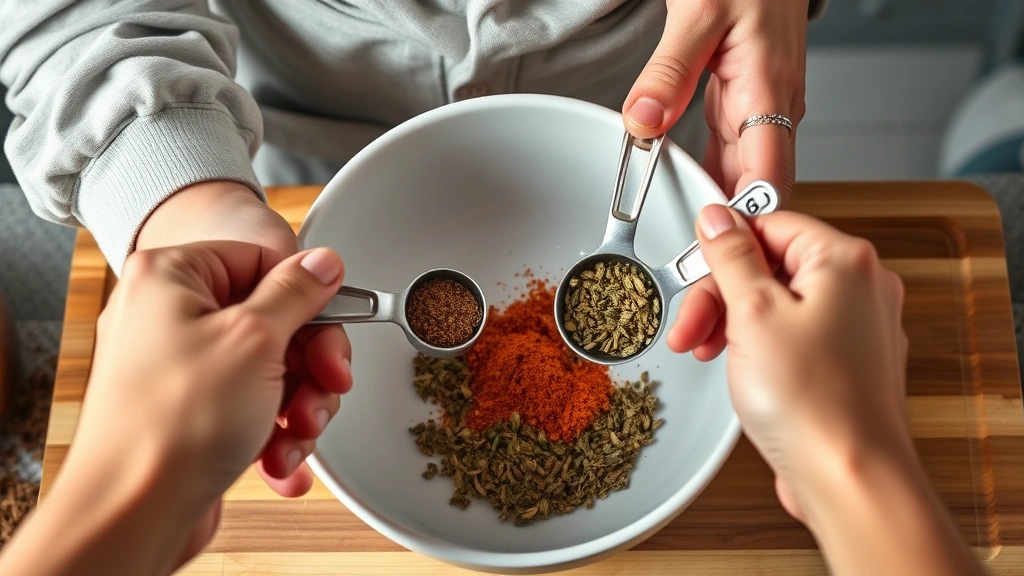
Step 2: Measure Everything Use a measuring spoon and be precise. This isn’t baking where you need to be exact to the gram, but consistency matters here. If you eyeball it one way and make it different the next time, you’ll notice the difference in your food.
Step 3: Combine in a Bowl Pour all your measured spices into a small mixing bowl. Don’t use a jar yet—you want room to work.
Step 4: Mix Thoroughly Stir everything together for about 30-45 seconds. Use a spoon or small whisk to break up any clumps, especially in the paprika and garlic powder. You want an even distribution so every pinch you use has the same flavor profile.
Step 5: Transfer to Storage Pour your finished blend into a clean, dry glass jar with a tight-fitting lid. A small mason jar works perfectly. Label it with the date so you know when you made it.
Total time? About 5 minutes. Seriously.
Storage & Shelf Life
Keep your creole seasoning recipe in an airtight container away from heat, light, and moisture. A cool, dark cabinet works way better than sitting next to your stove where heat and steam will degrade the spices. Glass jars with screw-top lids are ideal—plastic can absorb flavors and odors over time.
Your homemade blend stays potent for about 6 months, though it’ll maintain good flavor for up to a year if stored properly. Unlike store-bought mixes loaded with preservatives, you’re working with pure spices, so freshness matters. When the aroma starts fading noticeably, it’s time to make a fresh batch.
Pro tip: Make a double or triple batch and store extra in small jars. You can gift them to friends who love cooking, or keep backups so you’re never caught without your favorite seasoning.
Customizing Your Blend
Here’s where you make this creole seasoning recipe truly yours. Not everyone’s palate is the same, and that’s the whole advantage of making it at home.
For Extra Heat: Bump the cayenne up to 3 or even 4 teaspoons if you like serious kick. Some folks add a pinch of white pepper for a different kind of heat that builds slowly.
For Smokier Flavor: Use smoked paprika instead of sweet paprika, or use a 50/50 blend of both. Smoked paprika adds complexity that really shines in rubs for grilled meats.
For Herbier Profile: Add ½ teaspoon of dried basil or a pinch of dried rosemary. This works especially well if you’re using your seasoning on seafood.
For Less Salt: Cut the salt and garlic salt in half. You can always add more salt when cooking, but you can’t take it out. This approach also lets the other spices shine through more clearly.
The beauty of customization is that once you nail your personal version, you’ve got a signature blend that makes your food taste like you. That’s the kind of thing people notice.
Best Uses in the Kitchen
Your creole seasoning recipe is about to become your most-reached-for jar. Here are the best applications:
Proteins: Rub it generously on chicken breasts, pork chops, or fish before cooking. When you’re learning how long to bake tilapia, a good creole rub transforms the whole dish. Sprinkle it on shrimp before sautéing, or use it as a dry rub for ribs.
Rice Dishes: Stir it into rice while it cooks, or sprinkle it over finished rice. This is essential for authentic jambalaya and red beans and rice.
Vegetables: Toss roasted vegetables—especially bell peppers, okra, and tomatoes—with a pinch of creole seasoning. It brightens everything up.
Soups and Stews: A teaspoon or two in your gumbo or seafood stew adds authentic Louisiana depth. Start with less and taste as you go.
Eggs and Breakfast: Sprinkle it on scrambled eggs, omelets, or breakfast potatoes. It’s not just for dinner.
Homemade vs Store-Bought
Let’s be real about why you should make your own creole seasoning recipe instead of buying it off the shelf.
Cost: A homemade batch costs maybe a dollar if you’re buying bulk spices. Store-bought mixes run $4-8 per bottle, and you’re paying for packaging and branding.
Freshness: Homemade is always fresher. You know exactly when it was made and how it’s been stored. Store-bought spices can sit on shelves for months or years before they reach your kitchen.
Control: You decide the salt content, heat level, and ingredient ratios. Store-bought mixes often have added sugars, anti-caking agents, and preservatives you don’t need.
Quality: When you buy individual spices from a reputable source, you’re getting pure ingredients. Many commercial seasoning blends use lower-grade spices and fillers.
The only advantage to store-bought? Convenience if you’re in a rush. But since homemade takes 5 minutes, that’s not really a valid excuse.
Common Mistakes to Avoid
I’ve seen people mess up a creole seasoning recipe in predictable ways. Here’s how to avoid those pitfalls:
Using Old Spices: Spices lose potency over time. If your oregano smells faint and dusty, replace it. Old spices won’t ruin the blend, but they’ll make it taste muted and flat.
Skipping the Mixing Step: Don’t just dump spices in a jar and call it done. Mix them thoroughly so the paprika doesn’t clump at the bottom and the cayenne distributes evenly. You want consistency.
Going Too Heavy on Cayenne: It’s easy to get trigger-happy with the heat. Remember, you can always add more seasoning to your food, but you can’t remove it. Start conservative and adjust next time.
Not Tasting as You Cook: Your creole seasoning recipe is a starting point, not gospel. Taste your food while cooking and adjust. Some dishes need more, some need less.
Storing Improperly: Keep it away from your stove’s heat, direct sunlight, and moisture. A cabinet above your countertop is better than one next to the oven.
Frequently Asked Questions
Can I make a larger batch and store it?
Absolutely. Make a triple or quadruple batch and store it in airtight containers. It’ll stay fresh for about 6 months. Just label the jars with the date so you know when to refresh your supply.
What’s the difference between creole and cajun seasoning?
Great question. Creole seasoning is more balanced and refined, with emphasis on paprika and herbs. Cajun seasoning typically has more cayenne and garlic, making it spicier and more aggressive. This creole seasoning recipe skews toward the milder, more complex side.
Can I use this on vegetables?
Yes. Toss roasted or grilled vegetables with a light coating. It works especially well on bell peppers, okra, zucchini, and tomatoes. Start light and adjust to taste.
Is this blend gluten-free?
Yes, assuming your spices are pure and haven’t been cross-contaminated during processing. Check your spice labels if you have a gluten sensitivity. Most dried herbs and spices are naturally gluten-free.
How much should I use per serving?
For most applications, ½ to 1 teaspoon per serving is a good starting point. For a rub on meat, use about 1-2 teaspoons per pound. Taste as you go and adjust to your preference.
Can I make this without cayenne?
You can, but you’ll lose some of the authentic creole character. If heat is an issue, cut the cayenne to 1 teaspoon instead of eliminating it entirely. You’ll still get the flavor without excessive spice.
Should I grind whole spices instead of using powder?
If you have whole spices and a spice grinder, go for it. Freshly ground spices have more aroma and potency. But ground spices work perfectly fine for this creole seasoning recipe, and most home cooks don’t have the equipment or time for grinding.
Final Thoughts
Making your own creole seasoning recipe is one of those kitchen moves that feels fancy but is ridiculously simple. Five minutes of work gives you weeks of authentic Louisiana flavor at a fraction of the cost of store-bought blends. You control the heat, the salt, and the overall character of the seasoning. That’s power you don’t get from a commercial mix.
Start with the basic recipe I’ve given you, make a batch this week, and taste the difference in your cooking. Once you do, you’ll never go back to buying pre-made seasoning. And if you’re looking to expand your cooking skills, check out how to apply the right finishing touches to your dishes—seasoning is just the beginning.
Keep your homemade creole seasoning in a labeled jar, grab it whenever you need authentic flavor, and watch your cooking level jump. That’s the kind of small investment that pays dividends every single time you cook.


