
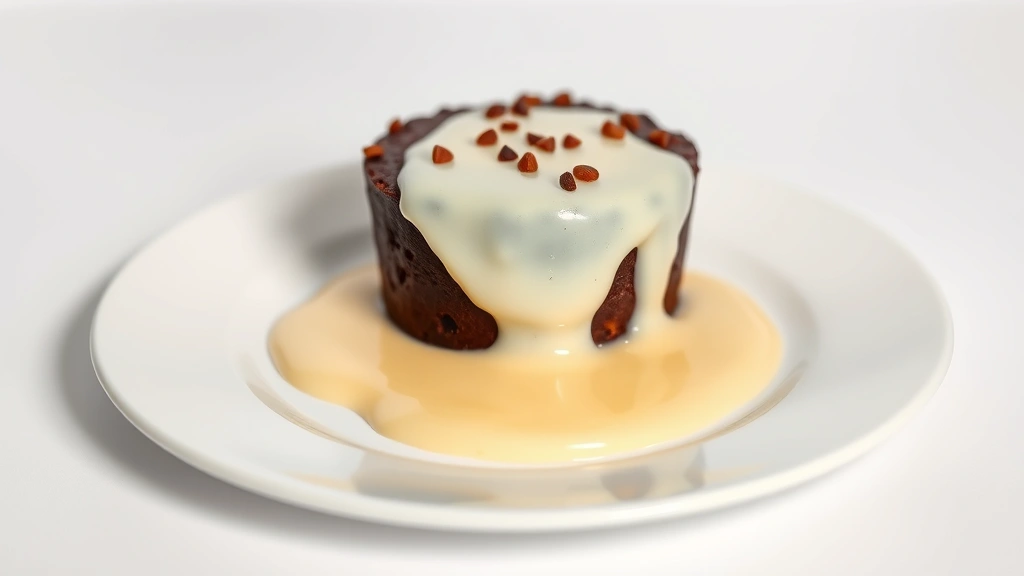
A creme anglaise recipe is basically the golden ticket to elevating any dessert from decent to absolutely unforgettable. This silky French custard sauce is deceptively simple—just egg yolks, milk, cream, sugar, and vanilla—but nailing the technique separates the smooth operators from the scrambled-egg disasters. I’ve burned through enough batches to know exactly where things go sideways, and I’m here to walk you through making this sauce like a pro.
Table of Contents
What Is Crème Anglaise?
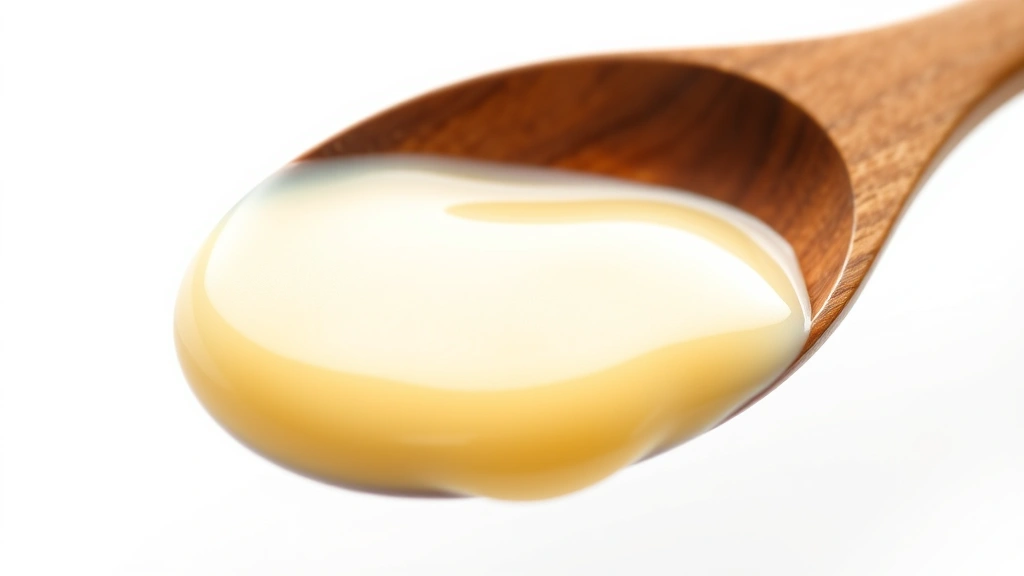
Crème anglaise—literally “English cream” in French (which is hilariously ironic)—is a pourable custard sauce that’s been a cornerstone of French cuisine for centuries. Unlike thick pastry cream or pudding, this sauce flows like silk and coats the back of a spoon with elegance. You’ll find it drizzled under fruit tarts, pooled beneath chocolate cakes, or spooned over banana fritters to add richness and refinement.
The magic happens when you gently heat egg yolks with sugar until they thicken, then temper them with hot milk and cream. The result? A sauce that’s rich, velvety, and tastes like pure vanilla-kissed luxury. It’s the kind of thing that makes people think you spent all day in the kitchen when you actually spent 15 minutes.
Ingredients That Matter
Here’s where precision actually pays off. You’ll need:
- 5 egg yolks (room temperature—this matters more than you’d think)
- 1/2 cup granulated sugar (or 100 grams if you’re weighing)
- 1 cup whole milk (full-fat is non-negotiable)
- 1 cup heavy cream (or use 2 cups milk if you want a lighter version)
- 1 vanilla bean or 1 teaspoon vanilla extract (fresh vanilla bean is superior, but extract works)
- Pinch of salt (enhances everything)
Don’t cheap out on ingredients here. Room-temperature eggs whisk more smoothly, whole milk creates better body, and real vanilla transforms this from “fine” to “why does this taste like restaurant-quality?” The salt is your secret weapon—it rounds out flavors and makes the vanilla pop without tasting salty.
Temperature Control Is Everything
This is the single biggest reason people end up with scrambled eggs instead of silky sauce. Egg yolks start breaking down around 160°F (71°C), and they fully curdle at 185°F (85°C). Your target is 160-165°F (71-74°C)—hot enough to pasteurize and thicken, cool enough to stay creamy.
Here’s the workshop truth: get a kitchen thermometer. Not a fancy one—a $10 instant-read thermometer from any store. You’re not guessing when you’re this close to disaster. The “when it coats the back of a spoon” test works, but it’s subjective. A thermometer removes the guesswork and saves your sauce.
Step-by-Step Instructions
Step 1: Prep Your Setup
Fill a bowl with ice water and set it nearby. You’ll need this to stop the cooking process immediately. Prepare a fine-mesh strainer and a clean bowl for the finished sauce. If using a vanilla bean, split it lengthwise and scrape out the seeds with a knife—those tiny black specks are flavor gold.
Step 2: Combine Milk and Cream
Pour milk and cream into a saucepan. If using a vanilla bean, add the whole pod and seeds. Heat over medium heat until steam rises and small bubbles form around the edges—don’t boil it. If using vanilla extract, you’ll add it later. This takes about 5-7 minutes. The goal is hot milk, not scalded milk.
Step 3: Whisk Yolks and Sugar
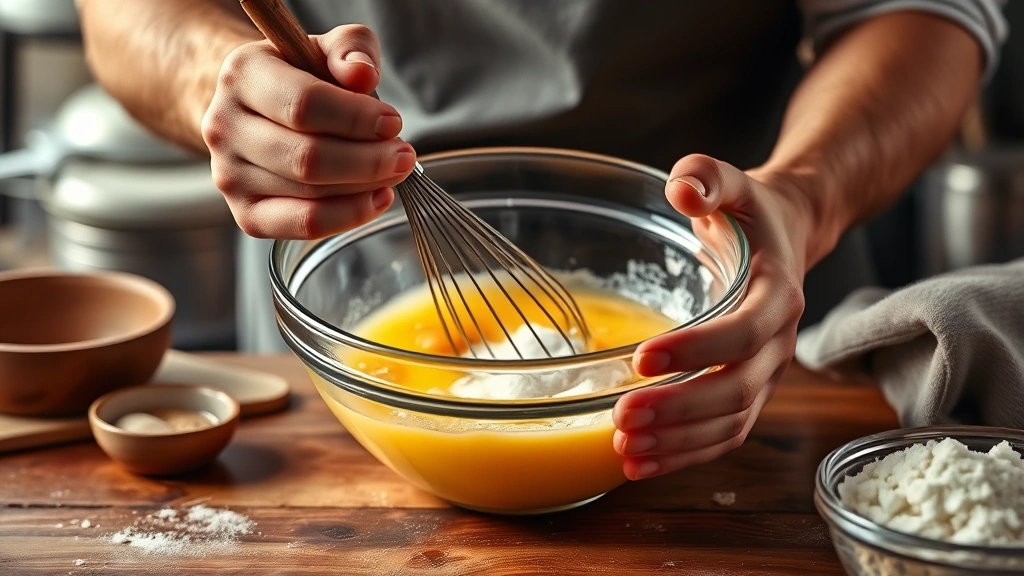
In a separate bowl, whisk together egg yolks and sugar. Whisk for 2-3 minutes until the mixture becomes pale, thick, and ribbon-like. This step is crucial—you’re incorporating air and helping the yolks thicken when heat hits them. Don’t skip it or rush it.
Step 4: Temper the Yolks
This is the critical move. Slowly pour the hot milk into the yolk mixture while whisking constantly. Go slow—this isn’t a race. You’re gradually raising the temperature of the yolks so they don’t seize up. Whisk for about 30 seconds between pours if you’re doing this in batches. This takes patience, but it’s what separates smooth sauce from scrambled eggs.
Step 5: Cook to Temperature
Pour the combined mixture back into the saucepan (straining out the vanilla bean if used). Cook over medium heat, stirring constantly with a wooden spoon or whisk. Watch that thermometer. You’re aiming for 160-165°F (71-74°C). This usually takes 8-12 minutes. Stir constantly—don’t let any part of the mixture sit still on the heat.
Step 6: Stop the Cooking
The moment you hit temperature, pour the sauce through a fine-mesh strainer into a clean bowl. Set that bowl in the ice bath and stir occasionally for 2-3 minutes to cool it down quickly. This stops carryover cooking and locks in that silky texture. Add vanilla extract now if you didn’t use a bean.
Step 7: Chill and Serve
Let it cool to room temperature, then cover and refrigerate for at least 2 hours. The sauce thickens slightly as it cools—this is normal and desired. Serve chilled or at room temperature, depending on what you’re pairing it with.
Common Mistakes to Avoid
Mistake 1: Not Tempering Properly
Dumping hot milk into cold yolks all at once is a one-way ticket to scrambled eggs. Slow and steady wins the race. If you’re nervous, do it in three or four additions.
Mistake 2: Overheating
You don’t need 180°F. That’s overkill and risks curdling. Stick to 160-165°F and you’ll be golden.
Mistake 3: Using Cold Eggs
Cold eggs take longer to reach proper temperature and are more prone to curdling. Leave them on the counter for 30 minutes before starting.
Mistake 4: Skipping the Strainer
Even if everything looks smooth, strain it. You’ll catch any cooked bits and get a genuinely silky final product. It’s a 30-second step that makes a huge difference.
Mistake 5: Not Whisking the Yolks and Sugar
This preliminary whisking matters. It aerates the mixture and helps it thicken properly when heat is applied.
Flavor Variations Worth Trying
Once you’ve nailed the basic technique, play around. Try these variations:
- Coffee Crème Anglaise: Dissolve 2 tablespoons instant espresso powder in the milk before heating. Pairs beautifully with chocolate desserts. Check out our coffee syrup recipe for similar flavor profiles.
- Bourbon or Rum Version: Add 2 tablespoons bourbon or rum after cooling. This is incredible under chocolate cake. Similar vibes to our bourbon sauce recipe.
- Lavender Crème Anglaise: Steep 1 tablespoon dried culinary lavender in the hot milk for 10 minutes, then strain before tempering. Delicate and sophisticated.
- Citrus Twist: Add 1 tablespoon fresh lemon or orange zest to the milk while heating, or add juice after cooling. Bright and refreshing.
- Cardamom or Cinnamon: Add 1/4 teaspoon ground spice to the milk while heating. Warm and aromatic.
Storage and Shelf Life
Crème anglaise keeps in the refrigerator for up to 4 days in an airtight container. Because it contains raw or lightly cooked eggs, it’s not shelf-stable. Don’t leave it sitting out at room temperature for more than 2 hours.
If you’re concerned about food safety (which is valid), you can use pasteurized eggs, which are heat-treated and safe to eat at lower temperatures. They work fine in this recipe.
Can you freeze it? Technically yes, but the texture changes slightly when thawed—it becomes a bit grainy. It’s better to make it fresh when you need it, but if you must freeze, use it within 2 months and accept that the mouthfeel won’t be quite as silky.
Pairing Ideas for Maximum Impact
This sauce is a chameleon. Serve it under:
- Chocolate cake or brownies (the classic)
- Fresh fruit tarts or berry pavlovas
- Bread pudding or rice pudding
- Poached pears or stewed plums
- Banana fritters for a restaurant-quality dessert
- Apple pie or fruit crisps instead of vanilla ice cream
- Alongside edible cookie dough for a fun interactive dessert
- Under cinnamon rolls as a decadent finishing touch
The key is that crème anglaise adds richness and elegance without being heavy. It’s the sauce that makes people think you’re a better baker than you actually are.
Quick Troubleshooting Guide
Sauce is Too Thin
You didn’t reach 160°F or you didn’t whisk the yolks and sugar enough. Next time, check that thermometer and whisk longer in step 3. If it’s already cooled, you can’t fix it—make a new batch.
Sauce Has Lumps or Grainy Texture
You overheated it or didn’t temper properly. Strain it through a fine-mesh strainer or even cheesecloth. If it’s severely curdled, you’re starting over—sorry.
Sauce Separated or Looks Broken
This happens when you overheat. Try whisking in a tablespoon of cold cream or milk to bring it back together. Sometimes it works; sometimes it doesn’t.
Vanilla Flavor Is Weak
Use a vanilla bean next time instead of extract, or use real extract (not imitation). You can also infuse the milk longer or add a tiny pinch of vanilla powder.
Frequently Asked Questions
Can I use whole eggs instead of just yolks?
Technically yes, but you’ll get a thinner sauce. Yolks contain the emulsifiers and fat that create that silky texture. Whole eggs dilute this effect. Stick with yolks for the best result.
Is crème anglaise the same as custard?
Not exactly. Crème anglaise is a pourable custard sauce. Other custards like pastry cream or crème pâtissière are thicker because they contain cornstarch or flour. Think of crème anglaise as the liquid, elegant cousin.
What if I don’t have a thermometer?
The old-school test is to dip a spoon in the sauce and drag your finger across the back. If it leaves a trail that doesn’t immediately flow back together, you’re there. But honestly, get a thermometer. They’re cheap and eliminate guesswork.
Can I make this ahead of time?
Yes, up to 4 days in advance. Keep it covered in the fridge. Just give it a gentle stir before serving—it may have thickened slightly and could use loosening up.
What’s the difference between crème anglaise and hollandaise?
Completely different animals. Hollandaise is a savory, buttery sauce for eggs Benedict. Crème anglaise is sweet and used for desserts. Both use egg yolks, but that’s where the similarity ends.
Can I use milk alternatives like almond or oat milk?
You can, but the sauce won’t be as rich or thick. Almond milk especially is thin and won’t provide the body you want. If you must use alternatives, use full-fat coconut milk or oat milk and accept that the texture will be slightly different.
How do I know when the milk is hot enough?
When you see steam rising and small bubbles forming around the edges, it’s ready. You’re not looking for a rolling boil—just hot milk, around 160-180°F (71-82°C) before you start tempering.
What if I accidentally curdle it?
If it’s just slightly grainy, strain it through cheesecloth. If it’s fully separated and broken, you’re making a new batch. Keep that thermometer handy next time.
Final Thoughts
A creme anglaise recipe is one of those foundational techniques that seems intimidating until you understand what’s actually happening. You’re gently heating egg yolks to thicken them while keeping them creamy. That’s it. Respect the temperature, temper properly, and you’ll have a sauce that tastes like you went to culinary school.
The first time you nail it, you’ll understand why this sauce has been a dessert staple for centuries. It’s elegant, versatile, and honestly easier than most people think. Make it once, and you’ll be serving it under everything. Your dinner guests will wonder where you’ve been hiding this skill.


