

Making a cranberry juice recipe at home is easier than you’d think, and the results taste nothing like that bottled stuff sitting on supermarket shelves. I’m talking fresh, tart, and packed with actual flavor—the kind that makes you wonder why you ever bought pre-made juice in the first place. Whether you’re looking to boost your health routine, create a signature cocktail base, or just want to impress folks with homemade goodness, this guide walks you through everything you need to know.
Table of Contents
Why Homemade Matters
Commercial cranberry juice is often loaded with added sugars, preservatives, and water that dilute the real flavor. When you make your own cranberry juice recipe, you control every single ingredient. No mystery additives, no excessive sweetening, just pure cranberry goodness. Plus, the cost per serving is usually half what you’d pay for premium bottled brands.
The taste difference is immediate and undeniable. Fresh homemade juice has a brightness and complexity that store-bought versions simply can’t match. You’ll notice the natural tartness, the subtle sweetness from the berries themselves, and a freshness that makes you feel like you’re getting something genuinely nutritious. That’s the magic of doing it yourself.
Gather Your Supplies
You don’t need fancy equipment to make this work. Here’s what you actually need:
- Large pot or saucepan (at least 3-quart capacity)
- Fine-mesh strainer or cheesecloth (critical for separation)
- Wooden spoon (for stirring without damaging berries)
- Measuring cups and spoons (precision matters)
- Glass jars or bottles (for storage)
- Optional: juicer or blender (speeds up the process)
That’s genuinely all you need. No expensive juicing machines required. A basic kitchen setup gets the job done perfectly. If you’re already into making specialty beverages like Aeropress recipes, you’ve probably got most of this already.
Select Quality Berries
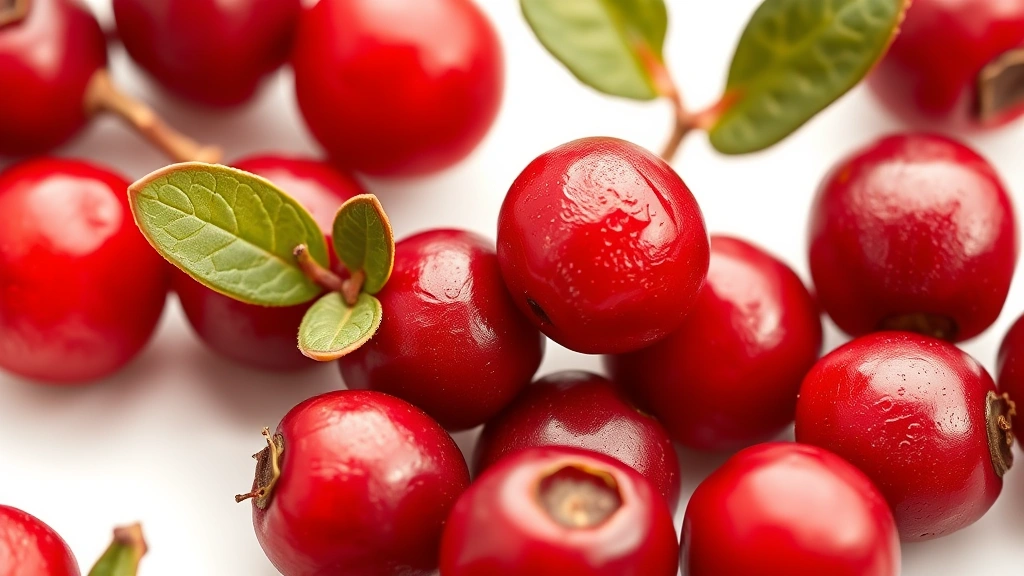
The foundation of any solid cranberry juice recipe is, obviously, quality cranberries. Look for berries that are firm, deep red, and free from soft spots or mold. Fresh cranberries have a slight waxy coating—that’s natural and good. Avoid any that look shriveled or discolored.
Timing matters too. Fresh cranberries are typically available from September through November in most regions. During this window, grab what you need and freeze extras for year-round use. Frozen cranberries work just as well in your juice recipe and often cost less than fresh. Just thaw them before processing.
Aim for about 4 cups of fresh cranberries as your starting point. This gives you a solid yield of juice with concentrated flavor. You can always scale up or down depending on your needs and how much juice you want to make.
Step-by-Step Process
Step 1: Rinse and Sort
Dump your cranberries into a colander and rinse thoroughly under cool running water. Pick through them quickly and toss out any that look questionable. This takes two minutes and prevents off-flavors in your finished juice. Wet berries are fine—you want them clean.
Step 2: Crush the Berries
This is where the real work happens. You have three options: mash them by hand with a potato masher, blend them briefly in a food processor (pulse, don’t puree), or run them through a juicer if you have one. The goal is to break open the berry skins and release the juice inside. You don’t need a smooth puree—chunky is actually better because it gives you more material to strain.
If you’re doing this by hand, work in batches. Put about 2 cups of berries in a large bowl and go to town with the masher for about 2-3 minutes. You’ll see the juice start pooling at the bottom. That’s exactly what you want.
Step 3: Cook and Extract
Transfer your crushed berries and all their juice to a large pot. Add 4 cups of water and bring the mixture to a gentle boil over medium-high heat. Once it’s boiling, reduce heat to medium and let it simmer for about 15 minutes. This gentle cooking helps extract maximum juice from the remaining pulp and develops the flavor profile.
You’ll notice the liquid turning a beautiful deep red. The berries will soften and the whole kitchen smells amazing. Don’t skip this step—the heat extraction is what makes this cranberry juice recipe work so well.
Step 4: Strain Thoroughly

This is the patience part. Line a fine-mesh strainer with cheesecloth and position it over a large bowl or pot. Carefully pour the berry mixture through the strainer. Let gravity do the work—don’t squeeze or press the solids, as that pushes pulp through and clouds your juice.
Let it drip for at least 30 minutes. If you’re in a hurry, you can gently stir the solids after 15 minutes to help juice flow, but resist the urge to force it. Clear, beautiful juice comes from patience. You should end up with about 4-5 cups of strained juice.
Step 5: Sweeten to Taste
Raw cranberry juice is tart—almost aggressively so. This is where you customize your cranberry juice recipe to your preference. Add honey, sugar, or agave syrup gradually, stirring well and tasting as you go. Start with 2-3 tablespoons and adjust from there. Some people love the pure tartness; others prefer it sweetened. There’s no wrong answer here.
If you’re planning to use this as a cocktail mixer, consider pairing it with drinks like an Appletini where the tartness really shines through and balances other ingredients.
Flavor Variations
Once you’ve mastered the basic cranberry juice recipe, play with additions. Orange zest adds brightness and complexity. A cinnamon stick during the cooking phase brings warmth. Fresh ginger slices introduce a subtle spice that plays beautifully against the tartness.
For a holiday version, add a star anise and a few cloves during the simmering stage. Strain these out before bottling. The result tastes like liquid autumn and works great in comfort food recipes or served warm as a seasonal drink.
You can also blend your finished juice with other fruit juices. Apple juice mellows the tartness naturally. Pomegranate juice deepens the color and adds another layer of antioxidants. Lime juice brightens everything up. Experiment with small batches to find your signature blend.
Storage Tips
Homemade cranberry juice keeps in the refrigerator for about 2 weeks in sealed glass bottles. The cold slows oxidation and keeps everything fresh. For longer storage, freeze your juice in ice cube trays, then transfer the cubes to freezer bags. These frozen cubes last 3-4 months and work perfectly in smoothies or cocktails.
If you want shelf-stable juice, you’ll need to process it using water bath canning methods. This requires sterilized jars and proper technique, but gives you juice that lasts a year or more in the pantry. It’s worth learning if you plan to make large batches regularly.
Always store juice in glass rather than plastic. Glass doesn’t leach chemicals and preserves flavor better. Dark glass bottles are ideal because they protect the juice from light degradation.
Troubleshooting Guide
Juice Tastes Too Tart
Add more sweetener gradually. You can also dilute with a bit of water or blend with milder fruit juices. Some tartness is good—it’s what makes cranberry juice unique—but it shouldn’t pucker your face.
Juice Looks Cloudy
You pressed the solids during straining. Next time, let gravity do all the work and be patient. Cloudy juice still tastes fine, but clear juice looks more professional. If this batch is cloudy, strain it again through fresh cheesecloth.
Juice Tastes Weak or Watery
You used too much water or didn’t cook long enough. Try reducing the water amount to 3 cups next time, or extend the simmering to 20 minutes. The longer the berries cook, the more flavor they release.
Mold Growing on Stored Juice
Your bottles weren’t clean enough or the juice wasn’t fully sealed. Always sterilize storage bottles with boiling water before filling. Make sure lids seal properly. If mold appears, discard that batch—it’s not safe to consume.
Cocktail Pairings
Your homemade cranberry juice recipe becomes an excellent cocktail base. The tartness pairs beautifully with vodka, rum, or tequila. Mix it with sparkling water and a shot of vodka for a quick cranberry spritzer. Add it to champagne for an elegant cranberry mimosa.
For something more complex, combine your juice with fresh lime juice, simple syrup, and bourbon for a sophisticated cranberry whiskey sour. The tartness of the juice cuts through the alcohol and creates balance. You can also use it in a festive punch for gatherings, though traditional jambalaya recipes use different ingredients.
The beauty of homemade juice is that you control the sweetness level, which matters hugely in cocktails. Less sugar means the spirit flavors shine through more clearly. Your guests will immediately notice the quality difference.
Frequently Asked Questions
Can I use frozen cranberries for this recipe?
Absolutely. Frozen cranberries work just as well as fresh. Thaw them first, then follow the same process. Many people prefer frozen because they’re available year-round and often cheaper than fresh berries during off-season.
How much juice do I get from 4 cups of berries?
You’ll typically yield 4-5 cups of finished juice from 4 cups of fresh cranberries. The exact amount depends on how juicy your berries are and how much water you add. If you want more juice, increase the water to 5 cups, but understand this dilutes the flavor slightly.
Is homemade cranberry juice healthier than store-bought?
Yes, generally. You control the sugar content and avoid preservatives and additives. However, store-bought juice isn’t bad—it’s just different. If you’re making juice for health benefits, keep the added sugar minimal and drink it fresh or frozen within a few weeks.
Can I make this without added sugar?
You can, but understand that pure unsweetened cranberry juice is extremely tart. Most people find it unpalatable straight. If you want to avoid added sugar, blend it with naturally sweet fruit juices like apple or pear juice instead.
What’s the difference between juice and cranberry sauce?
Juice is strained liquid with minimal solids. Sauce keeps the pulp and is thicker, often with added sugar for a spreadable consistency. Your cranberry juice recipe can become sauce by reducing it longer and adding more sugar, then straining out solids before the mixture cools completely.
How long does fresh juice last in the fridge?
About 2 weeks in sealed glass bottles. After that, fermentation may begin or mold can develop. Frozen juice lasts 3-4 months. If you’re making large batches, freeze most of it and keep only what you’ll drink within 2 weeks in the fridge.
Can I use a blender instead of a juicer?
Yes. Pulse the berries briefly in a blender—don’t fully puree them. You want chunky texture, not smooth. Then proceed with cooking and straining. Blenders work great and most home cooks have one already.
Final Thoughts
Making your own cranberry juice recipe is genuinely one of the easiest DIY beverage projects you can tackle. It requires minimal equipment, takes about an hour from start to finish, and produces results that taste dramatically better than anything you’d buy. The tartness, the freshness, the pure flavor—it’s all there because you made it yourself.
Start with the basic five-step recipe, nail that process, then experiment with flavors and sweetness levels that match your taste. Keep some in the fridge for immediate enjoyment and freeze the rest for later. Use it straight, mix it into cocktails, or blend it with other juices. The possibilities expand once you’ve got a batch on hand.
This is the kind of kitchen skill that makes you feel like you’ve actually accomplished something. Your friends will ask where you bought such good juice, and you get to smile and say you made it. That’s the real win right there. Now get some cranberries and get started.


