
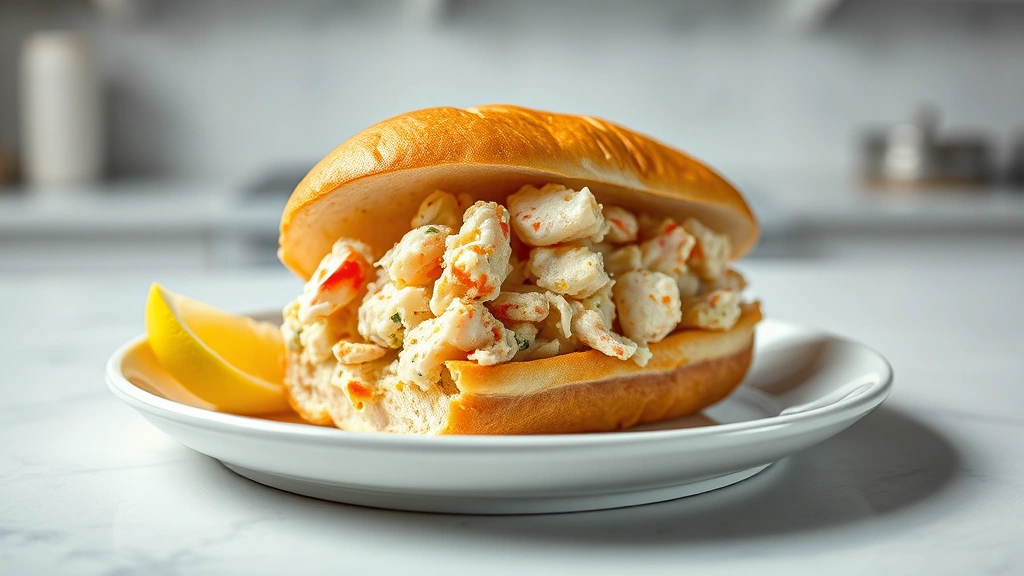
A crab roll recipe is your ticket to restaurant-quality seafood at home, and honestly, once you nail the technique, you’ll never order takeout again. I’ve rolled hundreds of these bad boys over the years, and I’m going to walk you through every step like we’re working on a project together in my kitchen.
Table of Contents
Choosing Fresh Crab
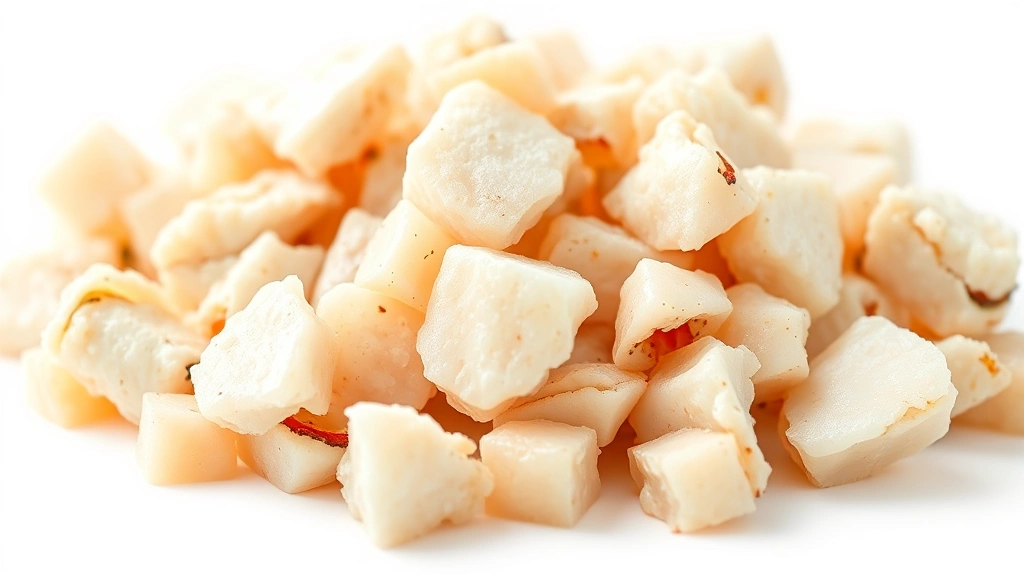
The foundation of any killer crab roll recipe starts with quality crab meat. You’ve got three main options: fresh, pasteurized, or canned. Fresh is always my go-to when I can source it from a reliable fishmonger. Look for meat that’s bright white or slightly pink, never gray or mushy. The smell should be clean and briny—if it smells fishy or off, walk away.
I typically use lump crab meat because those bigger chunks stay intact during rolling and give you that satisfying bite. Claw meat works too if you’re on a budget, but it’s more fibrous and breaks apart easier. One pound of crab meat makes about 4-6 rolls depending on how generous you’re feeling. Pro tip: keep your crab meat cold until the last possible moment. Temperature control is everything here.
Gathering Your Ingredients
Here’s what you’ll need to build a solid crab roll recipe that actually tastes like something:
For the filling:
– 1 pound fresh lump crab meat
– 3 tablespoons mayonnaise (don’t skimp on quality)
– 1 tablespoon fresh lemon juice
– 1 teaspoon Dijon mustard
– ½ teaspoon Old Bay seasoning
– ¼ teaspoon cayenne pepper
– Salt and black pepper to taste
– Optional: finely diced celery, chives, or tarragon
For assembly:
– 4-6 top-split hot dog buns (this is crucial)
– 2 tablespoons butter, melted
– Paprika for garnish
Don’t grab just any buns. Top-split buns are essential because they hold the filling better and toast more evenly. I’ve learned this the hard way after plenty of messy rolls falling apart. If you can’t find top-split buns, brioche hot dog buns are your next best option.
Prep Work Matters
Before you touch the crab meat, get your workspace organized. I set up three stations: prep area, mixing bowl, and assembly line. This keeps things clean and efficient, which matters when you’re working with delicate seafood.
First, gently pick through your crab meat with a fork to remove any shell fragments. Do this carefully—you want to keep those lumps intact. Spread the meat on a paper towel and let it sit for a few minutes. This absorbs excess moisture that could make your filling watery and your rolls soggy.
Squeeze fresh lemon juice and measure out all your other ingredients. Having everything prepped and ready means you’re not fumbling around once you start mixing. This is basic mise en place, and it makes the whole process smoother.
Mixing the Filling
This is where patience separates good crab roll recipes from great ones. In a bowl, whisk together mayo, lemon juice, mustard, Old Bay, cayenne, salt, and pepper. Taste it before adding the crab—you want the base to be flavorful but not overpowering.
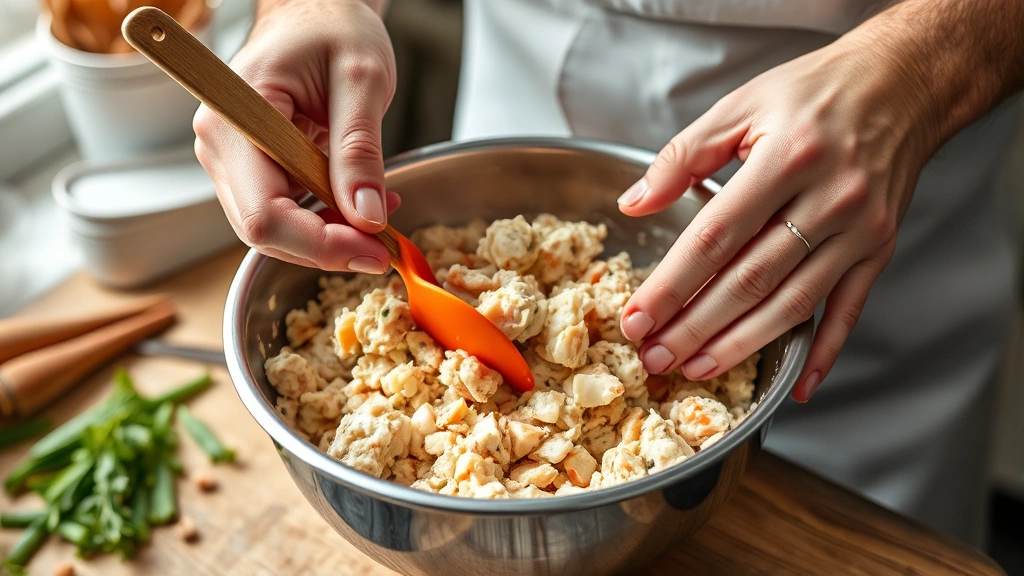
Now here’s the key: fold the crab meat in gently. Don’t stir aggressively or mix with a spoon like you’re making tuna salad. Use a rubber spatula and fold from the bottom up, rotating the bowl as you go. You’re trying to coat each piece of crab without breaking it apart. This should take about 30 seconds, maybe a minute max.
If your filling looks too wet, you added too much mayo. If it’s too dry, add mayo one teaspoon at a time. The consistency should be just moist enough to hold together when you scoop it. Let the mixture chill in the fridge for at least 15 minutes—this helps the flavors meld and makes it easier to work with.
Rolling Technique
Toasting your buns is non-negotiable. Brush the inside of each bun with melted butter and toast them cut-side down in a skillet over medium heat for about 2-3 minutes until they’re golden and crispy. This gives you structural integrity and prevents the roll from getting soggy from the filling.
Once the buns are toasted and still warm, it’s assembly time. Scoop about 3-4 ounces of filling into each bun. Don’t overstuff—it’s tempting, but too much filling makes the roll impossible to eat without it falling apart. The filling should sit neatly in the bun with maybe a quarter-inch of space on each side.
For presentation, I like to sprinkle a tiny pinch of paprika on top and add a lemon wedge on the side. You could also try pairing it with our easy coleslaw recipe for a fresh, crunchy contrast to the rich crab filling.
Cooking Methods
Most traditional crab roll recipes are served cold or at room temperature, which is how I prefer them. The cold crab meat stays tender and the flavors are crisp and bright. Just make sure your filling is chilled before assembling.
That said, some folks like warm crab rolls. If you want to go that route, you can wrap your assembled rolls loosely in foil and warm them in a 300°F oven for about 5-7 minutes. Don’t overdo it or the crab meat gets rubbery. The goal is just to take the chill off while keeping everything tender.
Another option I’ve experimented with: pan-searing the assembled rolls. Heat a skillet with a touch of butter and sear the filled bun for about 30 seconds on each side until it’s golden and crispy. This creates a nice textural contrast, though you need to be quick so the filling doesn’t get too warm.
Sauce and Toppings
The beauty of a solid crab roll recipe is that it doesn’t need much, but the right sauce elevates it. A simple lemon aioli works wonders: whisk together mayo, minced garlic, lemon juice, and a pinch of salt. Drizzle it over the top or serve it on the side for dipping.
If you want something with more kick, try our cilantro sauce recipe for a fresh, herbaceous option. Or go bold with our chipotle guac recipe if you want to add some heat and richness.
For toppings, keep it simple: fresh chives, microgreens, or thinly sliced scallions. Some people add crispy bacon bits or a sprinkle of Old Bay. I’ve even seen folks add a tiny bit of caviar for fancy occasions, though that feels like gilding the lily to me.
Serving and Storage
Serve your crab rolls immediately after assembly, ideally with a cold beer or crisp white wine. They’re best eaten fresh, but if you need to hold them for a bit, wrap them loosely in foil and keep them in the fridge for up to 2 hours.
If you’re meal prepping, store the crab filling separately from the buns. The filling keeps in an airtight container for up to 3 days. Toast your buns fresh when you’re ready to eat. This prevents sogginess and keeps everything tasting its best.
Leftover filling can be repurposed too. Use it as a topping for blackened mahi mahi recipe or mix it into pasta for a quick seafood dinner. Check out our Asian recipes section for inspiration on how to incorporate crab into other dishes.
Troubleshooting Tips
Rolls falling apart? Your buns aren’t toasted enough or your filling is too wet. Toast longer and use less mayo.
Filling tastes bland? Old Bay is your friend, but don’t be afraid to add more lemon juice and a tiny pinch of cayenne. Taste as you go.
Crab meat shredded? You’re mixing too aggressively. Fold gently and keep your hands and tools cold.
Soggy rolls? Your buns aren’t crispy enough or you’re using too much mayo. Increase the heat when toasting and dial back the condiments.
Filling separates? Your crab meat had too much moisture. Always pat it dry with paper towels before mixing.
Frequently Asked Questions
Can I use imitation crab meat for a crab roll recipe?
Technically yes, but I wouldn’t recommend it. Imitation crab is processed and has a rubbery texture that doesn’t hold up well. If budget is tight, use claw meat instead—it’s cheaper than lump but still real crab.
How far in advance can I make crab rolls?
Make the filling up to 3 days ahead, but assemble the rolls no more than 2 hours before serving. Toasting the buns fresh right before assembly makes all the difference.
What’s the difference between a crab roll and a lobster roll?
The main difference is the protein—crab versus lobster. Crab rolls are usually more heavily seasoned with Old Bay, while lobster rolls tend to be simpler with just mayo and lemon. Crab is also more affordable.
Can I freeze crab roll filling?
Yes, freeze it in an airtight container for up to 2 months. Thaw it in the fridge overnight before using. The texture stays pretty good, though the mayo can separate slightly. Just give it a gentle stir before assembling.
What wine pairs well with crab rolls?
A crisp Sauvignon Blanc, Pinot Grigio, or even a dry Riesling works great. The acidity cuts through the richness of the mayo and complements the delicate crab flavor.
Is Old Bay seasoning essential?
It’s traditional and adds authentic flavor, but if you don’t have it, you can substitute with a mix of paprika, celery salt, black pepper, and a tiny bit of cayenne. It won’t be exactly the same, but it’ll work.
Final Thoughts
Nailing a crab roll recipe comes down to three things: quality ingredients, gentle handling, and proper technique. Start with fresh crab meat, don’t overthink the filling, toast your buns, and serve it fresh. You’ll have restaurant-quality rolls that taste a hundred times better than what you’d pay for takeout.
The beauty of making these at home is you control every element. Want more lemon? Add it. Prefer less mayo? Go lighter. Once you’ve made a few batches, you’ll develop your own preferences and tweaks. That’s when you know you’ve truly mastered the craft.


