
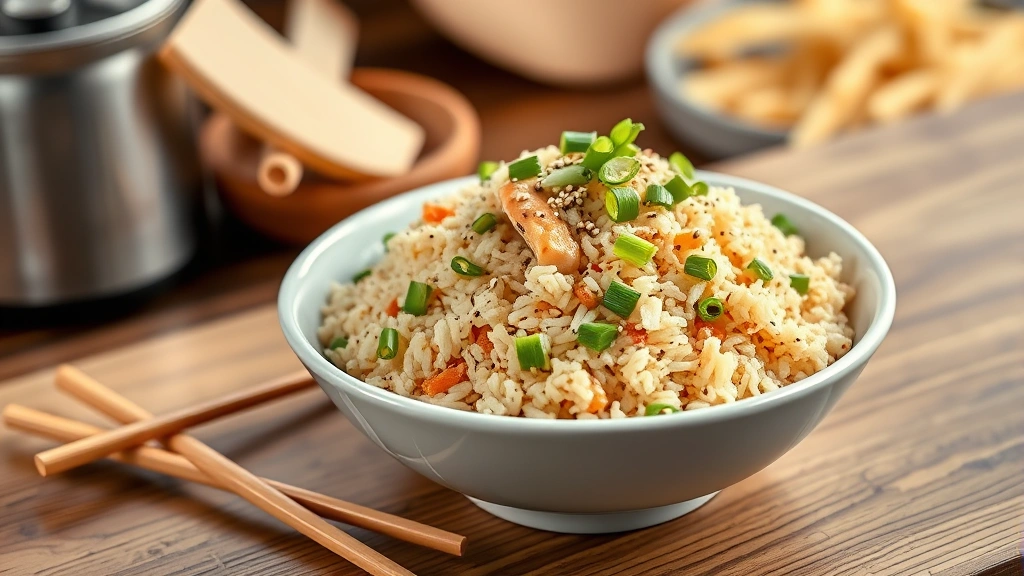
A crab fried rice recipe doesn’t need fancy equipment or hours in the kitchen—you can nail restaurant-quality results in just 15 minutes with the right technique and fresh ingredients. I’ve spent enough time in kitchens to know that fried rice is one of those dishes where timing and temperature matter way more than complicated steps. The secret? Cold rice, high heat, and knowing exactly when to throw everything together.
Table of Contents
Why Cold Rice Matters
Here’s the thing about fried rice that separates home cooks from people who actually know what they’re doing: temperature control. When you use freshly cooked hot rice, you’re fighting moisture. The grains clump together, steam escapes, and you end up with mushy rice instead of those beautiful separated grains that slide around in your pan.
Cold rice—ideally refrigerated overnight—has lost most of its moisture and the grains are firm. When you hit them with high heat, they fry instead of steam. This is the foundation of any great fried rice, whether you’re making a simple version or this Blackstone fried rice recipe for larger batches. If you don’t have leftover rice, cook it fresh, spread it on a sheet pan, and stick it in the freezer for 30 minutes. It’s not perfect, but it’ll work.
Gathering Your Ingredients
For a crab fried rice recipe that serves 4 people, you’ll need:
- 3 cups cold cooked rice (day-old is best)
- 8 ounces lump crab meat (fresh or quality frozen)
- 3 eggs
- 1 cup mixed vegetables (peas, carrots, corn)
- 3 green onions, sliced thin
- 3 cloves garlic, minced fine
- 3 tablespoons soy sauce
- 1 tablespoon oyster sauce
- 1 teaspoon sesame oil
- 2 tablespoons vegetable oil (high smoke point)
- Salt and white pepper to taste
- Optional: 1 teaspoon sugar to balance flavors
The quality of your crab makes a real difference here. Fresh lump crab is ideal, but quality frozen crab works fine—just thaw it completely and drain any liquid. Don’t use the imitation stuff if you can help it. You’re already making this fast, so use real ingredients.
Prep Work Before Cooking
This is where most home cooks lose time. Get everything prepped and in small bowls before you turn on the heat. Fried rice moves fast once you start cooking, and there’s no time to be mincing garlic or slicing green onions when your pan is screaming hot.
Separate your eggs into a bowl and beat them lightly. Mince your garlic—and I mean really fine, not chunky. Slice your green onions, keeping the white and green parts separate (white goes in earlier, green goes in at the end for freshness). If your vegetables are large, dice them smaller so they cook through quickly. This prep work takes maybe 5 minutes, but it’s the difference between smooth cooking and chaos.
Break apart your cold rice with your fingers before cooking. Any clumps that form will mess with your texture. Jasmine rice recipes work particularly well here because the grain structure holds up better during the high-heat cooking process.
The Cooking Technique
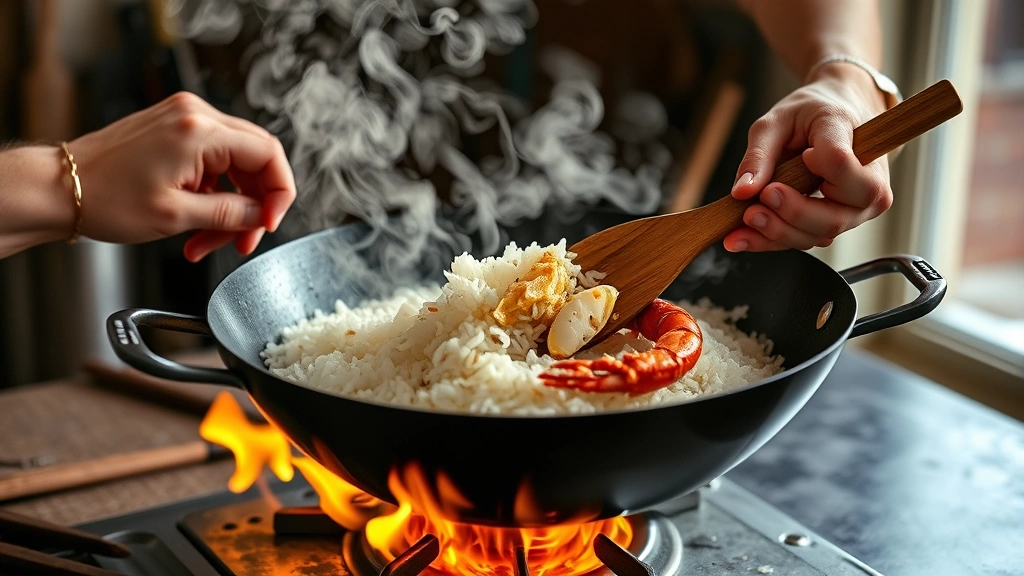
Get your wok or large skillet smoking hot. I’m talking hot enough that a drop of water sizzles and disappears instantly. Add 1 tablespoon of vegetable oil and let it heat for 10 seconds. Pour in your beaten eggs and let them sit for 2-3 seconds before scrambling them. You want them broken into small pieces, not a fluffy omelet. Once they’re set but still slightly wet, push them to the side of the pan.
Add the remaining oil to the empty space. Immediately add your garlic and the white parts of your green onions. You’ve got maybe 10 seconds before garlic burns, so work fast. Add your rice, breaking up any remaining clumps with your spatula. This is where the magic happens—the rice should be making contact with the hot pan surface, not just steaming in the middle.
Keep moving the rice around for 2-3 minutes. You’re looking for some of the grains to get slightly golden and crispy. Add your mixed vegetables and continue cooking for another minute. Everything should be moving constantly—this isn’t a set-it-and-forget-it situation.
Timing the Crab Addition
This is the critical moment. Add your soy sauce, oyster sauce, and sesame oil. Toss everything together for 30 seconds to coat the rice evenly. Now add your crab meat. This is where you need to be gentle—you don’t want to break up those beautiful lumps. Fold the crab in gently and let it warm through for about 45 seconds. Crab is already cooked, so you’re just heating it and letting the flavors meld.
Add the green parts of your green onions and taste. This is your adjustment moment. Need more salt? Add a pinch. Want it more savory? A splash more soy. Too salty? A tiny pinch of sugar balances it out. The whole cooking process from heat to plate should be around 8-10 minutes, leaving you with restaurant-quality results in the time it takes to watch a TV commercial.
Flavor Balance Secrets
The difference between okay fried rice and great fried rice is balance. Soy sauce brings salt and umami. Oyster sauce adds depth and slight sweetness. Sesame oil is the finishing touch that makes people ask what’s different about your version. But these need to work together, not fight each other.
Start with the amounts I listed, but understand that different soy sauces have different salt levels. Taste as you go. If your rice tastes flat, it usually needs more soy or oyster sauce, not salt. If it tastes too heavy, a squeeze of lime juice or a tiny bit of sugar brightens it up. White pepper is better than black pepper here because it distributes more evenly and doesn’t leave visible specks.
The crab itself is sweet and delicate, so you don’t want overpowering flavors. This isn’t the place to go crazy with hot sauce or heavy spices. Let the crab be the star. If you want to try similar flavor-building techniques, check out this cheesy rice recipe which uses different layering methods to build complexity.
Common Mistakes to Avoid
Using hot rice instead of cold rice is mistake number one. You’ll get mushy results every time. Number two is not prepping everything beforehand. You’ll end up with burnt garlic and undercooked vegetables while you’re still chopping. Number three is overcrowding the pan. If you’re cooking for more than 4 people, work in batches. A crowded pan drops temperature and you lose that crucial frying action.
Don’t use low heat thinking it’ll be safer. Fried rice needs heat to work. Don’t add the crab too early or it’ll break apart. Don’t forget to taste and adjust—every stove is different, every brand of soy sauce is different. And for the love of all that’s delicious, don’t use day-old rice that’s been sitting in a sealed container sweating. That rice is too wet. Fresh-cooked, cooled rice works better than rice that’s been sealed and steaming itself.
Scaling for Crowds
This recipe scales beautifully if you’re feeding a crowd. The key is working in batches rather than trying to fit everything in one pan. A 14-inch wok can handle about 4 cups of cooked rice comfortably. Beyond that, you lose heat and texture. So for 8 people, make two batches. It takes 15 minutes per batch, so you’re done in 30 minutes total, and every batch tastes perfect instead of the last batch being mediocre.
When scaling, keep your crab ratio at about 2 ounces per cup of rice. This keeps the dish balanced and prevents it from becoming a crab vehicle instead of a rice dish. If you’re cooking on a Blackstone griddle instead of a wok, you can increase batch size slightly because of the larger cooking surface, similar to what’s described in this Blackstone fried rice recipe.
Ingredient Variations
The base technique stays the same, but you can swap elements based on what you have or what you’re craving. Shrimp works beautifully with the same cooking approach. Scallops need less cooking time—add them in the last 30 seconds. If you want to add vegetables beyond the standard mix, keep them small and remember that harder vegetables like broccoli need to be pre-cooked slightly before adding to the pan.
Some people like adding a beaten egg at the very end for richness. Others throw in cashews or peanuts for texture. A tiny bit of white miso paste mixed into your soy sauce adds incredible umami depth. The beauty of fried rice is that once you understand the core technique, you can build on it. Just remember that every addition changes the cooking time slightly, so adjust your heat and timing accordingly.
Frequently Asked Questions
Can I make this crab fried rice recipe ahead of time?
Fried rice is best eaten immediately after cooking, but you can prep everything beforehand and cook it fresh when you’re ready to eat. If you have leftovers, store them in an airtight container in the fridge for up to 3 days. Reheat in a hot pan with a splash of water to add back moisture. It won’t be quite as good as fresh, but it’s still solid comfort food.
What type of rice works best for fried rice?
Long-grain white rice is the standard, and jasmine rice is excellent for this application. Short-grain rice tends to be stickier and doesn’t fry as well. Brown rice works but requires longer cooking time and slightly more oil. Avoid arborio or sushi rice—they’re too sticky and designed for different applications.
Can I use frozen crab instead of fresh?
Absolutely. Quality frozen lump crab is often just as good as fresh. Thaw it completely in the refrigerator (not on the counter) and drain any liquid before using. Check for shell fragments by running your fingers through it gently before adding to the pan.
Why is my fried rice mushy?
Almost always because you used hot or warm rice, or your rice was too wet to begin with. The rice grains need to be separate and dry. If you’re in a time crunch and don’t have day-old rice, spread fresh cooked rice on a sheet pan and freeze it for 20-30 minutes before cooking. It won’t be perfect, but it’s better than mushy results.
Can I make this without a wok?
Yes. A large skillet works fine, though you won’t get quite the same heat concentration. The cooking time might be slightly longer, and you’ll need to work in smaller batches to maintain temperature. Cast iron is excellent for fried rice because it holds heat well and develops great flavor.
How do I know when the rice is properly fried?
You should see some of the grains with slight golden edges, and you should hear a gentle crackling sound as the rice moves in the pan. The rice should be hot, the grains should be separate and distinct, and it should smell toasted and delicious—not steamed or mushy.
What’s the best way to store leftover crab fried rice?
Let it cool to room temperature, then transfer to an airtight container and refrigerate for up to 3 days. Don’t leave it sitting at room temperature for more than 2 hours. When reheating, add a splash of water and use medium-high heat in a skillet or wok, stirring frequently until warmed through.
The Bottom Line
A crab fried rice recipe is one of those dishes that looks intimidating but becomes second nature once you understand the core principles: cold rice, high heat, proper prep, and timing. You’re not doing anything complicated here. You’re just applying heat and technique to good ingredients and getting out of the way. The whole thing takes 15 minutes, tastes like you spent hours in a restaurant kitchen, and honestly tastes better because you made it yourself. Start with this base recipe, nail the technique, and then experiment with variations once you’ve got the fundamentals down. That’s how you go from following recipes to actually cooking.


