

A proper crab bisque recipe is one of those dishes that separates the home cook from someone who actually knows their way around a kitchen. This isn’t just soup—it’s liquid gold, the kind of thing that makes people lean back from the table and ask for seconds. I’ve made this stuff hundreds of times, and I’m going to walk you through exactly how to nail it.
Table of Contents
Ingredients Matter Most
You can’t make a great crab bisque recipe with mediocre crab. This is non-negotiable. Get fresh crab—live if you can find it, or at minimum, recently frozen. I prefer buying whole crabs and breaking them down myself because you get the shells for stock, which is the backbone of everything that follows.
Here’s what you’ll need:
- 2 lbs fresh crab (live or high-quality frozen)
- 4 tablespoons unsalted butter
- 1 medium onion, diced
- 2 carrots, diced
- 2 celery stalks, diced
- 3 cloves garlic, minced
- ¼ cup tomato paste
- ¼ cup brandy or cognac (optional but recommended)
- 6 cups crab or seafood stock
- 1 cup heavy cream
- 3 tablespoons all-purpose flour
- Salt, white pepper, cayenne to taste
- Bay leaf
- Fresh thyme sprigs
The quality of your stock matters enormously. If you’re buying pre-made stock, get the good stuff from a seafood market, not the grocery store shelf. Better yet, make your own from the crab shells—it takes an extra hour but transforms the entire dish.
Prep Work Is Your Foundation
Here’s where most home cooks cut corners, and here’s where they fail. Mise en place—get everything prepped and ready before you start cooking. Dice your onion, carrots, and celery into roughly quarter-inch pieces. Mince your garlic. Measure out your stock. Have your cream ready. This isn’t busywork; it’s the difference between a smooth cooking process and a panicked scramble.
If you’re using live crabs, you’ll need to humanely dispatch them. The fastest, cleanest method is chilling them in the freezer for 15 minutes to make them unconscious, then splitting them down the center with a sharp knife. It’s not pleasant, but it’s quick and merciful. Remove the meat carefully, keeping the shells intact for stock.
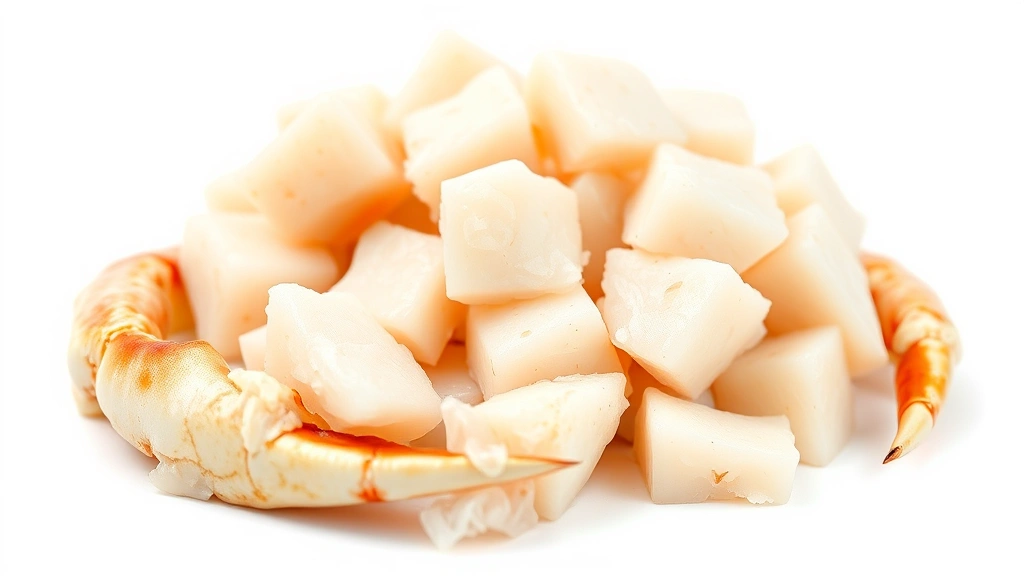
For the crab meat itself, pick out every bit you can and set it aside. You want roughly 1 pound of usable meat from your 2 pounds of whole crab. Don’t skip this step—broken shell fragments in your bisque will ruin the whole experience.
Building the Flavor Base
Heat your butter in a large, heavy-bottomed pot over medium heat. Once it’s foaming, add your diced onion, carrot, and celery. This is your mirepoix, the holy trinity of French cooking. Cook it low and slow for about 8 minutes, stirring occasionally. You’re not trying to brown it hard—just soften it and let it release its flavors into the butter.
Add your minced garlic and cook for another minute. You’ll smell it immediately—that’s when you know it’s right. Now add your tomato paste. Stir it into the vegetables and cook for 2-3 minutes. This step is called “burning” the tomato paste, and it deepens the flavor significantly. Don’t be shy about it—a little color development here pays dividends later.
If you’re using brandy, pour it in now. Let it simmer for 2-3 minutes so the alcohol cooks off and the flavor mellows into the base. If you’re skipping the brandy, no problem—the bisque will still be excellent.
Making the Perfect Roux
This is the technical heart of your crab bisque recipe. A roux is just butter and flour cooked together, but getting it right separates restaurant-quality soup from the mediocre stuff. Sprinkle your flour over the vegetables and stir constantly for 3-4 minutes. You’re cooking out the raw flour taste and creating a paste that’ll thicken your bisque.
The color should be a light tan, almost blonde. Don’t let it go dark brown—that’s a brown roux for gumbo, not what we want here. If you burn it, start over. Seriously. A burnt roux will taste bitter and ruin everything you’ve built so far.
The roux should smell nutty and pleasant, like toasted flour. When it smells right and looks right, you’re ready for the next step.
Adding Crab Stock
Here’s where patience matters. Slowly pour in your crab stock while whisking constantly. Don’t dump it all in at once or you’ll get lumps. Add it gradually—maybe a cup at a time—whisking between additions. This incorporates the roux smoothly and prevents clumping.
Once all the stock is incorporated, add your bay leaf and thyme sprigs. Bring the whole pot to a gentle simmer and cook for 15-20 minutes. During this time, the flavors meld together and the soup develops body. Skim off any foam that rises to the surface—this is impurities and will make your bisque cloudy if you leave it.
While that’s simmering, you can make a quick crab shell stock if you haven’t already. Roast your crab shells in a 400°F oven for 15 minutes until they’re slightly darkened, then simmer them in water with aromatics for 45 minutes. Strain and use this instead of store-bought stock for maximum flavor. It’s an extra step, but your bisque will taste noticeably better.
Cream and Final Seasoning
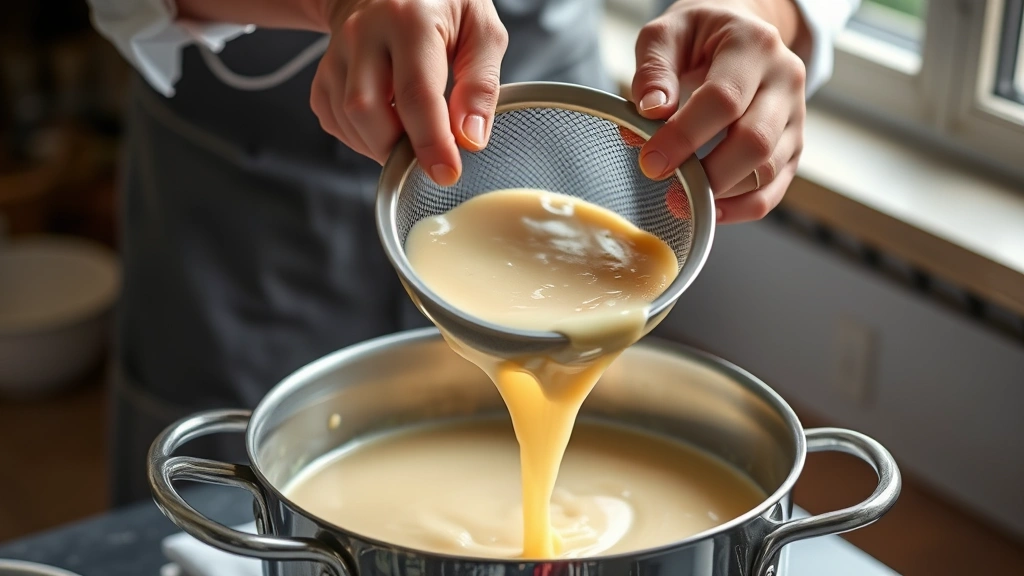
After 20 minutes of simmering, remove the bay leaf and thyme sprigs. Strain the soup through a fine-mesh sieve into another pot, pressing the vegetables gently to extract all their flavor. Discard the solids.
Return the strained bisque to your cleaned pot. Stir in your heavy cream slowly. Add it gradually while stirring—cream can sometimes break if added too quickly to hot liquid. Once it’s incorporated, taste it.
Now comes the seasoning. Add salt gradually—a quarter teaspoon at a time. Taste between additions. Add white pepper (better than black for color consistency in bisque), and just a pinch of cayenne. The cayenne shouldn’t make it spicy; it should just add depth and warmth.
Fold in your reserved crab meat gently. Don’t stir aggressively or you’ll break up the meat into tiny pieces. You want visible chunks of crab in there—that’s what makes it bisque and not just cream soup.
Straining Like a Pro
Professional bisques are strained twice for ultimate smoothness. After you’ve added the cream and crab, strain the whole thing through cheesecloth or a very fine sieve one more time. This removes any remaining shell fragments and gives you that silky, refined texture that separates homemade from restaurant-quality.
If you want an even more luxurious texture, push the bisque through a fine sieve using the back of a ladle. Work slowly and don’t force it. This takes 10 minutes but creates a bisque so smooth it coats the spoon.
Serving Your Masterpiece
Serve your bisque hot in warmed bowls. A dollop of crème fraîche on top with a sprinkle of fresh chives or tarragon looks professional and tastes incredible. If you want to go fancy, add a small crab claw on the rim or a drizzle of truffle oil.
Pair it with something like cherry tomato recipes as a light starter course, or serve it as the main event with crusty bread and a crisp white wine. The bisque is rich enough to stand alone, though.
Temperature matters here. Bisque should be steaming but not boiling. If it boils, the cream can separate and you’ll get a grainy texture. Keep it at a gentle simmer if you’re holding it for service.
Storage and Reheating
Bisque keeps beautifully in the refrigerator for 3-4 days in an airtight container. The flavors actually improve slightly as it sits. To reheat, use a double boiler or very low heat on the stovetop, stirring frequently. Never use high heat—that’ll break the cream and ruin the texture.
You can also freeze bisque for up to 2 months, though the texture becomes slightly less silky after thawing. If you freeze it, leave out the cream and add it fresh after reheating. This preserves the quality better than freezing it already combined.
For meal prep, this pairs well with other cooking projects. Make a batch while you’re learning how long to steam asparagus for a side course, or prepare it the day before you’re making how to make apple sauce for dessert.
Frequently Asked Questions
Can I make this without brandy?
Absolutely. The brandy adds complexity and depth, but it’s not essential. If you skip it, add an extra tablespoon of tomato paste and maybe a splash of lemon juice at the end to brighten the flavors. The bisque will still be delicious.
What if I can’t find fresh crab?
High-quality frozen crab works fine. Thaw it completely and pat it dry before using. The flavor will be nearly identical to fresh. Canned crab is a last resort—it works, but the texture and flavor are noticeably diminished. If you must use canned, get the lump meat version, not the flaked stuff.
Can I use a food processor to make this faster?
You can pulse your vegetables in a food processor, but don’t overdo it. You want roughly diced pieces, not a paste. Overprocessing releases too much liquid from the vegetables and can make the bisque watery. A sharp knife and a cutting board take five extra minutes but give you better results.
Why is my bisque grainy?
Graininess usually means the cream broke from high heat or from being added too quickly to hot liquid. Next time, temper your cream by slowly adding small amounts of hot bisque to it first, then adding the warmed cream to the pot. Or simply add the cream to a cooler bisque and reheat gently.
How do I make it less rich?
Reduce the cream to half a cup and add another cup of stock instead. You’ll get a lighter bisque with the same flavor. Some people also add a splash of dry sherry instead of cream for a completely different but equally delicious version.
Can I use imitation crab?
Technically yes, but why would you? The whole point of a crab bisque recipe is the crab flavor. Imitation crab is mostly starch and fish paste. If budget is tight, make a seafood bisque with shrimp instead—it’ll taste better than bisque made with fake crab.
What’s the difference between bisque and chowder?
Bisque is strained smooth and creamy, with no visible chunks except the protein. Chowder is chunky with visible vegetables and seafood. Both are delicious, but they’re different dishes. This recipe is pure bisque.
Making a restaurant-quality crab bisque recipe at home isn’t as hard as it seems. It just requires decent ingredients, proper technique, and patience. You’ve got this.


