
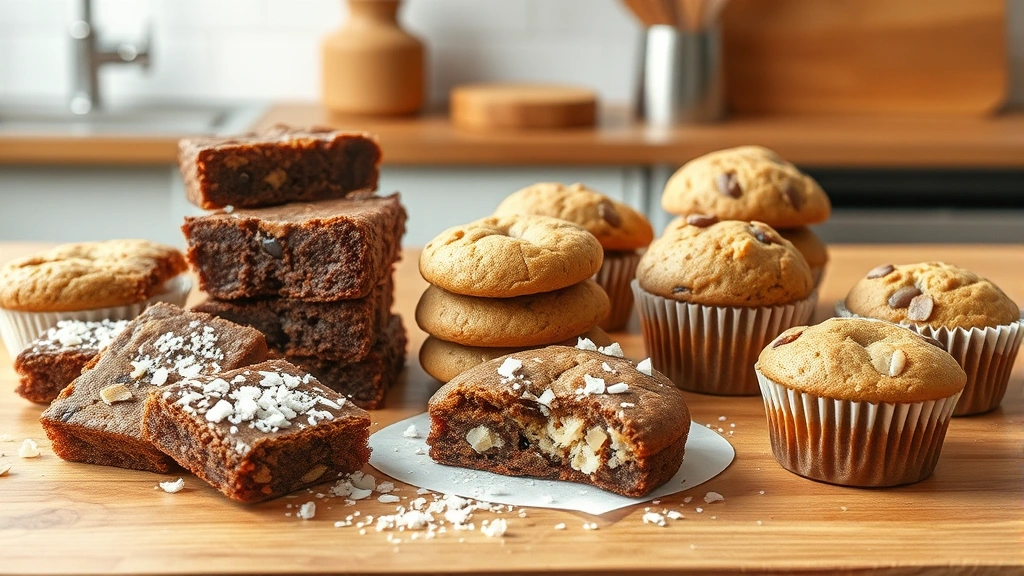
Coconut flour recipes are game-changers for anyone ditching gluten or just wanting to bake smarter. This stuff isn’t your average flour substitute—it’s a whole different beast that requires finesse, but once you crack the code, you’ll be whipping up treats that rival anything made with wheat flour. I’ve spent enough time in the kitchen wrestling with coconut flour to know exactly what works and what doesn’t, so let me walk you through the essentials.
Table of Contents
Why Coconut Flour Matters
Here’s the thing about coconut flour recipes—they’re not just for people avoiding gluten. This ingredient brings something special to the table: natural sweetness, moisture retention, and a subtle coconut flavor that complements almost everything. Coconut flour is made from dried, ground coconut meat after the oil’s been extracted, making it incredibly dense and absorbent. One cup of regular flour doesn’t equal one cup of coconut flour. That’s where most home bakers trip up. You’ll use about one-quarter the amount of coconut flour compared to wheat flour, but you’ll need to boost your liquid content significantly. The protein content is also higher, which means your baked goods will have better structure and won’t crumble apart like some gluten-free alternatives.
Understanding the Basics
Before diving into specific coconut flour recipes, let’s talk mechanics. Coconut flour absorbs liquid like a sponge—we’re talking roughly three times its weight in liquid. This is crucial information. If you ignore this, you’ll end up with dense, dry bricks instead of tender treats. The flour also lacks gluten, so it won’t develop the same structure as wheat-based baking. That means you need eggs or binding agents to hold everything together. Most successful coconut flour recipes rely on eggs for structure and moisture. The fat content matters too—coconut oil, butter, or other fats help create that tender crumb you’re after. Temperature control is another critical factor. Coconut flour browns faster than regular flour, so you might need to lower your oven temperature by 25 degrees and watch your baking time carefully.
Essential Baking Ratios
Let me give you the golden ratios that make coconut flour recipes actually work. For every one cup of coconut flour, use three to four cups of liquid (milk, eggs, or a combination). For cookies and denser items, aim for three cups liquid per cup flour. For cakes and lighter items, go closer to four cups. A good starting point for most recipes is one cup coconut flour, six to eight eggs, one-half cup melted butter or coconut oil, and one-half to three-quarters cup liquid (milk or water). Add one and one-half teaspoons baking powder per cup of coconut flour to help with rise. Sugar amounts can stay similar to regular recipes, though you might reduce slightly since coconut flour has natural sweetness. Salt is important—use one-quarter teaspoon per cup of flour to balance flavors. These ratios are your foundation. Once you understand them, you can adapt almost any recipe.
Fudgy Coconut Flour Brownies
Brownies are where coconut flour really shines. The dense nature of the flour creates that fudgy texture people crave. Here’s what you need: one-half cup coconut flour, one-half cup unsweetened cocoa powder, one cup sugar, one-half cup melted butter, six eggs, one-quarter cup milk, two teaspoons vanilla extract, one and one-half teaspoons baking powder, and one-half teaspoon salt. Mix your dry ingredients first—flour, cocoa, baking powder, salt. In another bowl, whisk together melted butter, eggs, sugar, milk, and vanilla until smooth. Combine wet and dry, stir until no lumps remain. Pour into a greased 8×8 inch pan. Bake at 325 degrees for 25 to 30 minutes. The center should jiggle slightly when you shake the pan—that’s how you know they’re perfectly fudgy. Let them cool completely before cutting. These brownies improve after a day, so make them ahead if you can.
Perfect Chocolate Chip Cookies
Chocolate chip cookies made with coconut flour have a different texture than traditional versions—they’re more cake-like but still delicious. You’ll need one-quarter cup coconut flour, one-half cup softened butter, one-half cup sugar, one-quarter cup brown sugar, two eggs, one teaspoon vanilla, one-half teaspoon baking soda, one-quarter teaspoon salt, and one cup chocolate chips. Cream your butter and sugars together until fluffy—this takes about three minutes with an electric mixer. Add eggs one at a time, then vanilla. In a separate bowl, whisk together coconut flour, baking soda, and salt. Fold the dry mixture into the wet mixture gently. Stir in chocolate chips. Drop spoonfuls onto a parchment-lined baking sheet, spacing them about two inches apart. Bake at 325 degrees for 12 to 15 minutes until the edges are set but centers still look slightly underdone. They’ll firm up as they cool. This recipe makes about 18 cookies.
Banana Bread Magic
Banana bread is one of the easiest coconut flour recipes to master because bananas provide natural moisture and sweetness. Mash three ripe bananas (the browner the better for sweetness) and combine with one-third cup melted coconut oil, one-half cup honey or maple syrup, and four eggs. Whisk until smooth. In another bowl, combine one-half cup coconut flour, one teaspoon baking powder, one-half teaspoon baking soda, one-half teaspoon salt, and one teaspoon cinnamon. Fold the dry ingredients into the wet ingredients until just combined—don’t overmix. Pour into a greased loaf pan. Bake at 325 degrees for 50 to 60 minutes until a toothpick inserted in the center comes out clean. The top should be golden brown. Let it cool in the pan for 10 minutes before turning out onto a wire rack. This bread keeps well for three days at room temperature or up to a week refrigerated.
Pancake Perfection
Breakfast pancakes made with coconut flour are fluffier than you’d expect. Mix one-quarter cup coconut flour, one tablespoon sugar, one teaspoon baking powder, and one-quarter teaspoon salt in a bowl. In another bowl, whisk together one-half cup milk (dairy or non-dairy works), three eggs, one tablespoon melted butter, and one-half teaspoon vanilla. Combine wet and dry ingredients, stirring until you have a thick batter—it should be thicker than traditional pancake batter. Heat a griddle or skillet over medium heat and lightly butter it. Pour one-quarter cup batter per pancake and cook for two to three minutes until edges look set. Flip and cook another one to two minutes until golden. The key is patience—don’t flip too early or they’ll fall apart. These pancakes pair beautifully with fresh berries, maple syrup, or Greek yogurt. This recipe makes about 8 pancakes.
Muffin Varieties Worth Making
Muffins are incredibly forgiving with coconut flour recipes. Start with a basic formula: one-half cup coconut flour, one-half cup sugar, one and one-half teaspoons baking powder, one-quarter teaspoon salt, one-third cup melted butter or coconut oil, four eggs, one-quarter cup milk, and one teaspoon vanilla. From here, you can add almost anything. Blueberry muffins? Fold in one cup fresh or frozen blueberries. Pumpkin spice? Add one-half cup pumpkin puree and one teaspoon pumpkin pie spice. Lemon poppy seed? Add two tablespoons poppy seeds and the zest of two lemons plus one tablespoon lemon juice. Mix dry ingredients, combine wet ingredients separately, then fold together. Divide among greased muffin cups, filling each about three-quarters full. Bake at 325 degrees for 18 to 22 minutes until a toothpick comes out clean. This base recipe makes 12 muffins.
Troubleshooting Tips
Your coconut flour recipes aren’t working? Let’s diagnose the problem. If your baked goods are too dry, you need more liquid—add an extra egg or one-quarter cup more milk next time. If they’re too dense, you might be overmixing or your baking powder is old. Gentle folding is key, and always check your leavening agents’ expiration dates. If the edges brown too quickly while the center stays raw, lower your oven temperature another 25 degrees and bake longer. If your cookies spread too much, your butter was too warm or you didn’t use enough eggs. If your batter seems lumpy, blend it briefly with an immersion blender or whisk more aggressively—lumps won’t incorporate during baking. If your baked goods taste too coconutty, use refined coconut oil instead of virgin, or reduce the amount slightly. Remember, coconut flour recipes are forgiving once you understand the principles. Most problems have simple solutions.
Storage Solutions
Proper storage keeps your coconut flour creations fresh longer. Store baked goods in an airtight container at room temperature for up to three days. Most items actually improve on day two as flavors develop and texture settles. For longer storage, freeze baked goods in freezer bags for up to three months. Thaw at room temperature before serving. Raw batter can be refrigerated for up to 24 hours in an airtight container—just stir before using, as separation may occur. Coconut flour itself should be stored in an airtight container in a cool, dark place. It lasts about two years unopened and roughly one year after opening if kept cool and dry. If you notice any off smells or mold, discard it. Keeping coconut flour in the freezer extends its shelf life considerably. Label everything with dates so you know what you’re working with.
Frequently Asked Questions
Can I substitute coconut flour for regular flour one-to-one?
Absolutely not. Coconut flour is about four times as absorbent as regular flour. You’ll use roughly one-quarter cup coconut flour for every cup of regular flour called for, but you’ll need to increase liquid content significantly—usually by three to four times the flour amount. Always follow tested coconut flour recipes rather than converting traditional ones directly.
Is coconut flour really gluten-free?
Yes, coconut flour is naturally gluten-free. It’s made from coconut meat, which contains no gluten. However, always check packaging to ensure it wasn’t processed in a facility with gluten cross-contamination if you have celiac disease or severe gluten sensitivity.
Why do my coconut flour recipes taste too coconutty?
You’re likely using virgin or unrefined coconut oil, which has a stronger coconut flavor. Switch to refined coconut oil for more neutral taste. You can also reduce the amount of coconut flour slightly or add more vanilla and spices to mask the coconut flavor if you prefer.
What’s the best liquid to use in coconut flour recipes?
Eggs are your best friend in coconut flour recipes—they provide moisture, structure, and binding power. For additional liquid, use milk (dairy or non-dairy), water, or broth depending on the recipe. Avoid using only water, as it doesn’t provide the richness that coconut flour needs.
Can I make coconut flour recipes without eggs?
It’s challenging but possible. Eggs provide crucial binding and moisture. If you must avoid eggs, use flax eggs (one tablespoon ground flaxseed mixed with three tablespoons water per egg) or chia eggs, but expect slightly different texture. You may need to add extra liquid as well.
Why are my coconut flour recipes dense and dry?
The most common culprit is insufficient liquid. Coconut flour absorbs moisture like crazy, so most recipes need more liquid than you’d expect. Also ensure you’re not overbaking—check for doneness a few minutes earlier than traditional recipes suggest. Dense texture can also result from overmixing, which develops too much structure.


