
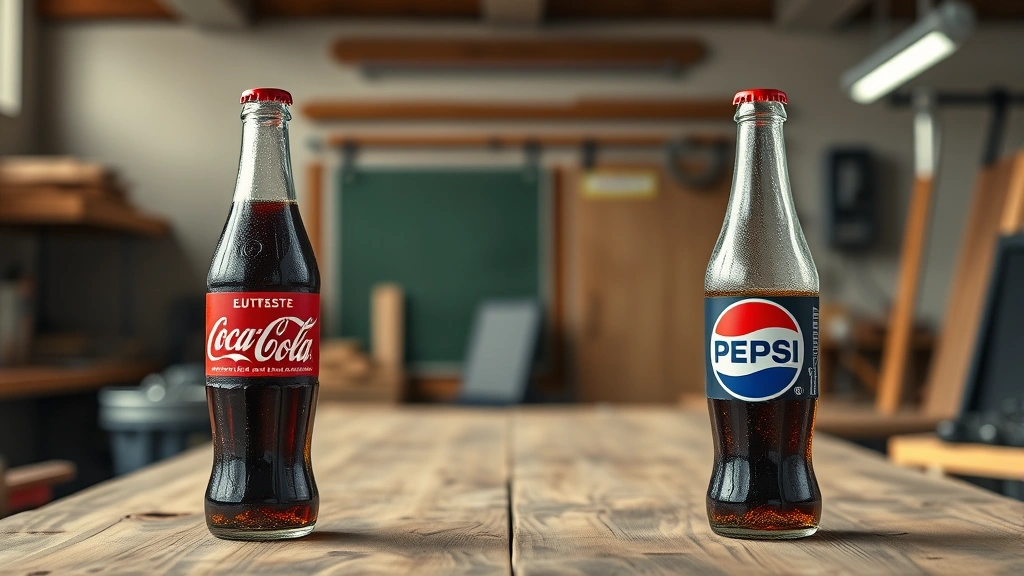
When it comes to understanding coca cola and pepsico recipe changes, you’re diving into one of the most fascinating—and sometimes controversial—stories in beverage history. These two giants have constantly tweaked their formulas over decades, and whether you’re a die-hard cola fan or just curious about what’s really in your favorite drink, knowing the history behind these changes is genuinely eye-opening. Let’s break down what actually happened, why these companies made their moves, and what it all means for you as a consumer.
Table of Contents
Coca-Cola’s Formula Evolution
Back in 1886, when John Pemberton first concocted Coca-Cola in Atlanta, the recipe was radically different from what you’re drinking today. The original formula actually contained cocaine—yes, really—derived from coca leaf extract. By the early 1900s, Coca-Cola removed the coca alkaloid but kept the coca leaf flavoring (minus the drug). This wasn’t some secret tweak; it was a legitimate adjustment as regulations tightened.
Throughout the 20th century, Coca-Cola made subtle modifications to their formula. The company adjusted sweetener ratios, modified carbonation levels, and refined the spice blend that gives Coke its distinctive taste. Most of these changes were so gradual that consumers barely noticed. The company kept their exact formula locked away like Fort Knox, claiming it was a trade secret worth billions. Whether that’s true or just brilliant marketing remains debatable.
In the 1980s, Coca-Cola faced serious competition from Pepsi’s aggressive marketing campaigns. The “Pepsi Challenge” was eating into their market share, and executives got nervous. This anxiety led to one of the biggest blunders in corporate history: New Coke.
Pepsi’s Recipe Strategy
PepsiCo took a different approach to their beverage strategy. Rather than obsessing over a single flagship formula, Pepsi embraced variety and innovation. They introduced Pepsi-Cola in 1893 (originally as “Brad’s Drink”), and from the start, it was positioned as a competitor to Coca-Cola’s dominance.
Throughout the decades, Pepsi made calculated recipe adjustments to compete directly with Coke. They tweaked sweetness levels, adjusted citrus notes, and experimented with different carbonation profiles. The brilliant part? Pepsi wasn’t afraid to tell consumers about these changes. They marketed their reformulations as improvements, creating buzz rather than hiding the modifications.
PepsiCo also diversified their portfolio aggressively. While Coca-Cola focused primarily on their core cola, Pepsi expanded into Tropicana, Gatorade, Aquafina, and dozens of other beverages. This diversification strategy meant they could afford to take more risks with their main cola formula because they weren’t betting their entire company on one product.
The New Coke Disaster
Let’s talk about the elephant in the room: New Coke, launched in 1985. Coca-Cola’s executives, terrified by Pepsi’s gains, decided to reformulate their entire product. They spent four years and millions of dollars developing a sweeter, smoother cola designed to beat Pepsi in blind taste tests.
The problem? Consumers absolutely hated it. Within 79 days, Coca-Cola pulled New Coke from shelves and reintroduced the original formula as “Coca-Cola Classic.” This wasn’t just a failure; it was a spectacular, humiliating, public failure that became a case study in business schools worldwide.
What’s fascinating is that New Coke actually tasted better to many people in blind taste tests. But taste isn’t just about flavor—it’s about emotion, memory, and brand loyalty. Coca-Cola had messed with something sacred, and consumers let them know it. This debacle taught both companies a crucial lesson: your formula isn’t just a recipe; it’s part of your brand identity.
Modern Ingredient Substitutions
Today’s cola recipe changes are more subtle but equally significant. The biggest shift has been moving away from high-fructose corn syrup (HFCS) toward sugar in many markets. This wasn’t driven by taste preferences alone—it was driven by consumer perception and health concerns.
In the United States, Coca-Cola and Pepsi still primarily use HFCS in their standard formulas because it’s cheaper and keeps products shelf-stable longer. However, both companies now offer “cane sugar” versions in select markets. These aren’t just marketing gimmicks; they’re actual formula changes that affect taste, mouthfeel, and how your body processes the beverage.
Both companies have also experimented with artificial sweeteners. Diet Coke and Diet Pepsi went through multiple reformulations as they phased out aspartame and introduced new sweetener blends. Coca-Cola Zero Sugar, launched in 2005, represented a major reformulation effort—a diet cola designed to taste closer to regular Coke than previous diet versions.
The ingredient substitution game extends beyond sweeteners. Both companies have adjusted their citric acid ratios, modified their phosphoric acid content, and tweaked their caramel coloring formulas to comply with changing regulations and consumer preferences.
Why We Taste Differences
Here’s where psychology meets chemistry. When Coca-Cola changed their formula even slightly, millions of people reported tasting dramatic differences—even when they hadn’t actually tried the new version yet. This is the power of expectation bias.
Your brain doesn’t just taste with your taste buds; it tastes with your expectations, memories, and emotions. If you expect a cola to taste different, your brain will often find differences that may not actually exist. This is why blind taste tests often produce completely different results than open-label tastings.
That said, some formula changes are genuinely noticeable. Switching from HFCS to cane sugar actually does change the mouthfeel and aftertaste. Adjusting carbonation levels definitely affects how the beverage feels on your tongue. Modifying the spice blend alters the finish. These aren’t imaginary differences—they’re real chemical changes that your sensory system can detect.
Health-Conscious Reformulations
Both Coca-Cola and PepsiCo have reformulated their products in response to health concerns. The obesity epidemic and growing awareness of sugar’s effects on health have forced these companies to innovate.
Coca-Cola launched Coca-Cola Zero Sugar as a direct response to criticism that Diet Coke tasted nothing like regular Coke. The reformulation involved adjusting sweetener blends, modifying carbonation, and tweaking the flavor profile to mirror regular Coke more closely. It’s a genuinely different product from Diet Coke, not just a rebrand.
PepsiCo took a similar approach with Pepsi Zero Sugar. They also introduced smaller portion sizes and reformulated their beverages to reduce sodium content. The company even experimented with stevia-sweetened versions in certain markets, though these never achieved mainstream success.
These health-conscious reformulations represent a fundamental shift in how beverage companies approach recipe development. They’re no longer just chasing taste preferences; they’re trying to balance taste with nutritional profiles that won’t get them sued or boycotted.
Regional Recipe Variations
Here’s something most people don’t realize: the Coca-Cola you drink in Mexico tastes different from the Coca-Cola you drink in the United States. This isn’t paranoia—it’s intentional regional reformulation.
In Mexico, Coca-Cola uses cane sugar instead of HFCS, which gives it a noticeably different taste profile. In Europe, both Coca-Cola and Pepsi adjust their formulas to comply with different regulations and match local taste preferences. In India, both companies reformulated their products to account for local water mineral content and cultural taste preferences.
These regional variations aren’t accidents or quality control issues. They’re deliberate business decisions made to optimize each product for its specific market. A formula that crushes it in the American South might completely flop in Southeast Asia, so both companies maintain multiple versions of their flagship products.
Consumer Reactions Matter
The New Coke disaster taught both companies that consumer perception matters more than objective taste quality. Since then, both Coca-Cola and PepsiCo have been extremely careful about how they communicate formula changes.
When Coca-Cola reformulated Diet Coke in 2018, introducing new flavors and a new sweetener blend, they didn’t pretend it was the same product. They marketed it as an evolution and improvement. When Pepsi reformulated their diet cola, they did something similar—they owned the change rather than hiding it.
Social media has amplified consumer voices dramatically. If either company makes a noticeable formula change today, consumers will post about it within hours. Both companies monitor these conversations obsessively and adjust their messaging accordingly. In some cases, they’ve even rolled back changes when consumer backlash became too intense.
This feedback loop has actually improved product development. Both companies now conduct extensive consumer testing before rolling out formula changes, and they’re more transparent about what they’re changing and why. It’s not altruism—it’s enlightened self-interest based on learning from past disasters.
What’s Next for Cola Giants
Looking forward, expect both Coca-Cola and PepsiCo to continue reformulating their products in response to health trends, regulatory changes, and consumer preferences. The big trends to watch are:
Plant-based sweeteners: Both companies are investing heavily in stevia, monk fruit, and other natural sweeteners. These don’t have the aftertaste issues that plagued earlier versions, so expect more products using these ingredients.
Functional beverages: Adding vitamins, minerals, and adaptogens to cola products is the next frontier. Coca-Cola is already experimenting with this through their Coca-Cola Plus line, which includes added fiber.
Reduced sugar formulations: Both companies will continue developing products with less sugar but without sacrificing taste. This is genuinely difficult from a chemistry perspective, but it’s where consumer demand is heading.
Sustainability-focused recipes: Expect reformulations designed to reduce environmental impact, including changes to how ingredients are sourced and processed.
The fundamental truth is that coca cola and pepsico recipe changes aren’t random—they’re strategic responses to market forces, regulatory pressure, and consumer demand. Understanding this helps you make informed choices about what you’re actually drinking.
Frequently Asked Questions
Did Coca-Cola really remove cocaine from their formula?
Yes. The original 1886 Coca-Cola formula contained coca leaf extract, which included cocaine. By the early 1900s, as regulations tightened and the dangers of cocaine became clear, Coca-Cola removed the coca alkaloid. They kept the coca leaf flavoring (which doesn’t contain cocaine) because it contributes to the taste profile. This is one of the most significant recipe changes in the company’s history, though it’s rarely discussed in official company materials.
Is Pepsi actually sweeter than Coke?
Pepsi is slightly sweeter than Coca-Cola, and this difference is intentional. Pepsi’s formula was designed to win in blind taste tests where sweetness often scores higher. However, Coca-Cola’s more complex flavor profile (with citrus and spice notes) often wins in open-label tastings where brand loyalty and expectations influence perception. The difference is real, but whether it matters is entirely subjective.
Why does Mexican Coke taste better?
Mexican Coca-Cola uses cane sugar instead of high-fructose corn syrup, which gives it a different mouthfeel and aftertaste. Many people prefer this version because cane sugar dissolves differently on the tongue and doesn’t leave the same chemical aftertaste that HFCS can produce. This isn’t subjective—it’s a genuine chemical difference that your taste buds can detect.
Will Coca-Cola ever go back to the original formula?
Almost certainly not. The original formula contained ingredients that are now regulated or banned, and consumer preferences have shifted dramatically. Coca-Cola Classic (the formula they reintroduced after the New Coke disaster) is actually slightly different from the pre-1985 formula. The company has moved forward, not backward, and that’s unlikely to change.
Do diet sodas taste different because of sweetener changes?
Yes, absolutely. Diet Coke has gone through multiple sweetener reformulations, and each one changed the taste noticeably. The transition from aspartame to a blend of aspartame and acesulfame potassium altered the aftertaste significantly. Coca-Cola Zero Sugar uses a completely different sweetener blend, which is why it tastes closer to regular Coke than Diet Coke does. These aren’t minor tweaks—they’re substantial formula changes.


