
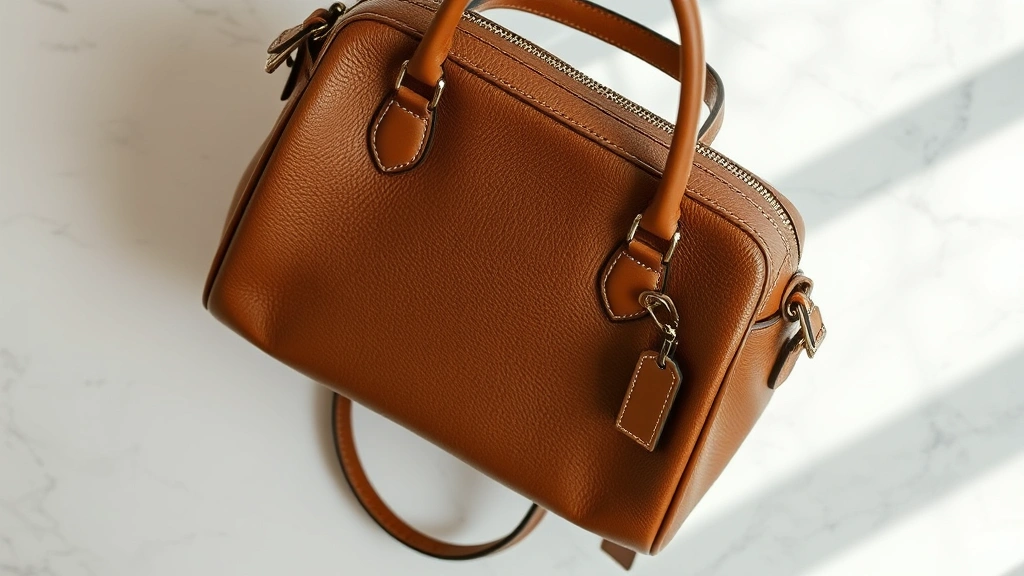
Learning coach bags how to tell if authentic is essential if you’re shopping secondhand or online. Counterfeit Coach bags flood the market, and spotting a fake requires knowing exactly what to look for. I’ve spent years examining authentic Coach pieces, and I’m going to walk you through the telltale signs that separate real from knockoff—no guesswork required.
Table of Contents
Leather Quality Matters Most
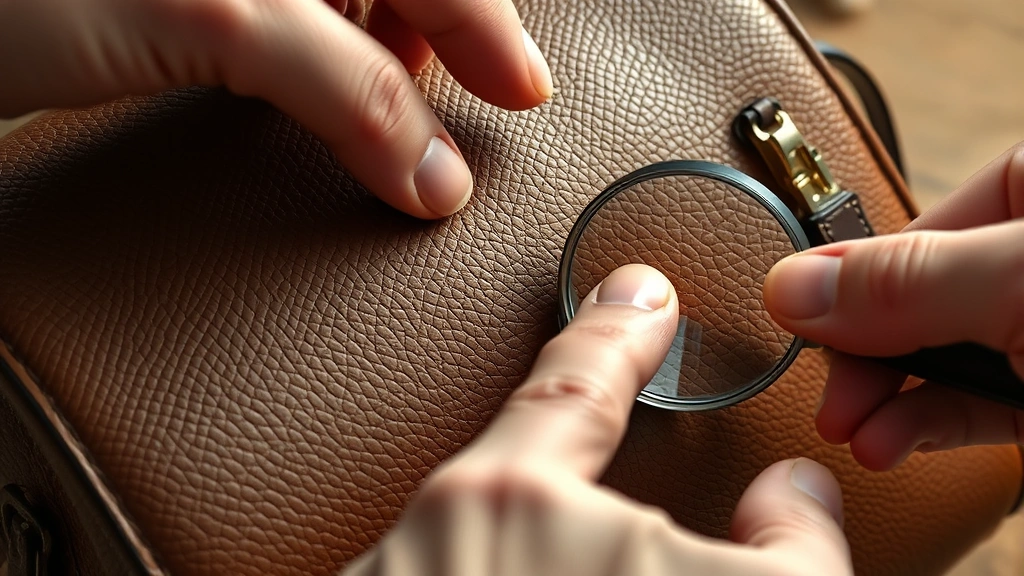
The first thing I check when examining a Coach bag is the leather itself. Authentic Coach bags use high-quality leather that feels buttery smooth and has a natural grain pattern. Run your fingers across the surface—real Coach leather has slight variations in texture, never perfectly uniform.
Counterfeit bags often use cheap vinyl or plastic-coated fabric that feels slick or waxy. If the leather feels plastic-y, smells like chemicals, or has an artificial sheen, you’re holding a fake. Authentic Coach leather develops a natural patina over time, becoming softer and richer in appearance. Fake leather never achieves this characteristic aging.
Check the leather edges too. Real Coach bags have edges that are carefully finished, sometimes with a slight beveled look. Fakes often have rough, unfinished edges or edges that are obviously glued and peeling. The craftsmanship in leather finishing is one of the biggest giveaways.
Serial Number Verification
Every authentic Coach bag manufactured after 1995 has a serial number, also called a style number. This is your most reliable authentication tool. The serial number is typically found on a small leather tab sewn inside the bag, usually on the interior pocket or attached to the interior wall.
Here’s what to examine: The serial number should be clearly embossed or printed on quality leather, not hastily stamped. The numbers should be evenly spaced and easy to read. Counterfeit bags often have blurry, crooked, or poorly embossed serial numbers. Some fakes omit the serial number entirely, which is an instant red flag.
You can verify the serial number on Coach’s official website or contact their customer service directly. They maintain a database of authentic style numbers. If the number doesn’t match any Coach production, the bag is fake. This single step catches about 70% of counterfeits.
Stitching and Construction
Coach is famous for meticulous stitching, and this is where fakes frequently fail. Examine the stitching closely with good lighting. Authentic Coach bags have perfectly straight, evenly-spaced stitches that follow clean lines. The thread color matches the leather perfectly, and there are no loose threads or gaps.
Counterfeit bags have sloppy stitching—crooked lines, uneven spacing, thread that doesn’t match, and visible knots or loose ends. The stitch pattern on fakes is often inconsistent, with some sections tight and others loose. Run your finger along the seams. Real Coach stitching feels secure and permanent; fake stitching feels like it might unravel.
Pay special attention to the handle attachment points. This is where the bag takes the most stress, and Coach reinforces these areas with multiple rows of stitching. Fakes often have weak handle attachments with minimal stitching. If the handles feel loose or wobbly, that’s a fake.
Hardware Details Tell Stories
The metal hardware on Coach bags—zippers, clasps, D-rings, and feet—tells a story about authenticity. Real Coach hardware is solid, substantial, and has a specific finish that matches the bag’s era. Older bags have different hardware than newer ones, so know what year your bag should be from.
Authentic Coach hardware is never flimsy. It has weight and feels quality in your hand. The zippers should glide smoothly without catching. Look at the zipper pull—it should have the Coach logo or C-pattern clearly visible and well-defined. Counterfeit hardware is often thin, cheap-feeling, and the logos are blurry or poorly cast.
Examine the feet on the bottom of the bag. Authentic Coach bags have feet that are evenly spaced, securely attached, and properly finished. Fake bags often have feet that are glued on poorly, misaligned, or missing entirely. The hardware color should be consistent throughout—no mixing of gold and silver tones unless the bag design intentionally features both.
Interior Lining and Labels
The interior of an authentic Coach bag is just as carefully crafted as the exterior. The lining fabric should be high-quality, usually a branded Coach pattern or solid color. The lining should be perfectly sewn with no loose threads or puckering. Counterfeit bags often have cheap, thin lining that feels papery.
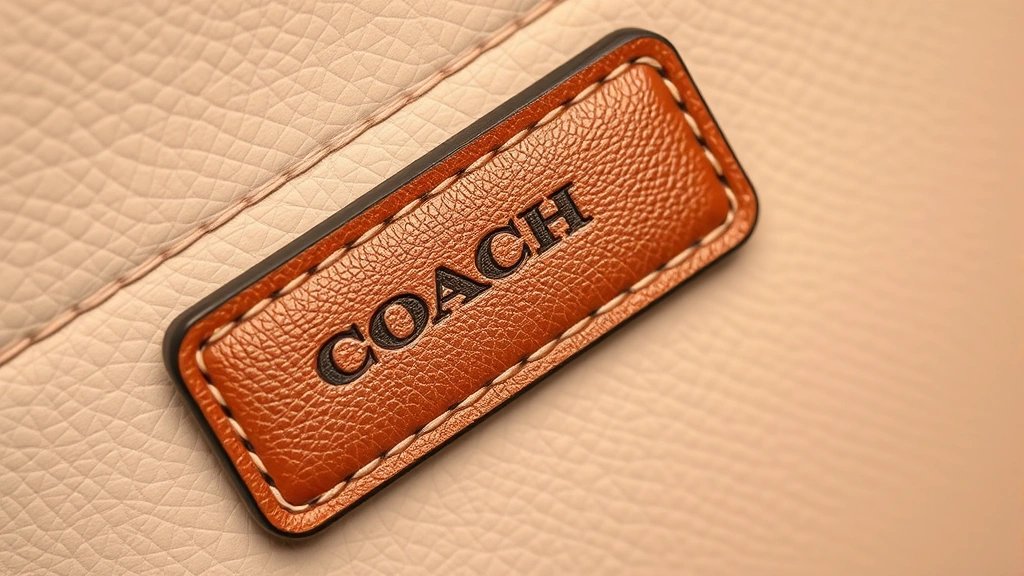
Check the interior label—this is crucial. Authentic Coach bags have labels that are sewn in (not glued) with the brand name, style information, and care instructions clearly printed. The font should be sharp and professional. The label should be securely attached at all corners. Fake labels are often glued, have blurry printing, or are completely absent.
Look for the country of origin on the label. Authentic Coach bags are manufactured in various countries including China, Vietnam, and India, but the label quality is always high. If the label feels cheap, is peeling off, or has spelling errors, you’ve found a counterfeit. Coach would never ship a bag with a misspelled label.
Color and Finish Consistency
Authentic Coach bags have consistent color throughout. The leather should be evenly dyed with no blotchy patches or color variations that seem out of place. That said, natural leather variations are normal and expected—this isn’t the same as blotchy dyeing.
The finish should be consistent too. If the bag has a matte finish, it should be matte everywhere. If it’s glossy, it should be glossy throughout. Counterfeit bags often have inconsistent finishes—shiny in some spots, dull in others—because they’re made with lower-quality materials and processes.
Compare the color to official Coach product photos if possible. Fakes often have slightly off colors—too bright, too dull, or slightly different hues than the authentic version. This is because counterfeiters use different dye lots and cheaper leather that takes color differently.
Weight and Tactile Feel
Pick up the bag and get a sense of its weight. Authentic Coach bags have substantial heft because they’re made with quality materials and proper construction. A bag that feels light and flimsy is probably fake. The weight should feel appropriate for the size and style.
The overall feel in your hands should be luxurious. Real Coach bags feel premium—the leather is supple, the hardware is solid, and everything feels intentional and well-made. Counterfeit bags feel cheap. Even if you can’t identify a specific problem, your hands know the difference between quality and imitation.
Bend the bag gently and observe how it responds. Authentic leather flexes naturally and returns to shape. Cheap vinyl cracks and creases unnaturally. The way a bag moves and feels in your hands is one of the most honest tests you can perform.
Tools for Quick Verification
Beyond visual inspection, several tools help verify authenticity. If you’re shopping online, use how to scan with iPhone to capture detailed photos of the serial number and hardware. Clear photos help when contacting Coach directly for verification.
Coach’s official website has an authentication guide and you can email photos to their customer service team. They’ll verify the serial number and provide feedback within 24-48 hours. This service is free and incredibly reliable. Keep documentation of your purchase if buying secondhand—receipts, packaging, and original tags all support authenticity claims.
When shopping on resale platforms, look for sellers with authentication services. Platforms like Vestiaire Collective and Rebag authenticate Coach bags before listing. You can also how to archive Amazon orders and keep records of your Coach purchases for future reference and warranty purposes.
If you’re serious about collecting Coach bags, consider investing in a magnifying glass and UV light. These tools reveal details invisible to the naked eye. The serial number under UV light should be clear and consistent. Counterfeit numbers often look different under magnification—poorly embossed or printed with low-quality ink.
Frequently Asked Questions
Can I authenticate a Coach bag without the serial number?
It’s much harder, but possible. Examine the leather quality, stitching, hardware, and overall construction. Bags from the 1980s and early 1990s didn’t always have serial numbers. If you’re dealing with a vintage piece, research the specific style and compare it to authenticated examples. Contact Coach directly with photos—they can sometimes identify bags by style and era.
What if my Coach bag was made in China?
Coach manufactures bags in multiple countries including China, Vietnam, and India. The country of origin doesn’t indicate authenticity—what matters is the quality of materials and craftsmanship. Check the label for clear printing and proper formatting. Chinese-made Coach bags are authentic as long as they meet quality standards.
How much should I expect to pay for an authentic Coach bag?
New Coach bags range from $150 to $600+ depending on style and size. Secondhand authentic Coach bags typically sell for 40-70% of retail. If a deal seems too good to be true—like a Coach bag for $20—it probably is. Counterfeiters price aggressively to move inventory quickly.
Are Coach Outlet bags authentic?
Yes, Coach Outlet bags are authentic Coach products. They’re made with the same quality standards as full-price Coach bags. The difference is that Outlet bags are either overstock, previous season styles, or specifically manufactured for outlet stores at slightly lower price points. They still have serial numbers and quality construction.
What’s the best place to buy authentic Coach bags?
Purchase directly from Coach stores or Coach.com for guaranteed authenticity. Authorized retailers like Nordstrom, Macy’s, and Dillard’s are safe. For secondhand, use authenticated resale platforms. Avoid unverified sellers on general marketplaces. When in doubt, ask for the serial number and contact Coach to verify before purchasing.
Final Verdict
Spotting a counterfeit Coach bag comes down to knowing what quality feels like. Real Coach leather is supple and ages beautifully. The stitching is precise and permanent. The hardware is substantial. The serial number is clear and verifiable. The interior is finished with care.
Start by examining the leather and stitching—these two factors catch most fakes immediately. Then verify the serial number with Coach directly. Check the hardware and interior label. Trust your hands and eyes. If something feels off, it probably is.
Coach has been making quality bags for decades, and their commitment to craftsmanship is evident in every authentic piece. When you know what to look for, spotting a fake becomes second nature. Use these five proven tests, and you’ll confidently identify authentic Coach bags every time. You can also how to find hidden apps on iPhone to locate Coach’s official authentication contact information saved in your phone for quick reference.


