
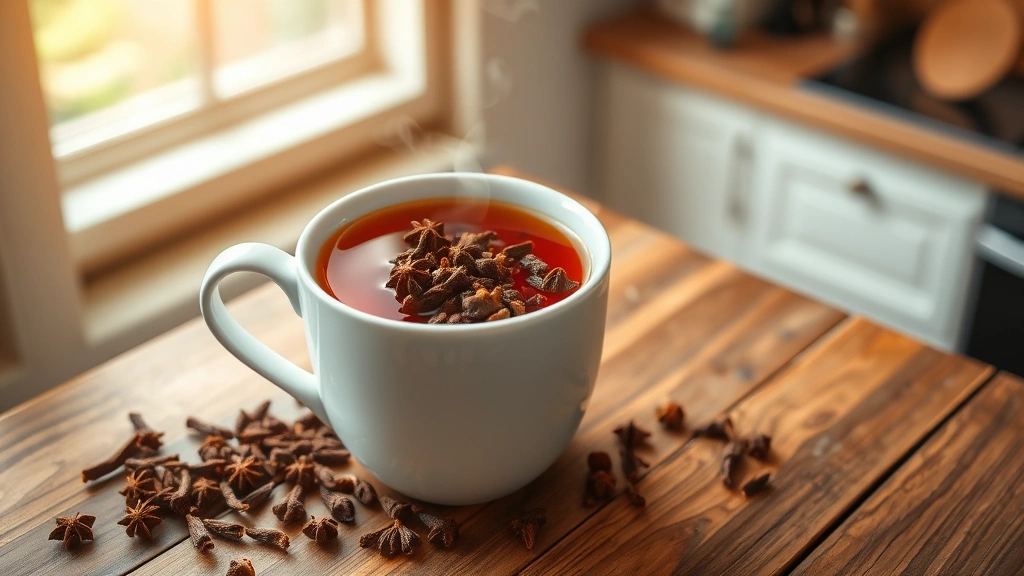
A clove tea recipe is one of those simple kitchen projects that pays dividends—warm, aromatic, and packed with flavor that’ll make you wonder why you haven’t been brewing this stuff all along. Whether you’re looking to soothe a sore throat, settle your stomach, or just enjoy a cozy afternoon beverage, clove tea delivers on all fronts. I’ve been making this for years, and I’m going to walk you through exactly how to nail it every single time.
Table of Contents
Why Clove Tea Works
Cloves aren’t just a spice you toss into holiday recipes. These little flower buds pack serious punch—they’ve got warming properties, natural oils that taste incredible, and they’ve been used in traditional medicine for centuries. When you steep them properly, you’re extracting those aromatic compounds into hot water, creating something that tastes sophisticated but comes together in minutes. The beauty of a clove tea recipe is that it’s forgiving. You can adjust strength, add sweeteners, mix in other spices. It’s basically a blank canvas for your kitchen creativity.
Gather Your Supplies
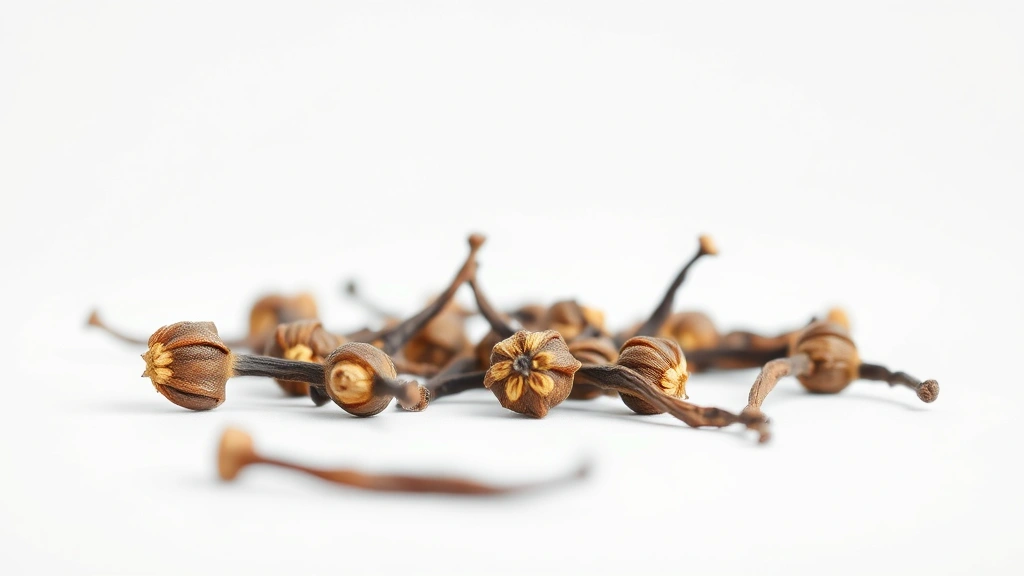
Before you start, get these items ready: whole cloves (not ground—whole is key), fresh filtered water, a kettle or pot, a teaspoon or small measuring spoon, a mug or teacup, and a fine-mesh strainer or infuser. That’s honestly it. If you want to get fancy, grab honey, lemon, cinnamon sticks, or ginger. But the core recipe needs nothing but cloves and water. I keep whole cloves in an airtight container in my pantry—they stay fresh for months and deliver way better flavor than pre-ground stuff.
Step One: Measure Cloves
This is where precision matters. Measure out about 4-5 whole cloves per 8-ounce cup of water. If you like stronger tea, bump it to 6-7 cloves. If you’re new to clove tea and want to play it safe, start with 3-4 and adjust next time. Use a small spoon to count them out—don’t just eyeball it or you’ll end up with either weak tea or something that tastes like you’re chewing on a spice cabinet. Put your measured cloves directly into your mug or teapot. This is the foundation of your entire recipe.
Step Two: Heat Water Right
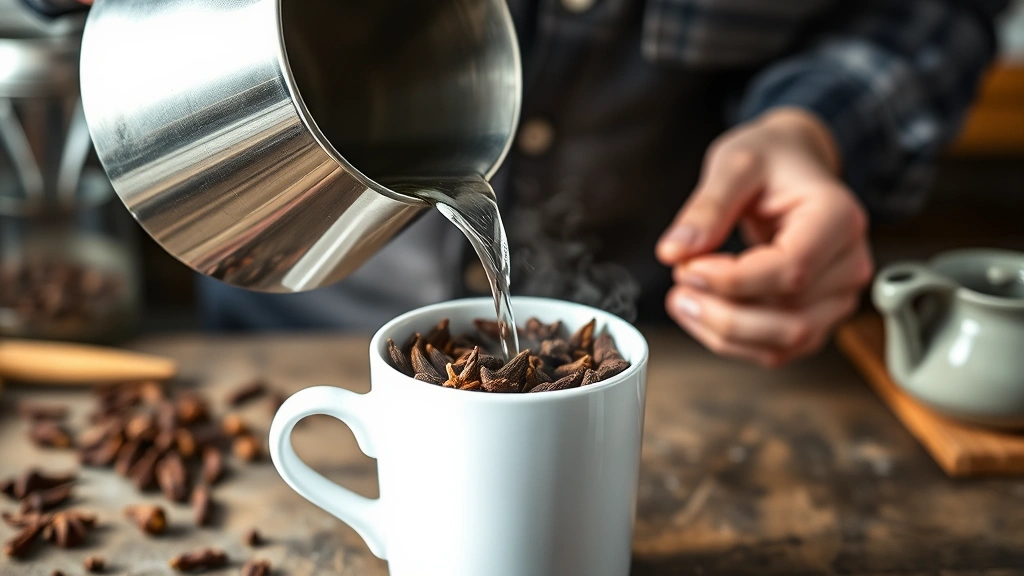
Fill your kettle with fresh, filtered water. Filtered matters because tap water can mask the delicate flavors you’re working to extract. Heat the water to about 200-212°F (93-100°C). If you don’t have a thermometer, just boil it normally—that’s plenty hot. Pour the hot water over your cloves immediately. The heat activates those essential oils and starts the steeping process right away. Don’t use water that’s been sitting around or reheated—fresh boil every time.
Step Three: Steep Like a Pro
This is where patience pays off. Let those cloves sit in the hot water for 5-10 minutes. I usually go for 7 minutes—long enough to extract full flavor without bitterness creeping in. Cover your mug or teapot while steeping (a saucer works fine) to keep the heat in and the aroma from escaping. You’ll notice the water turning a rich amber color. That’s the good stuff coming out of the cloves. Set a timer so you don’t forget and end up with overstepped tea that tastes harsh.
Step Four: Strain Smooth
After steeping, use your fine-mesh strainer or infuser to separate the cloves from the liquid. If you used loose cloves in your mug, carefully pour the tea through the strainer into another cup. Don’t rush this—let gravity do the work. You want all the liquid out but none of the clove solids in your cup. If any small bits slip through, no catastrophe, but the cleaner the pour, the better the final product. This step takes 30 seconds and makes a real difference in your drinking experience.
Step Five: Flavor & Finish
Now comes the fun part. Your basic clove tea is ready to drink as-is, but this is where you can customize. A teaspoon of honey adds natural sweetness and complements clove beautifully. A squeeze of fresh lemon brightens everything up. A pinch of cinnamon or a small piece of fresh ginger takes it to another level. Stir gently and let it cool for a minute or two before sipping—you want it warm, not scalding. Taste it first before adding anything. You might find you love it straight.
Variations and Tweaks
Once you’ve nailed the basic clove tea recipe, experiment. Try adding 2-3 cardamom pods for warmth and complexity. Throw in a small cinnamon stick and a couple of star anise for a chai-like blend. Add a thin slice of fresh ginger for digestive support. Some people love a splash of milk or cream—it mellows the spice and makes it almost dessert-like. You could also check out how to tell if a pineapple is ripe if you want to add fresh fruit to your tea routine. The point is, once you understand the fundamentals, you’re free to play around and find what works for your palate.
Storage Tips
Make a batch of clove tea and want to save it? Store brewed tea in the refrigerator for up to 3 days in a sealed container. Reheat gently on the stove or in the microwave. For whole cloves themselves, keep them in an airtight container away from light and heat—they’ll stay fresh for 6-12 months. Don’t store them in the freezer unless you’re in a really humid climate. A cool, dark pantry is perfect. If you’re the type who likes to batch-prepare stuff, you might relate to the mindset of how to clean a washing machine regularly—staying on top of maintenance keeps everything running smoothly.
Frequently Asked Questions
Can I use ground cloves instead of whole?
Technically yes, but whole cloves are better. Ground cloves lose their essential oils faster and can make your tea taste dusty. If you only have ground, use about 1/4 teaspoon per cup and strain through a coffee filter or cheesecloth to avoid sediment.
Is clove tea safe to drink every day?
Yes, in moderation. Clove tea is generally safe for most adults when consumed in normal amounts. However, if you’re pregnant, nursing, or on blood thinners, check with your doctor first. Cloves have mild anticoagulant properties.
What if my clove tea tastes too strong?
You used too many cloves or steeped too long. Next time, reduce the clove count to 3-4 and stick to 5-6 minutes of steeping. You can also dilute overly strong tea with a bit of hot water.
Can I make clove tea in bulk?
Absolutely. Multiply your recipe by however many cups you need, steep all the cloves together in a larger pot, then strain and store in the fridge. Reheat individual servings as needed. Just remember that brewed tea keeps for about 3 days.
Does clove tea have any health benefits?
Cloves contain antioxidants and have been traditionally used to support digestive health and reduce inflammation. While more research is needed on specific benefits, many people find clove tea soothing for sore throats and general wellness. It’s not a medical treatment, but it’s a tasty addition to a healthy routine.
What’s the best time to drink clove tea?
Anytime, really. Some people love it first thing in the morning for a gentle wake-up. Others prefer it after meals to support digestion. Evening is fine too—cloves don’t contain caffeine, so they won’t keep you up. The only rule is drink it when you want to.
Final Thoughts
Making a perfect clove tea recipe is genuinely one of the easiest kitchen projects you can tackle. Five steps, a handful of ingredients, and you’ve got something that tastes like you spent hours on it. The fact that it’s warm, comforting, and actually good for you is just the cherry on top. Start with the basic formula I’ve laid out, nail that, then branch out into variations once you’re confident. Keep your whole cloves fresh, measure carefully, and don’t overthink the steeping time. You’ll be making this regularly before you know it. If you’re into simple, satisfying projects, you might also appreciate learning how to make villagers breed if you’re into gaming, or how to disconnect a car battery if you work on cars. The same attention to detail applies to everything worth doing. Now go brew yourself a cup and enjoy.


